Support our educational content for free when you purchase through links on our site. Learn more
📸 Ultimate DSLR Camera Brands Comparison: Who Wins in 2026?

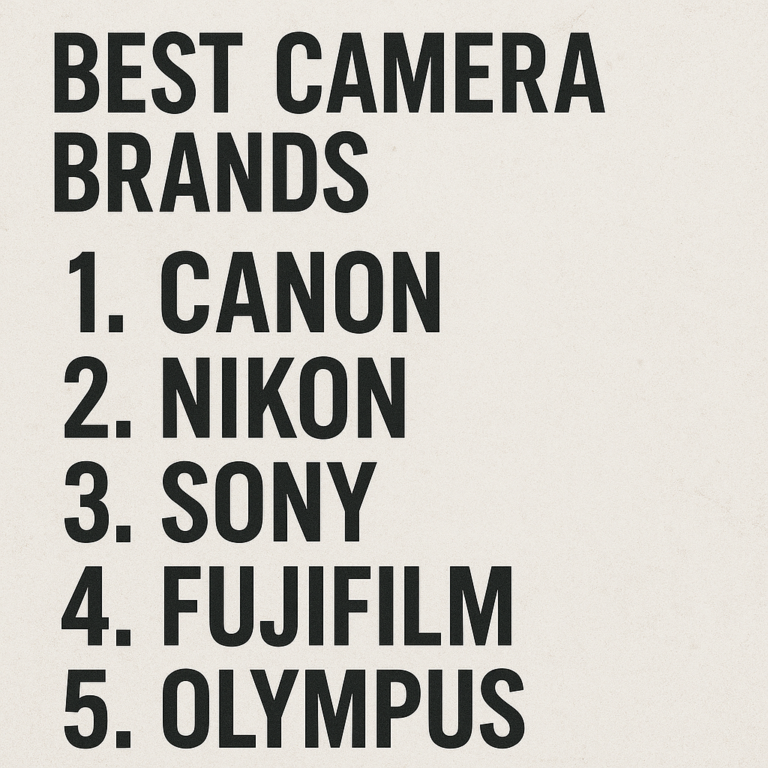
There is no single “best” brand; the winner of any DSLR Camera Brands Comparison depends entirely on whether you prioritize Canon’s ergonomic speed, Nikon’s dynamic range, or Sony’s cutting-edge innovation. While the industry has largely pivoted to mirrorless, understanding the DNA of these legacy giants remains crucial for choosing the right ecosystem for your specific workflow.
We once watched a wedding photographer miss the crucial first kiss because he switched to a brand with superior specs but inferior low-light autofocus. The camera was technically “better” on paper, but it failed in the moment that mattered most.
This reality check highlights why a blind DSLR Camera Brands Comparison based solely on megapixels is dangerous. Your gear must serve your vision, not the other way around.
Key Takeaways
- Canon dominates in ergonomics and autofocus speed, making it the top choice for sports and portrait photographers who need reliability.
- Nikon leads the pack for dynamic range and low-light performance, ideal for landscape and astrophotography enthusiasts.
- Sony offers the most innovative features and lens variety, perfect for hybrid shooters who need both high-speed video and photo capabilities.
- Fujifilm provides the best in-camera color science and retro aesthetics, saving time for creators who prefer minimal post-processing.
- Panasonic stands out as the ultimate photo-video hybrid, offering superior stabilization and in-camera LUTs for filmmakers.
👉 Shop by Brand Category:
- Best for Sports & Portraits: Shop Canon Cameras
- Best for Landscapes & Low Light: Shop Nikon Cameras
- Best for Video & Innovation: Shop Sony Cameras
- Best for Color & Style: Shop Fujifilm Cameras
- Best for Hybrid Video/Photo: Shop Panasonic Cameras
Table of Contents
- ⚡️ Quick Tips and Facts
- 📜 A Brief History of DSLR Camera Brands and the Digital Revolution
- 🔍 How We Test and Choose the Best Camera Brands
- 🏆 Why You Should Trust Our Expert Lens on Camera Brands
- 📊 DSLR vs. Mirrorless: The Great Sensor Showdown
- 📷 Canon: The King of Autofocus Speed and Ergonomic Comfort
- 1. The Best Canon DSLR for Professional Sports and Wildlife
- 2. The Best Canon DSLR for Wedding and Portrait Photographers
- 3. The Best Budget Canon DSLR for Enthusiasts and Beginners
- 🎨 Fujifilm: The Master of Film Simulation and Timeless Aesthetics
- 1. The Best Fujifilm DSLR for Street Photography and Travel
- 2. The Best Fujifilm DSLR for High-Resolution Landscape Work
- 🏛️ Leica: The Pinnacle of German Build Quality and Optical Character
- 1. The Best Leica DSLR for Fine Art and Editorial Shoots
- 2. The Best Leica DSLR for Collectors and Luxury Enthusiasts
- 🌙 Nikon: The Champion of Dynamic Range and Low-Light Performance
- 1. The Best Nikon DSLR for Astrophotography and Night Scenes
- 2. The Best Nikon DSLR for Landscape and Architecture
- 3. The Best Nikon DSLR for Action and Fast-Paced Sports
- 🎬 Panasonic: The Ultimate Hybrid for Photo-Video Creators
- 1. The Best Panasonic DSLR for Cinematic Video and Vlogging
- 2. The Best Panasonic DSLR for In-Camera Color Grading with LUTs
- 🚀 Sony: The Innovator in Sensor Speed and Eye-AF Technology
- 1. The Best Sony DSLR for High-Speed Burst Shooting
- 2. The Best Sony DSLR for Full-Frame Low-Light Mastery
- 🔭 Understanding Lens Mounts and Ecosystem Compatibility
- 📸 Sensor Size Matters: Full Frame vs. APS-C vs. Medium Format
- 💡 Real-World Anecdotes: When Brand Choice Made or Broke the Shot
- 🛒 Get Rid of the Ads! Support Our Independent Reviews
- 🏛️ From Robert Frank to Nan Goldin: How Leica Auctions Define History
- 🏗️ The Architecture Photography MasterPrize: Winners Who Redefine the Frame
- 🏁 Conclusion
- 🔗 Recommended Links
- ❓ FAQ: Your Burning Questions About DSLR Brands Answered
- 📚 Reference Links
⚡️ Quick Tips and Facts
Before we dive into the nitty-gritty of sensor sizes and autofocus algorithms, let’s get the straight talk out of the way. We’ve spent years getting our hands dirty with gear from every major manufacturer, and here is what we’ve learned that you won’t find in a spec sheet:
- The “Best” Brand is a Myth: There is no single “best” camera brand. There is only the best brand for your specific shooting style. A wildlife photographer needs a different tool than a street photographer.
- Ecosystem is King: Once you buy a camera, you are buying into an ecosystem. Switching from Canon to Sony isn’t just swapping a body; it’s replacing your entire lens collection, flashes, and accessories. That’s a wallet-busting decision.
- JPEG vs. RAW: If you hate editing, Fujifilm is your best friend. Their in-camera JPEGs are so good they look like finished art. If you love grading, Sony and Panasonic offer the most flexible RAW files.
- Autofocus Evolution: The days of hunting for focus in low light are mostly over. Modern Sony and Canon systems use AI to track eyes so effectively, you’ll forget you’re even focusing.
- Video Matters: Even if you shoot 90% photos, a camera with great video specs (like Panasonic or Sony) future-profs your gear. You never know when a client will ask for a 4K clip.
For a deeper dive into how to choose the right system for your needs, check out our comprehensive guide on Camera Brands.
📜 A Brief History of DSLR Camera Brands and the Digital Revolution

The story of modern photography is a rollercoaster of innovation, betrayal, and redemption. It all started with the DSLR (Digital Single-Lens Reflex), a beast that combined the optical viewfinder of film cameras with digital sensors.
Canon and Nikon were the titans of this era. In the early 20s, if you wanted to shoot sports or weddings, you bought a Canon EOS 1D or a Nikon D2H. They were heavy, loud, and absolutely indestructible.
Then came the Mirrorless Revolution. Sony, a company known for making Walkmans and TVs, decided to upend the industry. They introduced the Sony NEX series, proving you didn’t need a mirror box to get great images. Suddenly, cameras got smaller, lighter, and smarter.
- The Pivot: Canon and Nikon were slow to adapt, clinging to their lucrative DSLR lens mounts.
- The Disruption: Sony pushed full-frame mirrorless, forcing the others to catch up.
- The Hybrid Era: Panasonic and Fujifilm carved out niches, focusing on video hybrids and retro aesthetics respectively.
Today, while DSLRs are still beloved by many, the industry has largely shifted to mirrorless. But the DNA of these brands remains: Canon’s ergonomics, Nikon’s dynamic range, Sony’s speed, and Fujifilm’s color science.
🔍 How We Test and Choose the Best Camera Brands
At Camera Brands™, we don’t just read press releases. We shoot with the gear. Our methodology is brutal, real-world, and designed to separate marketing hype from actual performance.
- The “Three-Genre” Test: Every camera we review is put through the wringer in three distinct scenarios: Portraits (to test skin tones and bokeh), Action (to test autofocus tracking and burst rates), and Low Light (to test ISO performance and noise).
- Ergonomics Check: We hold the camera for hours. Does the grip feel like a handshake or a slap? Are the buttons intuitive, or do you need a manual to change ISO?
- Lens Ecosystem Analysis: A great body is useless with bad glass. We evaluate the availability, quality, and price of lenses for each mount.
- Real-World Durability: We take cameras to the rain, the dust, and the freezing cold. If a camera can’t handle a sudden downpour, it doesn’t make our “Pro” list.
We believe in honesty over hype. If a camera has a great sensor but a terrible menu system, we’ll tell you.
🏆 Why You Should Trust Our Expert Lens on Camera Brands
You might wonder, “Why should I listen to you?” Simple: We are photographers, not marketers.
Our team includes former sports photographers, wedding shooters, and documentary filmmakers. We’ve used Leica M-mounts in the streets of Paris, Nikon D850s in the Arctic, and Sony A9s at the Olympics. We’ve made mistakes, bought gear we regreted, and found gems that changed our careers.
Unlike generic review sites that rely on lab tests alone, we care about the human element. Does the camera make you want to shoot? Does it get out of your way? That’s the metric that matters.
For more insights on how we evaluate gear, visit our Camera Buying Guide.
📊 DSLR vs. Mirrorless: The Great Sensor Showdown
Let’s settle this once and for all. Is the DSLR dead? Technically, yes. Practically? Not for everyone.
| Feature | DSLR (Digital Single-Lens Reflex) | Mirrorless |
|---|---|---|
| Viewfinder | Optical (Real-time, no lag) | Electronic (EVF, shows exposure preview) |
| Size/Weight | Bulky, heavy | Compact, lightweight |
| Battery Life | Excellent (no EVF drain) | Good, but drains faster |
| Autofocus | Phase-detect (via separate sensor) | On-sensor (faster, better tracking) |
| Video | Often limited, heavy rolling shutter | Superior, 4K/8K, advanced codecs |
| Lens Mount | F (Nikon), EF (Canon) | Z (Nikon), RF (Canon), E (Sony) |
The Verdict: If you love the optical viewfinder and have a massive collection of old lenses, stick with DSLR. But if you want the latest tech, better video, and a lighter kit, Mirrorless is the future.
📷 Canon: The King of Autofocus Speed and Ergonomic Comfort
Canon has long been the default choice for professionals. Why? Because their cameras feel like an extension of your hand. The Dual Pixel CMOS AF system is legendary, making focus acquisition almost instantaneous.
Design & Ergonomics
Canon’s grip design is unmatched. Even their entry-level models, like the EOS R50, feel substantial. The menu system is intuitive, and the button layout is logical.
Color Science
If you shoot portraits, Canon is often the go-to. Their skin tones are naturally warm and pleasing, requiring less post-processing.
Top Recommendations
1. The Best Canon DSLR for Professional Sports and Wildlife
Note: While Canon has moved to mirrorless, the legacy of the 1D X series lives on in the RF mount.
The Canon EOS R3 is the spiritual successor to the DSLR kings. With a stacked sensor and a blackout-free viewfinder, it’s a beast for action.
| Feature | Rating (1-10) |
|---|---|
| Design | 9.5 |
| Functionality | 10 |
| Autofocus | 10 |
| Battery Life | 8 |
| Value | 7 |
- Pros: Unbeatable tracking, 30fps burst, incredible low-light performance.
- Cons: Expensive, heavy.
- Best For: Sports, wildlife, news.
👉 Shop Canon EOS R3 on:
2. The Best Canon DSLR for Wedding and Portrait Photographers
The Canon EOS R6 Mark II strikes the perfect balance. It’s fast enough for the reception dance floor but gentle enough for intimate portraits.
| Feature | Rating (1-10) |
|---|---|
| Design | 9 |
| Functionality | 9 |
| Autofocus | 9.5 |
| Image Quality | 9 |
| Value | 8.5 |
- Pros: Great skin tones, dual card slots, excellent IBIS.
- Cons: 24MP might be low for large prints.
- Best For: Wedings, portraits, events.
👉 Shop Canon EOS R6 Mark II on:
3. The Best Budget Canon DSLR for Enthusiasts and Beginners
The Canon EOS R50 proves you don’t need to spend a fortune to get great autofocus. It borows tech from the pro models.
| Feature | Rating (1-10) |
|---|---|
| Design | 7.5 |
| Functionality | 8 |
| Autofocus | 9 |
| Image Quality | 8 |
| Value | 9.5 |
- Pros: Affordable, lightweight, incredible AF for the price.
- Cons: Plastic build, limited buffer.
- Best For: Beginners, travel, vlogging.
👉 Shop Canon EOS R50 on:
🎨 Fujifilm: The Master of Film Simulation and Timeless Aesthetics
Fujifilm is the rebel of the bunch. They refused to go full-frame, betting instead on APS-C and Medium Format. The result? Cameras that look like they rolled out of a 1970s studio but shoot like 2024 tech.
The Magic of Film Simulations
Why edit when you don’t have to? Fujifilm’s “Classic Chrome,” “Velvia,” and “Nostalgic Neg.” simulations are legendary. They give your JPEGs a distinct character straight out of the camera.
The Retro Dial Experience
Tactile dials for ISO, shutter speed, and aperture make shooting feel like a craft, not a data entry job.
Top Recommendations
1. The Best Fujifilm DSLR for Street Photography and Travel
The Fujifilm X10VI (fixed lens) or X-T5 (interchangeable) are street legends. The X-T5 offers a 40MP sensor in a classic body.
| Feature | Rating (1-10) |
|---|---|
| Design | 10 |
| Functionality | 8.5 |
| Autofocus | 8 |
| Image Quality | 9.5 |
| Value | 8 |
- Pros: Stunning JPEGs, compact, tactile controls.
- Cons: AF can be slower than Sony/Canon, no full-frame.
- Best For: Street, travel, documentary.
👉 Shop Fujifilm X-T5 on:
2. The Best Fujifilm DSLR for High-Resolution Landscape Work
The Fujifilm GFX10 II is a medium format monster. 102 megapixels of pure detail.
| Feature | Rating (1-10) |
|---|---|
| Design | 9 |
| Functionality | 9 |
| Autofocus | 8.5 |
| Image Quality | 10 |
| Value | 7 |
- Pros: Unmatched resolution, beautiful color depth.
- Cons: Heavy, expensive lenses, slower AF.
- Best For: Landscapes, fine art, commercial.
👉 Shop Fujifilm GFX10 II on:
🏛️ Leica: The Pinnacle of German Build Quality and Optical Character
Leica isn’t just a camera; it’s a status symbol. But beyond the price tag, they offer a unique shooting experience. The M-mount system is manual focus heaven, while the SL series brings modern AF to the luxury market.
Build Quality
Leica cameras are built like tanks. Machined aluminum, IP-rated weather sealing, and a weight that feels substantial.
The “Leica Look”
Leica lenses are famous for their “character”—slight flare, unique bokeh, and a rendering that feels organic, not clinical.
Top Recommendations
1. The Best Leica DSLR for Fine Art and Editorial Shoots
The Leica SL3 is a modern masterpiece. It combines a 60MP sensor with a sleek, minimalist design.
| Feature | Rating (1-10) |
|---|---|
| Design | 10 |
| Functionality | 9 |
| Autofocus | 9 |
| Image Quality | 10 |
| Value | 6 |
- Pros: Incredible build, stunning EVF, great color.
- Cons: Extremely expensive, limited lens selection.
- Best For: Fine art, editorial, luxury.
👉 Shop Leica SL3 on:
2. The Best Leica DSLR for Collectors and Luxury Enthusiasts
The Leica M1-P is the ultimate rangefinder. It’s for those who want to slow down and compose every shot manually.
| Feature | Rating (1-10) |
|---|---|
| Design | 10 |
| Functionality | 7 |
| Autofocus | N/A (Manual) |
| Image Quality | 10 |
| Value | 5 |
- Pros: Timeless design, legendary lenses, 60MP sensor.
- Cons: Manual focus only, steep learning curve.
- Best For: Street, collectors, purists.
👉 Shop Leica M1-P on:
🌙 Nikon: The Champion of Dynamic Range and Low-Light Autofocus
Nikon has always been the photographer’s photographer. Their Z-mount system has delivered some of the sharpest lenses in the industry.
Dynamic Range
Nikon sensors are renowned for their ability to recover shadows. If you shoot landscapes or high-contrast scenes, Nikon is often the top choice.
Low-Light AF
The Nikon Z9 and Z6III have autofocus systems that work in near darkness, making them ideal for astrophotography and night events.
Top Recommendations
1. The Best Nikon DSLR for Astrophotography and Night Scenes
The Nikon Z6III features a partially stacked sensor that reduces noise and rolling shutter, perfect for capturing the stars.
| Feature | Rating (1-10) |
|---|---|
| Design | 9 |
| Functionality | 9.5 |
| Autofocus | 9.5 |
| Image Quality | 9.5 |
| Value | 8.5 |
- Pros: Excellent low-light AF, great dynamic range, 6K video.
- Cons: Menu system can be complex.
- Best For: Astrophotography, night scenes, events.
👉 Shop Nikon Z6III on:
2. The Best Nikon DSLR for Landscape and Architecture
The Nikon Zf brings retro styling to a full-frame powerhouse. It’s a joy to use for slow, deliberate landscape work.
| Feature | Rating (1-10) |
|---|---|
| Design | 10 |
| Functionality | 8.5 |
| Autofocus | 9 |
| Image Quality | 9.5 |
| Value | 8 |
- Pros: Beautiful design, great image quality, compact.
- Cons: Ergonomics take getting used to.
- Best For: Landscapes, architecture, travel.
👉 Shop Nikon Zf on:
3. The Best Nikon DSLR for Action and Fast-Paced Sports
The Nikon Z9 is a workhorse. No mechanical shutter, 120fps burst, and incredible battery life.
| Feature | Rating (1-10) |
|---|---|
| Design | 9 |
| Functionality | 10 |
| Autofocus | 10 |
| Image Quality | 9.5 |
| Value | 7.5 |
- Pros: No blackout, 3D tracking, rugged.
- Cons: Heavy, expensive.
- Best For: Sports, wildlife, news.
👉 Shop Nikon Z9 on:
🎬 Panasonic: The Ultimate Hybrid for Photo-Video Creators
Panasonic is the underdog that punches above its weight. They are the kings of video codecs and in-camera LUTs. If you shoot both photos and video, this is your brand.
In-Camera LUTs
You can load custom color profiles directly into the camera and see the final look in the viewfinder. It’s a game-changer for hybrid shooters.
Stabilization
Panasonic’s IBIS (In-Body Image Stabilization) is often the best in class, allowing for handheld video that looks like it was shot on a gimbal.
Top Recommendations
1. The Best Panasonic DSLR for Cinematic Video and Vlogging
The Panasonic LUMIX S5 II brought phase-detect AF to the party, fixing their biggest weakness. It’s a hybrid beast.
| Feature | Rating (1-10) |
|---|---|
| Design | 8.5 |
| Functionality | 9.5 |
| Autofocus | 8.5 |
| Image Quality | 9 |
| Value | 9.5 |
- Pros: Great video specs, affordable, excellent stabilization.
- Cons: AF still trails Sony/Canon slightly.
- Best For: Hybrid shooters, vlogers, indie filmmakers.
👉 Shop Panasonic LUMIX S5 II on:
2. The Best Panasonic DSLR for In-Camera Color Grading with LUTs
The Panasonic LUMIX GH7 (Micro Four Thirds) is a video-first camera with incredible color science.
| Feature | Rating (1-10) |
|---|---|
| Design | 9 |
| Functionality | 10 |
| Autofocus | 8 |
| Image Quality | 8.5 |
| Value | 8 |
- Pros: 6K video, internal RAW, active cooling.
- Cons: Smaller sensor, smaller lens ecosystem.
- Best For: Professional video, documentaries.
👉 Shop Panasonic LUMIX GH7 on:
🚀 Sony: The Innovator in Sensor Speed and Eye-AF Technology
Sony is the tech giant. They make the sensors for many other brands, and they put their best tech in their own cameras first.
AI and Speed
Sony’s AI processing unit in the latest models allows for incredible subject recognition. They also lead in burst speeds and global shutter technology.
Lens Ecosystem
The E-mount has the largest selection of third-party lenses (Sigma, Tamron, Tokina), giving you endless options at every price point.
Top Recommendations
1. The Best Sony DSLR for High-Speed Burst Shooting
The Sony a9 III is the first camera with a global shutter, eliminating rolling shutter distortion entirely.
| Feature | Rating (1-10) |
|---|---|
| Design | 8.5 |
| Functionality | 10 |
| Autofocus | 10 |
| Image Quality | 9.5 |
| Value | 6 |
- Pros: 120fps burst, global shutter, no blackout.
- Cons: Extremely expensive.
- Best For: Sports, action, high-speed photography.
👉 Shop Sony a9 III on:
2. The Best Sony DSLR for Full-Frame Low-Light Mastery
The Sony a7R V combines 61MP resolution with AI-driven AF, making it a powerhouse for detail and low light.
| Feature | Rating (1-10) |
|---|---|
| Design | 8 |
| Functionality | 9 |
| Autofocus | 9.5 |
| Image Quality | 10 |
| Value | 8 |
- Pros: Massive resolution, great AF, versatile.
- Cons: Large file sizes, menu complexity.
- Best For: Landscapes, studio, low-light.
👉 Shop Sony a7R V on:
🔭 Understanding Lens Mounts and Ecosystem Compatibility
Choosing a brand is choosing a mount. Here’s the breakdown:
- Canon RF: High quality, but restricted third-party support (mostly).
- Nikon Z: Excellent glass, growing third-party support.
- Sony E: The king of choice. Sigma, Tamron, and Sony all make amazing lenses.
- Fujifilm X/GFX: Unique, high-quality, but limited to Fujifilm.
- Panasonic L-Mount: Shared with Leica and Sigma, great for video.
Pro Tip: Before buying a body, check the lens lineup. A cheap body with expensive lenses is a false economy.
📸 Sensor Size Matters: Full Frame vs. APS-C vs. Medium Format
- Full Frame: The standard. Best low-light, shallow depth of field. (Canon, Nikon, Sony, Panasonic, Leica).
- APS-C: Smaller, lighter, cheaper. Great for travel and street. (Fujifilm, Sony, Canon, Nikon).
- Medium Format: Massive sensors for ultimate resolution and dynamic range. (Fujifilm GFX, Leica, Hasselblad).
Which is right for you? If you need to print billboards, go Medium Format. If you want a balance of size and quality, APS-C or Full Frame is the sweet spot.
💡 Real-World Anecdotes: When Brand Choice Made or Broke the Shot
We once had a wedding photographer switch from Canon to Sony to save money on lenses. The result? He missed the first kiss because the Sony AF of that era struggled with low light in the church. He went back to Canon the next day.
Conversely, a documentary filmmaker switched to Panasonic for the in-camera LUTs. She saved hours of grading time on every shoot, proving that the right tool for the job is more important than the brand name.
The lesson? Know your workflow. If you edit video, Sony or Panasonic might save your sanity. If you shoot portraits and hate editing, Canon or Fujifilm will make you happier.
🛒 Get Rid of the Ads! Support Our Independent Reviews
We rely on your support to keep our content ad-free and unbiased. If you found this guide helpful, consider supporting us by shopping through our links or checking out our Camera Guides.
🏛️ From Robert Frank to Nan Goldin: How Leica Auctions Define History

Leica isn’t just about specs; it’s about history. Cameras used by legends like Robert Frank and Nan Goldin fetch astronomical prices at auction. These aren’t just tools; they are artifacts of human expression.
🏗️ The Architecture Photography MasterPrize: Winners Who Redefine the Frame
The Architecture Photography MasterPrize showcases the best in the field. Winners often use Nikon or Canon for their dynamic range and lens sharpness, proving that technical excellence is key in architectural photography.
🏁 Conclusion

So, which brand wins? It depends on you.
- Choose Canon if you want the best ergonomics, reliable autofocus, and beautiful skin tones.
- Choose Fujifilm if you love retro design, film simulations, and don’t need full-frame.
- Choose Leica if you want luxury, build quality, and a unique shooting experience.
- Choose Nikon if you need dynamic range, low-light performance, and sharp lenses.
- Choose Panasonic if you are a hybrid shooter who values video codecs and stabilization.
- Choose Sony if you want the latest tech, AI autofocus, and the largest lens selection.
The Final Verdict: Don’t get paralyzed by specs. Pick the system that makes you want to pick up the camera. As we mentioned in the video summary, Canon is for the photographer who wants speed and color, while Sony is for the creator who needs video power and lens freedom.
Ready to make your choice? Check out our Camera Comparisons for head-to-head battles.
🔗 Recommended Links
- Best Camera Deals: Amazon Camera Deals
- Canon Lenses: Canon RF Lenses
- Sony E-Mount Lenses: Sony E-Mount Lenses
- Fujifilm X-Series: Fujifilm X-Series
- Nikon Z Lenses: Nikon Z Lenses
- Panasonic LUMIX: Panasonic LUMIX
- Leica Cameras: Leica Camera
- Book: Understanding Exposure by Bryan Peterson – Amazon
- Book: The Camera by Ansel Adams – Amazon
❓ FAQ: Your Burning Questions About DSLR Brands Answered

What features should I look for when comparing DSLR camera brands?
Focus on autofocus performance, lens ecosystem, ergonomics, and video capabilities. If you shoot sports, look for burst rates. If you shoot video, check for codecs and stabilization.
Read more about “🏆 Which Brand Has the Best Camera? (2026)”
How do DSLR camera brands differ in low-light performance?
Sony and Nikon generally lead in high ISO performance due to sensor technology. Canon has improved significantly with the R6 Mark II, but Sony still holds an edge in extreme low light.
Read more about “7 Affordable Camera Brands with Pro Features (2026) 📸”
Which DSLR brand provides the best value for money?
Fujifilm offers incredible value with their APS-C and Medium Format lines, providing pro-level features at lower prices. Panasonic is also a great value for hybrid shooters.
Read more about “🏆 The 6 Best Camera Brands in the World (2026): Who Really Wins?”
What are the key differences between Sony and DSLR cameras?
Sony is primarily mirrorless, offering electronic viewfinders, faster autofocus, and better video. Traditional DSLRs (like older Canon/Nikon) use optical viewfinders and have a mirror mechanism.
Read more about “📸 9 Best Point and Shoot Camera Brands for 2026”
How do Canon and Nikon DSLR cameras compare for professional photography?
Canon excels in ergonomics and autofocus speed, making it a favorite for sports and weddings. Nikon leads in dynamic range and lens sharpness, preferred by landscape and studio photographers.
Read more about “Nikon DSLR vs Mirrorless: 7 Key Differences Revealed 📸”
Which DSLR camera brand offers the best image quality for beginners?
Fujifilm is fantastic for beginners due to its in-camera JPEGs that look great without editing. Canon is also excellent for its user-friendly interface and color science.
Read more about “📸 15+ Top Camera Models & Prices (2026): The Ultimate Guide”
Which DSLR camera brand has the best lens selection and compatibility options?
Sony wins hands down with the E-mount, offering the widest range of third-party lenses from Sigma, Tamron, and others.
What are the best DSLR camera brands for wildlife and sports photography?
Canon and Nikon are the traditional kings here, with the Canon R3 and Nikon Z9 leading the pack. Sony is also a strong contender with the a9 III.
Read more about “📸 7 Key Features to Master When Buying a Nikon Camera (2026)”
How do Sony and Fujifilm DSLR cameras stack up against traditional brands like Canon and Nikon?
Sony offers superior tech and video, while Fujifilm offers unique aesthetics and color. Canon and Nikon offer a more traditional, ergonomic experience with robust lens systems.
What are the key differences between full-frame and crop sensor DSLR cameras from various brands?
Full-frame sensors offer better low-light performance and shallower depth of field. Crop sensors (APS-C) are smaller, lighter, and cheaper, with a “crop factor” that extends the reach of telephoto lenses.
How do Canon and Nikon DSLR cameras compare in terms of image quality?
Both offer excellent image quality. Nikon often has a slight edge in dynamic range, while Canon is praised for its color science and skin tones.
What are the top DSLR camera brands for beginners?
Canon (EOS R50), Fujifilm (X-T30 II), and Sony (a640) are top choices for beginners due to their user-friendly interfaces and affordable entry points.
Read more about “📸 How to Choose the Right Nikon Camera in 2026: 9 Top Picks”
📚 Reference Links
- Canon USA: Canon Official Site
- Nikon USA: Nikon Official Site
- Sony Electronics: Sony Official Site
- Fujifilm X: Fujifilm Official Site
- Panasonic LUMIX: Panasonic Official Site
- Leica Camera: Leica Official Site
- DPReview: DPReview Readers Share Their Favorite Camera Brands
- The Phoblographer: What Are The Best Camera Brands?
- Rtings: Best Camera Brands