Support our educational content for free when you purchase through links on our site. Learn more
Are Mirrorless Cameras Better Than DSLRs? 📸

Usually, yes: mirrorless cameras are the better choice for a new camera system in 2026, thanks to superior autofocus, electronic viewfinders, stronger video features, and rapidly expanding lens lineups. But DSLRs still win on battery life, optical viewing, comfortable handling, and used-market value.
So, are mirrorless cameras better than DSLR cameras for you? That depends on what you photograph. A Sony Alpha a7 IV, Canon EOS R6 Mark II, Nikon Z6 III, or Fujifilm X-T5 makes moving subjects and exposure decisions easier, while a Nikon D750, Canon EOS 5D Mark IV, or Pentax K-1 II can still produce beautiful professional-quality images.
We saw the difference clearly while photographing a fast-moving dog with an older DSLR and a modern mirrorless body. The DSLR’s focus points felt like a handful of darts clustered in the center; the mirrorless camera tracked the dog’s eye as it raced toward the edge of the frame. The dog remained chaotic, but our keeper rate improved dramatically. 🐕
That said, a camera is not a magic wand. A high-end DSLR with a superb lens can outperform a neglected mirrorless kit, and the best camera is the one you carry, understand, and trust when the moment appears.
Key Takeaways
- Mirrorless cameras are usually better for new buyers because manufacturers are prioritizing mirrorless bodies, lenses, autofocus, and video technology.
- Mirrorless autofocus is generally superior for portraits, pets, wildlife, sports, weddings, and other moving subjects.
- DSLRs still offer major advantages, including longer battery life, optical viewfinders, familiar ergonomics, and excellent used-camera value.
- Image quality is not automatically better on mirrorless. Sensor size, lens quality, exposure, focus accuracy, and technique matter more than the mirror mechanism.
- Mirrorless cameras are the clear choice for hybrid photography and video, with stronger 4K and 8K recording, stabilization, subject tracking, and electronic viewfinder tools.
- Keep your DSLR if it still does the job. Switching makes sense when you need better autofocus, silent shooting, smaller gear, modern video, or access to newer lens systems.
- For most photographers building a system from scratch in 2026, we recommend mirrorless. For budget-conscious stills photographers, a used Canon or Nikon DSLR remains an excellent bargain.
Table of Contents
- ⚡️ Quick Tips and Facts: Mirrorless vs. DSLR at a Glance
- Which Camera Is Better for Most Photographers?
- The Short Answer: Mirrorless Strengths and DSLR Advantages
- 📸 Mirrorless and DSLR Camera History: How We Got Here
- How the Single-Lens Reflex System Shaped Photography
- The Rise of Electronic Viewfinders and Mirrorless Cameras
- Why Camera Brands Are Prioritizing Mirrorless Systems
- 🔍 What Is the Difference Between a Mirrorless Camera and a DSLR?
- Optical Viewfinders vs. Electronic Viewfinders
- The Role of the Mirror Box and Mechanical Shutter
- Interchangeable Lenses, Camera Bodies, and Sensor Formats
- 🏆 15 Key Differences Between Mirrorless and DSLR Cameras
- 1. Autofocus Speed, Accuracy, and Subject Tracking
- 2. Eye Detection and Animal Recognition
- 3. Electronic Viewfinder Preview and Optical Viewfinder Clarity
- 4. Image Quality, Dynamic Range, and Low-Light Performance
- 5. Burst Shooting and Buffer Performance
- 6. Video Recording, 4K, and 8K Features
- 7. Camera Size, Weight, and Portability
- 8. Battery Life and Power Consumption
- 9. Lens Selection and Native Mirrorless Glass
- 10. Lens Adapters and DSLR Lens Compatibility
- 11. Durability, Weather Sealing, and Professional Reliability
- 12. Handling, Ergonomics, and Shooting Comfort
- 13. Shutter Noise, Electronic Shutters, and Vibration
- 14. Connectivity, Firmware, and Computational Photography
- 15. System Cost, Used Camera Value, and Long-Term Ownership
- ⚙️ How Mirrorless Cameras Work in Real-World Photography
- What You See Through an Electronic Viewfinder
- Live Exposure Preview, Focus Peaking, and Manual-Focus Tools
- Rolling Shutter, Banding, and Electronic Shutter Limitations
- 📷 The DSLR Experience: What Still Makes It Special
- Why Optical Viewfinders Remain Popular
- DSLR Battery Endurance and Dependable Field Performance
- The Canon, Nikon, and Pentax DSLR Ecosystems
- ✅ Mirrorless Camera Advantages
- Better Autofocus for People, Wildlife, and Sports
- Superior Video Tools for Hybrid Shoters
- Smaller Bodies and Smarter Shooting Assistance
- Modern Full-Frame and APS-C Mirrorless Options
- ❌ Mirrorless Camera Disadvantages
- Battery Drain and Spare Battery Planning
- Electronic Viewfinder Lag and Display Challenges
- Lens Size, System Costs, and Upgrade Temptation
- Electronic Shutter Distortion and Flash Restrictions
- ✅ DSLR Camera Advantages
- Long Battery Life and Optical Viewing
- Affordable Used Bodies and Extensive Lens Libraries
- Tried-and-Tested Ergonomics for Professional Work
- ❌ DSLR Camera Disadvantages
- Slower Live View and Video Autofocus
- Larger, Heavier Camera Kits
- Declining New-Product Support and Innovation
- 🎯 Which Camera Is Better for Different Types of Photography?
- Best Choice for Portrait Photography
- Best Choice for Wildlife and Bird Photography
- Best Choice for Sports and Action Photography
- Best Choice for Landscape and Travel Photography
- Best Choice for Wedding and Event Photography
- Best Choice for Street and Documentary Photography
- Best Choice for Macro and Product Photography
- Best Choice for Astrophotography
- Best Choice for Video and Content Creation
- 🧰 Choosing the Right Camera System and Lens Kit
- Full-Frame, APS-C, Micro Four Thirds, and Medium Format
- Prime Lenses vs. Zoom Lenses
- Essential Lenses for a New Mirrorless or DSLR Kit
- Adapters, Mount Compatibility, and Future Upgrade Paths
- 🆚 Mirrorless vs. DSLR: Comparing Major Camera Brands
- Canon EOS R Mirrorless vs. Canon EOS DSLR
- Nikon Z Mirrorless vs. Nikon D-Series DSLR
- Sony Alpha Mirrorless vs. Traditional DSLR Systems
- Fujifilm X-Series and GFX Mirrorless Cameras
- Panasonic Lumix, OM System, and Pentax Alternatives
- 🧪 Mirrorless vs. DSLR in Professional Photography
- Is Mirrorless Reliable Enough for Weddings and Assignments?
- Do Professionals Still Use DSLR Cameras?
- Backup Bodies, Dual Card Slots, and Workflow Security
- 💡 Camera Buying Advice: Should You Switch from DSLR to Mirrorless?
- Questions to Ask Before Changing Camera Systems
- When Keeping Your DSLR Makes More Sense
- When Upgrading to Mirrorless Is Worth It
- How to Sell, Trade In, or Keep Your Existing DSLR Gear
- 🛠️ Practical Setup Tips for Mirrorless and DSLR Owners
- Recommended Autofocus Settings
- How to Extend Battery Life
- Memory Cards, File Formats, and Backup Strategies
- Cleaning Sensors, Lenses, and Viewfinders
- Weather Protection and Safe Camera Storage
- 📊 Mirrorless vs. DSLR Decision Matrix
- Best Camera Type for Beginners
- Best Camera Type for Enthusiasts
- Best Camera Type for Professionals
- Best Camera Type for Budget-Conscious Photographers
- 🗣️ Expert Verdict: Are Mirrorless Cameras Better Than DSLR Cameras?
- Our Experience After Years of Using Mirrorless Cameras
- What We Still Appreciate About DSLRs
- The Best Answer Depends on Your Photography
- Conclusion
- 🔗 Recommended Links
- ❓ FAQ
- Are mirrorless cameras sharper than DSLRs?
- Do professionals prefer mirrorless or DSLR cameras?
- Is mirrorless better for beginners?
- Do mirrorless cameras have better autofocus?
- Are DSLR lenses compatible with mirrorless cameras?
- Do DSLR cameras take better photos than mirrorless cameras?
- How long will DSLR cameras continue to be supported?
- Should I buy a DSLR camera in 2026?
- 📚 Reference Links
Quick Tips and Facts: Mirrorless vs. DSLR at a Glance
Our short answer? Modern mirrorless cameras are usually better for autofocus, video, electronic viewfinder tools, and long-term system investment. DSLRs remain excellent for optical viewing, battery endurance, comfortable handling, and used-market value. The “better” camera is the one that helps you make more good photographs with less friction.
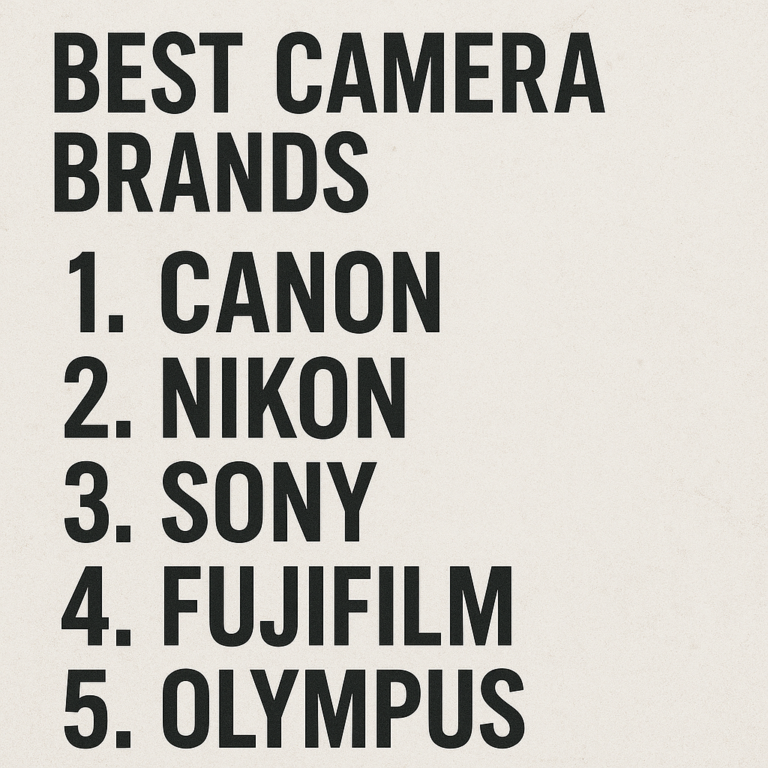
If you are also comparing manufacturers, our guide to What is the #1 camera brand? explains why the answer depends heavily on lens ecosystems, support, and shooting priorities.
Which Camera Is Better for Most Photographers?
For a new system in 2026, we generally recommend mirrorless. Canon, Nikon, Sony, Fujifilm, Panasonic, OM System, and Leica now offer mature mirrorless platforms with sophisticated autofocus and strong video capabilities.
A used DSLR can be the smarter choice if you:
- Already own a substantial Canon EF or Nikon F lens collection.
- Prefer a natural optical viewfinder.
- Shoot mostly still subjects.
- Want maximum battery life.
- Need a capable full-frame kit without rebuilding your system.
- Enjoy a slower, more deliberate shooting rhythm.
A modern mirrorless camera is usually the better fit if you:
- Photograph children, pets, birds, sports, or events.
- Want eye-detection autofocus.
- Record video regularly.
- Prefer seeing exposure and white balance before pressing the shutter.
- Want focus points across nearly the entire frame.
- Plan to buy new lenses and upgrade over several years.
The Short Answer: Mirrorless Strengths and DSLR Advantages
| Category | Mirrorless advantage | DSLR advantage | Our verdict |
|---|---|---|---|
| Autofocus | Eye, face, animal, and subject detection | Mature phase-detect systems | ✅ Mirrorless |
| Viewfinder | Exposure preview, histogram, focus aids | Natural optical view | ⚖️ Personal preference |
| Battery life | Improving rapidly | Usually longer | ✅ DSLR |
| Video | Stronger hybrid features | Often limited or less refined | ✅ Mirrorless |
| Lens compatibility | New designs and adapters | Huge mature libraries | ⚖️ Depends on your kit |
| Size and weight | Often smaller bodies | Better balance with large lenses | ✅ Mirrorless for travel |
| Burst shooting | High rates with less blackout | Strong but mechanically limited | ✅ Mirrorless |
| Used value | Newer technology | Excellent bargains | ✅ DSLR |
| Silent shooting | Electronic shutter options | Usually louder mechanical operation | ✅ Mirrorless |
| Long-term investment | Manufacturers are prioritizing it | Systems are mature but largely static | ✅ Mirrorless |
The first video featured in this article makes the same central distinction: DSLRs direct light through a mirror and prism, while mirrorless cameras send light straight to the sensor. That simple optical change explains much of the practical difference.
Mirrorless and DSLR Camera History: How We Got Here

How the Single-Lens Reflex System Shaped Photography
The DSLR inherited its defining idea from the film SLR. A mirror reflects light upward into an optical viewfinder, allowing you to see through the taking lens. Press the shutter, and the mirror flips up so light can reach the imaging sensor.
That design gave photographers:
- A real-time optical view.
- No electronic display delay.
- A familiar, direct connection to the subject.
- Reliable battery performance because the viewfinder itself consumes no power.
The Nikon D750, Canon EOS 5D Mark IV, and Pentax K-1 demonstrate how refined DSLR engineering became. Their optical viewfinders remain bright, their grips are comfortable, and their batteries can last through a long assignment without behaving like a nervous smartphone.
The Rise of Electronic Viewfinders and Mirrorless Cameras
Early mirrorless cameras were not automatically superior. We remember the first generations: small bodies, enthusiastic marketing, and electronic viewfinders that looked as though they were trying to transmit a football match through a calculator.
Early weaknesses included:
- Low-resolution EVFs.
- Noticeable display lag.
- Limited continuous autofocus.
- Modest lens selections.
- Poor battery life.
- Fewer full-frame choices.
The turning point came through better sensor-based phase detection, faster processors, improved batteries, and machine-learning subject recognition. Cameras such as the Sony Alpha a7 IV, Canon EOS R6 Mark II, Nikon Z8, and Fujifilm X-T5 now deliver capabilities that older DSLRs simply cannot replicate.
Why Camera Brands Are Prioritizing Mirrorless Systems
The major manufacturers have shifted research and development toward mirrorless mounts:
- Canon developed the RF mount.
- Nikon developed the Z mount.
- Sony expanded the E-mount ecosystem.
- Fujifilm continued developing X and GFX systems.
- Panasonic and Leica advanced the L-Mount Alliance.
- OM System continued the Micro Four Thirds platform.
This does not make every new mirrorless model better than every DSLR. It does mean new lens designs, firmware improvements, autofocus algorithms, and video features increasingly arrive on mirrorless systems first.
For more brand and system context, browse our Camera Brands category.
What Is the Difference Between a Mirrorless Camera and a DSLR?
Optical Viewfinders vs. Electronic Viewfinders
A DSLR’s optical viewfinder shows the actual scene through the lens using a mirror and prism. A mirrorless EVF shows a live feed generated by the imaging sensor.
| Viewfinder feature | DSLR optical viewfinder | Mirrorless electronic viewfinder |
|---|---|---|
| Displays exposure simulation | ❌ No | ✅ Yes |
| Shows white-balance effect | ❌ No | ✅ Yes |
| Works without sensor power | ✅ Yes | ❌ No |
| Shows real-time histogram | Usually no | ✅ Often yes |
| Focus peaking | Rare | ✅ Common |
| Magnified manual focus | Limited | ✅ Easy |
| Natural view in bright light | ✅ Excellent | Very good on modern models |
| Brightens dark scenes | ❌ No | ✅ Often |
| Display lag | None | Minimal on modern cameras, but possible |
The optical viewfinder is wonderfully honest. It does not brighten a dark room or pretend your exposure is perfect. The EVF is wonderfully helpful. It can show you that your “mody” exposure is actually just a black rectangle with a chair in it.
The Role of the Mirror Box and Mechanical Shutter
The DSLR mirror assembly creates several consequences:
- Light enters through the lens.
- The mirror redirects it into the prism.
- You compose through the optical viewfinder.
- Pressing the shutter raises the mirror.
- The shutter opens.
- Light reaches the sensor.
- The mirror returns.
That sequence produces the familiar DSLR click and can introduce vibration. It also limits autofocus-point placement because the dedicated phase-detection module sits below the mirror.
A mirrorless camera removes the mirror box. Light reaches the sensor continuously, allowing the same sensor to provide:
- Imaging.
- Live view.
- Autofocus data.
- Subject-recognition information.
- Electronic viewfinder output.
Interchangeable Lenses, Camera Bodies, and Sensor Formats
Neither camera type automatically produces better image quality. Sensor size, lens quality, exposure, focus accuracy, and photographer skill matter more than the presence or absence of a mirror.
Common formats include:
| Format | Typical examples | Strengths | Trade-offs |
|---|---|---|---|
| Full frame | Canon EOS R6 Mark II, Nikon Z6 III, Sony a7 IV | Strong low-light performance and shallow depth of field | Larger lenses and bodies |
| APS-C | Fujifilm X-T5, Sony a670, Canon EOS R7 | Compact systems and useful crop reach | Less light-gathering area than full frame |
| Micro Four Thirds | OM System OM-1 Mark II, Panasonic Lumix G9 II | Small lenses, strong stabilization, excellent portability | Less shallow-depth-of-field potential |
| Medium format | Fujifilm GFX100S II, Hasselblad X2D | Exceptional resolution and tonal detail | Large files, costlier lenses, slower handling |
Explore more sensor and camera technology explanations in our Camera Features section.
15 Key Differences Between Mirrorless and DSLR Cameras
1. Autofocus Speed, Accuracy, and Subject Tracking
Modern mirrorless autofocus is the biggest practical reason many photographers switch systems.
A DSLR typically uses:
- A dedicated phase-detection autofocus module beneath the mirror.
- A limited cluster of AF points.
- Separate autofocus calibration requirements.
- Live View autofocus that may behave differently from viewfinder autofocus.
A mirrorless camera uses the imaging sensor itself for autofocus. Depending on the model, it can combine phase detection, contrast detection, and subject-recognition algorithms across a much wider area.
Why this matters in real shooting
We photographed a fast-moving dog with an older DSLR and a modern mirrorless body. The DSLR could track the dog, but composition was a negotiation: focus points clustered near the center, the dog moved toward the edge, and we had to recompose quickly. The mirrorless camera simply followed the eye and allowed us to place the subject near a third-line intersection.
A long-term comparison of a Nikon D750 with modern Canon mirrorless bodies found occasional focus misses with the DSLR, including a reported 3–5% static-scene focus error rate, while the newer mirrorless cameras missed focus far less often in comparable situations. That is one photographer’s experience, not a universal laboratory result, but it matches what we see with newer subject-detection systems.
2. Eye Detection and Animal Recognition
Eye autofocus has transformed portrait and wildlife photography.
Current mirrorless cameras may recognize:
- Human eyes and faces.
- Dogs and cats.
- Birds.
- Aircraft.
- Cars and motorcycles.
- Trains.
- Insects.
- Sports subjects.
The feature is not magic. It can fail when:
- The subject turns away.
- The eye is hidden by hair, foliage, or a helmet.
- The scene contains multiple competing subjects.
- The subject is too distant.
- The camera’s recognition mode is incorrectly selected.
Still, the difference is dramatic at wide apertures. Photographing a moving person at f/1.2 gives you very little room for focus error. Eye detection helps place that narrow focus plane where it belongs.
Canon describes its subject-detection options on its EOS R system pages, while Nikon documents detection behavior individual Z-series manuals and product pages.
3. Electronic Viewfinder Preview and Optical Viewfinder Clarity
The DSLR OVF provides a direct optical view. The mirrorless EVF provides a predictive view.
With an EVF, you can often see:
- Exposure compensation.
- White balance.
- Picture Style or Picture Control.
- Depth-of-field preview.
- Highlight warnings.
- Live histogram.
- Focus peaking.
- Magnified focus.
This reduces trial and error, especially when moving between bright and dark subjects. A white wedding dress and a black suit can fool a meter in opposite directions. An EVF gives you immediate feedback before you commit the frame.
However, some photographers find that constant previewing encourages overchecking. A photographer interviewed by Fstoppers summarized the concern as: “Mirrorless didn’t fail me. It changed my behavior.” That is a valuable counterpoint. The EVF may improve technical accuracy while making you less mentally present.
4. Image Quality, Dynamic Range, and Low-Light Performance
At the same sensor generation and resolution, mirrorless and DSLR image quality can be extremely similar. The sensor is what records the photograph; the mirror mostly determines how you view and focus before capture.
Image quality depends on:
- Sensor generation.
- Pixel count.
- Lens resolution.
- Exposure.
- Raw processing.
- Noise reduction.
- Stabilization.
- Focus accuracy.
A 24-megapixel Sony a7 IV and a 24-megapixel Nikon D750 can both produce excellent stills. The newer camera may offer better autofocus, processing, and video, but the older DSLR’s raw files are not suddenly made of cardboard.
Independent measurements from Photonstophotos and DXOMARK can help compare sensor behavior, though results should be treated as reference data rather than a substitute for handling the cameras.
5. Burst Shooting and Buffer Performance
Mirrorless cameras can shoot rapidly because there is no mirror to raise and lower between frames.
Typical modern rates include:
- 8–12 fps with a mechanical shutter.
- 20 fps or more with an electronic shutter on advanced models.
- Faster rates on stacked-sensor cameras such as the Sony Alpha 1 II, Nikon Z9, and Canon EOS R5 Mark II.
DSLRs remain capable. The Nikon D6 reaches professional action-shooting speeds, and the Canon EOS-1D X Mark III is a formidable sports camera. But many DSLRs rely on a moving mirror and mechanical sequence that limits speed and creates viewfinder blackout.
Burst rate is not everything. A camera that shoots 30 frames per second can still produce 30 photographs of the wrong moment. Timing remains the photographer’s job. The camera may be fast; your anticipation still needs coffee.
6. Video Recording, 4K, and 8K Features
Mirrorless cameras are generally better hybrid tools because the sensor already operates continuously during video capture.
Common mirrorless advantages include:
- 4K and 8K recording.
- Log profiles.
- 10-bit internal recording.
- Focus transitions.
- Subject tracking.
- In-body image stabilization.
- Headphone and microphone monitoring.
- Articulating screens.
- Oversampled footage.
Some DSLRs, including the Canon EOS 90D and Nikon D780, offer useful video features. Yet autofocus, live-view handling, heat management, and recording formats generally favor newer mirrorless bodies.
For people creating tutorials, interviews, travel videos, and social content, mirrorless cameras often remove the need to carry a separate video device.
7. Camera Size, Weight, and Portability
Removing the mirror and prism can reduce body depth and weight. That does not guarantee a tiny system: full-frame lenses remain full-frame lenses. A compact mirrorless body paired with a 400mm f/2.8 lens is still a serious shoulder workout.
| Kit style | Usually smaller option | Why |
|---|---|---|
| Travel prime | Mirrorless APS-C or Micro Four Thirds | Compact body and small lenses |
| Full-frame standard zoom | Mirrorless, depending on lens | Shorter flange distance and newer designs |
| Professional telephoto | Often similar overall size | Lens dominates the kit |
| Portrait prime | Varies | Fast mirrorless lenses can be large |
| Compact street kit | Mirrorless | Pancake lenses and quiet shutters |
Nikon’s discussion of the Z 26mm f/2.8, Z 28mm f/2.8, and Z 40mm f/2 illustrates how small native lenses can make a mirrorless system genuinely portable.
8. Battery Life and Power Consumption
The DSLR’s optical viewfinder consumes little power. A mirrorless camera must continuously operate the sensor and EVF or LCD.
Typical battery-draining features include:
- High EVF brightness.
- Continuous autofocus.
- Subject recognition.
- Wi-Fi and Bluetooth.
- Image stabilization.
- High frame rates.
- Video recording.
Modern mirrorless bodies have improved considerably. The Nikon Z8, Sony a7 IV, Canon EOS R6 Mark II, and Fujifilm X-T5 can cover a substantial day of shooting with sensible settings and a spare battery.
To extend battery life:
- Reduce automatic image-review time.
- Use airplane mode when wireless features are unnecessary.
- Lower EVF brightness.
- Turn off pre-capture unless needed.
- Carry at least one spare battery.
- Use USB-C charging where supported.
- Keep batteries warm in cold weather.
A DSLR remains the safer choice if you regularly spend days away from power and dislike carrying spares.
9. Lens Selection and Native Mirrorless Glass
DSLR lens catalogs are mature and extensive. Canon EF, Nikon F, Pentax K, and Sony A-mount lenses cover decades of focal lengths and price points.
Mirrorless systems are catching up quickly, with modern designs such as:
- Canon RF 24-70mm f/2.8L IS USM.
- Nikon NIKOR Z 24-120mm f/4 S.
- Sony FE 20-70mm f/4 G.
- Fujifilm XF 16-55mm f/2.8 R LM WR II.
- Panasonic Lumix S Pro 24-70mm f/2.8.
The shorter flange distance allows optical designers more freedom, though lens size still depends on aperture, sensor format, and optical ambitions.
10. Lens Adapters and DSLR Lens Compatibility
Adapters can make switching less painful, but compatibility is not always equal to native performance.
Examples
- Canon EF lenses generally work well on Canon RF bodies with Canon’s EF-EOS R adapters.
- Nikon F lenses can work on Nikon Z bodies with the FTZ II adapter, but compatibility varies by lens.
- Sony A-mount lenses can be adapted to Sony E-mount bodies, with autofocus behavior depending on the adapter and lens.
- Leica M lenses can be adapted to many mirrorless systems, though manual focus is usually required.
Nikon states that the FTZ II adapter supports up to 360 DSLR lenses, with full or limited compatibility depending on the model. That sounds broad, but older screw-drive autofocus lenses may lose autofocus, and AI/AIS lenses can lose some automatic functions.
Before buying an adapter, check:
- Autofocus operation.
- Aperture control.
- Image stabilization.
- EXIF transmission.
- Continuous autofocus.
- Weather sealing.
- Firmware requirements.
11. Durability, Weather Sealing, and Professional Reliability
A mirrorless camera has fewer mechanical parts, but that does not automatically make it indestructible. Weather resistance depends on seals, doors, buttons, lens mounting, and design quality.
Professional examples include:
- Canon EOS R3.
- Nikon Z9.
- Sony Alpha 1 II.
- Fujifilm GFX100 II.
- Pentax K-3 Mark III DSLR.
Look for:
- Magnesium-alloy construction.
- Sealed card and battery doors.
- Weather-resistant lenses.
- Dual card slots.
- High shutter ratings.
- Manufacturer service support.
A DSLR can be extremely reliable. The Nikon D750, Canon EOS 5D series, and Pentax K-1 have earned loyal followings precisely because they behave predictably. The photographer who prefers a DSLR described battery life as something he stopped thinking about. That kind of reliability is not glamorous, but it is valuable.
12. Handling, Ergonomics, and Shooting Comfort
Small is not always comfortable. A tiny body with a large lens can feel like a chopstick taped to a brick.
DSLR advantages often include:
- Deep, comfortable grips.
- Large physical controls.
- Clear top-plate displays.
- Excellent balance with heavy lenses.
- Familiar tactile operation.
Mirrorless advantages often include:
- Customizable buttons.
- Touchscreens.
- Joystick autofocus control.
- Flexible electronic displays.
- Focus and exposure information at a glance.
Try the body with the lens you will actually use. A camera that feels pleasant in a shop with a small kit lens can feel completely different with a 70-200mm f/2.8 attached.
13. Shutter Noise, Electronic Shutters, and Vibration
Mirrorless cameras can offer:
- Silent electronic shutter.
- Electronic first curtain.
- Reduced mechanical vibration.
- Quiet shooting for weddings, theaters, wildlife, and street photography.
But electronic shutters can introduce rolling shutter. Fast-moving subjects or panning may appear bent because different parts of the sensor are read at slightly different times.
Mechanical shutters can cause vibration, especially at certain shutter speeds and focal lengths. A long-term DSLR user reported visible softness around 1/40–1/80 second with a Nikon D750, particularly when mirror movement coincided with the exposure.
For tripod work:
- Use electronic first curtain if available.
- Enable mirror lockup or exposure delay on a DSLR.
- Use a remote release or self-timer.
- Avoid touching the tripod during exposure.
- Check a test frame at 100% magnification.
14. Connectivity, Firmware, and Computational Photography
Modern mirrorless cameras operate more like specialized computers.
They may offer:
- Smartphone transfer.
- Remote control.
- Firmware updates.
- Subject-recognition improvements.
- Focus stacking.
- Pixel-shift high-resolution modes.
- Pre-burst capture.
- In-camera upscaling.
- Custom autofocus behavior.
- Cloud workflows.
DSLRs can include Wi-Fi, GPS, and useful custom settings, but their computational features are generally less ambitious.
This is an area where mirrorless systems will continue to evolve. That is exciting if you enjoy new tools. It is exhausting if you would rather photograph than update firmware on a Tuesday evening.
15. System Cost, Used Camera Value, and Long-Term Ownership
A used DSLR system can be remarkably capable. A Nikon D750 paired with older F-mount lenses can produce professional-quality files while costing far less than a new full-frame mirrorless kit, without naming a specific figure.
The strongest used-market candidates include:
- Nikon D750, D810, and D850.
- Canon EOS 5D Mark III and Mark IV.
- Canon EOS 6D Mark II.
- Pentax K-1 Mark II.
- Nikon D780 for photographers wanting stronger live view.
The catch is that new development has slowed. If you invest heavily in DSLR lenses, you may eventually face a system transition.
Our Camera Buying Guide covers how to calculate the total cost of a camera system rather than judging a body in isolation.
How Mirrorless Cameras Work in Real-World Photography
What You See Through an Electronic Viewfinder
An EVF is a small display placed where the optical viewfinder would be. It receives a live feed from the sensor and displays it at high refresh rates.
A good EVF lets you:
- See exposure before capture.
- Confirm focus.
- Preview monochrome profiles.
- Check white balance.
- View a histogram.
- Magnify the image.
- Display a level or grid.
- Review images without removing your eye from the camera.
In low light, an EVF can be dramatically brighter than an OVF. One comparison found a modern Canon R5 EVF appeared approximately seven stops brighter than a Nikon D750 OVF in a dim indoor scene. That is not a universal measurement for every camera, but it illustrates why EVFs are so useful after sunset.
Live Exposure Preview, Focus Peaking, and Manual-Focus Tools
Manual focus is easier on many mirrorless cameras because you can combine:
- Focus peaking.
- Magnified view.
- Focus distance scales.
- Digital split-image aids.
- Exposure preview.
- Stabilized viewfinder output.
Step by step, a precise manual-focus workflow looks like this:
- Mount the camera securely.
- Select manual focus.
- Activate focus magnification.
- Place the magnified area over the critical detail.
- Turn the focus ring slowly.
- Use focus peaking as a guide, not an absolute verdict.
- Return to the full frame.
- Take a test frame.
- Check detail at 100% if the subject is static.
The DSLR focusing screen can feel more natural, especially on older manual lenses. Yet the mirrorless combination of magnification and peaking usually offers greater precision.
Rolling Shutter, Banding, and Electronic Shutter Limitations
Electronic shutter is quiet and vibration-free, but it has limitations:
- Fast panning can warp vertical lines.
- A propeller may appear strangely curved.
- Artificial lights can create banding.
- Flash synchronization may be limited.
- Concert lighting can produce uneven exposures.
Use the mechanical shutter or electronic first curtain when:
- Photographing fast action.
- Working under LED or fluorescent lighting.
- Using flash.
- Panning quickly.
- Shooting a wedding dance floor with moving limbs and vertical architecture.
Use electronic shutter when:
- The subject is still.
- Silence matters.
- You are photographing wildlife.
- You need vibration-free macro work.
- You are shooting a quiet ceremony.
The DSLR Experience: What Still Makes It Special
Why Optical Viewfinders Remain Popular
The OVF offers an unprocessed view. There is no brightness simulation, no frame-rate variation, and no electronic interpretation. You see the world as light entering the lens.
Photographers often value this for:
- Landscapes.
- Architecture.
- Street photography.
- Bright outdoor scenes.
- Long sessions.
- Situations where they want less screen-like behavior.
One photographer who returned to DSLR after a decade of mirrorless said, “I shoot, I move on, I stay present.” We understand that completely. Sometimes the best camera is the one that stops asking for your attention.
DSLR Battery Endurance and Dependable Field Performance
A DSLR can remain powered on for long periods with little penalty. The optical viewfinder does not require the sensor to stream continuously, and many DSLRs can shoot hundreds or even more than a thousand frames depending on the model, battery, temperature, and shooting behavior.
Advantages include:
- Fewer battery changes.
- Less concern during travel.
- No EVF blackout from power-saving settings.
- Predictable standby behavior.
- Strong performance in cold conditions when batteries are protected.
The trade-off is that Live View and video can consume power quickly, just as they do on mirrorless cameras.
The Canon, Nikon, and Pentax DSLR Ecosystems
Canon DSLR
Canon’s EF lens system is extensive, with affordable older primes, professional L-series zooms, and third-party options from Sigma and Tamron.
Strong used options include:
- Canon EOS 5D Mark IV.
- Canon EOS 6D Mark II.
- Canon EOS 90D.
- Canon EOS 7D Mark II.
Nikon DSLR
Nikon’s F-mount history reaches back decades. Compatible lenses span modern AF-S optics, screw-drive autofocus lenses, and many manual-focus AI and AI-S lenses.
Strong options include:
- Nikon D750.
- Nikon D780.
- Nikon D850.
- Nikon D500.
- Nikon D560 for lighter APS-C kits.
Pentax DSLR
Pentax remains a distinctive choice for photographers who value:
- Optical viewfinders.
- Weather sealing.
- In-body stabilization.
- Prime lenses.
- Outdoor durability.
- A deliberate shooting experience.
The Pentax K-3 Mark III remains one of the most refined APS-C DSLRs available, while the Pentax K-1 Mark II offers full-frame stills photography with a distinctive control philosophy.
Mirrorless Camera Advantages
Better Autofocus for People, Wildlife, and Sports
The strongest mirrorless advantage is not that the camera is smaller. It is that the camera can understand more of the frame.
Modern systems can:
- Track eyes across the image.
- Recognize animals.
- Follow subjects approaching the camera.
- Continue autofocus near the frame edges.
- Track through partial obstructions.
- Adjust focus behavior for erratic movement.
This helps in situations where focus-and-recompose would fail, particularly at wide apertures.
Superior Video Tools for Hybrid Shoters
If your work includes stills and video, mirrorless is usually the practical winner.
Look for:
- 10-bit recording.
- Log profiles.
- Headphone monitoring.
- Cooling design.
- Oversampled 4K.
- Reliable face tracking.
- Stabilized sensor movement.
- Full-size HDMI if you use an external recorder.
The Panasonic Lumix GH7 and Sony FX3 demonstrate how mirrorless technology stretches from still photography into serious video production.
Smaller Bodies and Smarter Shooting Assistance
Mirrorless cameras can be easier to carry, especially with compact primes.
Useful assistance includes:
- Exposure simulation.
- Focus peaking.
- Automatic subject selection.
- In-camera stabilization.
- Focus bracketing.
- Pre-capture.
- Digital level tools.
- Custom autofocus cases.
These features do not replace skill. They reduce the number of technical obstacles between your idea and the final frame.
Modern Full-Frame and APS-C Mirrorless Options
There is a mirrorless body for nearly every style:
| Photographer | Examples worth considering | Why |
|---|---|---|
| Beginner | Canon EOS R50, Nikon Z50 II, Sony a640 | Accessible controls and strong autofocus |
| Travel photographer | Fujifilm X-S20, Sony a670, OM System OM-5 | Compact and capable |
| Portrait photographer | Canon EOS R8, Nikon Z6 III, Sony a7 IV | Full-frame rendering and strong AF |
| Wildlife photographer | Canon EOS R7, Nikon Z8, Sony a670 | Crop reach and subject tracking |
| Professional hybrid shooter | Canon EOS R5 Mark II, Nikon Z8, Sony a7R V | High resolution and advanced video |
| High-speed professional | Canon EOS R1, Nikon Z9, Sony Alpha 1 II | Fast readout and robust bodies |
Mirrorless Camera Disadvantages
Battery Drain and Spare Battery Planning
The EVF, sensor, stabilization, processor, and autofocus system all consume energy. You can reduce drain, but you cannot remove the basic requirement that the camera must be electronically awake to show you the scene.
Carry:
- One spare battery for casual outings.
- Two or more for full-day events.
- A USB-C power bank for compatible bodies.
- A battery charger rather than relying only on in-camera charging.
Electronic Viewfinder Lag and Display Challenges
Modern EVFs are excellent, but they are not optical windows.
Possible issues include:
- Lag in very dim conditions.
- Noise or grain in dark scenes.
- Blackout during certain burst modes.
- Delayed display when processing is busy.
- Artificial rendering that feels less natural.
- Difficulty judging true subject brightness.
High-end stacked-sensor cameras minimize many of these problems, but budget models may still show limitations.
Lens Size, System Costs, and Upgrade Temptation
A compact body does not guarantee a compact kit. Fast full-frame lenses remain large because physics has not accepted the firmware update.
Mirrorless systems may also tempt you into:
- Replacing perfectly good DSLR lenses.
- Buying premium native glass.
- Upgrading bodies for incremental autofocus improvements.
- Collecting multiple mounts.
- Chasing resolution instead of making photographs.
Our advice: choose the lens system first, then select the body that serves it.
Electronic Shutter Distortion and Flash Restrictions
Electronic shutters are not universally better. Use them thoughtfully, especially with:
- Fast-moving people.
- Rotating machinery.
- Flickering lights.
- Flash photography.
- Rapid pans.
When in doubt, switch to mechanical shutter and make the photograph. The bride will not care that your silent shutter produced a beautifully distorted bouquet toss.
DSLR Camera Advantages
Long Battery Life and Optical Viewing
The DSLR’s optical system remains its strongest practical advantage. It is direct, power-efficient, and consistent.
For photographers who dislike screens, an OVF can make shooting feel less like operating a computer and more like observing the world.
Affordable Used Bodies and Extensive Lens Libraries
Used DSLR systems offer:
- Lower-cost full-frame bodies.
- Mature lens choices.
- Many third-party lenses.
- Proven accessories.
- Extensive repair knowledge.
- Well-documented settings and workflows.
A Nikon D750 with several F-mount lenses can still handle portraits, landscapes, travel, weddings, and editorial work. A Canon 5D Mark IV remains an excellent stills camera. These systems are not obsolete simply because manufacturers have moved their innovation elsewhere.
Tried-and-Tested Ergonomics for Professional Work
Large bodies can be comfortable, particularly with:
- 70-200mm f/2.8 lenses.
- 300mm and 400mm telephoto lenses.
- Flash systems.
- Battery grips.
- Long event sessions.
The added weight can become tiring, but it can also improve balance and stability. This is why some wildlife photographers prefer a substantial body even when a smaller mirrorless option exists.
DSLR Camera Disadvantages
Slower Live View and Video Autofocus
Older DSLR Live View systems can feel sluggish compared with modern mirrorless cameras. Autofocus may hunt, focus coverage may be limited, and the rear screen experience may not match viewfinder operation.
Video users should carefully compare:
- Dual-pixel or on-sensor phase detection.
- 4K crop.
- Rolling shutter.
- Recording duration.
- Audio monitoring.
- Autofocus transitions.
Larger, Heavier Camera Kits
A DSLR body, prism, mirror box, and flange distance often create a deeper system. The lens catalog can also include large designs developed around older optical architectures.
For travel, street photography, and long hikes, the size penalty can mean leaving the camera in the hotel. A camera that stays home has a theoretical image quality of exactly zero.
Declining New-Product Support and Innovation
DSLR systems remain supported, but the center of development has shifted. New autofocus features, lens designs, computational functions, and video tools are arriving primarily in mirrorless cameras.
This matters most if you plan to:
- Build a new lens collection.
- Upgrade several times.
- Use cutting-edge autofocus.
- Produce video.
- Keep the system for a decade or longer.
Which Camera Is Better for Different Types of Photography?
Best Choice for Portrait Photography
Mirrorless wins for most modern portrait work because eye autofocus makes wide-aperture shooting more dependable.
Choose DSLR if:
- You prefer optical viewing.
- Your subjects are mostly stationary.
- You already own excellent Canon EF or Nikon F portrait lenses.
- You enjoy manually selecting focus.
Choose mirrorless if:
- You photograph children or moving subjects.
- You use f/1.2 or f/1.4 apertures.
- You want face and eye detection.
- You work in dim interiors.
Recommended systems include the Canon EOS R6 Mark II, Nikon Z6 III, Sony a7 IV, and Fujifilm X-T5.
Best Choice for Wildlife and Bird Photography
Mirrorless generally offers:
- Bird-eye detection.
- Animal recognition.
- Silent shooting.
- High burst rates.
- Broad autofocus coverage.
- Live exposure preview.
DSLR still offers:
- Strong battery endurance.
- Excellent optical viewing in bright daylight.
- Comfortable balance with large lenses.
- Affordable used telephoto options.
For a new wildlife system, consider the Nikon Z8, Canon EOS R7, or Sony Alpha 670.
Best Choice for Sports and Action Photography
Mirrorless usually wins when the camera has:
- A fast sensor readout.
- Reliable tracking.
- A large buffer.
- Minimal blackout.
- A mechanical shutter capable of sustained bursts.
A DSLR remains competitive with professional bodies such as the Nikon D6 and Canon EOS-1D X Mark III, particularly for photographers already invested in long DSLR telephotos.
Best Choice for Landscape and Travel Photography
This one is closer.
Mirrorless advantages:
- Lower carrying weight.
- Exposure preview.
- Focus peaking.
- Sensor stabilization.
- Compact wide-angle lenses.
DSLR advantages:
- Long battery life.
- Optical viewfinder.
- Robust handling.
- Excellent used value.
For lightweight travel, Fujifilm X, Sony APS-C, Micro Four Thirds, and Nikon Z DX systems are compelling. For traditional full-frame landscape work, both a Nikon D850 and a Nikon Z8 can produce superb files.
Best Choice for Wedding and Event Photography
Mirrorless is usually the safer modern choice because of:
- Eye autofocus.
- Silent modes.
- Low-light EVFs.
- Dual card slots.
- Strong video tools.
- Reduced mirror vibration.
However, test silent shutter behavior under venue lighting. LED and fluorescent lights can create banding. Keep the mechanical shutter available.
Best Choice for Street and Documentary Photography
This depends more on attention and discretion than specifications.
Mirrorless advantages:
- Smaller bodies.
- Quiet shooting.
- Live exposure preview.
- Compact pancake lenses.
- Tilting screens.
DSLR advantages:
- Less “tech object” behavior.
- Strong battery life.
- Optical viewing.
- A potentially less conspicuous visual identity.
A photographer who returned to DSLR specifically valued the fact that the camera did not look fashionable or expensive. That is a legitimate documentary consideration, particularly in sensitive environments.
Best Choice for Macro and Product Photography
Mirrorless usually wins because of:
- Focus magnification.
- Focus peaking.
- Focus bracketing.
- Electronic first curtain.
- Silent shooting.
- Exposure preview.
For studio work, either platform can be excellent. Tethering support, flash compatibility, and software integration may matter more than the mirror.
Best Choice for Astrophotography
Mirrorless advantages include:
- Brightened EVF preview.
- Focus magnification.
- Electronic first curtain.
- Live exposure assistance.
- Interval shooting.
- Dedicated astro models from some brands.
DSLR advantages include:
- Long battery life.
- Affordable used full-frame bodies.
- Optical viewfinder familiarity.
For serious astrophotography, investigate sensor noise, long-exposure behavior, heat management, and whether the camera has an astro-modified variant.
Best Choice for Video and Content Creation
Choose mirrorless. The combination of autofocus, articulating screens, stabilization, microphone support, and modern codecs is simply more practical.
Good options include:
- Sony ZV-E10 II.
- Canon EOS R50.
- Panasonic Lumix GH7.
- Fujifilm X-S20.
- Sony FX3.
- Nikon Z30.
Choosing the Right Camera System and Lens Kit
Full-Frame, APS-C, Micro Four Thirds, and Medium Format
Do not choose a sensor format because an internet forum declared one format morally superior. Choose based on the photographs you make.
| Sensor format | Best for | Watch-outs |
|---|---|---|
| Full frame | Weddings, portraits, landscapes, low light | Larger and heavier lenses |
| APS-C | Travel, wildlife, everyday photography | Less extreme shallow depth of field |
| Micro Four Thirds | Hiking, wildlife, video, portability | Smaller sensor at high ISO |
| Medium format | Commercial, fine art, high-resolution landscapes | Slower and more specialized |
Prime Lenses vs. Zoom Lenses
Prime lenses
Advantages:
- Wide apertures.
- Compact designs.
- Strong low-light performance.
- Often excellent sharpness.
- Clear creative discipline.
Drawbacks:
- You must move your feet.
- More lens changes.
- Less flexibility during events.
Zoom lenses
Advantages:
- Fast composition.
- Fewer lens changes.
- Excellent for travel and weddings.
- Useful focal-length coverage.
Drawbacks:
- Often larger.
- Maximum aperture may be slower.
- Premium zooms can be expensive and heavy.
Essential Lenses for a New Mirrorless or DSLR Kit
A sensible starter kit might include:
- A standard zoom, such as 24-70mm full frame or 16-55mm APS-C.
- A compact prime, such as 35mm or 50mm equivalent.
- A portrait lens, such as 85mm full frame equivalent.
- A telephoto zoom for travel, wildlife, or sports.
- A macro lens if you photograph small subjects.
- A weather-resistant wide-angle lens for landscapes.
Buy the lens that solves your recurring problem, not the lens that wins the internet’s sharpness contest.
Adapters, Mount Compatibility, and Future Upgrade Paths
Before committing to a mount, investigate:
- Native lens availability.
- Third-party support from Sigma, Tamron, and Viltrox.
- Used lens supply.
- Adapter behavior.
- Service availability.
- Body upgrade options.
- Video features.
- Long-term manufacturer investment.
Our Camera Comparisons category can help when you have narrowed the choice to two systems.
Mirrorless vs. DSLR: Comparing Major Camera Brands
Canon EOS R Mirrorless vs. Canon EOS DSLR
Canon’s RF mirrorless system offers:
- Advanced eye and subject detection.
- Modern video modes.
- Electronic viewfinders.
- Native RF lenses.
- EF lens compatibility through adapters.
Canon DSLRs offer:
- A huge EF lens library.
- Familiar ergonomics.
- Strong used value.
- Excellent optical viewfinders.
- Proven reliability.
The Canon EOS R6 Mark II is a powerful general-purpose mirrorless camera. The Canon EOS 5D Mark IV remains a strong stills platform for photographers who already own EF glass.
Nikon Z Mirrorless vs. Nikon D-Series DSLR
Nikon Z advantages include:
- Broad autofocus coverage.
- Subject detection.
- High-resolution EVFs.
- New S-Line lenses.
- Video capability.
- Compatibility with many F-mount lenses through the FTZ II adapter.
Nikon D-series advantages include:
- Extensive F-mount compatibility.
- Excellent battery life.
- Optical viewing.
- Strong used-market prices.
- Exceptional bodies such as the D850 and D750.
The Nikon Z8 is a superb modern hybrid camera. The D850 remains a high-resolution DSLR with extraordinary still-image capability.
Sony Alpha Mirrorless vs. Traditional DSLR Systems
Sony’s E-mount system is one of the broadest mirrorless ecosystems, with native lenses from Sony, Sigma, Tamron, Samyang, Zeiss, and others.
Strengths include:
- Strong autofocus.
- Broad lens selection.
- Excellent full-frame and APS-C choices.
- Compact bodies.
- Advanced video cameras.
Sony does not offer a current DSLR system comparable to Canon EF or Nikon F, so buyers considering Sony are effectively choosing mirrorless.
Fujifilm X-Series and GFX Mirrorless Cameras
Fujifilm offers a distinct experience through:
- Film simulations.
- Excellent tactile dials.
- Compact APS-C bodies.
- Strong prime lenses.
- Medium-format GFX cameras.
The X-T5 appeals to photographers who enjoy direct controls and a strong stills workflow. The GFX system targets commercial and fine-art users who value resolution and tonal rendering.
Panasonic Lumix, OM System, and Pentax Alternatives
Panasonic Lumix
Excellent for video, stabilization, and hybrid shooting. The Lumix S5II and GH7 are especially capable.
OM System
Micro Four Thirds bodies such as the OM-1 Mark II offer:
- Small telephoto lenses.
- Strong stabilization.
- Computational modes.
- Excellent portability.
Pentax
Pentax continues to build DSLRs for photographers who prefer:
- Optical viewfinders.
- Weather sealing.
- Traditional controls.
- In-body stabilization.
- A stills-first experience.
Mirrorless vs. DSLR in Professional Photography
Is Mirrorless Reliable Enough for Weddings and Assignments?
Yes. Modern professional mirrorless cameras are reliable enough for demanding assignments when configured correctly.
Prioritize:
- Dual card slots.
- A tested battery routine.
- Backup bodies.
- Weather-sealed lenses.
- Reliable autofocus settings.
- Mechanical-shutter fallback.
- Familiarity with silent-shutter limitations.
Do not arrive at a once-in-a-lifetime event with a brand-new body and no practice. Technology is helpful; rehearsals are cheaper than apologies.
Do Professionals Still Use DSLR Cameras?
Yes, particularly those who:
- Own extensive DSLR lens collections.
- Prefer optical viewfinders.
- Work primarily with still subjects.
- Value battery endurance.
- Prefer a mature, affordable system.
- Do not need modern video or subject recognition.
The fact that some professionals still use DSLRs does not refute mirrorless progress. It proves that a capable camera can remain useful long after its replacement appears.
Backup Bodies, Dual Card Slots, and Workflow Security
A professional workflow should include:
- Two camera bodies for critical assignments.
- Dual card recording when available.
- Fresh batteries.
- Multiple memory cards.
- A safe card-storage routine.
- Immediate backup after the shoot.
- A tested recovery plan.
Mirrorless and DSLR cameras can both fail. A professional system is defined not only by the primary body but also by what happens when something goes wrong.
Camera Buying Advice: Should You Switch from DSLR to Mirrorless?
Questions to Ask Before Changing Camera Systems
Ask yourself:
- Do I miss focus on moving subjects?
- Do I need eye autofocus?
- Do I record video?
- Is my current kit too heavy?
- Do I dislike exposure surprises?
- Do I own lenses worth adapting?
- Can I afford to replace or adapt those lenses?
- Does my current DSLR still produce files I love?
- Am I switching because of a real limitation or because a new product launch made me restless?
That final question has saved us from buying several cameras we did not need.
When Keeping Your DSLR Makes More Sense
Keep your DSLR if:
- It works reliably.
- You primarily shoot stills.
- You prefer the OVF.
- Your lenses are excellent.
- Your budget is limited.
- You enjoy the deliberate workflow.
- You do not need advanced subject detection.
- The system feels comfortable in your hands.
A Nikon D750, Canon 5D Mark IV, Nikon D850, or Pentax K-1 II can still make outstanding photographs.
When Upgrading to Mirrorless Is Worth It
Switch when:
- Autofocus misses are costing you important images.
- You need eye tracking.
- You shoot video.
- You need silent operation.
- You want exposure preview.
- You travel frequently.
- You need focus points near the frame edges.
- You want access to new native lenses.
A mirrorless upgrade is most valuable when it changes what you can reliably photograph, not merely when it adds more menu options.
How to Sell, Trade In, or Keep Your Existing DSLR Gear
Before selling:
- List every body, lens, battery, charger, and accessory.
- Check compatibility with your intended mirrorless body.
- Keep one familiar body for backup.
- Sell duplicates first.
- Compare local dealers with used marketplaces.
- Include caps, hoods, boxes, and manuals where available.
- Describe condition honestly.
- Test autofocus and stabilization before listing.
Keeping a DSLR kit as a backup can be sensible, especially if the resale value is low and the camera remains dependable.
Practical Setup Tips for Mirrorless and DSLR Owners
Recommended Autofocus Settings
For portraits
- AF-C or Servo AF for moving subjects.
- Eye detection enabled.
- Flexible tracking area.
- Face-priority behavior tested before the session.
- Single-point AF when recognition becomes confused.
For wildlife
- Animal or bird detection.
- AF-C.
- High-speed burst.
- Back-button focus if it suits your handling.
- Mechanical shutter when rolling shutter is visible.
For landscapes
- Single AF or manual focus.
- Focus magnification.
- Low ISO.
- Electronic first curtain on a tripod.
- Two-second self-timer.
For sports
- AF-C.
- Subject tracking.
- Fast shutter speed.
- Pre-capture if available.
- Fast memory card.
- Mechanical shutter or fast-readout electronic shutter.
How to Extend Battery Life
- Turn off wireless communication when unnecessary.
- Reduce screen brightness.
- Shorten auto-review.
- Avoid leaving the camera awake in a bag.
- Carry spares in a weatherproof pouch.
- Keep batteries warm in winter.
- Use a USB-C power bank when supported.
Memory Cards, File Formats, and Backup Strategies
For important work:
- Use reputable cards from SanDisk, Lexar, ProGrade Digital, or Sony.
- Match card speed to video bitrate and burst depth.
- Format cards in the camera.
- Avoid filling cards completely.
- Use dual-slot backup for weddings and assignments.
- Copy files to two separate storage locations.
- Keep the original card untouched until the backup is verified.
Shoot RAW when you need maximum editing flexibility. JPEG is useful when speed, storage, or immediate delivery matters. Many photographers use RAW plus JPEG for client previews and personal workflow.
Cleaning Sensors, Lenses, and Viewfinders
Clean carefully:
- Use a blower first.
- Never use canned air.
- Inspect under a bright light.
- Use sensor swabs only when necessary.
- Clean lenses with a dedicated microfiber cloth.
- Keep rear lens caps attached.
- Avoid changing lenses in blowing dust or rain.
A dusty sensor is annoying. A scratched sensor is a very expensive lesson.
Weather Protection and Safe Camera Storage
Use:
- A rain cover.
- Weather-sealed lenses where possible.
- Dry bags in humid environments.
- Silica gel packs.
- A padded camera insert.
- Separate storage for damp gear until it dries.
Do not seal a wet camera in an airtight bag and assume the weather has been defeated. Moisture needs a way out.
Mirrorless vs. DSLR Decision Matrix
Best Camera Type for Beginners
Mirrorless is usually the easier recommendation for beginners because exposure preview, autofocus assistance, and current lens development reduce early frustration.
A DSLR may better if the beginner:
- Wants to learn exposure without simulation.
- Has access to an affordable used kit.
- Prefers optical viewing.
- Is interested in traditional controls.
Good beginner options include the Canon EOS R50, Nikon Z50 II, Sony a640, Fujifilm X-S20, and a used Canon EOS 90D.
Best Camera Type for Enthusiasts
Enthusiasts should decide based on what keeps them shooting.
Choose mirrorless for:
- Autofocus.
- Video.
- Travel.
- Modern lens designs.
- Computational features.
Choose DSLR for:
- Handling.
- Battery life.
- Optical viewing.
- Used value.
- A calmer workflow.
Best Camera Type for Professionals
For most new professional systems, choose mirrorless because of:
- Subject detection.
- Dual-card options.
- Silent shooting.
- Video capability.
- New lens development.
- Broader autofocus coverage.
A professional with a mature DSLR kit should not switch automatically. If the current system delivers dependable work, the money may better spent on lenses, lighting, assistants, travel, or marketing.
Best Camera Type for Budget-Conscious Photographers
A used full-frame DSLR can offer tremendous value. Look at:
- Nikon D750.
- Canon EOS 6D Mark II.
- Canon EOS 5D Mark III.
- Nikon D810.
- Pentax K-1.
A used mirrorless camera may be preferable if autofocus or video matters. Compare the entire system, not just the body.
Expert Verdict: Are Mirrorless Cameras Better Than DSLR Cameras?
Our Experience After Years of Using Mirrorless Cameras
After years of photographing people, travel, wildlife, products, and events, we find that mirrorless cameras produce more reliable results in difficult situations.
The biggest gains are:
- Eye autofocus.
- Subject tracking.
- Exposure preview.
- Broad focus coverage.
- Silent shooting.
- Modern video.
- Reduced mirror vibration.
The difference is not always visible in a simple landscape photograph. It becomes obvious when a child runs toward you, a bird takes flight, a bride walks down a dark aisle, or you need to switch from stills to video without changing equipment.
What We Still Appreciate About DSLRs
We still reach for DSLRs when we want:
- A bright optical view.
- Long battery life.
- A substantial grip.
- A distraction-free shooting rhythm.
- Affordable access to excellent lenses.
- The pleasure of a mechanical camera system.
A DSLR can also be the better ethical and practical tool in environments where you do not want to look wealthy, fashionable, or overly conspicuous.
The Best Answer Depends on Your Photography
The strongest overall recommendation is:
- Choose modern mirrorless for a new long-term system.
- Choose a used DSLR when value, battery life, optical viewing, and mature lenses matter most.
- Keep your DSLR if it already produces the work you want.
- Switch only when mirrorless solves a real problem.
The unresolved question from the beginning was whether mirrorless is “better” in an absolute sense. It is not. It is more capable in more modern shooting situations, while DSLR cameras remain wonderfully effective tools with genuine strengths.
Conclusion

Mirrorless cameras are better than DSLR cameras for most photographers building a new system because they offer stronger autofocus, wider focus coverage, advanced subject detection, superior video features, exposure preview, and a clearer upgrade path. The Nikon Z8, Canon EOS R6 Mark II, Sony a7 IV, and Fujifilm X-T5 show how mature the mirrorless category has become.
The positives of mirrorless are clear:
- ✅ Better eye and subject autofocus.
- ✅ Faster burst shooting.
- ✅ Exposure and white-balance preview.
- ✅ Stronger video performance.
- ✅ Quiet and vibration-free shooting options.
- ✅ Smaller bodies and modern native lenses.
The negatives deserve equal honesty:
- ❌ Shorter battery life in many situations.
- ❌ EVF behavior can feel less natural.
- ❌ Electronic shutters can create rolling-shutter distortion.
- ❌ New native lenses may be large and costly.
- ❌ Switching systems can become expensive.
DSLR cameras remain excellent choices when you value:
- Optical viewfinders.
- Long battery life.
- Comfortable large-body ergonomics.
- Extensive used lens catalogs.
- Deliberate, distraction-free photography.
- Exceptional value from full-frame used bodies.
Our confident recommendation is simple: buy mirrorless if you are starting a new system; buy a used DSLR if budget and optical shooting experience matter more; keep your current DSLR if it still helps you make the photographs you want. The best camera is not the one with the newest specification sheet. It is the one you carry, trust, and use when the moment appears.
Recommended Links
Camera Systems and Bodies
- Canon EOS R6 Mark II: Amazon | Canon Official Website
- Canon EOS R50: Amazon | Canon Official Website
- Nikon Z8: Amazon | Nikon Official Website
- Nikon Z6 III: Amazon | Nikon Official Website
- Sony Alpha a7 IV: Amazon | Sony Official Website
- Sony Alpha a670: Amazon | Sony Official Website
- Fujifilm X-T5: Amazon | Fujifilm Official Website
- Panasonic Lumix GH7: Amazon | Panasonic Official Website
- OM System OM-1 Mark II: Amazon | OM System Official Website
- Pentax K-3 Mark III: Amazon | Pentax Official Website
DSLR Bodies and Used-System Options
- Nikon D750: Amazon | Nikon Official Website
- Nikon D850: Amazon | Nikon Official Website
- Canon EOS 5D Mark IV: Amazon | Canon Official Website
- Pentax K-1 Mark II: Amazon | Pentax Official Website
Useful Lens and Photography Books
- The Digital Photography Book by Scott Kelby on Amazon
- Understanding Exposure by Bryan Peterson on Amazon
- Read This If You Want to Take Great Photographs by Henry Carroll on Amazon
- The Photographer’s Eye by Michael Freeman on Amazon
- Canon RF lenses on Amazon
- Nikon Z lenses on Amazon
- Sony E-mount lenses on Amazon
- Fujifilm X-mount lenses on Amazon
Camera Brands™ Resources
FAQ

Are mirrorless cameras better for photography than DSLR cameras?
Mirrorless cameras are generally better for modern autofocus, video, exposure preview, silent shooting, and portability. DSLRs can better for optical viewing, battery life, handling, and used-system value.
For static subjects, the image-quality difference may be negligible when sensor size, lens quality, and exposure are comparable. The key advantage of mirrorless appears when the subject moves or the shooting conditions become difficult.
When does mirrorless produce a more reliable result?
Mirrorless is particularly useful when:
- The subject is moving toward or across the frame.
- You need eye detection.
- You are using a wide aperture.
- You are shooting in low light.
- You need exposure preview.
- You want silent operation.
- You are combining photography and video.
When can a DSLR be the better photographic tool?
A DSLR may be preferable when:
- You love the optical viewfinder.
- Your subjects are mostly static.
- You already own excellent DSLR lenses.
- You need long battery endurance.
- You want an affordable full-frame kit.
- You prefer a less screen-focused workflow.
Read more about “📸 Is Olympus Still a Good Camera in 2026?”
What are the main advantages of mirrorless cameras over DSLRs?
The main advantages are:
- Advanced autofocus: Eye, face, animal, vehicle, and subject tracking are widely available.
- Broad autofocus coverage: Focus points can reach much closer to the frame edges.
- Electronic viewfinder tools: You can preview exposure, white balance, and image profiles.
- Video capability: Modern codecs, stabilization, tracking, and monitoring are stronger.
- High burst rates: No moving mirror allows rapid shooting with reduced blackout.
- Compact designs: Bodies and some lenses can be smaller and lighter.
- Silent shooting: Electronic shutters help in ceremonies, wildlife, and street photography.
- Manual-focus assistance: Magnification and focus peaking are extremely useful.
These advantages do not make every mirrorless camera superior to every DSLR. A dated entry-level mirrorless model can be less satisfying than a high-end DSLR.
Read more about “Nikon DSLR vs Mirrorless: 7 Key Differences Revealed 📸”
Do professional photographers prefer mirrorless cameras or DSLRs?
Most professionals starting a new system now choose mirrorless, particularly for weddings, sports, wildlife, commercial video, and hybrid assignments. The reasons include autofocus, silent shooting, video, and access to current lens development.
Some professionals continue using DSLRs because:
- Their existing system is dependable.
- They own valuable DSLR lenses.
- They prefer optical viewing.
- Their subjects do not require advanced tracking.
- They value battery life.
- Their workflow benefits from fewer electronic distractions.
The best professional system is the one that delivers consistent work under deadline. Brand fashion is not a backup plan.
Read more about “📸 DSLR vs. Mirrorless: The Ultimate 2026 Showdown”
Should beginners choose a mirrorless camera or a DSLR?
Most beginners should choose mirrorless, especially if buying a new system. Exposure preview and autofocus assistance shorten the learning curve, while current lens development favors mirrorless mounts.
A beginner should consider a DSLR when:
- The budget strongly favors a used kit.
- They want to learn with an optical viewfinder.
- They have access to a family member’s Canon EF or Nikon F lenses.
- They primarily photograph landscapes, portraits, or still subjects.
- They enjoy mechanical controls and a deliberate workflow.
Good starting points include the Canon EOS R50, Nikon Z50 II, Sony a640, Fujifilm X-S20, and a used Nikon D750 or Canon EOS 6D Mark II.
Read more about “📸 Nikon Camera: 15 Best Picks for 2026”
Do mirrorless cameras take sharper photos than DSLRs?
Not automatically. Sharpness depends on:
- Lens resolution.
- Focus accuracy.
- Shutter speed.
- Stabilization.
- Sensor resolution.
- Processing.
- Atmospheric conditions.
- Photographer technique.
Mirrorless cameras may produce more consistently sharp photographs because eye autofocus and sensor-based focusing reduce focus errors. That is different from the sensor itself being inherently sharper.
Read more about “📸 Ultimate Camera Lens Mount Compatibility Guide (2026)”
Are DSLR lenses compatible with mirrorless cameras?
Often, yes, but compatibility depends on the mount and adapter.
Examples:
- Canon EF lenses can generally be adapted to Canon RF bodies with Canon EF-EOS R adapters.
- Nikon F lenses can be adapted to Nikon Z cameras with FTZ or FTZ II adapters.
- Sony A-mount lenses can be adapted to Sony E-mount bodies.
- Manual lenses from many manufacturers can be adapted mechanically.
Check autofocus, aperture, stabilization, metadata, and continuous-shooting compatibility before purchasing.
Do mirrorless cameras have better autofocus in low light?
Modern mirrorless cameras often perform extremely well in low light, especially with fast lenses and advanced sensor-based phase detection. However, performance varies widely between models.
A mature DSLR can still focus confidently on low-contrast subjects in dim conditions. One detailed comparison found a Nikon D750 slightly better than certain Canon mirrorless bodies for a specific low-contrast low-light scenario. That does not overturn the broader trend; it shows why real-world testing matters.
Read more about “📸 Top 5 Cameras with In-Body Image Stabilization Comparison (2026)”
Is an electronic viewfinder better than an optical viewfinder?
An EVF is better if you want:
- Exposure preview.
- Focus magnification.
- Focus peaking.
- Live histogram.
- Brightened low-light viewing.
- White-balance preview.
An OVF is better if you want:
- A natural, unprocessed view.
- No electronic lag.
- Minimal battery use.
- Direct connection with the subject.
- Comfortable bright-light viewing.
This is one category where personal preference remains decisive.
Read more about “📸 9 Best Point and Shoot Camera Brands for 2026”
Do mirrorless cameras have worse battery life than DSLRs?
Usually, yes, although the gap has narrowed. Mirrorless cameras power the sensor, EVF or LCD, autofocus processor, stabilization, and often subject-recognition systems continuously.
You can reduce the difference by:
- Carrying spare batteries.
- Lowering display brightness.
- Shortening image review.
- Turning off wireless functions.
- Using USB-C charging.
- Avoiding unnecessary pre-capture modes.
For long expeditions without reliable power, DSLR battery endurance remains a meaningful advantage.
Read more about “🔋 Nikon Camera Battery Life: 15 Real-World Tests (2026)”
Are mirrorless cameras better for video?
Yes, in most cases. Mirrorless cameras are designed around continuous sensor readout and typically offer stronger:
- Autofocus tracking.
- Stabilization.
- 4K and 8K options.
- Log profiles.
- 10-bit recording.
- Audio monitoring.
- Articulating screens.
- Heat management.
Some DSLRs record excellent video, but their live-view autofocus and video workflow often lag behind modern mirrorless bodies.
Read more about “📸 How to Choose the Right Camera Brand for Your Needs (2026)”
Is a DSLR still worth buying?
Yes, if you understand the trade-offs. A used DSLR can be an excellent purchase for:
- Photography students.
- Budget-conscious enthusiasts.
- Portrait photographers.
- Landscape photographers.
- People with existing DSLR lenses.
- Photographers who prefer optical viewfinders.
Avoid buying a DSLR solely because it is inexpensive if you need advanced autofocus, current video features, or a long future upgrade path.
Read more about “💸 Nikon Mirrorless Camera Price: The 2026 Truth (7 Models)”
Which is better for wildlife photography: mirrorless or DSLR?
Mirrorless is usually better for wildlife because of:
- Bird and animal eye detection.
- Silent shooting.
- High burst rates.
- Broad autofocus coverage.
- Subject tracking.
- Live exposure preview.
DSLR remains attractive when:
- You already own a long F-mount or EF telephoto lens.
- Battery life is critical.
- You prefer an optical view.
- You are buying a used professional body.
Read more about “📸 What Camera Brand Do Professionals Use? The 2026 Truth”
Which is better for professional wedding photography?
Mirrorless is generally the better new-system choice because it combines:
- Eye autofocus.
- Quiet shooting.
- Low-light EVFs.
- Dual-card recording.
- Strong video.
- Reduced vibration.
Photographers must test silent shutter performance under venue lighting because LED fixtures can create banding. Mechanical shutter remains a useful fallback.
Read more about “🏆 Best Camera Company in the World (2026): 10 Brands Ranked”
Will DSLR cameras become obsolete?
They will not become useless, but they are becoming less central to new product development. Existing DSLR bodies and lenses can remain practical for many years.
The real question is not “Will the camera become obsolete?” but “Will it prevent me from making the photographs I need?” If the answer is no, keep shooting.
Read more about “🚀 Future of Photography Technology by Camera Brand (2026)”
Reference Links
- Nikon: Mirrorless vs. DSLR Cameras: Exploring the Key Differences
- Nikon USA Mirrorless Cameras
- Nikon USA DSLR Cameras
- Canon EOS R System
- Canon EOS DSLR Cameras
- Sony Interchangeable-Lens Cameras
- Sony Camera Technology
- Fujifilm X Series
- Fujifilm GFX System
- Panasonic Lumix Cameras
- OM System Cameras
- Pentax Cameras
- CIPA Camera Shipment Statistics
- Photonstophotos Sensor Measurements
- DXOMARK Camera Sensor Tests
- DPReview Camera Reviews and Buying Guides
- Admiring Light: Revisiting the DSLR—Is Mirrorless Really Better?
- Fstoppers: Why I Went Back to DSLR After a Decade of Mirrorless
- Camera Brands™ Camera Comparisons
- Camera Brands™ Camera Buying Guide