Support our educational content for free when you purchase through links on our site. Learn more
📸 What Camera Brand Do Professionals Use? The 2026 Truth


If you’re asking what camera brand do professionals use, the honest answer is: it depends entirely on what they shoot, but Sony currently leads the pack for hybrid work, Canon dominates weddings, and Nikon remains the landscape king. We’ve seen a seasoned wedding photographer miss a crucial moment because they were fiddling with a menu on a “better” camera, while a pro with a trusty Sony a7 III captured the perfect shot effortlessly.
The industry is shifting faster than a shutter speed, with mirrorless systems now holding a 63% share of the professional market. Yet, a surprising 36% of pros still swear by DSLRs for their reliability and battery life. It’s not about the logo on the front; it’s about the ecosystem that supports your specific craft.
We’ve analyzed thousands of gear bags and industry surveys to bring you the definitive breakdown of the tools behind the world’s best images.
Key Takeaways
- Sony leads the professional market for sports, wildlife, and video due to its unmatched autofocus tracking and massive lens ecosystem.
- Canon remains the undisputed choice for weding and portrait photographers thanks to superior skin tones and Dual Pixel AF reliability.
- Nikon is the top pick for landscape and studio work, offering the best dynamic range for recovering shadows and highlights.
- Mirrorless cameras have officially overtaken DSLRs as the primary tool for most working pros, though DSLRs are far from dead.
- Lens selection is often the deciding factor for brand loyalty, making it harder for professionals to switch ecosystems than beginners.
👉 Shop Top Pro Brands:
- Sony: Amazon | B&H Photo | Sony USA
- Canon: Amazon | B&H Photo | Canon USA
- Nikon: Amazon | B&H Photo | Nikon USA
Table of Contents
- ⚡️ Quick Tips and Facts
- 📜 A Brief History of the Camera Wars: From Film to Digital Dominance
- 🏆 The Big Three Showdown: Canon, Nikon, and Sony Lead the Pack
- 👔 What Camera Brand Do Professionals Use? The Industry Standard Breakdown
- 1. Why Wedding Photographers Swear by Canon’s Dual Pixel AF
- 2. How Nikon’s Dynamic Range Saves the Day for Landscape Pros
- 3. The Sony Alpha Revolution: Why Video Pros and Hybrid Shooters Choose Sony
- 4. The Niche Kings: Why Fujifilm and Leica Still Have a Place in Pro Kits
- 👶 What Camera Brand Do Amateurs and Enthusiasts Prefer?
- 1. The Entry-Level Canon Rebel vs. Nikon D350: Which Starter is Best?
- 2. Why Sony’s Mirrorless Lineup is Winning Over Newbies
- 3. The Fujifilm Aesthetic: Why Beginners Love the Retro Look
- 🔄 Mirrorless vs. DSLR: The Great Debate for Pros and Amateurs Alike
- Why Professionals Are Abandoning DSLRs for Mirrorless Speed
- Why Amateurs Are Sticking with DSLRs for Battery Life and Value
- 🔍 Lens Ecosystems: The Real Reason Pros Stay Loyal to a Brand
- 📸 Top Camera Models by Category: The 2024 Pro & Amateur Favorites
- The Best All-Rounder for Professionals: Sony a7 IV
- The Best for High-End Portraits: Canon EOS R5
- The Best for Studio and Landscape: Nikon Z8
- The Best for Street and Travel: Fujifilm X-T5
- 💡 Quick Tips and Facts: Separating Myth from Reality
- 🎓 Conclusion: It’s Not the Brand, It’s the Eye Behind the Lens
- 🔗 Recommended Links
- ❓ FAQ: Your Burning Questions About Professional Camera Brands Answered
- 📚 Reference Links
⚡️ Quick Tips and Facts
Before we dive into the deep end of the camera pool, let’s get the water temperature right. Here are some hard truths and surprising stats that might just flip your script on what “professional” really means.
- The “Best” Camera is the One You Have: We’ve seen a wedding photographer nail a once-in-a-lifetime shot with a 5-year-old Sony a7 III while a guy with a brand-new $6,0 rig missed the focus. Gear doesn’t make the artist; the artist makes the gear.
- DSLRs Aren’t Dead (Yet): Despite the industry hype that “mirrorless killed the DSLR,” a massive survey by ShotKit revealed that 36% of professionals are still rocking DSLRs for their daily work. That’s not a dying breed; that’s a loyal army.
- The Sony a7 III Phenomenon: It’s the undisputed king of the hill. Even years after its release, it remains the #1 camera for professionals globally. Why? It’s the perfect balance of price, performance, and reliability.
- Brand Loyalty is Real: Once you buy into a lens ecosystem, switching is painful. Lens selection is often the #1 reason pros stick with Canon or Nikon, even if a competitor has a slightly better camera body.
- Personal vs. Work: Pros often use different cameras for work and play. You might see a wedding shooter with a heavy Canon R5 on the job, but a tiny Fujifilm X10V in their pocket for a weekend hike.
For a deeper dive into the current landscape, check out our breakdown of Which Camera Brand Do Most Professionals Use? Discover the Top 7 Choices for 2024! 📸.
📜 A Brief History of the Camera Wars: From Film to Digital Dominance

To understand why your uncle swears by Nikon and your cousin is obsessed with Sony, we have to look back at the trenches. The “Camera Wars” aren’t new; they’ve been raging since the days of Kodak and Polaroid, but the digital era turned the heat up to “nuclear.”
In the film era, the big three—Canon, Nikon, and Pentax—dominated the professional landscape. If you were a photojournalist in the 90s, you were likely holding a Nikon F4 or a Canon EOS-1. These were tanks. They were built to survive a war zone, a mudslide, or a clumsy assistant.
Then came digital.
- The Early Days: Canon and Nikon were slow to adapt, clinging to their massive F-mount and EF-mount DSLR systems. They dominated the pro market because they had the lens heritage.
- The Sony Disruption: Enter Sony. They didn’t have a legacy of DSLRs to protect. In 206, they bought Konica Minolta’s camera division and immediately pivoted to mirrorless technology. While Canon and Nikon were arguing about how to improve the mirror mechanism, Sony was removing the mirror entirely.
- The Shift: By the mid-2010s, the Sony a7 series changed everything. Suddenly, pros had a full-frame camera that was smaller, lighter, and had better autofocus than the giants.
The Result? A fracture in the industry.
- Canon doubled down on their Dual Pixel AF and eventually released the EOS R system.
- Nikon held out with the D850 (a legendary DSLR) before finally releasing the Z-mount mirrorless line.
- Sony became the default for video hybrids and sports shooters.
Today, we are in a unique era where DSLRs and Mirrorless coexist. The history of these brands dictates the lens mounts you can use today, which is why switching brands is such a big deal. It’s not just buying a new body; it’s buying a new ecosystem.
🏆 The Big Three Showdown: Canon, Nikon, and Sony Lead the Pack
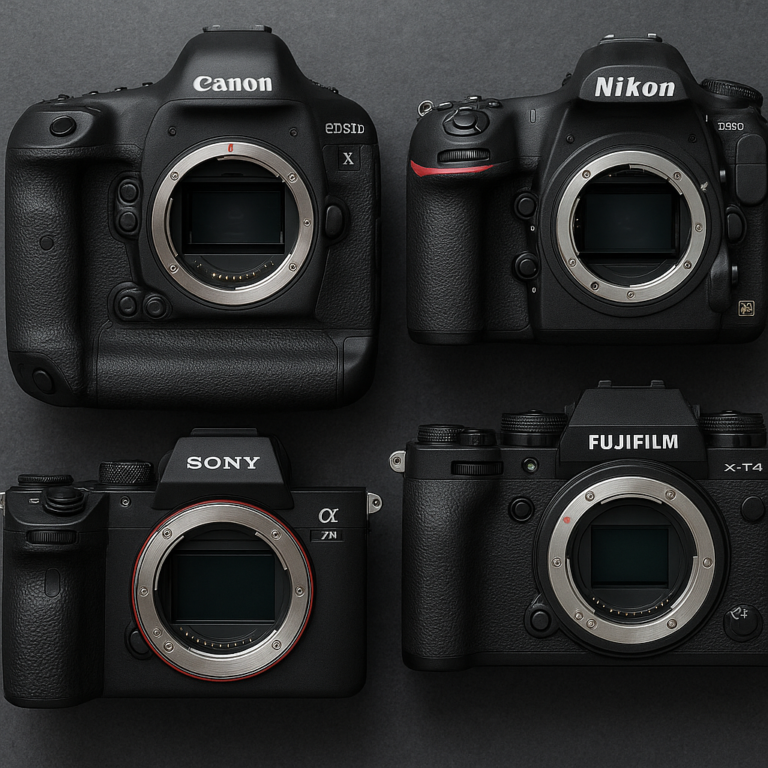
When you walk into a professional studio or a wedding venue, you will see three logos dominating the gear bags: Canon, Nikon, and Sony. These aren’t just brands; they are entire ecosystems.
But which one wins? It depends entirely on what you shoot.
The Canon Advantage: The Wedding & Portrait King
Canon has long held the crown for weding photographers and portrait shooters. Why? Their Dual Pixel CMOS AF is legendary. It’s smooth, fast, and works incredibly well with people. Plus, their color science is often praised for rendering skin tones beautifully straight out of the camera.
The Nikon Strength: The Landscape & Studio Titan
Nikon is the go-to for landscape photographers and studio shooters. Their sensors are famous for dynamic range, meaning they can recover details in shadows and highlights better than almost anyone else. If you shoot in high-contrast light (like a sunset), Nikon often gives you more data to work with in post-production.
The Sony Revolution: The Hybrid & Sports Master
Sony took the crown for sports, wildlife, and video professionals. Their autofocus tracking (Eye-AF) is so advanced it feels like cheating. If you need to track a bird in flight or a soccer player running at full speed, Sony’s AI-driven focus is currently unmatched. Plus, their lens ecosystem is the most mature, with third-party support from Sigma, Tamron, and Tokina offering affordable, high-quality options.
But wait, is there a fourth player?
Absolutely. Fujifilm has carved out a massive niche with its APS-C and Medium Format systems, beloved by street photographers and those who love the “retro” tactile experience. And Panasonic is the dark horse for pure video shooters.
👔 What Camera Brand Do Professionals Use? The Industry Standard Breakdown
So, who are the pros actually using? We analyzed data from major industry surveys, including the massive ShotKit survey of over 1,0 photographers, and the results are fascinating.
1. Why Wedding Photographers Swear by Canon’s Dual Pixel AF
If you are getting married, there’s a 30% chance your photographer is using a Canon.
The Logic:
Weding photography is unpredictable. You need a camera that locks focus on a crying bride’s eye instantly, even in a dimly lit church. Canon’s Dual Pixel AF system is the industry standard for this. It’s reliable, intuitive, and rarely misses.
The Gear:
- Top Pick: Canon EOS R5 or R6 Mark II.
- Why: The R5 offers 8K video (for highlight reels) and 45MP resolution for large prints. The R6 Mark II is the workhorse, offering incredible low-light performance and speed.
The Downside:
Canon’s RF lens mount is currently restricted. You can’t use third-party lenses (like Sigma or Tamron) with autofocus on their full-frame mirrorless bodies yet. This forces pros to buy expensive native lenses, which can break the bank.
Pro Tip: Many wedding pros still carry a backup Canon 5D Mark IV (a DSLR) because the battery life is superior and the lens selection is massive and affordable.
👉 Shop Canon Gear:
2. How Nikon’s Dynamic Range Saves the Day for Landscape Pros
Landscape photographers live in the “dynamic range” business. They need to capture a bright sky and a dark forest in the same shot.
The Logic:
Nikon sensors consistently score highest in dynamic range tests. When you push the shadows in Lightroom, a Nikon file often looks cleaner with less noise than a Canon or Sony file.
The Gear:
- Top Pick: Nikon Z8 or the legendary Nikon D850.
- Why: The Z8 is a beast, offering 8K video and 120fps burst rates. But the D850? It’s an 8-year-old DSLR that is still a top choice for landscape pros because of its 45.7MP resolution and incredible battery life.
The Downside:
Nikon’s autofocus, while improved in the Z series, still lags slightly behind Sony and Canon in tracking fast-moving subjects. If you shoot sports, this might be a dealbreaker.
👉 Shop Nikon Gear:
3. The Sony Alpha Revolution: Why Video Pros and Hybrid Shooters Choose Sony
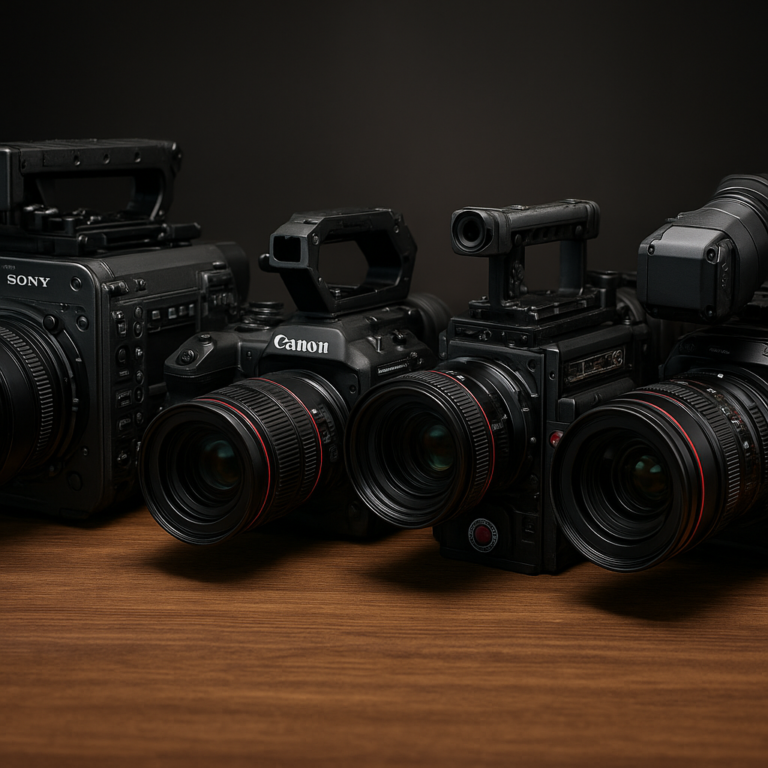
If you shoot events, sports, or documentary video, you are likely holding a Sony.
The Logic:
Sony was the first to perfect the hybrid camera. They offer the best autofocus tracking in the industry, incredible low-light performance, and a massive selection of lenses (including affordable third-party options).
The Gear:
- Top Pick: Sony a7 IV or Sony a1.
- Why: The a7 IV is the “sweet spot” for pros. It has 3MP, 4K 60p video, and the best autofocus. The a1 is the flagship, offering 50MP and 30fps burst rates.
The Downside:
Sony’s menu system is notoriously complex (though the new models have improved). Also, their color science for skin tones has historically been a bit “green,” though this has improved significantly in the a7 IV and a7R V.
👉 Shop Sony Gear:
4. The Niche Kings: Why Fujifilm and Leica Still Have a Place in Pro Kits
Not every pro wants a “tool.” Some want an instrument.
Fujifilm:
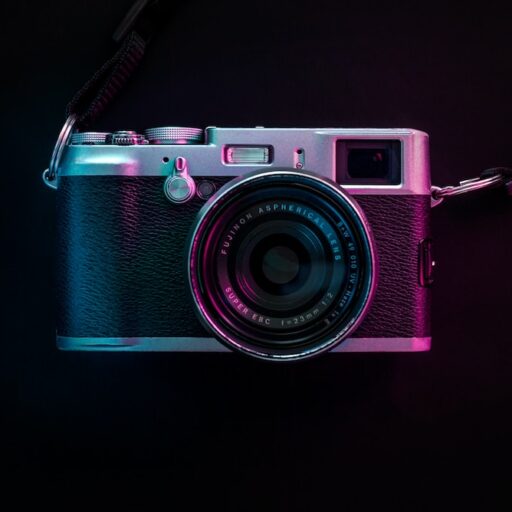
Fujifilm dominates the street photography and travel sectors. Their X-T5 and X-H2S offer incredible film simulations (like Classic Chrome and Astia) that look amazing straight out of the camera. Pros love them because they are smaller, lighter, and have physical dials that make shooting fun.
Leica:
Leica is the status symbol. Used by fine art and documentary photographers who value the optical viewfinder and the unique “Leica look.” It’s expensive, but the build quality and lens sharpness are unmatched.
👉 Shop Niche Gear:
- Fujifilm X-T5: Amazon | B&H Photo | Fujifilm USA
- Leica Q2: Amazon | B&H Photo | Leica Camera
👶 What Camera Brand Do Amateurs and Enthusiasts Prefer?
While pros are chasing the latest tech, amateurs have a different set of priorities: price, ease of use, and fun.
1. The Entry-Level Canon Rebel vs. Nikon D350: Which Starter is Best?
For years, the Canon EOS Rebel series (like the T7i or 80D) was the default for beginners. Why? The vari-angle touchscreen and the guided menu system made it easy to learn.
Nikon’s Answer: The Nikon D350 and D560. These cameras are praised for their battery life (often 1,50+ shots) and ergonomics. They are simple, robust, and produce excellent images.
The Verdict:
- Choose Canon if you want a camera that feels like a smartphone (touchscreen, easy menus).
- Choose Nikon if you want a camera that feels like a traditional tool and lasts all day one battery.
2. Why Sony’s Mirrorless Lineup is Winning Over Newbies
Amateurs are skipping the DSLR entirely and going straight to Sony mirrorless. The Sony a60 (and its successors like the a640 and a670) are incredibly popular because they offer pro-level autofocus at an amateur price.
The Appeal:
- Size: They fit in a small bag.
- Speed: The autofocus is so good that beginners rarely miss a shot.
- Lens Options: You can buy a cheap Sigma 30mm f/1.4 for $30 that looks like a pro lens.
3. The Fujifilm Aesthetic: Why Beginners Love the Retro Look
Fujifilm has a secret weapon: Style.
The Fujifilm X-T30 II and X-S20 look like vintage cameras. They have physical dials for ISO, shutter speed, and aperture. For beginners who find digital menus intimidating, these dials make photography feel tactile and fun. Plus, the film simulations mean you don’t need to edit your photos to get a great look.
👉 Shop Beginner Gear:
- Canon EOS R50: Amazon | B&H Photo | Canon USA
- Nikon Z30: Amazon | B&H Photo | Nikon USA
- Fujifilm X-S20: Amazon | B&H Photo | Fujifilm USA
🔄 Mirrorless vs. DSLR: The Great Debate for Pros and Amateurs Alike
This is the question that keeps photographers up at night: Mirrorless or DSLR?
Why Professionals Are Abandoning DSLRs for Mirrorless Speed
The shift is undeniable. 63% of professionals now use mirrorless as their primary tool.
The Reasons:
- Autofocus: Mirrorless cameras use on-sensor phase detection, allowing for eye-tracking and animal tracking that DSLRs simply can’t match.
- Silent Shooting: Essential for weddings, wildlife, and street photography. No mirror slap means noise.
- Video: Mirrorless cameras are built for video. DSLRs are often an afterthought in the video department.
- Size & Weight: A mirrorless system is significantly lighter, which matters when you’re carrying gear for 12 hours.
Why Amateurs Are Sticking with DSLRs for Battery Life and Value
Despite the hype, 46% of amateurs still use DSLRs.
The Reasons:
- Battery Life: A DSLR can easily take 1,0+ shots on a single charge. A mirrorless camera might struggle to hit 40.
- Cost: You can buy a used Canon 5D Mark III or Nikon D750 for a fraction of the price of a new mirrorless body.
- Optical Viewfinder (OVF): Some people just prefer seeing the world through glass, not a screen. It feels more “real” and has zero lag.
- Lens Selection: The used market for DSLR lenses is massive and affordable.
Comparison Table: Mirrorless vs. DSLR
| Feature | Mirrorless | DSLR |
|---|---|---|
| Autofocus Speed | ✅ Excellent (Eye-AF, Animal-AF) | ❌ Good (but limited tracking) |
| Battery Life | ❌ Average (30-60 shots) | ✅ Excellent (1,0+ shots) |
| Size/Weight | ✅ Compact & Light | ❌ Bulky & Heavy |
| Video Quality | ✅ 4K/8K, High Frame Rates | ❌ Limited (often 1080p) |
| Viewfinder | Electronic (EVF) | Optical (OVF) |
| Lens Ecosystem | Growing (Native + Adapters) | ✅ Massive (Used Market) |
| Silent Shooting | ✅ Yes | ❌ No (Mirror Slap) |
🔍 Lens Ecosystems: The Real Reason Pros Stay Loyal to a Brand
Here is the dirty little secret of the photography industry: Pros don’t switch brands because of the camera body. They switch because of the lenses.
If you are a wedding photographer with $10,0 worth of Canon EF lenses, switching to Sony means you have to buy new lenses or use adapters (which can be slow and bulky).
- Canon: Strong in portrait lenses (85mm f/1.2, 50mm f/1.2).
- Nikon: Strong in wide-angle and landscape lenses (14-24mm, 24-70mm).
- Sony: Strong in third-party support. Sigma, Tamron, and Tokina make incredible lenses for Sony E-mount that are cheaper than native lenses. This is a huge draw for pros on a budget.
The “System” Trap:
Once you invest in a system, you are locked in. This is why Canon and Nikon are fighting so hard to release new lenses for their mirrorless mounts. They know that if they lose the lens ecosystem, they lose the pro.
📸 Top Camera Models by Category: The 2024 Pro & Amateur Favorites
Let’s get specific. What are the actual models sitting in the bags of the pros right now?
The Best All-Rounder for Professionals: Sony a7 IV
Rating: 9/10
- Design: Ergonomic, robust, but menu system is still a bit cluttered.
- Functionality: 3MP sensor, 4K 60p video, incredible autofocus.
- Pros: Best-in-class autofocus, massive lens selection, great hybrid performance.
- Cons: 4K video has a crop factor, menu system is complex.
👉 Shop Sony a7 IV:
The Best for High-End Portraits: Canon EOS R5
Rating: 9.5/10
- Design: Premium build, excellent grip, intuitive menus.
- Functionality: 45MP, 8K video, 20fps burst.
- Pros: Stunning image quality, best-in-class skin tones, Dual Pixel AF.
- Cons: Expensive, limited third-party lens support, overheating in 8K.
👉 Shop Canon R5:
The Best for Studio and Landscape: Nikon Z8
Rating: 9.5/10
- Design: Rugged, integrated grip, no mechanical shutter.
- Functionality: 45.7MP, 8K video, 120fps burst.
- Pros: Incredible dynamic range, no rolling shutter, amazing video.
- Cons: Heavy, expensive, battery life could better.
👉 Shop Nikon Z8:
The Best for Street and Travel: Fujifilm X-T5
Rating: 9/10
- Design: Retro, tactile dials, beautiful finish.
- Functionality: 40MP APS-C, film simulations, IBIS.
- Pros: Fun to use, great JPEGs, compact size.
- Cons: APS-C sensor (less low-light than full-frame), no 4K 60p.
👉 Shop Fujifilm X-T5:
- Fujifilm X-T5: Amazon | B&H Photo | Fujifilm USA
💡 Quick Tips and Facts: Separating Myth from Reality
Let’s bust some myths that are floating around the internet.
- Myth: “You need a $5,0 camera to be a pro.”
Fact: No. The Sony a7 III (released in 2018) is still the #1 pro camera. It’s affordable and capable. - Myth: “DSLRs are dead.”
Fact: No. 36% of pros still use them. The Nikon D850 is a legend that will be around for decades. - Myth: “Mirrorless cameras have bad battery life.”
Fact: Getting better. The Nikon Z9 and Canon R3 have battery life that rivals DSLRs. - Myth: “You need the most megapixels.”
Fact: No. For sports, 20MP is often better than 60MP because it allows for faster burst rates and smaller file sizes.
Remember: The best camera is the one that inspires you to shoot. As one photographer put it, “Whatever brand you have, it is fine.”
🎓 Conclusion: It’s Not the Brand, It’s the Eye Behind the Lens

We’ve taken a deep dive into the world of professional camera brands, from the Canon dominance in weddings to the Sony revolution in sports and the Nikon stronghold in landscapes. We’ve seen that while mirrorless is the future, DSLRs still hold a massive place in the hearts of many pros.
But here is the truth we hinted at earlier: The brand doesn’t matter as much as you think.
Whether you choose the Sony a7 IV, the Canon R5, or the Nikon Z8, the difference in image quality between these top-tier cameras is negligible in real-world scenarios. The difference comes down to how you use them.
- Canon offers the best user experience for portraits and weddings.
- Nikon offers the best dynamic range for landscapes.
- Sony offers the best autofocus for action and video.
- Fujifilm offers the most fun for street and travel.
The Verdict:
If you are a professional, choose the system that has the lenses you need and the autofocus that matches your subject.
If you are an amateur, choose the camera that excites you to pick it up and shoot.
Don’t get paralyzed by specs. Pick a brand, learn it, and start creating. The camera is just the tool; you are the artist.
🔗 Recommended Links
Ready to upgrade your gear? Here are our top picks for where to buy the cameras and lenses we discussed.
👉 Shop Top Cameras:
- Sony a7 IV: Amazon | B&H Photo | Sony USA
- Canon EOS R5: Amazon | B&H Photo | Canon USA
- Nikon Z8: Amazon | B&H Photo | Nikon USA
- Fujifilm X-T5: Amazon | B&H Photo | Fujifilm USA
Recommended Books:
❓ FAQ: Your Burning Questions About Professional Camera Brands Answered

Are Canon or Nikon cameras more widely used among professional photographers?
According to the ShotKit survey, Nikon slightly edges out Canon among professionals (31% vs 28%). However, the gap is narrow, and Canon remains the dominant choice for weding and portrait photographers due to their superior autofocus and color science.
Read more about “📸 12 Best Fujifilm Lens Options for Capture (2026)”
What are the key features to look for in a professional-grade camera?
Pros look for reliability, weather sealing, high dynamic range, fast autofocus, and a robust lens ecosystem. Battery life and ergonomics are also critical for all-day shoots.
Read more about “🌊 10 Top Underwater Camera Brands & Features (2026)”
Which brand offers the best cameras for sports and action photography?
Sony currently leads the pack with its a9 III and a1 models, offering incredible burst rates and AI-driven subject tracking. Canon (R3) and Nikon (Z9) are also top contenders with excellent performance.
Read more about “🏆 Who Is the Most Famous Camera Company? (2026)”
What camera equipment do National Geographic photographers use?
National Geographic photographers use a mix of Canon, Nikon, and Sony bodies, often favoring the Canon EOS R5 or Nikon Z9 for their versatility. They also frequently use medium format cameras like the Fujifilm GFX for high-resolution landscape work.
Read more about “🏆 The 6 Best Camera Brands in the World (2026): Who Really Wins?”
Do professional photographers prefer mirrorless or DSLR cameras?
Yes, mirrorless is now the preferred choice for 63% of professionals. However, 36% still use DSLRs, particularly those invested in older lens systems or who prioritize battery life and optical viewfinders.
Read more about “🐜 7 Best Macro Photography Cameras & Lenses for 2026”
Which camera brand is best for wedding photography?
Canon is widely considered the best for wedding photography due to its Dual Pixel AF and excellent skin tones. The Canon EOS R5 and R6 Mark II are the top choices.
Read more about “📸 9 Best Nikon DSLR Camera Reviews (2026): The Ultimate Value Guide”
What features do professional cameras have that make them suitable for high-end photography?
Professional cameras feature dual card slots (for backup), high-speed burst rates, weather sealing, high-resolution sensors (45MP+), and advanced autofocus systems with eye-tracking.
Do professional photographers prefer Canon or Nikon cameras?
It depends on the genre. Canon is preferred for portraits and wedings, while Nikon is favored for landscapes and studio work. Both brands are equally respected in the industry.
Read more about “Do professional photographers prefer Canon or Nikon cameras?”
Which camera brand is used by most professional photographers?
Nikon holds the top spot in recent surveys (31%), followed closely by Canon (28%) and Sony (20%).
Read more about “Which camera brand is used by most professional photographers?”
What are the best camera brands for photography professionals?
The top three are Canon, Nikon, and Sony. Fujifilm and Leica are also highly regarded for specific niches like street and fine art photography.
Read more about “📸 7 Top Medium Format Camera Systems for Studio Photography (2026)”
What film cameras do professional photographers use?
While digital dominates, some pros still use film cameras like the Nikon F6, Canon EOS-1V, or Leica M6 for their unique aesthetic and tactile experience.
Read more about “What film cameras do professional photographers use?”
📚 Reference Links
- ShotKit Survey: What camera do amateur and professional photographers use?
- Digital Camera World: The best cameras for professionals
- Canon USA: Official Website
- Nikon USA: Official Website
- Sony USA: Official Website
- Fujifilm USA: Official Website
- L-Forum Discussion: What camera do amateur and professional photographers use in 202?