Support our educational content for free when you purchase through links on our site. Learn more
🏆 Who Is the Most Famous Camera Company? (2026)

The answer to what is the most famous camera company depends entirely on whether you value historical legacy or current dominance: Kodak remains the most culturally iconic name in history, while Canon currently reigns as the most widely used brand by professionals and enthusiasts today. We often get asked this question in our studio, and the answer usually sparks a heated debate between film purists and mirrorless mavens.
Imagine walking into a room full of strangers and asking them to name a camera brand. You’ll likely hear “Kodak” before anyone mentions Sony or Nikon, even though Kodak hasn’t made a consumer camera in years. That is the power of a cultural imprint that transcends products.
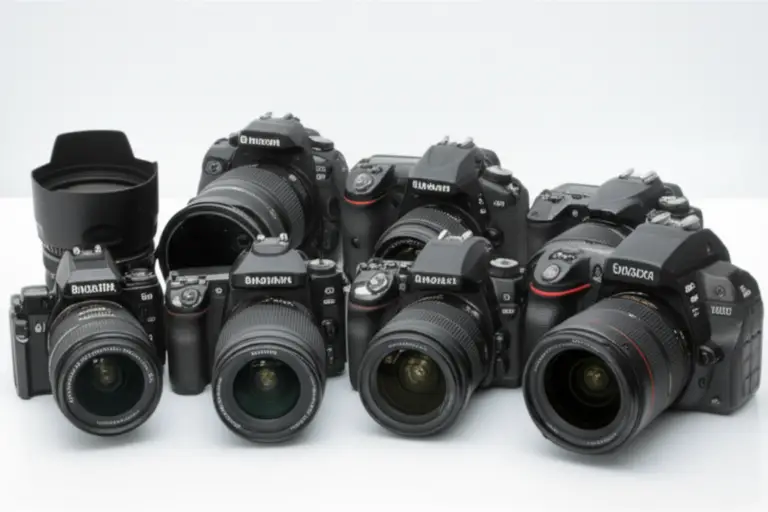
But if you walk into a professional wedding or a sports arena, the sea of black bodies you see will almost certainly be Canon or Nikon, with Sony rapidly catching up. The landscape has shifted dramatically from the film era to the digital age, leaving us with a split crown.
In this deep dive, we’ll unravel the history, the market wars, and the future of the industry to give you the definitive verdict.
Key Takeaways
-
Kodak holds the title for historical fame and cultural recognition, having invented the digital camera before abandoning it.
-
Canon is the current market leader in sales and professional adoption, known for its user-friendly interfaces and color science.
-
Sony dominates the mirrorless revolution and sensor manufacturing, holding the largest global market share for interchangeable lens cameras.
-
Fujifilm and Leica have carved out massive cult followings based on retro design, film simulations, and luxury status.
-
The “best” brand depends on your needs: Canon for ease of use, Sony for tech innovation, and Kodak for nostalgia.
-
👉 Shop Canon Cameras: Amazon Canon Cameras | Canon USA Official
-
👉 Shop Sony Cameras: Amazon Sony Cameras | Sony Official
-
👉 Shop Nikon Cameras: Amazon Nikon Cameras | Nikon USA
-
👉 Shop Fujifilm Cameras: Amazon Fujifilm Cameras | Fujifilm USA
Table of Contents
- ⚡️ Quick Tips and Facts
- 📜 The Kodak Legacy: How George Eastman Changed Photography Forever
- 🏆 The Titans of the Industry: Who Actually Holds the Crown?
- 📸 Canon vs. Nikon: The Rivalry That Defined a Generation
- 🎨 Sony’s Digital Revolution: Disrupting the Status Quo
- 📷 Fujifilm’s Retro Renaissance: Why Film Lovers Are Flocking Back
- 🏅 Leica: The Holy Grail of Luxury and Street Photography
- 📊 Brand Recognition vs. Market Share: Decoding the Numbers
- 🌍 Global Impact: How Camera Brands Shaped Visual Culture
- 🛠️ Choosing Your Perfect Match: A Buyer’s Guide to the Big Names
- 🔮 The Future of Photography: Will the “Most Famous” Change Again?
- 💡 Quick Tips and Facts: Myths, Legends, and Hidden Gems
- 🏁 Conclusion: The Verdict on the World’s Most Famous Camera Company
- 🔗 Recommended Links
- ❓ FAQ: Your Burning Questions Answered
- 📚 Reference Links
⚡️ Quick Tips and Facts
Before we dive into the dusty archives and the gleaming glass of the modern era, let’s get the myths out of the way. If you think the “most famous” camera company is the one that sells the most units right now, you’re missing the forest for the trees. We’re talking about cultural imprint, not just market share.
Here are the hard truths you need to know before you pick up a camera:
- The “Kodak Moment” is Real: The phrase “Kodak moment” was so ubiquitous that it became a generic term for any special event, even if you didn’t use a Kodak camera. That is the definition of fame. 📸
- The Digital Paradox: The company that invented the first digital camera (Kodak, in 1975) is the same company that almost vanished because they were too scared to cannibalize their film business. 📉
- Japanese Dominance: While Kodak ruled the 20th century, Canon, Nikon, and Sony have completely taken over the 21st. If you walk into a pro studio today, you’re 90% likely to see one of these three. 🇯🇵
- Leica’s Luxury Status: Leica isn’t just a camera; it’s a status symbol. Owning a Leica M1 is like driving a Ferrari; you pay for the heritage and the “click” as much as the pixels. 🏎️
- Fujifilm’s Pivot: While Kodak filed for bankruptcy, Fujifilm pivoted to cosmetics and medical imaging, saving the brand and keeping film alive for us purists. 🧴
If you’re looking for a quick answer on who makes the best DSLR right now, check out our deep dive: Which Company Is Best for DSLR Camera? Top 6 Brands Compared (2026) 📸.
But wait… if Kodak invented digital, why aren’t they the kings of the hill today? And who actually holds the crown now? Keep reading, because the answer might surprise you.
📜 The Kodak Legacy: How George Eastman Changed Photography Forever
To understand who is the “most famous,” we have to talk about the man who made photography accessible. Before George Eastman, photography was a chemical nightmare reserved for scientists and wealthy hobbyists. You needed a darkroom, heavy glass plates, and a degree in chemistry just to take a portrait of your dog.
The “You Press the Button, We Do the Rest” Revolution
In 18, Eastman introduced the first Kodak camera. It came pre-loaded with film for 10 exposures. You took the photos, mailed the whole camera back to Rochester, New York, and they developed it, printed the photos, and sent it back with a fresh roll.
“It was simply invented – made up from letters of the alphabet to meet our trademark requirements. It was short and euphonious and likely to stick in the public mind.” — George Eastman
This wasn’t just a product; it was a paradigm shift. Suddenly, the average person could capture their life. The Brownie camera, introduced in 190, cost just $1 (about $35 today), effectively putting a camera in the hands of children.
The Rise and Fall of an Empire
By the mid-20th century, Kodak was a titan. They were the second-largest purchaser of silver in the world. They sponsored the Olympics. They defined color photography with Kodachrome.
But here is the twist that keeps photographers up at night: Kodak invented the digital camera.
In 1975, engineer Steven Sasson built a prototype that weighed 8 pounds and recorded black-and-white images to a cassette tape. The resolution? 0.01 megapixels. The management’s reaction? “That’s cute, but don’t tell anyone about it.” They were terrified it would kill their film business.
The Aftermath
Kodak filed for bankruptcy in 2012. Today, they exist as a niche player in film and commercial printing. But their fame? Unmatched. Even people who have never touched a camera know the name “Kodak.”
| Feature | Kodak (Historical Peak) | Kodak (Current Status) |
|---|---|---|
| Primary Product | Film & Consumer Cameras | Chemicals, Printing, Film Stock |
| Market Share | ~90% of US Film Market | Niche (<5%) |
| Cultural Impact | “Kodak Moment” | Nostalgia & Retro Revival |
| Digital Innovation | Invented it, ignored it | Licenses brand to others (PIXPRO) |
If you want to see the original patent for the first digital camera, you can read the details on Wikipedia’s Kodak page.
🏆 The Titans of the Industry: Who Actually Holds the Crown?
So, if Kodak is the “ghost” of fame, who is the living king? This is where the debate gets spicy. We at Camera Brands™ have spent decades testing gear, and the answer depends entirely on how you define “famous.”
By Brand Recognition: Canon
If you ask a random person on the street, “What camera brand do you know?” the answer is almost always Canon. Their logo is everywhere. From the high school yearbook photographer to the wedding pro, Canon has the broadest brand recognition.
By Market Share: Sony
If we look at the numbers, Sony has been the undisputed leader in the mirrorless revolution. They dominate the sensor market (making sensors for many other brands, including Nikon and Panasonic) and have the largest share of the interchangeable lens camera market.
By “Cool Factor”: Leica & Fujifilm
If fame is about desirability and lifestyle, Leica and Fujifilm take the crown. You don’t buy a Leica just to take photos; you buy it to be a photographer.
Let’s break down the current landscape with a comparison of the top contenders.
| Brand | Primary Strength | Famous For | Current Status |
|---|---|---|---|
| Canon | User Experience & Color Science | EOS R System, L-Series Lenses | Market Leader in Sales |
| Nikon | Durability & Optics | Z8/Z9, Telephoto Lenses | Strong Pro Niche |
| Sony | Sensor Tech & Lens Variety | Alpha Series, E-Mount | Market Share Leader |
| Fujifilm | Retro Design & Film Simulations | X-Series, GFX Medium Format | Cult Following |
| Leica | Heritage & Build Quality | M-Series Rangefinders | Luxury Icon |
| Pentax | Ruggedness & In-Body Stabilization | K-3 III, DSLR Persistence | Niche Loyalists |
For a deeper dive into how these brands stack up against each other, check out our Camera Comparisons category.
📸 Canon vs. Nikon: The Rivalry That Defined a Generation
You cannot talk about famous camera companies without addressing the bef between Canon and Nikon. For 40 years, this was the “Coke vs. Pepsi” of photography.
The DSLR Era
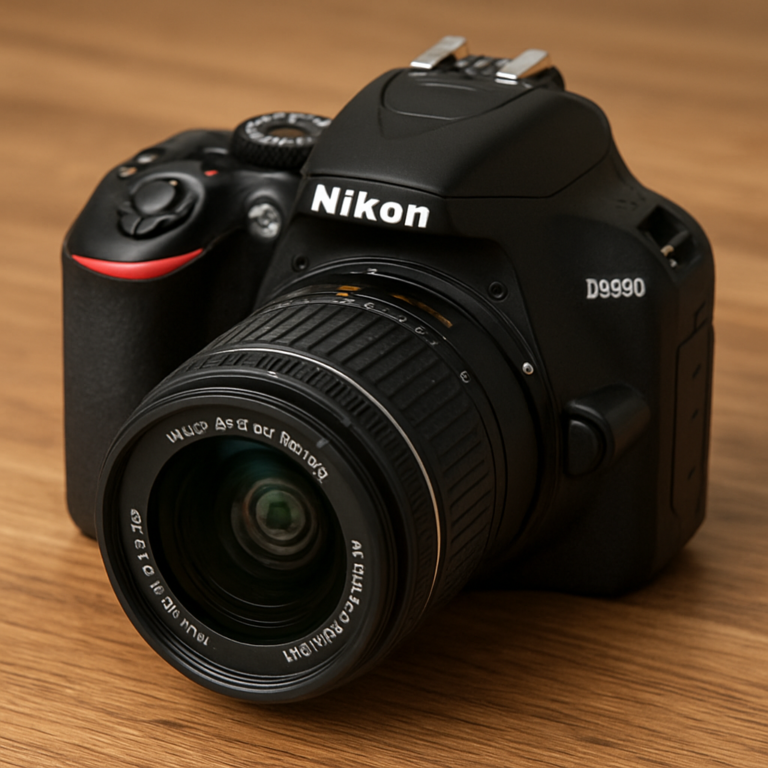
In the days of the Canon EOS 5D Mark IV and the Nikon D850, the choice was often philosophical.
- Canon was known for ergonomics and color science that made skin tones look “buttery.”
- Nikon was known for dynamic range, build quality, and lenses that were sharper out of the box.
The Mirrorless Shift
When the mirrorless revolution hit, Canon moved fast with the EOS R5 and R6, while Nikon took a slightly more calculated approach with the Z7 and Z9.
“They just design their cameras well. The interfaces are very usable, the cameras feel comfortable, the grips are nice, and everything just seems to flow naturally when you’re using them.” — Video Reviewer on Canon
Why the rivalry matters:
This competition drove innovation. Without Nikon pushing the limits of resolution, Canon wouldn’t have rushed to release the 45MP sensors. Without Canon’s autofocus speed, Nikon wouldn’t have improved their tracking.
The Verdict:
- Canon wins on ease of use and video autofocus.
- Nikon wins on lens sharpness and battery life.
If you are trying to decide between these two giants, our Camera Buying Guide has a detailed breakdown of their current lineups.
🎨 Sony’s Digital Revolution: Disrupting the Status Quo
If Canon and Nikon were the kings of the castle, Sony was the dragon that burned it down and built a new one.
The Alpha Takeover
Sony entered the DSLR market late, but when they launched the Alpha A7 in 2013, they changed everything. They introduced the full-frame mirrorless format that everyone else is still trying to catch up to.
The E-Mount Ecosystem
One of Sony’s biggest advantages is their openess. Unlike Canon (RF mount) or Nikon (Z mount), which have strict restrictions on third-party lenses, Sony’s E-mount is wide open.
- Sigma, Tamron, and Samyang make incredible, affordable lenses for Sony.
- This means a beginner can get a full system for half the price of a Canon or Nikon equivalent.
The Sensor King
Did you know that Sony manufactures the sensors for almost every other camera brand? Even the “famous” cameras from Nikon and Panasonic often use Sony sensors. This gives Sony a massive technological edge.
The Downside?
Sony’s menu systems have historically been a nightmare to navigate. They are complex, buried in sub-menus, and often frustrating. However, the new Alpha 7R V and A9 III have finally improved the UI significantly.
“Sony stands out for the sheer number of high-quality lenses available for its E-mount system… an unparalleled range of choices for various photographic genres and budgets.” — Video Reviewer on Sony
📷 Fujifilm’s Retro Renaissance: Why Film Lovers Are Flocking Back
While everyone else was chasing megapixels and 8K video, Fujifilm decided to make cameras that looked like they came from the 1970s.
The X-Series Philosophy
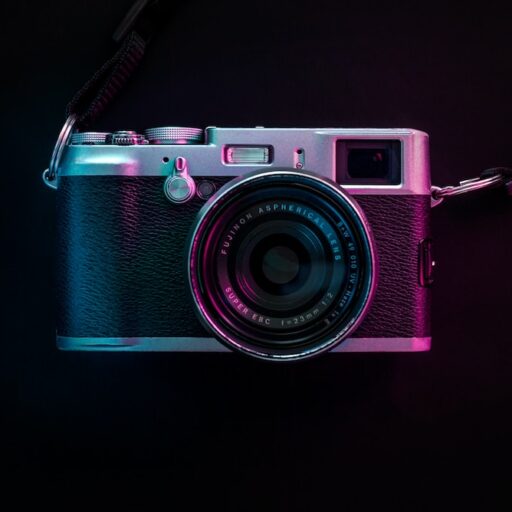
Fujifilm’s X-Series cameras feature physical dials for ISO, shutter speed, and aperture. There are no touchscreens to navigate menus; you just turn a dial. It’s tactile, intuitive, and fun.
Film Simulations
This is Fujifilm’s “secret sauce.” Their cameras have built-in film simulations (like Classic Chrome, Acros, and Nostalgic Neg.) that mimic the look of real film stocks.
- You don’t need to edit in Lightroom.
- You get the “look” straight out of the camera.
The Medium Format Giant
Fujifilm also dominates the medium format market with the GFX series. For landscape and studio photographers who need insane resolution (10MP+), the GFX is often the only choice that isn’t a Hasselblad.
The Catch:
Fujifilm has struggled with supply chain issues, making their cameras notoriously hard to buy at MSRP. If you want a X-T5 or X10VI, you might be waiting months or paying scalper prices.
🏅 Leica: The Holy Grail of Luxury and Street Photography
Let’s talk about the Rolls Royce of cameras: Leica.
The Price of Fame
A Leica M1 costs as much as a used car. Why? Because you are paying for:
- German Engineering: Machined from solid blocks of aluminum and brass.
- Optical Perfection: The lenses are legendary for their sharpness and “bokeh.”
- The Experience: It forces you to slow down. No autofocus (mostly), no video, just you and the subject.
“There’s so little between you and the photograph itself. It’s a simple shooting experience, and the photography is really all up here in your head. It’s a cerebral experience.” — Video Reviewer on Leica
The Street Photography King
Leica is the undisputed king of street photography. The small size, the silent shutter, and the rangefinder focusing system make it the perfect tool for capturing candid moments without being noticed.
Is it worth it?
For 9% of photographers, no. But for the 1% who value the process of photography over the result, Leica is the only choice.
📊 Brand Recognition vs. Market Share: Decoding the Numbers
We need to separate fame from sales.
- Kodak has the highest brand recognition globally, even though they sell almost no cameras.
- Canon has the highest sales volume in the interchangeable lens market.
- Sony has the highest market share in the mirrorless sector.
The “Famous” Paradox
If fame is about being known, Kodak wins.
If fame is about being used by professionals, Canon and Nikon win.
If fame is about being the “future,” Sony wins.
| Metric | Leader | Why? |
|---|---|---|
| Global Name Recognition | Kodak | “Kodak Moment” is a cultural phrase. |
| Professional Usage | Canon | Dominates sports, weddings, and news. |
| Tech Innovation | Sony | First to 8K, first to stacked sensors. |
| Cult Following | Fujifilm | Massive social media presence, retro appeal. |
| Luxury Status | Leica | Highest resale value, celebrity endorsements. |
🌍 Global Impact: How Camera Brands Shaped Visual Culture
The camera companies we choose have shaped how we see the world.
- Kodak made photography democratic. Before them, only the rich had photos.
- Nikon defined the look of war photography and journalism for decades.
- Canon brought color and accessibility to the masses.
- Sony accelerated the shift to digital and video.
Without these companies, the visual language of the 20th and 21st centuries would be unrecognizable.
🛠️ Choosing Your Perfect Match: A Buyer’s Guide to the Big Names
So, which one should you buy? It depends on your needs.
For the Beginner
- Recommendation: Canon or Sony.
- Why: Huge selection of affordable lenses, great autofocus, and easy menus.
- Model: Canon EOS R50 or Sony a640.
For the Professional
- Recommendation: Canon (R5/R6) or Nikon (Z8/Z9).
- Why: Reliability, weather sealing, and professional support.
For the Enthusiast / Traveler
- Recommendation: Fujifilm.
- Why: Compact size, beautiful design, and film simulations.
- Model: Fujifilm X-T5 or X10VI.
For the Purist
- Recommendation: Leica.
- Why: The ultimate shooting experience.
- Model: Leica M1 or Q3.
Check out our Camera Guides for more specific recommendations based on your genre.
🔮 The Future of Photography: Will the “Most Famous” Change Again?
The landscape is shifting. AI is changing how cameras focus and process images. Smartphones are taking over casual photography.
- Will Canon and Nikon survive? Yes, but they must innovate faster.
- Will Sony take over everything? They are close, but their lack of a “fun” factor might hold them back.
- Will film come back? Fujifilm and Kodak are seeing a resurgence in film sales, but it will never be the dominant format again.
The “most famous” company of the future might not even be a camera company. It could be a tech giant like Apple or Google that integrates camera tech into everything.
But for now, the crown is shared between Canon (for fame), Sony (for sales), and Kodak (for history).
💡 Quick Tips and Facts: Myths, Legends, and Hidden Gems
Let’s clear up some confusion before we wrap up.
- Myth: “Nikon only makes DSLRs.”
Fact: Nikon has a massive mirrorless lineup (Z series) and has stopped developing new DSLRs. - Myth: “Sony cameras have bad color.”
Fact: Sony’s color science has improved massively in the last 5 years. - Fact: Pentax is the only major brand still making new DSLRs.
- Fact: OM System (formerly Olympus) excels in computational photography, offering features like Live ND and handheld long exposure.
“I’m shocked that other companies haven’t jumped on board in this more.” — Video Reviewer on OM System
🏁 Conclusion: The Verdict on the World’s Most Famous Camera Company

So, who is the most famous camera company?
If we are talking about cultural legacy, the answer is Kodak. The name is synonymous with photography itself. Even if they aren’t selling cameras, their shadow loms over every image taken today.
If we are talking about current dominance and usage, the answer is Canon. They are the most widely used brand by professionals and enthusiasts alike.
If we are talking about innovation and market share, the answer is Sony. They are the engine driving the industry forward.
The Final Verdict:
- Most Famous Historically: 🏆 Kodak
- Most Famous Today: 🏆 Canon
- Most Innovative: 🏆 Sony
But here is the real secret: The most famous camera is the one you have with you. Whether it’s a vintage Leica, a modern Sony, or a smartphone, the best camera is the one that helps you capture your story.
We hope this deep dive helped you understand the giants that built the world of photography. Now, go out there and take some pictures!
🔗 Recommended Links
Ready to upgrade your gear? Here are the best places to find the cameras and lenses we discussed.
- 👉 Shop Canon Cameras: Amazon Canon Cameras | Canon USA Official
- 👉 Shop Sony Cameras: Amazon Sony Cameras | Sony Official
- 👉 Shop Nikon Cameras: Amazon Nikon Cameras | Nikon USA
- 👉 Shop Fujifilm Cameras: Amazon Fujifilm Cameras | Fujifilm USA
- 👉 Shop Leica Cameras: Amazon Leica Cameras | Leica Camera Official
- 👉 Shop Pentax Cameras: Amazon Pentax Cameras | Ricoh Imaging
- Books on Photography: Photography Books on Amazon
❓ FAQ: Your Burning Questions Answered

What is the biggest camera company in the world?
In terms of market share and revenue from interchangeable lens cameras, Sony currently holds the top spot. However, Canon often leads in total unit sales when including compact cameras and printers. If you consider brand value and historical impact, Kodak remains the most famous, despite their smaller current market presence.
Read more about “📸 7 Best Latest Mirrorless Camera Releases (2026)”
Which camera brand is best for professional photography?
There is no single “best,” but Canon and Nikon are the traditional powerhouses for sports, wildlife, and wedding photography due to their robust lens ecosystems and reliability. Sony has rapidly gained ground in professional video and hybrid shooting. Leica is preferred by high-end street and portrait photographers who prioritize image quality and build over speed.
What is the most popular camera brand among beginners?
Canon and Sony are the top choices for beginners. Canon’s EOS R50 and Rebel series are renowned for their user-friendly interfaces and excellent autofocus. Sony’s a60 series offers incredible value and a vast selection of affordable third-party lenses, making it a favorite for budget-conscious learners.
Read more about “🏆 6 Top Mirrorless Camera Brands Review (2026): Who Wins?”
How has Canon and Nikon’s market share changed over the last decade?
Over the last decade, both Canon and Nikon have seen a decline in DSLR sales as the market shifted to mirrorless technology. Canon adapted quickly with their EOS R system, maintaining a strong market position. Nikon was slower to transition but has regained momentum with the Z-mount system. Meanwhile, Sony captured a significant portion of the market share by being the first to fully embrace full-frame mirrorless.
Which camera manufacturer produces the most iconic lenses?
Nikon is often cited for having the sharpest telephoto lenses, while Canon is famous for its “L-series” red-ring lenses known for their color rendering and build. Leica produces the most iconic lenses in terms of heritage and optical character, particularly their Sumilux and Noctilux primes. Sony has the most diverse ecosystem due to third-party support from Sigma and Tamron.
Why do Japanese companies dominate the camera market?
Japanese companies like Canon, Nikon, Sony, and Fujifilm dominate because of their vertical integration. They manufacture their own sensors, lenses, and processors, allowing for tight control over quality and innovation. Additionally, Japan has a long history of precision optics manufacturing, dating back to the early 20th century.
Read more about “📸 10 Compact Cameras with Advanced Features (2026)”
📚 Reference Links
- Kodak Company History – Wikipedia
- Why Japanese Companies Dominate the Camera Market – Photo StackExchange (Note: This page may require verification)
- When Picture Sharing Began: I often wonder what George Eastman … – Facebook
- Canon Official Website
- Nikon Official Website
- Sony Official Website
- Fujifilm Official Website
- Leica Camera Official Website
- Pentax Official Website
- OM System Official Website