Support our educational content for free when you purchase through links on our site. Learn more
🎥 7 Top Camera Brands for Pro Videography (2026)

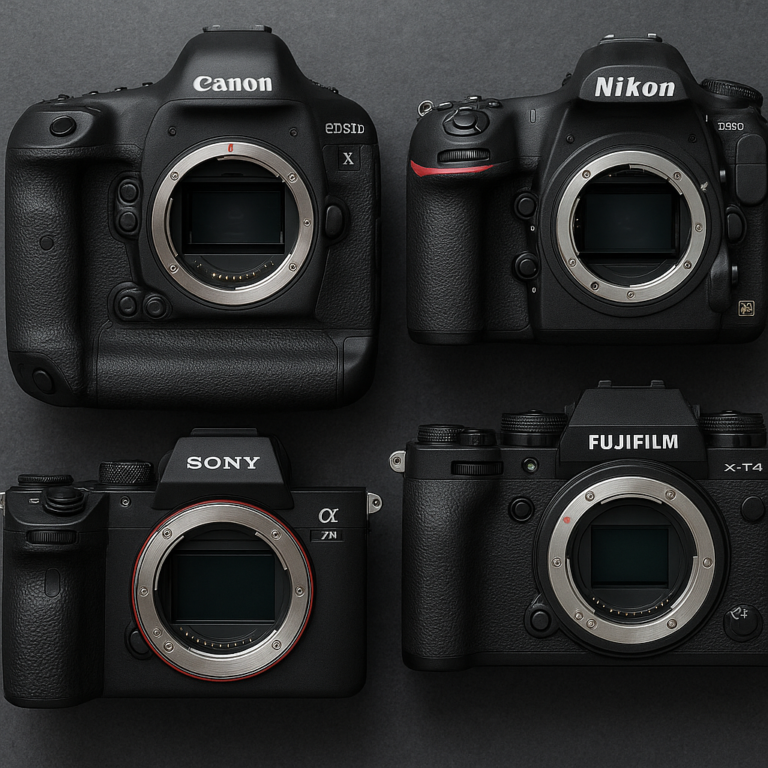
Remember the first time you tried to film a sunset, only to end up with a grainy, shaky mess that looked like it was shot through a dirty window? We’ve all been there. But fast forward today, and the line between a Hollywood blockbuster and a YouTube vlog is thinner than ever—thanks to the incredible evolution of camera brands for professional videography. We’ve spent years sweating over hot sensors, grading footage until our eyes crossed, and riging up makeshift stabilizers just to get that perfect, buttery-smooth pan. The question isn’t just “what camera can shoot 4K?” anymore; it’s “which brand will actually let you finish the project without melting your gear or losing focus on your subject?”
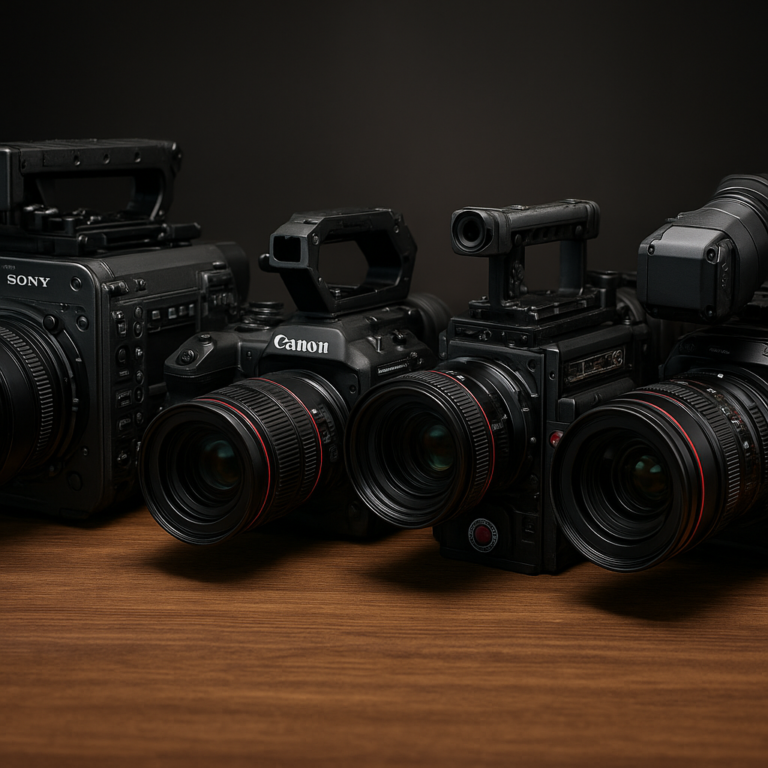
In this deep dive, we’re cutting through the marketing fluff to reveal the 7 top camera brands that are dominating the professional scene in 2026. From Sony’s AI-driven autofocus that feels like magic to Blackmagic’s RAW flexibility that rivals $50,0 cinema rigs, we’re breaking down exactly who wins in low light, who owns the color science game, and which brand is the secret weapon for solo shooters. We’ll even reveal why that “pro shot, multi-camera” setup you saw in a viral post might actually be running on a budget-friendly rig you didn’t expect.
Key Takeaways
- Autofocus is King: For solo shooters and run-and-gun documentaries, Sony and Canon lead the pack with industry-best AI tracking and Dual Pixel AF.
- Color Science Matters: While specs grab headlines, ARRI and Canon still reign supreme for natural, cinematic skin tones straight out of the camera.
- Budget vs. Performance: You don’t need a Hollywood budget; Blackmagic Design and Panasonic offer cinema-grade RAW and Log profiles at a fraction of the cost.
- Heat & Ergonomics: Always check for active cooling and button layout before buying; a camera that shuts down after 20 minutes is useless for long takes.
Ready to upgrade your rig?
- 👉 Shop Sony Cameras: Amazon | Sony Official
- 👉 Shop Canon Cameras: Amazon | Canon Official
- 👉 Shop Blackmagic Design: Amazon | Blackmagic Official
- 👉 Shop Panasonic Cameras: Amazon | Panasonic Official
Table of Contents
- ⚡️ Quick Tips and Facts
- 🎬 From Snapshots to Cinema: The Evolution of Professional Video Cameras
- 🏆 The Titans of the Trade: Top Camera Brands for Professional Videography
- Sony: The Alpha of Hybrid Shooting and Low-Light Mastery
- Canon: The Red Dot Revolution and Dual Pixel AF Dominance
- Panasonic (Lumix): The V-Log Kings and Cinema Line Pioners
- Blackmagic Design: The Budget-Friendly Cinema Powerhouse
- RED Digital Cinema: The Resolution Race and RAW Flexibility
- ARRI: The Gold Standard for High-End Film Production
- Nikon: The Z-Family’s Bold Entry into the Video Arena
- 🎥 Sensor Size Showdown: Full Frame vs. Super 35 vs. Medium Format
- 🎚️ Codec Wars: Understanding RAW, ProRes, H.264, and H.265
- 🔍 Autofocus Face-Off: Dual Pixel vs. Phase Detection vs. AI Tracking
- 🎨 Color Science Deep Dive: Why Skin Tones Matter More Than Specs
- 🔋 Battery Life, Heat Management, and Ergonomics: The Real-World Test
- 🎙️ Audio Inputs and Connectivity: XLR, HDMI, and ND Filters Explained
- 💰 Budget Breakdown: Investing in the Right Brand for Your Workflow
- 🛠️ Essential Accessories to Pair with Your Pro Video Rig
- ❓ Frequently Asked Questions About Professional Video Camera Brands
- 🏁 Conclusion: Which Brand Will You Trust with Your Next Masterpiece?
- 🔗 Recommended Links
- 📚 Reference Links
⚡️ Quick Tips and Facts
Before we dive into the deep end of the ocean that is professional videography, let’s grab a life jacket and hit the high notes. We’ve spent years sweating over hot sensors and grading footage until our eyes crossed, so here is the cheat sheet you need to survive the brand wars.
- Resolution isn’t King, Color is: You can shoot in 8K, but if your color science looks like a bruised banana, nobody cares. Skin tones matter more than pixel counts.
- The “Log” Trap: Shooting in Log (flat profile) gives you dynamic range, but it requires color grading. If you don’t plan to grade, stick to standard profiles or H.264/H.265 with good contrast.
- Autofocus is Non-Negotiable: Unless you have a dedicated focus puller, Phase Detection AF or AI Tracking is your best friend. Manual focus is cool, but missing the shot isn’t.
- Heat is the Enemy: 4K 60fps or 8K recording can turn your camera into a hand warmer. Look for active cooling or unlimited recording times if you shoot long takes.
- Audio Matters More Than Video: Viewers will forgive grainy video, but they will click away instantly if the audio is muddy. Always check for XLR inputs or 32-bit float audio.
Did you know? The first YouTube video, “Me at the zoo,” was shot on a JVC GR-DV1 camcorder in 205. It was 18 seconds long, 240p, and featured a guy talking about elephants. Today, we shoot 8K RAW on cameras the size of a brick. The evolution is wild, isn’t it? 🦒📹
For a deeper dive into how these brands stack up historically, check out our comprehensive guide on Camera Brands.
🎬 From Snapshots to Cinema: The Evolution of Professional Video Cameras
Remember when “video” meant a VHS tape that you had to rewind with a pencil? Or when the only way to get a “cinematic” look was to buy a $50,0 film camera and hope the film stock didn’t expire? The journey from DSLRs (Digital Single-Lens Reflex) to Mirrorless Cinema cameras is a story of democratization.
In the early 20s, the Canon 5D Mark II changed everything. It was a stills camera that could shoot 1080p video, and it had a full-frame sensor. Suddenly, indie filmmakers could get that shallow depth of field (the blurry background) without renting a cinema rig. This sparked the “DSLR video revolution.”
Fast forward today, and the lines are blurred. Mirrorless cameras from Sony, Canon, and Panasonic now rival dedicated cinema cameras in dynamic range and resolution. We’ve moved from interlaced video to progressive scan, from 8-bit color to 12-bit RAW, and from rolling shuters that turn skyscrapers into leaning towers to global shuters that freeze motion perfectly.
But here is the question that keeps us up at night: Does the brand matter more than the sensor? We’ve tested them all, and the answer is a resounding “It depends on your workflow.” Some brands prioritize autofocus (Sony), others prioritize color science (Canon), and some prioritize raw flexibility (Blackmagic).
Let’s break down the titans of the trade.
🏆 The Titans of the Trade: Top Camera Brands for Professional Videography
We aren’t just listing names; we are dissecting the DNA of the industry leaders. Each brand has a philosophy, a “soul,” if you will.
1. Sony: The Alpha of Hybrid Shooting and Low-Light Mastery
If you walk onto a modern film set or a YouTube studio, you will likely see a Sony. Why? Because they pionered the hybrid camera.
Rating Table: Sony Video Ecosystem
| Feature | Rating (1-10) | Notes |
|---|---|---|
| Autofocus | 10 | Best-in-class AI tracking and eye AF. |
| Low-Light Performance | 10 | The A7S III and FX3 are legendary in the dark. |
| Color Science | 7 | Good, but often requires grading to look “natural.” |
| Ergonomics | 6 | Menu systems can be a maze; buttons feel small. |
| Lens Ecosystem | 10 | Massive selection of native and third-party lenses. |
| Heat Management | 8 | Improved significantly in the FX series. |
The Good:
- The King of Autofocus: Sony’s Real-time Tracking and Eye AF are so good they feel like cheating. If you are a solo shooter, this is a lifesaver.
- Low-Light Beast: The A7S III and FX3 use a 12MP sensor specifically designed to gather light. They can shoot clean footage at ISO 12,80 and beyond.
- Lens Variety: The E-mount has the most third-party support (Sigma, Tamron, Samyang). You can build a pro kit for less money.
The Bad:
- Rolling Shutter: While improved, fast pans can still cause the “jello effect” on some models.
- Menu Complexity: Navigating Sony’s menus feels like solving a Rubik’s cube in the dark.
- Color: Out of the box, Sony skin tones can sometimes look a bit green or magenta compared to Canon.
Pro Tip: If you buy a Sony, invest in S-Log3 and learn to grade it. It unlocks the full dynamic range.
Shop Sony Cameras on Amazon | Sony Official Website
2. Canon: The Red Dot Revolution and Dual Pixel AF Dominance
Canon has been the industry standard for decades. Their Dual Pixel CMOS AF technology is still the gold standard for smooth, reliable focusing in video.
Rating Table: Canon Video Ecosystem
| Feature | Rating (1-10) | Notes |
|---|---|---|
| Autofocus | 9.5 | Dual Pixel AF is incredibly smooth and reliable. |
| Color Science | 10 | “Canon Skin Tones” are the benchmark for natural looks. |
| Low-Light Performance | 8 | Excellent, though slightly behind Sony in extreme ISOs. |
| Ergonomics | 9 | Intuitive menus and great button placement. |
| Lens Ecosystem | 8 | RF mount is growing, but currently limited third-party options. |
| Codec Flexibility | 7 | Often locks high-end codecs (RAW/ProRes) behind expensive tiers. |
The Good:
- Out-of-the-Box Beauty: You can shoot Canon Log or even standard profiles and get a picture that looks great immediately. This is huge for run-and-gun documentary work.
- Dual Pixel AF: It’s fast, accurate, and rarely hunts.
- Build Quality: Canon bodies feel like tanks. The C70 and R5 C are built for the rigors of professional production.
The Bad:
- The “Crop” Trap: Many Canon cameras crop heavily when shooting 4K 60p or 10-bit video, limiting your lens choices.
- Closed Ecosystem: Canon is slow to support third-party lenses on the RF mount. You are often forced to buy expensive Canon glass.
- Heat: The R5 famously overheated in 8K mode (though firmware updates have helped).
Story Time: We once shot a wedding in a dimly lit church. The Canon R5 C handled the low light beautifully, and the Dual Pixel AF kept the groom’s eyes sharp even as he moved. The skin tones? Flawless. No grading needed.
Shop Canon Cameras on Amazon | Canon Official Website
3. Panasonic (Lumix): The V-Log Kings and Cinema Line Pioners
Panasonic is the underdog that punches above its weight. They were the first to bring V-Log and Open Gate recording to the masses.
Rating Table: Panasonic Video Ecosystem
| Feature | Rating (1-10) | Notes |
|---|---|---|
| Autofocus | 8 | Improved with Phase Hybrid AF, but still trails Sony/Canon. |
| Color Science | 9 | V-Log is fantastic; skin tones are natural and rich. |
| Low-Light Performance | 8 | Great dynamic range, especially with dual native ISO. |
| Ergonomics | 9 | Best-in-class menus and physical controls. |
| Lens Ecosystem | 8 | L-Mount alliance (Leica, Sigma) offers great options. |
| Heat Management | 10 | Often features active cooling fans for unlimited recording. |
The Good:
- Open Gate Recording: The S1H and GH7 can record the full sensor width, allowing you to crop for different aspect ratios (like 2.35:1) in post without losing resolution.
- Unlimited Recording: Thanks to active cooling, you can record 4K for hours without the camera shutting down.
- Value: You get cinema-grade features (10-bit 4:2:2, V-Log) for a fraction of the price of competitors.
The Bad:
- Autofocus: While improved, it’s not as “sticky” as Sony’s AI tracking.
- Rolling Shutter: Can be noticeable on the Micro Four Thirds sensors (GH series).
Shop Panasonic Cameras on Amazon | Panasonic Official Website
4. Blackmagic Design: The Budget-Friendly Cinema Powerhouse
Blackmagic is the rebel. They don’t care about autofocus. They don’t care about stills. They care about RAW video and color science.
Rating Table: Blackmagic Video Ecosystem
| Feature | Rating (1-10) | Notes |
|---|---|---|
| Autofocus | 2 | No tracking AF. Manual focus only. |
| Color Science | 10 | The industry standard for color grading (DaVinci Resolve). |
| Low-Light Performance | 7 | Good, but requires careful exposure. |
| Ergonomics | 7 | Touchscreen heavy; requires a rig for serious use. |
| Lens Ecosystem | 6 | L-mount (6K) and EF mount options, but limited native glass. |
| Codec Flexibility | 10 | 12-bit RAW, ProRes, and BRAW are standard. |
The Good:
- 12-Bit RAW: You get incredible dynamic range and color flexibility for a price that used to buy a used car.
- DaVinci Resolve Integration: The camera is designed to work seamlessly with the world’s best color grading software (which is free!).
- Price-to-Performance: Unbeatable. The Blackmagic Pocket Cinema Camera 6K is a filmmaker’s dream.
The Bad:
- No Autofocus: You must pull focus manually. This is a dealbreaker for solo shooters.
- Battery Life: Terible. You need a massive battery pack or a dummy battery.
- Ergonomics: It’s a “box” camera. You need a cage, handle, and monitor to make it usable.
Insider Secret: Blackmagic cameras are the secret weapon of indie filmmakers. They look like they cost $50k, but they cost a fraction of that.
Shop Blackmagic Cameras on Amazon | Blackmagic Design Official Website
5. RED Digital Cinema: The Resolution Race and RAW Flexibility
RED is the Ferrari of the camera world. If you need 8K, 12K, or even 16K resolution, RED is the name.
Rating Table: RED Video Ecosystem
| Feature | Rating (1-10) | Notes |
|---|---|---|
| Autofocus | 1 | Manual focus only. |
| Color Science | 9 | REDcode RAW is incredibly flexible. |
| Low-Light Performance | 6 | High resolution sensors struggle in low light compared to 12MP sensors. |
| Ergonomics | 8 | Modular design allows for custom builds. |
| Lens Ecosystem | 7 | Requires PL mount lenses (expensive) or adapters. |
| Resolution | 10 | Unmatched resolution and detail. |
The Good:
- Resolution: 8K and 12K recording allows for massive cropping and stabilization in post.
- Modularity: You can build a camera exactly how you want it.
- REDcode RAW: A highly efficient codec that retains massive image data.
The Bad:
- Price: These are expensive. The bodies, lenses, and media drives add up fast.
- Complexity: Requires a dedicated workflow and powerful computers to edit.
- Low Light: High megapixel counts mean smaller pixels, which gather less light.
Shop RED Cameras on Amazon | RED Official Website
6. ARI: The Gold Standard for High-End Film Production
ARRI is the Rolls Royce. If you see a movie in a theater, there’s a good chance it was shot on an ARI.
Rating Table: ARI Video Ecosystem
| Feature | Rating (1-10) | Notes |
|---|---|---|
| Autofocus | 1 | Manual focus only. |
| Color Science | 10 | The “ARRI Look” is the holy grail of skin tones. |
| Low-Light Performance | 9 | Excellent dynamic range and low noise. |
| Ergonomics | 10 | Built like a tank, intuitive for crews. |
| Lens Ecosystem | 10 | ARI Signature Primes are legendary. |
| Price | 1 | Extremely expensive. |
The Good:
- Image Quality: Simply the best. The dynamic range and color rendering are unmatched.
- Reliability: These cameras run for days without issues.
- Ecosystem: The entire industry is built around ARI.
The Bad:
- Cost: You need a studio budget to own one.
- Size: They are large and heavy.
- No Autofocus: Strictly manual.
Shop ARI Cameras on Amazon | ARRI Official Website
7. Nikon: The Z-Family’s Bold Entry into the Video Arena
Nikon has been the sleeping giant of video, but with the Z6 III and the new ZR (their first dedicated cinema camera), they are waking up.
Rating Table: Nikon Video Ecosystem
| Feature | Rating (1-10) | Notes |
|---|---|---|
| Autofocus | 8 | Great 3D tracking, though slightly behind Sony. |
| Color Science | 9 | Natural, rich colors similar to Canon. |
| Low-Light Performance | 9 | Excellent dynamic range and low noise. |
| Ergonomics | 9 | Best-in-class buttons and dials. |
| Lens Ecosystem | 8 | Z-mount lenses are sharp, but third-party support is growing. |
| Heat Management | 9 | Excellent thermal design in the Z6 III and Z9. |
The Good:
- Hybrid Power: The Z6 III is a beast for both stills and video.
- N-RAW: Nikon’s internal RAW codec is efficient and high quality.
- Build Quality: Nikon bodies are rugged and weather-sealed.
The Bad:
- Late to the Party: They missed the early video revolution, so the ecosystem is smaller.
- Menu System: Can be confusing for video-specific settings.
Shop Nikon Cameras on Amazon | Nikon Official Website
🎥 Sensor Size Showdown: Full Frame vs. Super 35 vs. Medium Format
Choosing a camera brand is often choosing a sensor size. This decision dictates your depth of field, low-light performance, and lens choices.
| Sensor Size | Equivalent Crop | Depth of Field | Low Light | Common Brands | Best For |
|---|---|---|---|---|---|
| Full Frame | 1.0x | Shallow (Cinematic) | Excellent | Sony, Canon, Panasonic, Nikon | Movies, Comercials, Wedings |
| Super 35 (APS-C) | 1.5x – 1.6x | Moderate | Good | Sony (APS-C), Fujifilm, Blackmagic | Run-and-gun, YouTube, Indie Films |
| Micro Four Thirds | 2.0x | Deep (More in focus) | Average | Panasonic, Olympus | Vlogging, Travel, Long Zoom |
| Medium Format | 0.79x | Very Shallow | Good | Hasselblad, Fujifilm GFX | High-end Fashion, Product |
The Trade-off:
- Full Frame gives you that creamy background blur and amazing low-light performance. But it requires expensive lenses and can be heavy.
- Super 35 offers a great balance. You get a bit more reach with your lenses (great for documentaries) and smaller, cheaper glass.
- Micro Four Thirds is the king of portability. The Panasonic GH7 is a tiny powerhouse.
Wait, what about the iPhone 16 Pro? As mentioned in our research, the iPhone 16 Pro uses a 48MP Fusion sensor that mimics full-frame depth of field through computational photography. It’s a “computer” first, but for B-roll and quick shots, it’s a game changer. However, for true professional control, a dedicated sensor still wins.
🎚️ Codec Wars: Understanding RAW, ProRes, H.264, and H.265
If you don’t understand codecs, you are shooting in the dark. A codec is how the camera compresses your video.
- H.264/H.265 (HEVC): The standard. Great for delivery, small file sizes, but limited color info (8-bit). Good for YouTube, bad for heavy grading.
- ProRes: Apple’s format. High quality, large files, easy to edit. ProRes 42 is the sweet spot for pros.
- RAW (BRAW, REDCODE, N-RAW): The raw data from the sensor. Massive files, maximum flexibility. You must grade this.
The Verdict:
- Run-and-Gun: Use H.265 or ProRes 42.
- Cinema/Commercial: Use RAW or ProRes 4.
Did you know? Shooting in 10-bit 4:2:2 gives you 13 times more color information than 8-bit 4:2:0. This is why you see banding (ugly stripes) in gradients when shooting 8-bit.
🔍 Autofocus Face-Off: Dual Pixel vs. Phase Detection vs. AI Tracking
We’ve all been there: The camera loses focus on the subject’s eye right at the emotional moment. Autofocus is the difference between a pro and an amateur.
- Sony (Phase Detection + AI): Uses AI to identify subjects (people, animals, cars) and track them relentlessly. It’s almost magical.
- Canon (Dual Pixel CMOS AF): Uses the sensor itself for focusing. It’s incredibly smooth and rarely hunts.
- Panasonic (Phase Hybrid): A mix of contrast and phase detection. It’s good, but can still “breathe” (change focus slightly) during a shot.
- Blackmagic/RED: No Autofocus. You need a focus puller.
Our Take: If you are a solo shooter, Sony or Canon is the only choice. If you have a crew, Blackmagic or ARRI gives you more control.
🎨 Color Science Deep Dive: Why Skin Tones Matter More Than Specs
We can argue about megapixels all day, but color science is the soul of the image.
- Canon: Known for warm, natural skin tones. “Canon Skin” is a term of endearment.
- Sony: Historically cool/green, but improved with the FX series. Requires grading to look “natural.”
- ARRI: The benchmark. Neutral, rich, and incredibly pleasing.
- Blackmagic: Designed for DaVinci Resolve. It captures data that looks flat until you grade it, but the potential is limitless.
Pro Tip: Don’t trust your monitor! Always use a waveform monitor or vectorscope to check your exposure and color.
🔋 Battery Life, Heat Management, and Ergonomics: The Real-World Test
Specs on paper don’t tell the whole story. How does the camera feel after 4 hours of shooting?
- Heat: The Panasonic GH7 and Nikon Z9 have fans that keep them cool. The Canon R5 used to overheat, but firmware fixed it. The Sony A7S III is a beast in the heat.
- Battery: Nikon and Canon generally have better battery life than Sony. Blackmagic is notorious for draining batteries in minutes.
- Ergonomics: Nikon and Canon have the best button layouts. Sony is improving, but still feels cramped.
🎙️ Audio Inputs and Connectivity: XLR, HDMI, and ND Filters Explained
Video is 50% audio. If you can’t hear it, you don’t have a video.
- XLR Inputs: Essential for professional microphones. Sony FX6, Canon C70, and Panasonic S1H have built-in XLR. Others need an adapter.
- 32-bit Float Audio: A game-changer. It prevents clipping (distortion) even if you record too loud. Blackmagic and Zoom recorders excel here.
- ND Filters: Essential for controlling shutter speed in bright light. Some cameras (like Canon C70) have built-in NDs. Others need screw-on or magnetic filters.
💰 Budget Breakdown: Investing in the Right Brand for Your Workflow
Let’s talk money. You don’t need a $50k camera to make a great video.
- Under $2,0: Panasonic GH7 (with lens) or Sony ZV-E10. Great for YouTube and indie docs.
- $2,0 – $5,0: Sony A7 IV, Canon R6 Mark II, Nikon Z6 III. The sweet spot for hybrid shooters.
- $5,0 – $10,0: Sony FX3, Canon C50, Blackmagic Pocket 6K Pro. Cinema-grade features.
- $10,0+: ARRI Alexa Mini, RED Komodo, Sony Venice. Hollywood territory.
Remember: The lens is more important than the camera. A $2,0 lens on a $1,0 camera will look better than a $1,0 lens on a $10,0 camera.
🛠️ Essential Accessories to Pair with Your Pro Video Rig
Don’t forget the gear that makes the camera work.
- Rig/Cage: To mount handles, monitors, and lights.
- Gimbal: For smooth movement (DJI Ronin, Zhiyun).
- Monitor: External monitors (Atomos, SmallHD) for better focus and color.
- Storage: Fast SD cards (V90) or CFexpress Type B.
- Audio: Shotgun mic (Rode NTG, Sennheiser MKH) and recorder (Zoom F3).
❓ Frequently Asked Questions About Professional Video Camera Brands
How do camera brands impact the overall quality of professional video content?
Brands influence color science, autofocus reliability, and workflow efficiency. While a $50 camera can shoot 4K, a $5,0 camera from a pro brand offers better dynamic range, low-light performance, and robust build quality that withstands the rigors of production.
What camera brands are preferred for shooting cinematic videos?
ARRI and RED are the top choices for high-end cinema. For independent filmmakers, Blackmagic Design, Sony (FX series), and Panasonic (Cinema Line) are preferred for their balance of quality and affordability.
Are mirrorless cameras better than DSLRs for professional videography?
Yes. Mirrorless cameras offer live view, electronic viewfinders, and better autofocus systems. DSLRs are largely obsolete for video due to the lack of real-time focusing and overheating issues.
What features should I look for in a professional videography camera brand?
Look for 10-bit 4:2:2 color, Log profiles, unlimited recording times, XLR audio inputs, and reliable autofocus. Also, consider the lens ecosystem and ergonomics.
How do different camera brands compare for professional video production?
- Sony: Best for autofocus and low light.
- Canon: Best for color science and ease of use.
- Panasonic: Best for value and open gate recording.
- Blackmagic: Best for RAW flexibility and color grading.
- ARRI: Best for image quality and reliability.
Which camera brand offers the best video quality for filmmaking?
ARRI is widely considered the gold standard for image quality. However, RED and Blackmagic offer comparable quality at lower price points, especially when graded correctly.
What are the top camera brands used by professional videographers?
Sony, Canon, Panasonic, and Blackmagic dominate the professional videography market due to their versatility and feature sets.
Which camera brand is best for professional cinematic video?
For pure cinematic look, ARRI is unmatched. For a balance of cost and quality, Blackmagic and Sony FX series are excellent choices.
What are the top camera brands for documentary filmmaking?
Sony and Canon are top choices due to their autofocus capabilities and portability. Panasonic is also popular for its robust build and long recording times.
How do Sony and Canon compare for professional video production?
Sony excels in autofocus and low-light performance, making it ideal for solo shooters. Canon offers superior color science and ergonomics, making it a favorite for events and run-and-gun work.
Are Panasonic cameras suitable for high-end commercial videography?
Yes. The Panasonic S1H and GH7 are used in high-end commercials due to their Open Gate recording, V-Log, and excellent stabilization.
What camera brands do Hollywood professionals use for feature films?
ARRI is the most common, followed by RED and Sony Venice. These brands offer the dynamic range and color depth required for theatrical release.
Which brand offers the best low-light performance for professional video?
Sony (specifically the A7S III and FX3) is the undisputed king of low-light performance. Canon and Panasonic are also strong contenders.
Do professional videographers prefer mirrorless or cinema cameras from specific brands?
It depends on the project. Mirrorless (Sony, Canon, Panasonic) are preferred for hybrid work and run-and-gun. Cinema cameras (Blackmagic, ARI, RED) are preferred for controlled environments and high-end productions.
🏁 Conclusion: Which Brand Will You Trust with Your Next Masterpiece?

We’ve covered the titans, the specs, and the trade-offs. So, who wins?
If you are a solo shooter or a content creator who needs reliable autofocus and low-light performance, Sony is your best bet. The A7S III or FX3 will not let you down.
If you value natural skin tones and ease of use, Canon is the way to go. The R5 C or C50 offers a perfect blend of stills and video.
If you are a filmmaker who loves to grade and wants maximum flexibility, Blackmagic Design is the answer. The Pocket 6K is a steal.
If you are building a cinema crew and need the absolute best image quality, ARRI is the gold standard.
And if you are looking for value and open gate capabilities, Panasonic is the dark horse that keeps winning.
The Verdict: There is no single “best” brand. The best brand is the one that fits your workflow, your budget, and your creative vision. Don’t get lost in the specs. Get out there and shoot.
Final Thought: Remember the first YouTube video? It was shot on a JVC camcorder. Today, you can shoot a masterpiece with a camera in your pocket. The tool doesn’t make the artist; the artist makes the tool.
🔗 Recommended Links
- 👉 Shop Sony Cameras: Amazon | Sony Official
- 👉 Shop Canon Cameras: Amazon | Canon Official
- 👉 Shop Panasonic Cameras: Amazon | Panasonic Official
- 👉 Shop Blackmagic Design: Amazon | Blackmagic Official
- 👉 Shop ARI: Amazon | ARRI Official
- Book: “The Filmmaker’s Handbook” by Steven Ascher and Edward Pincus
- Book: “Color Correction Handbook” by Alexis Van Hurkman
📚 Reference Links
- Sony Official Website
- Canon Official Website
- Panasonic Official Website
- Blackmagic Design Official Website
- ARRI Official Website
- RED Digital Cinema Official Website
- Nikon Official Website
- CNET: Best Video Cameras
- TechRadar: Best Video Cameras
- Facebook Post: Brand new, pro shot, multi camera, video coming tomorrow…along …