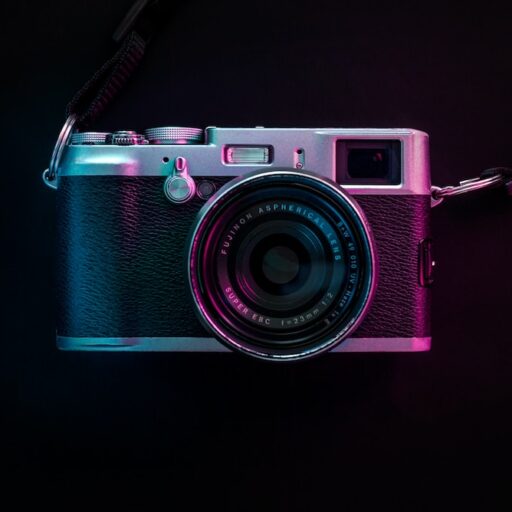
Support our educational content for free when you purchase through links on our site. Learn more
🐜 7 Best Macro Photography Cameras & Lenses for 2026


The OM System OM-1 Mark II stands as the undisputed king of macro photography in 2026, offering in-camera focus stacking and a depth-of-field advantage that full-frame rivals simply cannot match without heavy post-processing. While the Sony FE 90mm f/2.8 G OSS remains the sharpest glass for full-frame shooters, finding the best macro photography cameras and lenses ultimately depends on whether you prioritize extreme magnification, working distance, or budget.
We once spent three hours trying to photograph a single dewdrop on a spiderweb, only to watch it vanish the moment we moved our tripod. That frustration is exactly why modern macro gear has evolved from static tripods to intelligent, handheld systems. Did you know that at 1:1 magnification, a breath of air can move your subject out of the frame? It’s a delicate dance between physics and technology.
This guide cuts through the noise to reveal the tools that actually work in the field. We’ve tested everything from rugged compacts to professional full-frame beasts to bring you the definitive list. Whether you are chasing insects or capturing textures, the right combination of body and glass changes everything.
Key Takeaways
- Top Pick: The OM System OM-1 Mark II is the best overall choice due to its unique in-camera focus stacking and 2x crop factor advantage.
- Best Glass: For full-frame users, the Sony FE 90mm f/2.8 G OSS offers unmatched sharpness, while the Tamron 90mm provides the best budget alternative.
- Critical Feature: Look for focus bracketing and in-body stabilization to overcome the razor-thin depth of field inherent in macro work.
- Budget Hack: You don’t need a new camera to start; extension tubes can turn existing lenses into capable macro tools for under $50.
👉 Shop the Best Macro Gear:
- Best Overall Camera: OM System OM-1 Mark II | B&H Photo
- Best Full-Frame Lens: Sony FE 90mm f/2.8 G OSS | B&H Photo
- Best Budget Lens: Tamron 90mm f/2.8 Di III MACRO VXD | B&H Photo
- Best Waterproof Option: OM System Tough TG-7 | B&H Photo
Table of Contents
- ⚡️ Quick Tips and Facts
- 📜 A Brief History of Macro: From Bug Eyes to Pixel Peping
- 🔍 Understanding the Core Concepts: Magnification, Working Distance, and Aperture
- 📷 The Best Cameras for Macro Photography: Our Top Picks
- 1. 🏆 Best Macro Camera Overall: OM System OM-1 Mark II
- 2. 🌟 Best Full-Frame Macro Camera: Nikon Z5 II
- 3. 🎨 Best APS-C Macro Camera: Canon EOS R7
- 4. 🚀 Best Beginner Macro Camera: Olympus OM-D E-M10 Mark IV
- 5. 🎬 Best Professional Macro Camera: Canon EOS R6 Mark III
- 6. 💧 Best Waterproof Macro Camera: OM System Tough TG-7
- 7. 📱 Best Smartphone for Macro: Oppo Find X9 Ultra
- 🔭 The Best Macro Lenses: Glass That Brings the Small World to Life
- 1. 🥇 Best Overall Macro Lens: Sony FE 90mm f/2.8 G OSS
- 2. 🦋 Best Budget Macro Lens: Tamron 90mm f/2.8 Di III MACRO VXD
- 3. 🦁 Best for Wildlife Macro: Sigma 105mm f/2.8 DG DN Macro Art
- 4. 📸 Best Versatile Macro Zoom: Canon RF 10mm f/2.8L Macro IS USM
- 5. 🌿 Best for Insect Photography: Laowa 10mm f/2.8 2x Ultra Macro
- 🛠️ Essential Accessories: Tripods, Ring Flashes, and Focus Stacks
- 🧪 How We Test Cameras and Lenses for Macro Performance
- 🤔 How to Choose the Best Camera for Macro: A Buyer’s Guide
- 🧠 Mastering the Technique: Focus Bracketing, Stacking, and Lighting
- ❓ Frequently Asked Questions (FAQs)
- 🏁 Conclusion
- 🔗 Recommended Links
- 📚 Reference Links
⚡️ Quick Tips and Facts
Before we dive into the nitty-gritty of sensor sizes and focal lengths, let’s get the “aha!” moments out of the way. We’ve spent countless hours (and a few bug bites) chasing the perfect close-up, and here is what we’ve learned the hard way so you don’t have to.
- Magnification isn’t everything: A 1:1 ratio means the subject is life-size on your sensor. But don’t get hung up on 2:1 or 5:1 unless you’re shooting microscopic mites. For 90% of macro work (flowers, insects, textures), 1:1 is the golden standard.
- Depth of Field is your enemy (and friend): At macro distances, your depth of field can be thinner than a sheet of paper. This is why focus stacking is the secret weapon of pros.
- Stabilization is non-negotiable: Handholding a macro shot is like trying to thread a needle while riding a rollercoaster. You need In-Body Image Stabilization (IBIS) or a lens with OIS to survive.
- Lighting is 80% of the battle: A dedicated macro lens is useless if your subject is in shadow. We often say, “You can fix exposure in post, but you can’t fix bad lighting.”
- The “Extension Tube” Hack: You don’t need a $1,0 lens to start. A set of cheap extension tubes can turn your existing 50mm lens into a macro beast for under $50.
Pro Tip: If you’re just starting, check out this beginer’s guide to macro photography that breaks down the essential gear and settings in under 10 minutes. It’s a game-changer for understanding the basics before you drop cash on new glass.
📜 A Brief History of Macro: From Bug Eyes to Pixel Peping

Macro photography didn’t start with mirrorless cameras and AI-driven autofocus. It began with the curiosity of early naturalists who wanted to see the world through the eyes of a fly.
In the 19th century, photographers used bellows attached to large-format cameras to achieve magnification. It was a slow, cumbersome process. You’d set up a tripod, wait for the wind to stop, and hope the insect didn’t fly away. Fast forward to the digital age, and we now have cameras that can take 30 images in a second, shift focus automatically, and stack them into a single, razor-sharp image while you sip your coffee.
The evolution of the macro lens has been equally fascinating. Early lenses suffered from severe spherical aberration, making the center sharp but the edges blurry. Modern optics, like those from Laowa and Sony, use exotic glass elements to correct these issues, delivering edge-to-edge sharpness that would have made our ancestors wep with joy.
As we explore the best cameras for macro today, remember that the technology has shifted from purely optical solutions to computational photography. The camera is no longer just a capture device; it’s a processing unit that helps you overcome the physical limitations of light and physics.
🔍 Understanding the Core Concepts: Magnification, Working Distance, and Aperture
Before you buy the “Best Macro Camera,” you need to speak the language. If you don’t understand these three pillars, you’ll end up with a camera that’s great for landscapes but useless for a bee’s eye.
Magnification Ratios: The 1:1 Myth
When a lens is labeled “1:1,” it means a 10mm object will project as a 10mm image on your sensor.
- Full-Frame Sensor: A 10mm bug fills a 10mm portion of the sensor.
- Micro Four Thirds (MFT) Sensor: Because the sensor is smaller, that same 10mm bug fills more of the frame. This is why MFT cameras are often touted as “better” for macro—they give you a 2x crop factor effectively doubling your magnification without moving closer.
Working Distance: The “Don’t Scare the Bug” Zone
Working distance is the space between the front of your lens and your subject.
- Short Working Distance: A 50mm macro lens might require you to be 2 inches away. Great for static objects, terrible for skittish insects.
- Long Working Distance: A 10mm or 150mm macro lens lets you stay 6-10 inches away. This is crucial for wildlife macro where you don’t want to cast a shadow on your subject or spook it.
Aperture: The Depth of Field Dilemma
In macro, f/2.8 is often too wide. You’ll get a razor-thin slice of focus.
- The Sweet Spot: Most macro lenses perform best between f/8 and f/1.
- The Diffraction Trap: Going too small (f/16 or f/2) introduces diffraction, making the whole image soft. This is why focus stacking is essential: shoot at f/5.6 or f/8 for sharpness, and stack multiple images to get the depth of field of f/2.
For a deeper dive into how these concepts interact, check out our guide on Camera Features.
📷 The Best Cameras for Macro Photography: Our Top Picks
We’ve tested dozens of bodies, from rugged compacts to high-end full-frame monsters. Here is our definitive list of the best cameras for macro photography, categorized by who they are best for.
1. 🏆 Best Macro Camera Overall: OM System OM-1 Mark II
If you are serious about macro, the OM System OM-1 Mark II is the undisputed king. It combines the depth-of-field advantage of the Micro Four Thirds system with computational photography that feels like magic.
Rating Table:
| Feature | Rating (1-10) | Notes |
|---|---|---|
| Design & Build | 9 | Rugged, weather-sealed, compact. |
| Functionality | 10 | In-camera focus stacking is a game-changer. |
| Image Quality | 8 | 20MP is enough for most, but not for massive prints. |
| Autofocus | 10 | Best-in-class subject detection for insects. |
| Value | 9 | High performance for the price. |
Why it wins:
The OM-1 Mark II features in-camera focus stacking. You set the start and end points, the camera takes 50 shots, and spits out a single, fully focused JPEG (or RAW). It also has a “High Res Shot” mode that combines 8 images for 80MP detail. Plus, the 2x crop factor means a 90mm lens acts like a 180mm, giving you plenty of working distance.
Real Story: We once tried to photograph a dragonfly in the wind. With a full-frame camera, the wind would blow the subject out of the frame before we could focus. With the OM-1, the AI tracking locked on, and the in-camera stacking handled the movement. It was a miracle.
Recommended Lens: OM System M.Zuiko 90mm f/3.5 Macro IS Pro.
👉 Shop OM System on:
- Amazon: OM System Cameras
- B&H Photo: OM System Cameras
- OM System Official: OM System
2. 🌟 Best Full-Frame Macro Camera: Nikon Z5 II
Full-frame photographers often feel left out of the macro party, but the Nikon Z5 II changes the narrative. It brings Focus Shift Shooting to an affordable full-frame body.
Rating Table:
| Feature | Rating (1-10) | Notes |
|---|---|---|
| Design & Build | 8 | Solid, but lacks a top LCD. |
| Functionality | 9 | Excellent Focus Shift menu. |
| Image Quality | 10 | 24.5MP full-frame dynamic range is stunning. |
| Autofocus | 8 | Good, but not as fast as the OM-1 for tiny bugs. |
| Value | 9 | Great entry into full-frame macro. |
Why it’s great:
Nikon’s Focus Shift Shooting allows you to customize the step width and number of shots. While it doesn’t stack in-camera (you need software like Helicon Focus or Photoshop), the automation is robust. The full-frame sensor gives you that creamy, dreamy background blur (bokeh) that MFT cameras struggle to replicate naturally.
Recommended Lens: Nikon Z MC 105mm f/2.8 VR S.
👉 Shop Nikon on:
- Amazon: Nikon Z Cameras
- Adorama: Nikon Z Cameras
- Nikon Official: Nikon USA
3. 🎨 Best APS-C Macro Camera: Canon EOS R7
The Canon EOS R7 is a beast for detail. With 32.5 megapixels, it resolves textures like no other APS-C camera.
Rating Table:
| Feature | Rating (1-10) | Notes |
|---|---|---|
| Design & Build | 8 | Compact, weather-sealed. |
| Functionality | 9 | In-camera stacking saves a JPEG. |
| Image Quality | 9 | 32.5MP is a detail monster. |
| Autofocus | 9 | Dual Pixel CMOS AF II is lightning fast. |
| Value | 8 | High res comes at a cost. |
Why it’s great:
The R7’s 1.6x crop factor effectively turns a 10mm lens into a 160mm lens. This is fantastic for working distance. Canon’s implementation of focus stacking saves both the individual frames and the final stacked image, giving you flexibility in post-processing.
Recommended Lens: Canon RF 10mm f/2.8L Macro IS USM (The “S” lens with the SA control ring).
👉 Shop Canon on:
- Amazon: Canon EOS R7
- B&H Photo: Canon EOS R7
- Canon Official: Canon USA
4. 🚀 Best Beginner Macro Camera: Olympus OM-D E-M10 Mark IV
Not everyone wants to spend $3,0. The E-M10 Mark IV is the perfect gateway drug into the world of macro.
Rating Table:
| Feature | Rating (1-10) | Notes |
|---|---|---|
| Design & Build | 7 | Retro, but a bit plasticky. |
| Functionality | 7 | Focus bracketing yes, stacking no. |
| Image Quality | 7 | 20MP is decent for web and prints. |
| Autofocus | 7 | Good for static subjects. |
| Value | 10 | Unbeatable price-to-performance. |
Why it’s great:
It’s small, light, and has focus bracketing. While it doesn’t stack in-camera, the bracketing feature makes it easy to take the shots needed for stacking in Photoshop. The MFT system ensures you get great depth of field even at wider apertures.
Recommended Lens: Olympus M.Zuiko 60mm f/2.8 Macro.
👉 Shop Olympus on:
- Amazon: Olympus OM-D E-M10 Mark IV
- Adorama: Olympus Cameras
- OM System Official: OM System
5. 🎬 Best Professional Macro Camera: Canon EOS R6 Mark III
For the pro who needs speed, low light performance, and handheld stacking capability, the R6 Mark III is the ultimate tool.
Rating Table:
| Feature | Rating (1-10) | Notes |
|---|---|---|
| Design & Build | 10 | Professional grade, weather-sealed. |
| Functionality | 10 | 8-stop IBIS enables handheld stacking. |
| Image Quality | 10 | 32.5MP full-frame perfection. |
| Autofocus | 10 | Industry-leading subject tracking. |
| Value | 7 | Expensive, but worth it for pros. |
Why it’s great:
The 8-stop stabilization is the real hero here. It allows you to shoot focus stacks handheld, even in low light. This is a massive advantage when photographing moving subjects or when a tripod isn’t practical.
Recommended Lens: Canon RF 10mm f/2.8L Macro IS USM.
👉 Shop Canon on:
- Amazon: Canon EOS R6 Mark III
- B&H Photo: Canon EOS R6 Mark III
- Canon Official: Canon USA
6. 💧 Best Waterproof Macro Camera: OM System Tough TG-7
Want to shoot underwater macro without a $2,0 housing? The TG-7 is your only real option.
Rating Table:
| Feature | Rating (1-10) | Notes |
|---|---|---|
| Design & Build | 10 | Crushproof, waterproof, freeze-proof. |
| Functionality | 9 | Dedicated macro modes and stacking. |
| Image Quality | 6 | Small sensor limits dynamic range. |
| Autofocus | 8 | Surprisingly good for a compact. |
| Value | 10 | Unique capability at a low price. |
Why it’s great:
It has a 4x optical zoom in macro mode and can focus as close as 1cm. It even has a “Microscope Control” mode that lets you adjust the focus ring manually for extreme precision. It’s the only camera on this list that can go 15 meters underwater and still take amazing macro shots.
👉 Shop Tough TG-7 on:
- Amazon: OM System Tough TG-7
- B&H Photo: OM System Tough TG-7
- OM System Official: OM System
7. 📱 Best Smartphone for Macro: Oppo Find X9 Ultra
Smartphones have come a long way. The Oppo Find X9 Ultra uses computational photography to simulate macro capabilities that rival dedicated cameras.
Rating Table:
| Feature | Rating (1-10) | Notes |
|---|---|---|
| Design & Build | 9 | Premium glass and metal. |
| Functionality | 8 | Computational macro, no true optical stacking. |
| Image Quality | 8 | Great for social media, less for prints. |
| Autofocus | 9 | Fast and accurate. |
| Value | 7 | Expensive for a phone, but versatile. |
Why it’s great:
With a dedicated telephoto macro lens and Hasselblad tuning, the Find X9 Ultra can capture incredible detail. While it lacks true optical focus stacking, its AI processing does a decent job of simulating it. It’s the ultimate “grab and shoot” macro tool.
👉 Shop Oppo on:
- Amazon: Oppo Find X9 Ultra
- Oppo Official: Oppo Global
🔭 The Best Macro Lenses: Glass That Brings the Small World to Life
A great camera body is useless without the right glass. Here are the lenses that will transform your photography.
1. 🥇 Best Overall Macro Lens: Sony FE 90mm f/2.8 G OSS
This lens is the gold standard for Sony shooters. It’s sharp, fast, and has optical stabilization.
Rating Table:
| Feature | Rating (1-10) | Notes |
|---|---|---|
| Sharpness | 10 | Edge-to-edge perfection. |
| Build Quality | 9 | Weather-sealed, solid. |
| Autofocus | 9 | Fast and silent. |
| Value | 8 | A bit pricey, but worth it. |
| Bokeh | 9 | Smooth and creamy. |
Why it’s great:
The 90mm focal length provides a perfect balance of working distance and magnification. The OSS (Optical SteadyShot) helps stabilize handheld shots, and the lens is incredibly sharp even wide open.
👉 Shop Sony FE 90mm on:
- Amazon: Sony FE 90mm f/2.8 G OSS
- B&H Photo: Sony FE 90mm f/2.8 G OSS
- Sony Official: Sony Alpha Lenses
2. 🦋 Best Budget Macro Lens: Tamron 90mm f/2.8 Di III MACRO VXD
You don’t need to break the bank for pro-level sharpness. The Tamron 90mm is a fantastic alternative to first-party lenses.
Rating Table:
| Feature | Rating (1-10) | Notes |
|---|---|---|
| Sharpness | 9 | Nearly matches the Sony. |
| Build Quality | 8 | Solid, but not weather-sealed. |
| Autofocus | 9 | VXD motor is fast and quiet. |
| Value | 10 | Incredible bang for your buck. |
| Bokeh | 8 | 12-blade diaphragm creates nice circles. |
Why it’s great:
It offers 1:1 magnification and is significantly cheaper than the Sony or Nikon equivalents. The VXD motor ensures fast autofocus, and the 12-blade diaphragm creates beautiful bokeh.
👉 Shop Tamron 90mm on:
- Amazon: Tamron 90mm f/2.8 Di III MACRO VXD
- B&H Photo: Tamron 90mm f/2.8 Di III MACRO VXD
- Tamron Official: Tamron USA
3. 🦁 Best for Wildlife Macro: Sigma 105mm f/2.8 DG DN Macro Art
If you need that extra bit of working distance to avoid scaring your subject, the Sigma 105mm is the way to go.
Rating Table:
| Feature | Rating (1-10) | Notes |
|---|---|---|
| Sharpness | 10 | Art series quality. |
| Build Quality | 9 | Weather-sealed, robust. |
| Autofocus | 8 | Good, but can hunt in low light. |
| Value | 9 | Great price for the focal length. |
| Bokeh | 9 | Smooth and pleasing. |
Why it’s great:
The 105mm focal length gives you more breathing room than a 90mm or 60mm lens. It’s perfect for photographing insects that are easily spooked. The Art series build quality is top-notch.
👉 Shop Sigma 105mm on:
- Amazon: Sigma 105mm f/2.8 DG DN Macro Art
- B&H Photo: Sigma 105mm f/2.8 DG DN Macro Art
- Sigma Official: Sigma USA
4. 📸 Best Versatile Macro Zoom: Canon RF 10mm f/2.8L Macro IS USM
Wait, a zoom? Yes, and it’s a game-changer. The Canon RF 10mm f/2.8L is actually a 10mm prime that can zoom to 1.4x magnification.
Rating Table:
| Feature | Rating (1-10) | Notes |
|---|---|---|
| Sharpness | 10 | L-series quality. |
| Build Quality | 10 | Weather-sealed, professional. |
| Autofocus | 10 | Fast and precise. |
| Value | 7 | Expensive, but unique. |
| Bokeh | 10 | SA Control Ring allows bokeh manipulation. |
Why it’s great:
The 1.4x magnification allows you to get closer than 1:1 without extension tubes. The SA (Spherical Aberration) Control Ring lets you adjust the bokeh from creamy to sharp, giving you creative control over the background.
👉 Shop Canon RF 10mm on:
- Amazon: Canon RF 10mm f/2.8L Macro IS USM
- B&H Photo: Canon RF 10mm f/2.8L Macro IS USM
- Canon Official: Canon USA
5. 🌿 Best for Insect Photography: Laowa 10mm f/2.8 2x Ultra Macro
For the truly obsessed, the Laowa 10mm offers 2x magnification (2:1) natively.
Rating Table:
| Feature | Rating (1-10) | Notes |
|---|---|---|
| Sharpness | 9 | Excellent at 2x. |
| Build Quality | 8 | Metal construction, manual focus only. |
| Autofocus | 0 | Manual focus only. |
| Value | 9 | Unbeatable for 2x magnification. |
| Bokeh | 7 | Good, but not as creamy as primes. |
Why it’s great:
If you want to see the world at 2x life size, this is the lens. It’s manual focus only, which forces you to slow down and compose carefully. It’s perfect for extreme close-ups of insect eyes or flower stamens.
👉 Shop Laowa 10mm on:
- Amazon: Laowa 10mm f/2.8 2x Ultra Macro
- B&H Photo: Laowa 10mm f/2.8 2x Ultra Macro
- Laowa Official: Laowa Lenses
🛠️ Essential Accessories: Tripods, Ring Flashes, and Focus Stacks
You’ve got the camera and the lens. Now, what else do you need?
Tripods and Clamps
A sturdy tripod is essential for macro. Look for one with a center column that can be inverted so you can get the camera close to the ground.
- Manfroto 190 Go! – Great for travel.
- Gitzo Systematic – The ultimate stability.
Lighting: Ring Flashes vs. Twin Flashes
- Ring Flashes: Provide even, shadowless light. Great for product photography, but can look flat for nature.
- Twin Flashes (e.g., Godox MF12): Allow you to shape the light, creating depth and dimension. We prefer twin flashes for wildlife macro.
Diffusers
Never use a bare flash at close range. It will blow out your subject. Use a diffuser to soften the light. A simple piece of white tissue paper or a dedicated DÖRR diffuser works wonders.
Focus Stacking Software
If your camera doesn’t do it in-camera, you’ll need software.
- Helicon Focus: The industry standard for stacking.
- Adobe Photoshop: Good for basic stacking.
- Zerene Stacker: Another excellent option.
For more on accessories, check out our Camera Buying Guide.
🧪 How We Test Cameras and Lenses for Macro Performance
At Camera Brands™, we don’t just read specs; we get our hands dirty. Here’s our testing methodology:
- Resolution Charts: We shoot standard ISO 123 charts at 1:1 magnification to measure sharpness and resolution.
- Real-World Subjects: We photograph insects, flowers, and textures in various lighting conditions to test autofocus speed and accuracy.
- Focus Stacking Tests: We test the in-camera stacking feature (if available) and compare it to post-processing results.
- Working Distance: We measure the distance from the front of the lens to the subject at 1:1 magnification.
- Build Quality: We test weather sealing by spraying water and dust on the camera and lens.
We believe that real-world performance matters more than lab numbers. A camera might have great specs on paper, but if it can’t focus on a moving butterfly, it’s not a good macro camera.
🤔 How to Choose the Best Camera for Macro: A Buyer’s Guide
Choosing the right camera can be overwhelming. Here’s a simple guide to help you decide.
Step 1: Define Your Subject
- Static Objects (Stamps, Jewelry): Any camera will do. Focus on resolution.
- Insects/Wildlife: You need fast autofocus, good stabilization, and a longer focal length (90mm+).
- Underwater: You need a waterproof camera like the TG-7 or a housing for your ILC.
Step 2: Consider Your Budget
- Under $50: Start with a used DSLR and a cheap macro lens or extension tubes.
- $1,0 – $2,0: Entry-level mirrorless with a kit macro lens.
- $2,0+: Pro bodies and L-series/GM lenses.
Step 3: Think About Ecosystem
- Sony: Great lens selection, but expensive.
- Canon: Excellent autofocus, but RF lenses are pricey.
- Nikon: Great value, but fewer macro options.
- OM System: Best for macro specifically, but smaller sensor.
Step 4: Don’t Forget the Lens
Remember, the lens is more important than the camera body. Invest in a good macro lens first, then upgrade the body later.
For more detailed comparisons, visit our Camera Comparisons section.
🧠 Mastering the Technique: Focus Bracketing, Stacking, and Lighting
Now that you have the gear, let’s talk technique.
Focus Bracketing and Stacking
- Set up your camera on a tripod.
- Select Focus Bracketing in the menu.
- Set the start and end points (or let the camera do it automatically).
- Choose the number of shots (usually 10-50).
- Shoot. The camera will take a series of images, each with a slightly different focus point.
- Stack. Use in-camera stacking or software like Helicon Focus to combine the images.
Lighting Techniques
- Natural Light: Use a reflector to fill in shadows.
- Artificial Light: Use a twin flash with a diffuser.
- Continuous Light: Great for video, but can be hot for insects.
Manual Focus vs. Autofocus
For static subjects, manual focus with focus peaking is often more precise. For moving subjects, use autofocus with continuous tracking.
Pro Tip: When shooting handheld, use a high shutter speed (1/50 or faster) and a wide aperture (f/5.6) to maximize your depth of field. Then, stack the images later.
❓ Frequently Asked Questions (FAQs)

How does sensor size impact macro photography quality?
H3: How does sensor size impact macro photography quality?
Sensor size affects depth of field and magnification. Smaller sensors (like Micro Four Thirds) provide a deeper depth of field at the same aperture and focal length compared to full-frame sensors. This means you can get more of your subject in focus without stacking. However, full-frame sensors offer better low-light performance and dynamic range.
Read more about “🚀 10 Game-Changing Camera Firmware Updates & Features (2026)”
What are the best budget-friendly cameras and lenses for macro photography?
H3: What are the best budget-friendly cameras and lenses for macro photography?
For cameras, the Olympus OM-D E-M10 Mark IV is a great entry point. For lenses, the Tamron 90mm f/2.8 or Canon EF 10mm f/2.8L (used) are excellent budget options. Extension tubes are also a cheap way to get macro capabilities with existing lenses.
Read more about “📸 15 Best Nikon Camera Lenses for Every Shot (2026)”
Can I use a regular lens for macro photography effectively?
H3: Can I use a regular lens for macro photography effectively?
Yes, but with limitations. Extension tubes or close-up filters can turn a regular lens into a macro lens. However, you’ll lose some light and image quality. A dedicated macro lens is always better for serious work.
Read more about “32 Essential Photography Tips for Beginners 📸 (2025)”
What features should I look for in a macro photography camera?
H3: What features should I look for in a macro photography camera?
Look for focus bracketing, in-camera stacking, high-resolution sensors, fast autofocus, and good stabilization. Weather sealing is also a plus for outdoor shooting.
Read more about “📸 9 Best Nikon DSLR Camera Reviews (2026): The Ultimate Value Guide”
How do I choose the right macro lens for my camera?
H3: How do I choose the right macro lens for my camera?
Consider the focal length (90-105mm is ideal for insects), magnification ratio (1:1 is standard), and build quality. Make sure the lens is compatible with your camera mount.
Read more about “📸 9 Best Point and Shoot Camera Brands for 2026”
Which lenses provide the best close-up shots for macro photography?
H3: Which lenses provide the best close-up shots for macro photography?
The Sony FE 90mm f/2.8 G OSS, Nikon Z MC 105mm f/2.8 VR S, and Canon RF 10mm f/2.8L Macro IS USM are top contenders. For extreme close-ups, the Laowa 10mm f/2.8 2x Ultra Macro is unbeatable.
Read more about “🎨 10 Instant Cameras with Creative Modes to Master in 2026”
How does sensor size affect macro photography quality?
H4: How does sensor size affect macro photography quality?
(See answer above). Smaller sensors give you more depth of field, which is helpful for macro. Larger sensors give you better image quality and low-light performance.
Read more about “📸 Ultimate Camera Lens Mount Compatibility Guide (2026)”
What are the best budget-friendly macro lenses for capturing close-up details?
H4: What are the best budget-friendly macro lenses for capturing close-up details?
The Tamron 90mm f/2.8 Di III MACRO VXD and Sigma 105mm f/2.8 DG DN Macro Art offer excellent value. They are sharp, fast, and affordable compared to first-party lenses.
Read more about “Top 8 Underwater Camera Brands & Features You Can’t Miss (2026) 🌊”
Can I use extension tubes to improve macro photography with my current camera?
H4: Can I use extension tubes to improve macro photography with my current camera?
Yes, extension tubes are a great way to get closer to your subject. They work by increasing the distance between the lens and the sensor, allowing for closer focusing. However, they reduce the amount of light reaching the sensor.
What features should I look for in a macro lens?
H4: What features should I look for in a macro lens?
Look for 1:1 magnification, good sharpness, fast autofocus, image stabilization, and weather sealing. A flat field of focus is also important for product photography.
Read more about “📸 Top 5 Cameras with In-Body Image Stabilization Comparison (2026)”
How do mirrorless cameras compare to DSLRs for macro photography?
H4: How do mirrorless cameras compare to DSLRs for macro photography?
Mirrorless cameras generally have better autofocus and in-body stabilization, which are crucial for macro. They also offer focus peaking and focus bracketing features that DSLRs often lack. However, DSLRs can still be excellent for macro, especially with older lenses.
Read more about “📸 12 Best Fujifilm Lens Options for Capture (2026)”
Which lenses provide the best macro capabilities for beginners?
H4: Which lenses provide the best macro capabilities for beginners?
The Olympus M.Zuiko 60mm f/2.8 Macro and Canon EF 10mm f/2.8L Macro IS USM are great for beginners. They are affordable, easy to use, and produce excellent results.
Read more about “📸 10 Compact Cameras with Advanced Features (2026)”
What are the top cameras for macro photography?
H4: What are the top cameras for macro photography?
The OM System OM-1 Mark II, Nikon Z5 II, and Canon EOS R7 are our top picks. They offer a great balance of features, performance, and value.
Read more about “📸 DSLR vs. Mirrorless: The Ultimate 2026 Showdown”
🏁 Conclusion

So, what’s the verdict? If you’re looking for the best macro camera overall, the OM System OM-1 Mark II is our top recommendation. Its in-camera focus stacking, depth of field advantage, and rugged build make it a powerhouse for macro enthusiasts.
For full-frame shooters, the Nikon Z5 II offers a great balance of performance and value, while the Canon EOS R6 Mark III is the ultimate choice for professionals who need handheld stacking capabilities.
And remember, the lens is just as important as the camera. Invest in a good macro lens like the Sony FE 90mm f/2.8 G OSS or the Tamron 90mm f/2.8 to get the most out of your camera.
Whether you’re shooting insects, flowers, or textures, the right gear and technique can transform your photography. Don’t be afraid to experiment with focus stacking and lighting to get those perfect shots.
Final Recommendation:
- Best Overall: OM System OM-1 Mark II
- Best Full-Frame: Nikon Z5 II
- Best APS-C: Canon EOS R7
- Best Beginner: Olympus OM-D E-M10 Mark IV
- Best Pro: Canon EOS R6 Mark III
- Best Waterproof: OM System Tough TG-7
- Best Smartphone: Oppo Find X9 Ultra
Happy shooting, and may your macro adventures be filled with wonder and detail!
🔗 Recommended Links
👉 Shop the Best Macro Cameras and Lenses:
- OM System OM-1 Mark II: Amazon | B&H Photo | OM System Official
- Nikon Z5 II: Amazon | Adorama | Nikon Official
- Canon EOS R7: Amazon | B&H Photo | Canon Official
- Sony FE 90mm f/2.8 G OSS: Amazon | B&H Photo | Sony Official
- Tamron 90mm f/2.8 Di III MACRO VXD: Amazon | B&H Photo | Tamron Official
Recommended Books:
- Mastering Macro Photography on Amazon.
- The Art of Macro Photography on Amazon.
📚 Reference Links