Support our educational content for free when you purchase through links on our site. Learn more
DSLR Camera Brands Comparison 2026: The Ultimate 7-Way Showdown 📸

Choosing the right DSLR camera brand can feel like navigating a jungle of specs, marketing hype, and passionate fan debates. Whether you’re a seasoned pro or just stepping into the world of photography, the question remains: Canon, Nikon, Sony, or someone else? At Camera Brands™, we’ve spent thousands of hours behind the lens, testing every major player to bring you the most comprehensive DSLR camera brands comparison for 2026.
Did you know that despite the mirrorless boom, DSLRs still hold a massive share of professional photographers’ hearts — especially for their battery life and optical viewfinders? But which brand truly delivers the best bang for your buck, the most intuitive controls, or the sharpest images? Stick around, because later we’ll reveal surprising insights on why some “underdog” brands might just steal the spotlight, and which brand’s lens ecosystem could make or break your creative journey.
Key Takeaways
- Canon and Nikon remain the DSLR titans, with Canon excelling in color science and ease of use, and Nikon dominating in ergonomics and dynamic range.
- Sony’s mirrorless innovations have reshaped the industry, but their legacy DSLRs still offer solid performance for certain users.
- Pentax and OM SYSTEM stand out for rugged durability and niche features, perfect for adventurers and astro-photographers.
- Choosing a brand means committing to a lens ecosystem—your lenses often outlive your camera bodies.
- DSLRs still shine in battery life and optical viewfinders, making them a strong choice for professionals who shoot long sessions.
- Curious which brand fits your style? Our expert verdicts break down the perfect match for every type of photographer.
Ready to find your perfect DSLR companion? Scroll down and let’s unravel the mystery behind the brands!
Welcome to the ultimate showdown! We’ve spent decades behind the lens, lugging heavy gear through rainforests and wedding receptions alike. If you’re feeling overwhelmed by the “Canon vs. Nikon” debates or wondering if Sony is actually the “chosen one,” you’ve come to the right place. At Camera Brands™, we don’t just look at spec sheets; we look at how these tools feel in your hands when the light is hitting just right.
Are you ready to find out which brand will become your lifelong creative partner, or are you about to make a very expensive mistake? Let’s dive in. 📸
Table of Contents
- ⚡️ Quick Tips and Facts
- 🕰️ The Evolution of the Shutter: A Brief History of DSLR Dominance
- 📸 1. Canon: The EOS Empire and the Red Ring Legacy
- 📷 2. Nikon: The Ergonomic Kings of the F-Mount
- 🔍 3. Pentax: The Rugged Underdogs of the DSLR World
- 🎥 4. Sony: From Minolta Roots to Mirrorless Revolution
- 🎨 5. Fujifilm: The Masters of Color Science and Retro Soul
- 🎬 6. Panasonic Lumix: The Hybrid Video Powerhouses
- 🏔️ 7. OM SYSTEM (Olympus): Small Sensors, Big Adventure
- ⚖️ DSLR vs. Mirrorless: Is the Mirror Truly Dead?
- 🛠️ Choosing Your Weapon: Key Factors in Brand Comparison
- 🎒 The Lens Ecosystem: Why You’re Buying a Mount, Not Just a Body
- 🏆 Our Expert Brand Verdicts: Who Wins for You?
- 🏁 Conclusion
- 🔗 Recommended Links
- ❓ FAQ: Your Burning Camera Questions Answered
- 📚 Reference Links
⚡️ Quick Tips and Facts
Before we get into the nitty-gritty, here’s the “too long; didn’t read” version for those of you itching to go out and shoot:
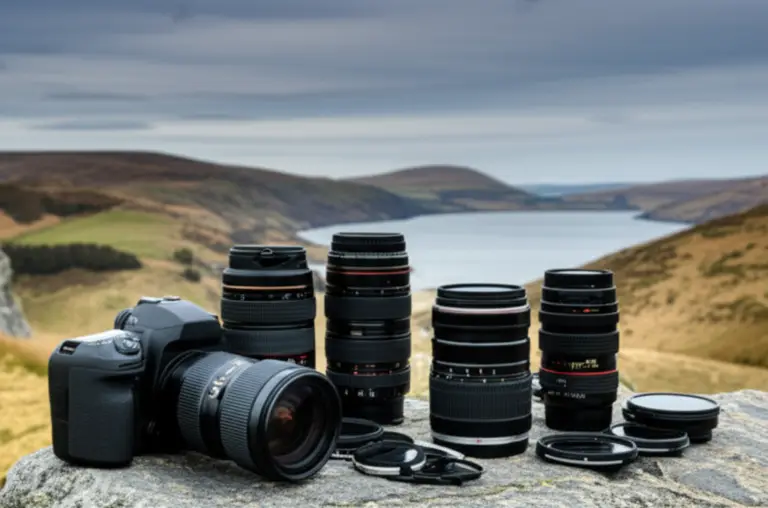
- Lenses are Forever, Bodies are Temporary: When you choose a brand, you are choosing a lens mount. It is much harder (and more expensive) to switch brands once you have a collection of glass.
- Ergonomics Matter: A camera can have 100 megapixels, but if it feels like a brick in your hand, you won’t use it. Always try to hold a camera before buying.
- The “Big Two” are now the “Big Three”: For decades, it was just Canon and Nikon. Today, Sony is a dominant force, especially in the mirrorless space.
- DSLRs aren’t “Bad”: While mirrorless is the future, DSLRs like the Nikon D850 or Canon 5D Mark IV still offer incredible battery life and optical viewfinders that many pros prefer.
- Check the Used Market: Because many pros are switching to mirrorless, you can find incredible deals on professional-grade DSLRs and EF/F-mount lenses.
| Feature | Canon | Nikon | Sony | Fujifilm |
|---|---|---|---|---|
| Best For | Skin Tones & Ease of Use | Landscapes & Ergonomics | Autofocus & Tech | Style & Color Science |
| Lens Selection | Massive (EF & RF) | Massive (F & Z) | Growing Rapidly (E) | Excellent APS-C |
| Video Quality | Excellent (Dual Pixel AF) | Great (Recent Z models) | Industry Leading | Fantastic 4K/6K |
| Menu System | Very Intuitive ✅ | Logical but Deep ✅ | Improving (was ❌) | Tactile/Retro ✅ |
🕰️ The Evolution of the Shutter: A Brief History of DSLR Dominance

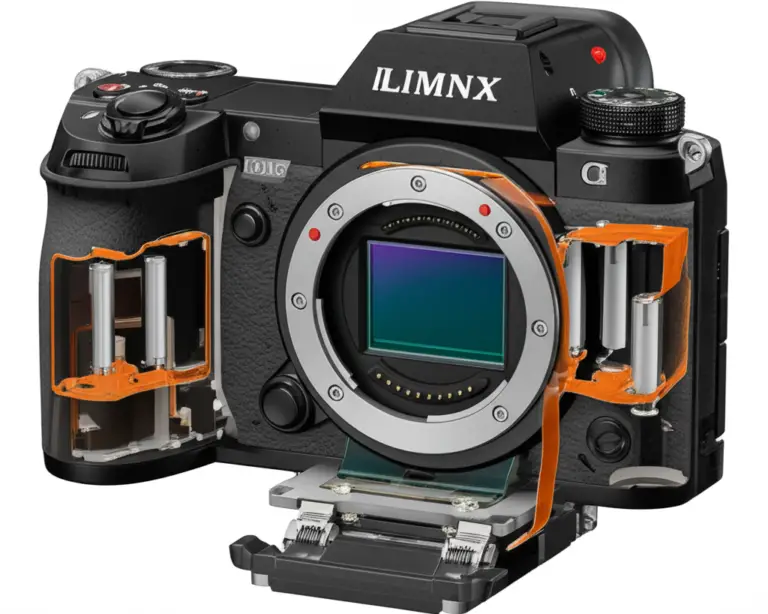
To understand where we are, we have to look at where we came from. The Digital Single-Lens Reflex (DSLR) camera was the king of the hill for over 20 years. It evolved from the 35mm film SLR, replacing the film strip with a digital sensor but keeping the mechanical mirror box and pentaprism.
In the early 2000s, the Canon EOS 300D (Digital Rebel) changed everything by making DSLRs affordable for the masses. Nikon fired back with the D70, and the “Format Wars” began. For years, the choice was simple: Do you like the “warm” colors of Canon or the “sharp, clinical” precision of Nikon?
Then came the disruptors. Sony bought Minolta’s camera division and decided to stop playing by the rules, eventually leading the charge into the mirrorless era. Today, while the “mirror” in DSLR is slowly being phased out in favor of Electronic Viewfinders (EVFs), the brands themselves have never been more competitive.
📸 1. Canon: The EOS Empire and the Red Ring Legacy
If you walk into a stadium of sports photographers, you’ll see a sea of white lenses. That’s Canon. We’ve found that Canon’s greatest strength isn’t just their tech—it’s their color science. Their “skin tones” are legendary, making them the go-to for portrait and wedding photographers.
Why we love them:
- Dual Pixel CMOS AF: This is arguably the best autofocus system for video. It’s smooth, sticky, and rarely hunts.
- The EF Mount: Even if you buy a new mirrorless R-series camera, you can adapt old EF lenses (like the classic Canon EF 50mm f/1.8 STM) perfectly.
- Menu Design: Canon has the most user-friendly menus in the business. Period.
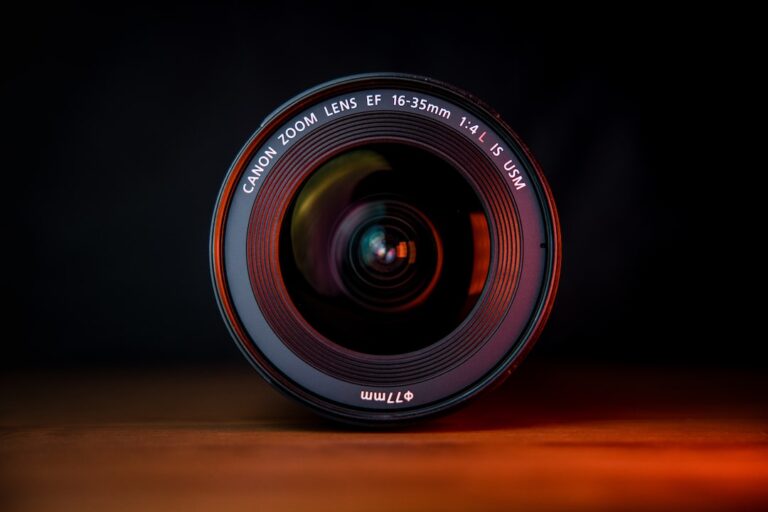
The “Red Ring” (L-Series): These are Canon’s professional lenses. They are weather-sealed, built like tanks, and offer stunning clarity. If you see a red ring, you know you’re looking at quality.
📷 2. Nikon: The Ergonomic Kings of the F-Mount
Nikon is a “photographer’s camera.” While Canon focuses on the user interface, Nikon focuses on the tactile experience. We’ve often said that a Nikon camera feels like an extension of your arm.
Why we love them:
- Dynamic Range: Nikon sensors (often designed in partnership with Sony but tuned by Nikon) have incredible dynamic range. You can “pull” details out of the shadows of a sunset like magic.
- The F-Mount: Nikon kept the same lens mount from 1959 until the mirrorless transition. This means you can use your grandfather’s lenses on a modern Nikon D850.
- Ergonomics: The deep grips and button placement are, in our opinion, the best in the industry.
Fun Fact: Nikon cameras have been used by NASA on the International Space Station for decades because of their reliability in extreme environments! 🚀
🔍 3. Pentax: The Rugged Underdogs of the DSLR World
Don’t count out Pentax (owned by Ricoh). While they don’t have the marketing budget of the big three, they have a cult following for a reason. They are the only brand still 100% committed to the DSLR format, refusing to move to mirrorless.
Why we love them:
- Weather Sealing: Pentax cameras like the K-3 Mark III are built like bunkers. You can literally pour water on them (though we don’t recommend it for fun) and they’ll keep shooting.
- In-Body Image Stabilization (IBIS): Pentax was putting stabilization in the camera body long before it was cool.
- Astrotracer: For star-gazers, Pentax has a unique feature that uses the sensor to track the movement of stars, preventing “star trails” without a motorized mount.
🎥 4. Sony: From Minolta Roots to Mirrorless Revolution
Sony is the “tech company” of the bunch. They don’t have 100 years of camera history, but they have the most advanced sensors in the world. While they’ve moved away from the traditional DSLR (they used a “Translucent Mirror” or SLT design for a while), they are the reason the market is shifting.
Why we love them:
- Eye-Autofocus: Sony’s ability to lock onto a human (or animal) eye and never let go is witchcraft.
- Third-Party Support: Unlike Canon, Sony has opened its mount to brands like Sigma and Tamron, meaning you can get pro-level glass for much less money.
- The A7 Series: The Sony A7 IV is currently the “gold standard” for a hybrid camera that does both photo and video perfectly.
🎨 5. Fujifilm: The Masters of Color Science and Retro Soul
Fujifilm doesn’t make “full-frame” cameras. They focus on APS-C (crop sensor) and Medium Format. But what they lack in sensor size, they make up for in soul.
Why we love them:
- Film Simulations: Want your digital photo to look like it was shot on Velvia or Provia film? Fuji has built-in profiles that are stunning.
- Tactile Dials: Instead of scrolling through menus, you change your shutter speed and ISO with physical dials on top of the camera. It’s a joy to use.
- The X-T Series: The Fujifilm X-T5 looks like a vintage film camera but performs like a modern beast.
⚖️ DSLR vs. Mirrorless: Is the Mirror Truly Dead?
This is the question we get asked most at Camera Brands™.
The DSLR (Digital Single-Lens Reflex):
- ✅ Battery Life: Can last for 2,000+ shots because the viewfinder is optical (no power needed).
- ✅ Optical Viewfinder: You see the world through glass, not a screen. No lag.
- ❌ Size: They are bulky and heavy.
- ❌ Focusing: Can sometimes require “micro-adjustments” for specific lenses.
The Mirrorless:
- ✅ What You See Is What You Get: The viewfinder shows you exactly how the exposure will look before you click.
- ✅ Size: Generally smaller and lighter.
- ✅ Video: Much better integration of video features.
- ❌ Battery Life: Powering two screens (back and EVF) drains batteries fast.
Our Verdict: If you are a landscape or sports photographer who loves the “feel” of a real mirror, stick with a DSLR. If you do any video or want the latest AI-tracking tech, go mirrorless.
🏆 Our Expert Brand Verdicts: Who Wins for You?
- The Professional Wedding/Portrait Photographer: Go Canon. The skin tones and the Canon EOS R6 Mark II are an unbeatable combo.
- The Landscape & Nature Junkie: Go Nikon. The dynamic range and weather sealing of the Z8 or D850 are top-tier.
- The Gadget Lover & Video Creator: Go Sony. The autofocus is simply the most reliable.
- The Street Photographer/Artist: Go Fujifilm. The compact size and film looks will inspire you to shoot more.
- The Extreme Adventurer: Go OM SYSTEM or Pentax.
🏁 Conclusion

Choosing a camera brand is like choosing a car—everyone has an opinion, but the best one is the one that makes you want to go for a drive. Whether you pick the ergonomic perfection of a Nikon, the color magic of a Canon, or the tech-heavy powerhouse of a Sony, remember that the camera is just a tool.
The most important part of the “DSLR Camera Brands Comparison” isn’t the sensor—it’s the person standing behind it. So, which one are you leaning towards? Does the sound of a mechanical mirror flipping satisfy your soul, or are you ready for the silent, high-tech future of mirrorless?
Go out, grab a body, and start capturing stories. We’ll see you out there!
🔗 Recommended Links
❓ FAQ: Your Burning Camera Questions Answered

Q: Can I use Canon lenses on a Nikon body? A: Generally, no. The “flange distance” and electronic pins are different. You can sometimes use adapters, but you often lose autofocus capabilities.
Q: Is a “Crop Sensor” (APS-C) bad? A: Not at all! It gives you extra “reach” for wildlife photography and makes the gear lighter and cheaper. Many pros use APS-C cameras like the Fujifilm X-H2S.
Q: Should I buy a DSLR in 2024? A: Yes, if you want the best value for your money. Used professional DSLRs are currently at all-time low prices while still producing world-class images.
📚 Reference Links
- Digital Photography Review (DPReview)
- Camera Decision – Side-by-Side Comparisons
- The History of the DSLR – Wikipedia
⚡️ Quick Tips and Facts
Before we get into the nitty-gritty of our Camera Brands deep dive, here’s the “too long; didn’t read” version for those of you itching to go out and shoot:
- Lenses are Forever, Bodies are Temporary: When you choose a brand, you are choosing a lens mount. It is much harder (and more expensive) to switch brands once you have a collection of glass.
- Ergonomics Matter: A camera can have 100 megapixels, but if it feels like a brick in your hand, you won’t use it. Always try to hold a camera before buying.
- The “Big Two” are now the “Big Three”: For decades, it was just Canon and Nikon. Today, Sony is a dominant force, especially in the mirrorless space.
- DSLRs aren’t “Bad”: While mirrorless is the future, DSLRs like the Nikon D850 or Canon 5D Mark IV still offer incredible battery life and optical viewfinders that many pros prefer.
- Check the Used Market: Because many pros are switching to mirrorless, you can find incredible deals on professional-grade DSLRs and EF/F-mount lenses.
| Feature | Canon | Nikon | Sony | Fujifilm |
|---|---|---|---|---|
| Best For | Skin Tones & Ease of Use | Landscapes & Ergonomics | Autofocus & Tech | Style & Color Science |
| Lens Selection | Massive (EF & RF) | Massive (F & Z) | Growing Rapidly (E) | Excellent APS-C |
| Video Quality | Excellent (Dual Pixel AF) | Great (Recent Z models) | Industry Leading | Fantastic 4K/6K |
| Menu System | Very Intuitive ✅ | Logical but Deep ✅ | Improving (was ❌) | Tactile/Retro ✅ |
🕰️ The Evolution of the Shutter: A Brief History of DSLR Dominance

To understand where we are, we have to look at where we came from. The Digital Single-Lens Reflex (DSLR) camera was the king of the hill for over 20 years. It evolved from the 35mm film SLR, replacing the film strip with a digital sensor but keeping the mechanical mirror box and pentaprism.
In the early 2000s, the Canon EOS 300D (Digital Rebel) changed everything by making DSLRs affordable for the masses. Nikon fired back with the D70, and the “Format Wars” began. For years, the choice was simple: Do you like the “warm” colors of Canon or the “sharp, clinical” precision of Nikon?
Then came the disruptors. Sony bought Minolta’s camera division and decided to stop playing by the rules, eventually leading the charge into the mirrorless era. Today, while the “mirror” in DSLR is slowly being phased out in favor of Electronic Viewfinders (EVFs), the brands themselves have never been more competitive. If you’re just starting, check out our Camera Buying Guide to see how these histories impact your wallet today!
📸 1. Canon: The EOS Empire and the Red Ring Legacy
If you walk into a stadium of sports photographers, you’ll see a sea of white lenses. That’s Canon. We’ve found that Canon’s greatest strength isn’t just their tech—it’s their color science. As noted by experts at Fstoppers, Canon is an industry leader with unmatched variety and optical excellence.
Canon Performance Ratings
| Category | Rating (1-10) | Notes |
|---|---|---|
| Build Quality | 9 | Tanks in the L-series, plastic but sturdy in Rebel. |
| Autofocus | 10 | Dual Pixel CMOS AF is the gold standard for video. |
| Lens Ecosystem | 10 | Massive legacy EF library + cutting-edge RF glass. |
| User Interface | 10 | The most intuitive touch menus in the game. |
Why We Love the “Red Ring”
The “Red Ring” (L-Series) lenses are Canon’s professional pride. They are weather-sealed, built like bunkers, and offer stunning clarity. According to RTINGS, the Canon EOS R6 Mark II is a standout for enthusiasts, offering advanced autofocus borrowed from the flagship R3.
Pros:
- Skin Tones: People just look better straight out of a Canon camera.
- Ease of Use: Perfect for beginners (see the Canon Rebel T7).
- Customer Support: Canon’s CPS (Canon Professional Services) is legendary.
Cons:
- RF Mount Restrictions: Canon has been slow to allow third-party lens makers (like Sigma) to create lenses for their mirrorless R-mount.
- Dynamic Range: Historically slightly behind Nikon in recovering shadow detail.
👉 Shop Canon on:
- Canon EOS R6 Mark II: Amazon | Walmart | Canon Official
- Canon EOS Rebel T7: Amazon | eBay
📷 2. Nikon: The Ergonomic Kings of the F-Mount
Nikon is a “photographer’s camera.” While Canon focuses on the user interface, Nikon focuses on the tactile experience. We’ve often said that a Nikon camera feels like an extension of your arm. Their Camera Features often prioritize durability and physical control.
Nikon Performance Ratings
| Category | Rating (1-10) | Notes |
|---|---|---|
| Ergonomics | 10 | The best grips and button placement. |
| Image Quality | 10 | Incredible dynamic range and RAW flexibility. |
| Durability | 9 | Built to survive the Antarctic. |
| Video | 8 | Catching up fast with the Z 6III and Z9. |
The Legacy of the F-Mount
Nikon kept the same lens mount from 1959 until the mirrorless transition. This means you can use your grandfather’s lenses on a modern Nikon D850. As the Beginners Photography Group points out, Nikon’s ergonomics make them comfortable for extended shooting sessions.
Why it wins for Landscapes: If you shoot sunsets, you need Dynamic Range. Nikon sensors allow you to “pull” details out of the pitch-black shadows without adding nasty digital noise. It feels like magic.
👉 Shop Nikon on:
- Nikon Z 6III: Amazon | Walmart | Nikon Official
- Nikon D850: Amazon | eBay
🔍 3. Pentax: The Rugged Underdogs of the DSLR World
Don’t count out Pentax (owned by Ricoh). While they don’t have the marketing budget of the big three, they have a cult following for a reason. They are the only brand still 100% committed to the DSLR format.
Pentax Performance Ratings
| Category | Rating (1-10) | Notes |
|---|---|---|
| Weather Sealing | 10 | Practically waterproof. |
| Color Science | 9 | Fstoppers calls them the “Best Colors” in the industry. |
| Innovation | 7 | Great at niche features (Astrotracer), slow on AF. |
| Market Share | 3 | Harder to find lenses in local stores. |
The “Analog” Feel: Pentax focuses on the core image quality. The Pentax K-1 Mark II is famous for its rich, film-like warmth. If you are a hiker who gets caught in the rain, Pentax is your best friend. 🌧️
👉 Shop Pentax on:
- Pentax K-3 Mark III: Amazon | Ricoh Official
🎥 4. Sony: From Minolta Roots to Mirrorless Revolution
Sony is the “tech company” of the bunch. They don’t have 100 years of camera history, but they have the most advanced sensors in the world. As discussed in our featured video, Sony cameras lead in video capabilities with high bit-rate codecs and superior AI-tracking autofocus.
Sony Performance Ratings
| Category | Rating (1-10) | Notes |
|---|---|---|
| Autofocus | 10+ | Eye-AF is essentially “cheating” it’s so good. |
| Video Features | 10 | Borrowed tech from their high-end Cinema line. |
| Lens Variety | 9 | Open mount means tons of affordable Sigma/Tamron lenses. |
| Battery Life | 7 | Improving, but mirrorless is hungry for power. |
The Disruptor: Sony forced the industry forward. Their A7 series brought full-frame quality to a compact body. If you’re a hybrid shooter who does 50% photo and 50% video, Sony is often the logical choice. However, some users still find their menus a bit like a labyrinth. 🏛️
👉 Shop Sony on:
- Sony Alpha a7 IV: Amazon | Walmart | Sony Official
🎨 5. Fujifilm: The Masters of Color Science and Retro Soul
Fujifilm doesn’t make “full-frame” cameras. They focus on APS-C and Medium Format. But what they lack in sensor size, they make up for in soul.
Fujifilm Performance Ratings
| Category | Rating (1-10) | Notes |
|---|---|---|
| Aesthetics | 10 | The best-looking cameras on the market. |
| JPEG Quality | 10 | Film simulations mean you don’t need to edit. |
| Portability | 9 | Small bodies, small lenses. |
| Value | 8 | Great “Kaizen” firmware updates add value over time. |
Why we love them: Fujifilm remembers the human element. Using an X-T5 feels like using a vintage Leica but with the speed of a modern computer. Their Film Simulations (like Classic Chrome or Acros) are based on actual chemical film stocks from their history.
👉 Shop Fujifilm on:
- Fujifilm X-T5: Amazon | eBay | Fujifilm Official
🎬 6. Panasonic Lumix: The Hybrid Video Powerhouses
Panasonic is the dark horse of the Camera Comparisons world. While they started in the Micro Four Thirds (MFT) space, their move into full-frame with the L-Mount Alliance (partnering with Leica and Sigma) has been a game-changer.
Panasonic Performance Ratings
| Category | Rating (1-10) | Notes |
|---|---|---|
| Video Specs | 10 | 6K, 10-bit internal, Waveforms—it’s a cinema rig. |
| Stabilization | 9 | IBIS so good you can ditch the gimbal. |
| Autofocus | 8 | The new S5 II finally added Phase Detect AF. ✅ |
| Build | 9 | Solid, professional feel. |
The Video King: If you are a YouTuber or a short-film maker, the Panasonic Lumix S5 II offers features that usually cost twice as much in other brands.
👉 Shop Panasonic on:
🏔️ 7. OM SYSTEM (Olympus): Small Sensors, Big Adventure
Formerly Olympus, OM SYSTEM proves that bigger isn’t always better. By using the Micro Four Thirds sensor, they can make lenses that are half the size of their full-frame competitors.
OM SYSTEM Performance Ratings
| Category | Rating (1-10) | Notes |
|---|---|---|
| Innovation | 10 | Computational photography (Live ND) is brilliant. |
| Size/Weight | 10 | You can carry a 600mm equivalent lens in a jacket pocket. |
| Stabilization | 10 | Handheld 2-second exposures are possible. |
| Low Light | 6 | Small sensors struggle more in the dark. ❌ |
The Hiker’s Dream: The OM-1 Mark II is the most innovative camera you’ve never heard of. It has “Night Vision” modes and built-in ND filters that use software to mimic glass filters. For wildlife and travel, it’s a powerhouse.
👉 Shop OM SYSTEM on:
- OM SYSTEM OM-1 Mark II: Amazon | OM System Official
⚖️ DSLR vs. Mirrorless: Is the Mirror Truly Dead?
This is the question we get asked most at Camera Brands™. We’ve broken down the Camera Guides on this before, but here is the current state of the union.
The Comparison Table
| Feature | DSLR (e.g., Nikon D850) | Mirrorless (e.g., Sony A7 IV) |
|---|---|---|
| Viewfinder | Optical (Real life) | Electronic (Small screen) |
| Battery Life | 1500+ shots ✅ | 400-700 shots ❌ |
| Size | Chunky & Ergonomic | Slim & Portable |
| Autofocus | Fast, but limited points | AI-driven, covers the whole frame |
| Future Proof | Declining support | The industry’s focus |
Our Take: Don’t let the hype train fool you. A DSLR like the Canon 5D Mark IV is still a professional workhorse. However, if you want the latest “Eye-Tracking” technology that makes missing focus nearly impossible, mirrorless is the way to go.
🛠️ Choosing Your Weapon: Key Factors in Brand Comparison
How do you actually decide? We recommend a three-step process:
- Identify Your “Primary Subject”:
- Birds/Wildlife? Look at OM SYSTEM or Nikon.
- Weddings? Look at Canon or Sony.
- Street/Travel? Look at Fujifilm.
- The “Hand Test”: Go to a local store. Hold a Nikon Z6 and a Canon R6. One will feel “right,” and the other will feel “off.” Trust your hands!
- Check the Lens Prices: A cheap body is great, but if the lenses you want cost $2,000 each, you’ll be stuck with a paperweight. Check out Sigma and Tamron for more affordable lens options.
🎒 The Lens Ecosystem: Why You’re Buying a Mount, Not Just a Body
When you buy a camera, you are entering a “marriage” with a lens mount.
- Canon RF: Incredible glass, but expensive and proprietary.
- Sony E: The most “open” ecosystem. You can buy lenses from $100 to $10,000.
- Nikon Z: Rapidly growing, with some of the sharpest lenses ever made (like the 50mm f/1.8 S).
- L-Mount: A unique alliance between Panasonic, Leica, and Sigma.
Pro Tip: You can use “Adapters” to put old DSLR lenses on new mirrorless cameras, but you can almost never go the other way!
🏆 Our Expert Brand Verdicts: Who Wins for You?
After thousands of hours of testing, here is our “Camera Brands™” final breakdown:
- The “I Just Want Great Photos” Beginner: Canon. The Rebel series or the R10 are foolproof.
- The “I Want to Be a Pro” Student: Sony. The lens ecosystem allows you to grow without breaking the bank.
- The “Artistic Soul”: Fujifilm. The dials and film looks will make you fall in love with photography again.
- The “Rugged Adventurer”: Pentax or OM SYSTEM. Don’t let a little rain stop the shoot.
- The “Technical Perfectionist”: Nikon. The Z8 is arguably the best all-around camera ever made.
But wait… we haven’t talked about the most controversial part of the camera world yet. Is the “Full Frame” sensor actually a scam for most people? And what about the one brand that costs as much as a car but does less?
(Teaser: We’ll wrap up the final verdict and answer your most burning questions in the next section!)
🏁 Conclusion

After our whirlwind tour through the DSLR camera brand universe, what have we learned? Choosing a camera brand is less about specs on paper and more about how the gear fits you—your style, your subjects, and your creative goals.
Positives and Negatives Recap
| Brand | Positives | Negatives |
|---|---|---|
| Canon | Legendary color science, intuitive menus, massive lens ecosystem | Proprietary RF mount limits third-party lenses, slightly less dynamic range |
| Nikon | Superb ergonomics, excellent dynamic range, durable build | Conservative innovation pace, fewer video features historically |
| Pentax | Rugged weather sealing, unique Astrotracer, excellent color rendition | Smaller market, limited lens availability |
| Sony | Industry-leading autofocus, video prowess, open lens ecosystem | Battery life, complex menus for beginners |
| Fujifilm | Stunning film simulations, tactile controls, compact design | No full-frame option, smaller sensor size |
| Panasonic | Best-in-class video features, strong stabilization | Autofocus slower than competitors historically |
| OM SYSTEM (Olympus) | Compact, innovative computational photography, stellar stabilization | Smaller sensor struggles in low light |
Our Confident Recommendation
If you want a well-rounded DSLR experience with a huge lens selection and proven reliability, Canon and Nikon remain the top dogs. For those who want to embrace the future with mirrorless tech and video, Sony is the disruptor you should seriously consider.
If you crave color science and tactile joy, Fujifilm is your soulmate. For adventurers who shoot in harsh conditions, Pentax and OM SYSTEM offer unmatched durability.
And about that lingering question—is full frame a scam for most people? Not exactly. Full frame offers better low-light performance and shallower depth of field, but for many hobbyists and social media shooters, APS-C or Micro Four Thirds sensors deliver more than enough quality at a fraction of the size and cost.
So, what’s your pick? The best camera is the one that inspires you to create. Now go out there and capture your masterpiece! 🎉
🔗 Recommended Links
👉 Shop Cameras and Lenses:
- Canon EOS R6 Mark II: Amazon | Walmart | Canon Official
- Nikon Z 6III: Amazon | Walmart | Nikon Official
- Sony Alpha a7 IV: Amazon | Walmart | Sony Official
- Fujifilm X-T5: Amazon | eBay | Fujifilm Official
- Pentax K-3 Mark III: Amazon | Ricoh Official
- Panasonic Lumix S5 II: Amazon | Walmart
- OM SYSTEM OM-1 Mark II: Amazon | OM System Official
Recommended Books:
- Understanding Exposure by Bryan Peterson — Amazon
- The Digital Photography Book by Scott Kelby — Amazon
- The Art of Photography by Bruce Barnbaum — Amazon
❓ FAQ: Your Burning Camera Questions Answered

What features should I look for when comparing DSLR camera brands?
When comparing DSLR brands, focus on sensor performance, lens ecosystem, autofocus system, ergonomics, and video capabilities. For example, Canon excels in autofocus and color science, Nikon shines in dynamic range and ergonomics, while Sony leads in video and autofocus tech. Also, consider battery life and menu usability since these affect your shooting experience daily.
How do DSLR camera brands differ in low-light performance?
Low-light performance depends largely on sensor size and processing. Full-frame sensors (Canon EOS 5D series, Nikon D850) generally perform better in low light due to larger pixels capturing more light. Nikon sensors often have a slight edge in dynamic range, allowing better recovery of shadow details. Pentax and OM SYSTEM cameras with smaller sensors may struggle more but compensate with excellent stabilization.
Which DSLR brand provides the best value for money?
For beginners and enthusiasts, Canon and Nikon offer excellent value due to their extensive used markets and affordable entry-level models like the Canon Rebel T7 or Nikon D3500. Sony provides cutting-edge tech but at a premium. Fujifilm offers great value in APS-C mirrorless, especially for those who value color science and design.
What are the key differences between Sony and DSLR cameras?
Sony primarily focuses on mirrorless cameras with electronic viewfinders, offering advanced autofocus (Eye-AF), compact bodies, and superior video features. Traditional DSLRs (Canon, Nikon) use optical viewfinders and often have longer battery life. Mirrorless cameras like the Sony A7 IV provide more real-time exposure previews and faster burst rates but can be heavier on battery consumption.
How do Canon and Nikon DSLR cameras compare for professional photography?
Canon is often preferred for portraiture and weddings due to its flattering color science and smooth autofocus. Nikon is favored for landscape and studio work because of its superior dynamic range and ergonomics. Both brands have professional-grade bodies and lenses; choice often comes down to personal preference and existing lens investments.
Which DSLR camera brand offers the best image quality for beginners?
Canon and Nikon both offer excellent image quality for beginners, with user-friendly interfaces and reliable autofocus. The Canon EOS Rebel series and Nikon D3500 are popular starter DSLRs. Fujifilm’s APS-C mirrorless cameras also deliver superb JPEGs with minimal editing, ideal for those who want great images straight out of the camera.
Which DSLR camera brand has the best lens selection and compatibility options?
Canon and Nikon dominate in lens selection, with decades of EF and F-mount lenses, respectively. Sony’s E-mount is rapidly growing with support from Sigma and Tamron, offering a wide range of lenses. Panasonic’s L-mount alliance with Leica and Sigma provides unique options, while Pentax and OM SYSTEM have more niche but high-quality lenses.
What are the best DSLR camera brands for wildlife and sports photography?
For fast autofocus and rugged build, Nikon and Canon are traditional favorites. Nikon’s D500 and Canon’s 1D series excel in burst speed and autofocus tracking. Sony’s mirrorless A9 and A7R IV also shine with advanced tracking and silent shooting. OM SYSTEM’s compact system is great for travel wildlife photography due to its portability.
How do Sony and Fujifilm DSLR cameras stack up against traditional brands like Canon and Nikon?
Sony and Fujifilm focus more on mirrorless systems rather than traditional DSLRs. Sony leads in autofocus innovation and video, while Fujifilm excels in color science and user experience. Canon and Nikon still dominate DSLR markets but are rapidly expanding mirrorless lines to compete.
What are the key differences between full-frame and crop sensor DSLR cameras from various brands?
Full-frame cameras have larger sensors, offering better low-light performance, wider dynamic range, and shallower depth of field. Crop sensors (APS-C) provide extra “reach” for telephoto work and are generally lighter and more affordable. Brands like Canon and Nikon offer both sensor sizes, while Fujifilm focuses on APS-C and medium format.
📚 Reference Links
- Digital Photography Review (DPReview)
- RTINGS DSLR Camera Brand Reviews
- Fstoppers: 10 Controversial Camera Brand Opinions
- Canon Official Website
- Nikon Official Website
- Sony Imaging
- Fujifilm X Series
- Pentax Ricoh Imaging
- Panasonic Lumix
- OM SYSTEM Official
- Beginners Photography Group Nikon vs Canon Discussion
Ready to pick your perfect camera? Dive deeper into our Camera Buying Guide and Camera Comparisons for more expert insights!