Support our educational content for free when you purchase through links on our site. Learn more
Which Photo Camera Brand Is Best? 10 Picks 📸

Which photo camera brand is the best? There’s no universal winner, but Canon, Sony, and Nikon are excellent all-round systems, while Fujifilm, Panasonic, OM System, and others shine for specific styles of photography. The smartest choice is the one with lenses you want, controls you enjoy, and a camera you’ll actually carry.
We’ve seen a photographer leave a technically impressive camera at home because it felt too bulky, then capture a favorite street photo with a pocketable Ricoh. That’s the real twist: the best camera brand isn’t just about specifications—it’s about fit. Your photography, preferred features, lens plans, and budget all help determine the right match.
Key Takeaways
- There’s no best brand for everyone. Canon, Sony, and Nikon are versatile choices; Fujifilm, Panasonic, OM System, Ricoh, Leica, Hasselblad, and Sigma each have distinct strengths.
- Choose the system, not just the camera body. Consider lenses, accessories, support, and upgrade options before committing.
- Match the camera to your photography. Autofocus, video features, portability, sensor format, and handling matter differently for wildlife, travel, portraits, and filmmaking.
- Try before you buy. If possible, handle or rent a camera; comfort and intuitive controls can matter more than a small specification advantage.
- A camera you enjoy carrying is a camera you’re more likely to use. That may be the most useful feature of all.
Table of Contents
- ⚡️ Quick Tips and Facts: Which Camera Brand Is Best?
- 📷 How Camera Brands Evolved: A Brief History
- 🔎 How to Choose the Best Camera Brand for You
- Camera systems, lenses, and upgrade paths
- Autofocus, image quality, and low-light performance
- Video features and hybrid shooting
- Ergonomics, menus, and learning curve
- Support, repairs, and resale value
- 🏆 10 Best Camera Brands for Different Photographers
- 1. Canon: An approachable all-round camera system
- 2. Sony: Fast autofocus and a deep mirrorless lineup
- 3. Nikon: Strong image quality and capable cameras for enthusiasts
- 4. Fujifilm: Distinctive colors and tactile controls
- 5. Panasonic Lumix: A standout choice for video creators
- 6. OM System: Lightweight cameras for wildlife and outdoor photography
- 7. Leica: Premium design and a rangefinder heritage
- 8. Ricoh: Pocketable cameras for everyday photography
- 9. Hasselblad: Medium-format image quality for demanding work
- 10. Sigma: Distinctive cameras and a growing lens ecosystem
- 📊 Camera Brand Comparison: Strengths, Trade-Offs, and Best Uses
- 🎯 Best Camera Brands by Photography Style
- Best brands for beginners and travel
- Best brands for portraits and weddings
- Best brands for wildlife and sports
- Best brands for landscapes and street photography
- Best brands for video, vlogging, and filmmaking
- 📸 DSLR vs. Mirrorless: Does Camera Brand Still Matter?
- 🔄 Switching Camera Brands: What to Consider Before You Change Systems
- 💡 Quick Tips for Choosing a Camera Brand
- ✅ Conclusion: The Best Camera Brand Is the One That Fits Your Photography
- 🔗 Recommended Links
- ❓ FAQ
- Which camera brand is best overall?
- Is Canon or Sony better for photography?
- Is Nikon better than Canon for beginners?
- Which camera brand has the best autofocus?
- Which camera brand is best for video?
- Do camera brands affect image quality?
- Should I buy a camera body or invest in lenses first?
- Can I use lenses from one camera brand on another?
- 📚 Reference Links
⚡️ Quick Tips and Facts: Which Camera Brand Is Best?
Quick answer: There’s no single best camera brand for every photographer. The right choice depends on what you shoot, which lenses you want, how a camera feels in your hands, and whether you prioritize still photos, video, portability, or price-to-performance.
For a wider brand-by-brand overview, see our guide to Which Company Is Best for Camera? 10 Brands Compared 📸. You can also browse our camera brands and camera buying guides for more system-specific advice.
| Your priority | Brands worth trying first | Why they stand out |
|---|---|---|
| A versatile camera system | Canon or Nikon | Broad camera ranges, comfortable handling, and systems serving beginners through working professionals |
| Autofocus and lens choice | Sony | Strong subject recognition and a mature E-mount lens ecosystem |
| Film-inspired colors and physical controls | Fujifilm | Popular film simulations, dedicated dials, and capable APS-C cameras |
| Hybrid photo and video work | Panasonic Lumix | A deep feature set for video and stills, across Micro Four Thirds and full-frame systems |
| Compact wildlife and outdoor photography | OM System | Lightweight Micro Four Thirds equipment, stabilization, and rugged bodies |
| Pocketable street photography | Ricoh GR | Compact cameras with large APS-C sensors and fixed wide-angle lenses |
| Luxury rangefinder or medium-format work | Leica or Hasselblad | Distinctive shooting experiences and specialized high-end systems |
A useful reality check comes from RTINGS’ camera brand comparison: “It’s hard to go wrong with a good camera from any brand.” RTINGS also points out that camera brands aren’t ranked universally; needs, preferences, and available lenses matter more than a badge.
A 60-second camera-brand decision
- Name your main subject. Family, landscapes, sports, wildlife, travel, portraits, or video?
- Set your system budget, not just your body budget. A camera body is only the first chapter. Lenses, batteries, memory cards, and repairs belong in the story too.
- Check lens availability. Look at the lenses you might want in the next few years, not only the kit lens included today.
- Handle the camera. Visit a camera shop if possible. A camera that feels intuitive is a camera you’re more likely to carry.
- Compare complete kits. The smaller, cheaper body might need a costly lens or adapter to fit your plans.
- Choose the system you’ll enjoy using. On paper, autofocus might win by a fraction of a second. In real life, a camera you leave at home has a rather poor keeper rate. 📷
📷 How Camera Brands Evolved: A Brief History

Camera brands carry different histories, but history alone doesn’t tell you which camera to buy. Canon and Nikon grew into major makers of cameras and lenses; Sony built a strong mirrorless system; Fujifilm combined its imaging heritage with compact mirrorless cameras and color profiles; Panasonic developed a reputation for video-friendly cameras; and Olympus’s camera business became OM System.
Today, the market is less about choosing between a handful of completely separate technologies and more about choosing an ecosystem: a camera mount, compatible lenses, accessories, software, and service.
From DSLR to mirrorless
DSLR cameras use a mirror and optical viewfinder. Mirrorless cameras use an electronic viewfinder or rear screen instead, allowing manufacturers to design bodies around a different internal layout. Modern mirrorless cameras can offer excellent autofocus, electronic shooting features, and video capabilities, but a DSLR can still be a smart choice if you already own compatible lenses or prefer an optical viewfinder.
There’s no requirement to replace a good DSLR just because mirrorless is newer. The best camera is the one that helps you make the photographs you want, not the one with the freshest press release.
A camera system is bigger than the camera body
A camera body may be replaced every few years. Lenses often stay in a photographer’s bag much longer. That’s why brand choice can matter most when you’re deciding where to invest in glass.
Before committing, check:
- Which native lenses are available for your chosen mount
- Whether third-party brands such as Sigma and Tamron make lenses for it
- Whether older lenses can be adapted, and what functions an adapter retains
- Whether the system has the focal lengths you need for your work
You’ll find more system advice in our camera guides and camera comparisons.
🔎 How to Choose the Best Camera Brand for You
Instead of asking which logo wins, ask which system best matches your photography. We’ve seen photographers make wonderful pictures on Canon, Nikon, Sony, Fujifilm, Panasonic, and OM System cameras. We’ve also seen a technically impressive camera become an expensive shelf ornament because its menus or size didn’t suit its owner.
The specifications matter. So does the camera you enjoy picking up on a rainy Tuesday when the light is lovely and your coffee is going cold. ☕
Camera systems, lenses, and upgrade paths
A camera mount determines which lenses can connect directly to your camera. Some mounts offer a large collection of first-party and third-party lenses; others have a more focused selection. The best choice depends on the lenses you actually need.
| System | Format examples | What to consider |
|---|---|---|
| Canon RF | Full-frame and APS-C mirrorless | Canon offers a range of RF lenses and adapter options for many EF and EF-S lenses; check compatibility for your exact body and lens |
| Sony E | Full-frame and APS-C mirrorless | A well-established lineup of Sony and third-party lenses gives shoppers many focal-length and specialty options |
| Nikon Z | Full-frame and APS-C mirrorless | Includes full-frame and DX-format bodies; check DX lens coverage and third-party availability for your plans |
| Fujifilm X | APS-C mirrorless | A focused APS-C system with a broad range of Fujinon X-mount lenses |
| Fujifilm GFX | Medium-format mirrorless | Larger-sensor bodies and lenses designed for the GFX system |
| Micro Four Thirds | Panasonic Lumix G and OM System | A shared mount used by two camera makers; compact lenses can be a major attraction |
| L-Mount | Panasonic Lumix S, Leica, and Sigma | The L-Mount Alliance brings multiple manufacturers into one lens-mount system |
Our practical tip: Write down three lenses you might buy someday. For example, a standard zoom, a portrait prime, and a telephoto zoom. Then confirm the system has suitable options for all three. That simple exercise can prevent a lot of future system-envy.
Autofocus, image quality, and low-light performance
Autofocus performance depends on the camera model, lens, subject, and shooting conditions—not just the brand. A camera that recognizes birds well may behave differently with a fast-moving athlete or a face partially hidden by a hat.
Sensor size also matters, but it isn’t the whole story. Larger sensors can offer advantages in low light and depth-of-field control, while smaller formats may deliver a more portable kit and greater apparent depth of field at equivalent framing. Lens brightness, stabilization, exposure, and how you process the image all influence the final result.
Consider:
- Autofocus: Does the camera recognize and track the subjects you photograph?
- Low light: How well does the camera handle higher ISO settings, and are fast lenses available?
- Resolution: Do you crop heavily or make large prints, or are your photos mostly shared online?
- Stabilization: Is there in-body image stabilization, optical lens stabilization, or both?
- Color and processing: Do you prefer to edit RAW files or share JPEGs straight out of camera?
The European Camera Industry Association publishes camera-industry standards and statistics, while manufacturer specifications are the place to confirm details for a particular model. For hands-on comparisons and practical advice, explore our camera features.
Video features and hybrid shooting
If video is part of your work, compare more than the headline resolution. Two cameras may both record 4K, yet differ substantially in crop, frame rates, bit depth, recording limits, heat management, audio connections, and autofocus behavior.
Check for:
- Your required frame rates and recording formats
- Whether the camera records internally in 10-bit
- Crop factors at your preferred resolution and frame rate
- Microphone and headphone connections
- Stabilization and focus performance while recording
- Heat management and recording limits
- A screen and controls that suit your shooting style
Panasonic Lumix is a particularly compelling place to start for feature-rich hybrid shooting. Sony, Canon, and Nikon also make strong hybrid cameras, while Fujifilm’s higher-end models offer capable video alongside still photography. The “best video brand” may be different from the best choice for your stills; make your actual workflow the judge.
Ergonomics, menus, and learning curve
Camera ergonomics are personal. A large grip may feel reassuring in one hand and cumbersome in another. A menu system that seems logical to your friend may feel like a scavenger hunt to you.
When you handle a camera, test:
- How easily you can reach the main controls
- Whether the grip balances with the lens you plan to use
- How quickly you can change shutter speed, aperture, and ISO
- Whether the viewfinder and screen work for your shooting position
- How easy it is to set autofocus tracking
- Whether the menus make sense to you
One of our photographers learned this the awkward way: a borrowed camera’s autofocus was excellent, but changing focus-area modes required enough menu digging to miss the decisive moment. The lesson wasn’t “avoid that brand.” It was set up your controls before the action starts—and choose a body whose layout makes that easy.
Support, repairs, and resale value
A camera system is also a service relationship. Check whether authorized repairs, spare batteries, loaner programs, and professional support are available where you live. Support programs vary by country and by product line, so verify current details directly with the manufacturer.
Resale value is another factor, but avoid buying a system solely because you hope it will hold value. Camera demand changes as new models arrive, and condition, shutter count, included accessories, and regional availability all affect used-market prices.
Before you buy, look up:
- The local authorized service center
- Warranty terms in your country
- Battery and accessory availability
- Secondhand listings for the body and lenses you’re considering
- Firmware support and compatibility information
🏆 10 Best Camera Brands for Different Photographers
This isn’t a ranking from “most camera” to “least camera.” It’s a practical shortlist of brands with distinct strengths. The specific camera model matters enormously, so treat each recommendation as a starting point, not a verdict carved into a camera-shop counter.
1. Canon: An approachable all-round camera system
Canon is a strong choice if you want a familiar-feling system that serves many kinds of photographers. Its lineup spans entry-level mirrorless cameras such as the EOS R50, enthusiast-oriented bodies such as the EOS R7, and professional cameras such as the EOS R5 Mark II.
Strengths
- Broad product range and approachable controls
- Strong selection of Canon RF lenses
- Many EF lenses can be adapted to RF bodies; confirm exact compatibility with Canon
- Capable cameras for portraits, events, sports, and video
Trade-offs
- The native RF lens lineup and third-party options may not suit every buyer’s budget or lens preferences
- Adapters add another item to carry and can affect lens compatibility
- Model features vary; don’t assume an entry-level body behaves like a pro flagship
Canon often makes the shortlist for photographers who want a camera system that can grow with them. Our camera-brand coverage includes more comparisons to help you narrow down the body and lens combination.
👉 Shop Canon cameras: Amazon | Walmart | Canon Official Website
2. Sony: Fast autofocus and a deep mirrorless lineup
Sony’s mirrorless range is a strong fit for photographers who value autofocus, compact bodies, and a broad E-mount lens ecosystem. Its cameras are popular with hybrid shooters, too, though particular strengths depend on the model.
Consider the Sony α670 for an APS-C system, or compare the Sony α7 series if you’re considering full frame. Sony’s published specifications detail capabilities for each model; check them against your needs rather than assuming every body includes the same features.
Strengths
- A mature range of native and third-party E-mount lenses
- Strong subject-recognition and tracking features on many recent bodies
- Compact options for travel and hybrid shooting
Trade-offs
- Button placement and menu logic may take adjustment
- Small bodies can balance poorly with large telephoto lenses
- Specs differ significantly across product tiers
Sony is a good match if you want plenty of lens options and regularly photograph moving subjects. But don’t buy a body for autofocus alone: the right lens, focus settings, and photographer’s timing still matter.
👉 Shop Sony cameras: Amazon | Walmart | Sony Official Website
3. Nikon: Strong image quality and capable cameras for enthusiasts
Nikon has a long history in cameras and lenses, and its Z mirrorless range includes compact APS-C bodies through professional full-frame cameras. The Z6III, Z8, and Zf illustrate how different Nikon bodies can serve different styles of photography.
Strengths
- Comfortable handling and substantial camera-making heritage
- Z-mount options across enthusiast and professional levels
- Strong premium lenses in the NIKOR Z S line
- Some DSLR users can adapt F-mount lenses; confirm autofocus and feature compatibility
Trade-offs
- DX-format lens choices may be more limited than the full-frame catalog
- Lens selection should be checked against the exact mount and sensor format
- Advanced cameras can be more than most casual photographers need
Nikon deserves a serious look if ergonomics, dependable image quality, and a clear upgrade path matter to you. For action, compare the specific autofocus and burst specifications of the bodies on your shortlist.
👉 Shop Nikon cameras: Amazon | Walmart | Nikon Official Website
4. Fujifilm: Distinctive colors and tactile controls
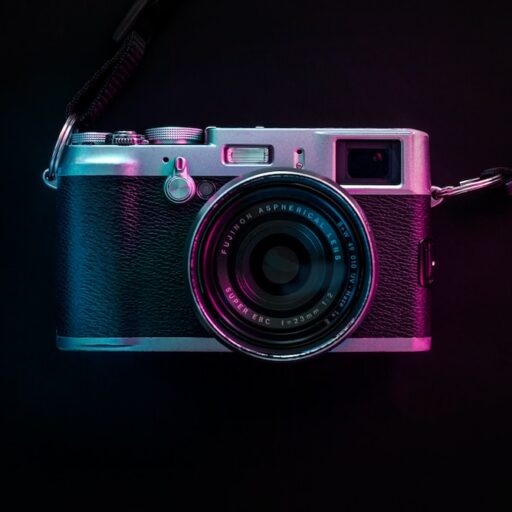
Fujifilm is a favorite among photographers who like dedicated dials, compact APS-C bodies, and JPEG color profiles known as Film Simulations. The X-T5, X-S20, and X100VI each offer a different take on the Fujifilm experience.
Strengths
- Film Simulations make it easy to create distinctive JPEGs in camera
- Tactile controls can make exposure settings feel direct and intuitive
- APS-C bodies and lenses can form a portable kit
- The separate GFX lineup offers medium-format cameras for photographers who need that format
Trade-offs
- Fujifilm does not offer a conventional full-frame system
- Tracking autofocus behavior varies by body and shooting situation
- Retro styling is not automatically ergonomic for everyone
We’ve taken Fujifilm cameras on slow street-photo walks when the pleasure of changing dials mattered as much as the final file. That hands-on experience can be part of a camera’s value—but if your priority is fast, demanding action, compare real-world tracking tests of the exact model.
👉 Shop Fujifilm cameras: Amazon | Walmart | Fujifilm Official Website
5. Panasonic Lumix: A standout choice for video creators
Panasonic Lumix makes cameras in both Micro Four Thirds and full-frame formats. Models such as the GH7 and S5II show the brand’s appeal to creators who need detailed video controls alongside still-image capability.
Strengths
- Strong video tools and format options on many models
- Micro Four Thirds and full-frame bodies offer different size and lens choices
- L-Mount models share a lens-mount alliance with Leica and Sigma
- Capable options for hybrid creators and filmmaking workflows
Trade-offs
- Large video feature sets can mean a steper learning curve
- Full-frame L-Mount lenses may make a kit larger than expected
- Choose carefully if fast, responsive still-photo autofocus is your primary requirement
Panasonic can be an excellent match for video-first or hybrid work. If you primarily photograph sports, compare autofocus performance in the exact conditions you shoot; brand reputation is not a substitute for a real test.
👉 Shop Panasonic Lumix: Amazon | Walmart | Lumix Official Website
6. OM System: Lightweight cameras for wildlife and outdoor photography
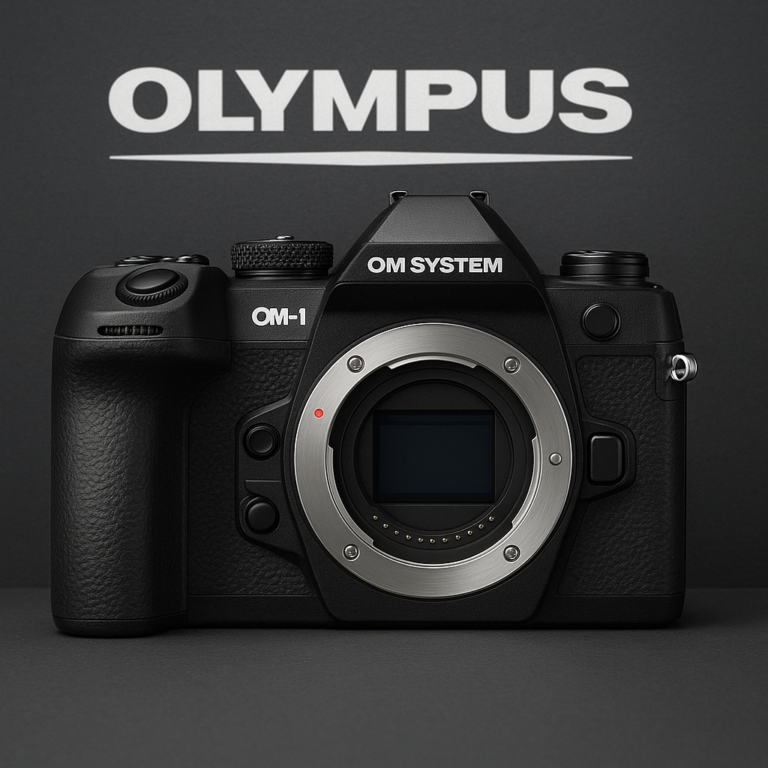
OM System’s Micro Four Thirds cameras are worth a look if you want portable lenses, weather-resistant equipment, and features suited to outdoor photography. The OM-1 Mark II is a flagship option, while the OM-5 is a smaller body aimed at travel and outdoor use.
Strengths
- Compact system options, especially with telephoto lenses
- Strong stabilization and computational photography features on select models
- Ruged, weather-sealed bodies are available
- Useful reach for wildlife and bird photography
Trade-offs
- Smaller sensors can show more noise than larger formats in dim light
- Depth-of-field and background blur behave differently than on larger formats
- Sensor resolution and crop flexibility vary by model
One of our photographers has carried a Micro Four Thirds telephoto kit on long trails where every ounce mattered. That portability was not an abstract specification; it meant the camera actually came along. The compromise is real, too: in poor light, a larger-sensor camera may deliver cleaner files. Match the format to your conditions.
👉 Shop OM System: Amazon | Walmart | OM System Official Website
7. Leica: Premium design and a rangefinder heritage
Leica offers rangefinder cameras, mirrorless cameras, compact cameras, and specialty products. It appeals to photographers who appreciate its design, craftsmanship, rangefinder experience, and distinctive shooting style.
Strengths
- A distinctive rangefinder experience in the M system
- Carefully designed bodies and lenses
- Full-frame and compact-camera options
- A strong heritage among documentary and street photographers
Trade-offs
- The system is a substantial commitment, especially once lenses are included
- Rangefinder focusing takes practice and doesn’t suit every subject
- Some Leica products prioritize a particular experience over maximum feature count
Leica can be a wonderful choice when the camera itself inspires you to photograph more. It’s harder to justify if you mainly want the most specifications per feature. Those are two different buying questions, and both are legitimate.
👉 Shop Leica: Amazon | Leica Official Website
8. Ricoh: Pocketable cameras for everyday photography
Ricoh’s GR cameras appeal to street photographers and anyone who wants an APS-C sensor in a compact body. The GR III has a fixed wide-angle lens and a pocketable design; it is not an interchangeable-lens camera.
Strengths
- Small enough to carry when a larger system would stay home
- APS-C sensor in a compact camera body
- Snap-focus options suit quick street-photography moments
- Minimalist form can help you concentrate on framing
Trade-offs
- Fixed lens limits framing flexibility
- Not the right system if you want interchangeable lenses
- Small body and screen may be less comfortable for long sessions
The charm of a Ricoh GR is simple: it lowers the friction between seeing a photograph and making one. If that pocketability matters more than reach or lens choice, the GR family is a compelling specialist option.
👉 Shop Ricoh GR: Amazon | Walmart | Ricoh Official Website
9. Hasselblad: Medium-format image quality for demanding work
Hasselblad specializes in medium-format cameras and lenses, including the X2D 100C and 907X & CFV 100C. These cameras are designed for photographers with specific needs for resolution, image quality, and studio or commercial workflows.
Strengths
- High-resolution medium-format options
- A system designed for considered, detail-oriented photography
- Strong appeal for landscapes, studio portraits, fashion, and commercial work
Trade-offs
- Larger files demand storage and computing capacity
- The system may be less convenient for action and casual travel
- Not every assignment benefits from medium format
Medium format is a specialist tool, not a trophy every photographer needs to win. If you make large prints or require the detail for commercial work, explore it. If your priority is an everyday family camera, a smaller and more affordable system may be more practical.
👉 Shop Hasselblad: Amazon | Hasselblad Official Website
10. Sigma: Distinctive cameras and a growing lens ecosystem
Sigma is especially well known for lenses, but its cameras can appeal to photographers who want a distinctive, compact approach. The Sigma fp and fp L are small full-frame models with a modular design and a strong video orientation.
Strengths
- A major lens maker with options for multiple camera systems
- Compact, modular full-frame camera designs
- L-Mount models can draw on compatible lenses from alliance partners
Trade-offs
- The minimalist body design may require accessories for some workflows
- Less conventional controls may suit some photographers better than others
- Compare autofocus, viewfinder, and handling needs against full-frame alternatives
Sigma deserves a place on your shortlist if its modular design or lenses suit your workflow. The brand is more than a lens specialist, but the best camera choice still comes down to how you plan to shoot.
👉 Shop Sigma cameras and lenses: Amazon | Walmart | Sigma Official Website
📊 Camera Brand Comparison: Strengths, Trade-Offs, and Best Uses
| Brand | Best-known strengths | Main trade-offs | A good fit if you… |
|---|---|---|---|
| Canon | Broad lineup, approachable controls, strong lens heritage | Check native and adapted lens costs and compatibility | Want an all-round system with room to grow |
| Sony | Autofocus, compact mirrorless bodies, lens variety | Menus and small-body ergonomics may take adjustment | Photograph moving subjects or want broad E-mount options |
| Nikon | Handling, durable bodies, optical and lens heritage | Check DX-format lens needs and availability | Value ergonomics and capable all-around bodies |
| Fujifilm | Film Simulations, physical controls, APS-C systems | No conventional full-frame lineup; tracking varies by model | Enjoy tactile controls and JPEG color profiles |
| Panasonic | Hybrid tools and video features | Feature-rich bodies may have a learning curve | Shoot video and stills with one camera |
| OM System | Compact telephoto kits, stabilization, outdoor features | Smaller sensor trade-offs in dim light | Travel, hike, or photograph wildlife |
| Leica | Rangefinder experience and craftsmanship | Specialized experience and significant system commitment | Value design and a distinctive way of working |
| Ricoh | Pocketability and direct controls | Fixed lens on GR cameras | Want a capable everyday street camera |
| Hasselblad | Medium-format detail and resolution | Larger, more specialized system | Need high-resolution output for studio or commercial work |
| Sigma | Lens expertise and modular camera design | Unconventional handling on some bodies | Want particular lenses or a compact modular full-frame camera |
How to read the table: It compares brand tendencies, not every body. A camera’s price, features, and performance vary widely within each system. For model-level matchups, explore our camera comparisons.
🎯 Best Camera Brands by Photography Style
Best brands for beginners and travel
For beginners, prioritize a camera that feels comfortable, has straightforward controls, and fits a kit you’ll enjoy carrying. Canon, Nikon, Sony, Fujifilm, and OM System all offer options worth considering; the best choice depends on your preferred size, sensor format, and lens plans.
For travel, ask yourself a less glamorous but more useful question: Will you carry this camera all day? A compact APS-C or Micro Four Thirds kit can be more enjoyable than a larger full-frame system if you spend hours walking. Try pairing a small body with a versatile standard zoom or a compact prime.
Best brands for portraits and weddings
Canon, Nikon, Sony, and Fujifilm all make systems suitable for portrait work. Weddings add the need for dependable autofocus, dual card slots on the models you shortlist, battery life, a useful flash setup, and lenses that perform in low light.
Before choosing a wedding system:
- Check whether the body has dual card slots and how simultaneous recording works
- Compare autofocus with faces and eyes in challenging lighting
- Make sure you can afford the lenses you need, not just the body
- Consider two compatible bodies for professional redundancy
- Rent or borrow the setup before booking paid work
For portraits, lens choice and lighting often matter more than a small difference in body specifications. A good 85mm lens, a willing subject, and kind window light can do magnificent work. ✨
Best brands for wildlife and sports
Sony, Canon, and Nikon offer strong mirrorless options for fast-moving subjects. OM System is also worth considering if a compact telephoto kit and outdoor features matter to you. The right fit depends on autofocus behavior, burst shooting, viewfinder experience, lens range, and handling.
Wildlife and sports checklist
- Does subject recognition cover your main subject type?
- Can the camera maintain focus during bursts?
- Is the telephoto lens you want available and manageable to carry?
- Does the body’s buffer suit the length of action sequences you shoot?
- Can you find controls quickly while wearing gloves or working in poor light?
A fast burst rate sounds thrilling, but it can create a small mountain of files. In practice, accurate tracking and timing may be more useful than the biggest number on the spec sheet.
Best brands for landscapes and street photography
For landscapes, compare resolution, dynamic range, lens options, weather protection, and how much weight you want on a hike. Fujifilm, Nikon, Canon, Sony, and medium-format makers such as Hasselblad can all serve landscape photographers; the right tool depends on the desired output.
For street photography, the camera you carry and use confidently matters. Ricoh GR cameras are especially pocketable; Fujifilm’s controls and film profiles appeal to photographers who enjoy a direct, tactile process; Leica offers a distinctive rangefinder experience for those who prefer manual focus and deliberate framing.
A quick field test helps: walk one block with the camera switched off, then bring it up and make a frame. If you can do it naturally without fumbling, that’s a good sign.
Best brands for video, vlogging, and filmmaking
Panasonic Lumix is a natural starting point for creators who want advanced video functions. Sony, Canon, Nikon, and Fujifilm also make hybrid cameras, while dedicated cinema cameras may better suit larger productions.
For vlogging, prioritize:
- A screen you can see while filming yourself
- Reliable autofocus for faces and eyes
- Microphone input and audio monitoring where needed
- Stabilization that suits handheld shooting
- Recording time, heat management, and battery life
- A lens wide enough to frame you at arm’s length
Don’t let a camera’s maximum video resolution distract you from audio and light. Viewers will forgive a lot. They are much less forgiving when your voice sounds as though it’s being delivered from inside a cardboard box.
📸 DSLR vs. Mirrorless: Does Camera Brand Still Matter?
It does, but the bigger decision is often the system you already own. If you have several DSLR lenses, the cost and convenience of keeping them—or adapting them—may outweigh the appeal of switching. If you’re buying your first interchangeable-lens camera, compare current mirrorless bodies and systems on their own merits.
| Consideration | DSLR | Mirrorless |
|---|---|---|
| Viewfinder | Optical viewfinder | Electronic viewfinder or rear screen |
| Camera operation | Mirror mechanism involved in optical viewing | No reflex mirror |
| Lens compatibility | DSLR mount lenses; adapters depend on system | Native mirrorless lenses; adapters may support older lenses |
| Buying used | Can offer value, but model availability varies | Broad selection of current bodies across major brands |
| Best reason to choose | You prefer optical viewing or own compatible gear | You want a modern system and a wider choice of current features |
There are excellent images in the archives made on both. If a DSLR already does what you need, keep shooting it. If you’re building a new system, pay close attention to current lens choices, service, and the total kit you’ll carry.
🔄 Switching Camera Brands: What to Consider Before You Change Systems
Switching brands can make sense when your current system no longer fits your work. It can also be an expensive way to chase a specification that barely changes your photographs. Before selling everything, work through this checklist:
- Identify the limitation. Is it autofocus, lens selection, size, video, reliability, or simply a desire for something new?
- Compare the actual upgrade. Test the specific replacement body against the camera you own.
- Inventory your lenses and accessories. Note what can be adapted and what will need replacing.
- Calculate the full system cost. Include lenses, batteries, memory cards, flashes, and support.
- Rent or borrow before committing. Spend a day with the new body in the conditions you normally shoot.
- Move deliberately. If you work professionally, keep a working backup during the transition.
We once watched a photographer prepare to change systems over a headline feature, only to discover that the replacement’s larger lenses were the real deal-breaker. A weekend rental settled the question before a long list of equipment went on the used market. Try the camera before you try to rebuild your whole life around it.
💡 Quick Tips for Choosing a Camera Brand
- Choose lenses before logos. The lens lineup has a longer effect on your system than one body purchase.
- Try the controls in person. Comfort and menu logic are not reliably measured by a spec sheet.
- Match the sensor format to your work. Full frame, APS-C, Micro Four Thirds, and medium format each involve trade-offs.
- Compare complete kits. Body weight and system size matter more than body weight alone.
- Check the support network. Look up repair and warranty service in your country.
- Don’t chase burst-rate braging rights blindly. Tracking, timing, and lens performance matter.
- Test a camera with your subject. A simple photo walk or rental can tell you more than hours of online arguments.
- Remember the photographer. The camera can record a moment; you still have to notice it. 📸
For a broader buying checklist, visit our camera buying guide.