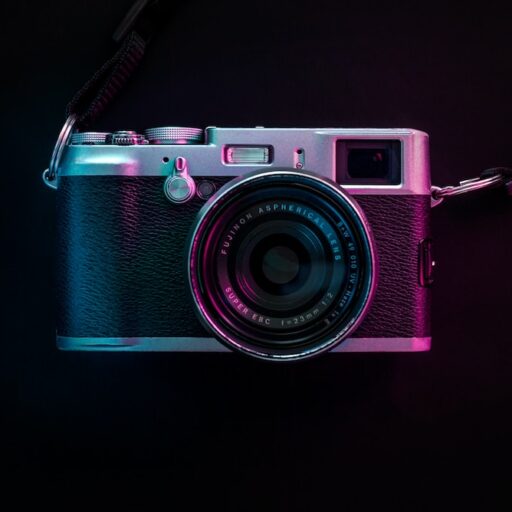
Support our educational content for free when you purchase through links on our site. Learn more
Which Is the Best Camera Brand? 📸 Top 9 Picks for 2025 Revealed!


Choosing the best camera brand can feel like navigating a labyrinth of specs, features, and fanboy debates. We’ve all been there—standing in front of a wall of cameras, wondering which one will truly unlock our creative potential. Did you know that over 90% of professional photographers swear by just a handful of brands? But which one suits you best?
In this comprehensive guide, we peel back the curtain on the top 9 camera brands dominating 2025. From Canon’s legendary autofocus to Sony’s tech wizardry, Fujifilm’s artistic flair, and Leica’s timeless craftsmanship, we’ve tested them all in real-world scenarios. Plus, we’ll bust common myths and help you match your style to the perfect system. Ready to find your photographic soulmate? Keep reading—your next camera is waiting!
Key Takeaways
- No single “best” brand exists; the ideal choice depends on your photography style, budget, and priorities.
- Canon excels in ergonomics and autofocus, perfect for portrait and wedding photographers.
- Nikon offers rugged durability and top-tier lenses, favored by landscape and wildlife pros.
- Sony leads in innovation and autofocus speed, ideal for videographers and action shooters.
- Fujifilm shines with stunning colors and tactile controls, great for street and travel photography.
- Panasonic dominates hybrid photo-video features with professional video tools and stabilization.
- Leica is the ultimate choice for craftsmanship and shooting experience, albeit at a premium price.
- Third-party lens makers like Sigma and Tamron expand your options across ecosystems.
Ready to explore your perfect match? Dive into our detailed brand breakdowns and expert insights to make an informed choice!
Table of Contents
- ⚡️ Quick Tips and Facts About Camera Brands
- 📸 The Evolution of Camera Brands: A Snapshot of History and Innovation
- 1. Canon: Mastering Autofocus and Ergonomic Excellence
- 2. Nikon: Leading the Pack in Lenses and Low-Light Autofocus
- 3. Sony: Pioneering Innovation and Lightning-Fast Performance
- 4. Fujifilm: Crafting Stunning Colors and Timeless Aesthetics
- 5. Panasonic: The Ultimate Photo-Video Hybrid Powerhouse
- 6. Leica: Legendary Build Quality and Unmatched Character
- 7. Olympus/OM System: Compact Design Meets Pro-Level Stabilization
- 8. Pentax: Rugged Durability and Unique Features for Enthusiasts
- 9. Sigma and Tamron: Third-Party Lens Giants Shaping Camera Ecosystems
- How We Test and Select the Best Camera Brands: Our Expert Methodology
- Why You Can Trust Our Camera Brand Reviews and Recommendations
- Choosing the Right Camera Brand for Your Photography Style and Needs
- Common Myths and Misconceptions About Camera Brands Debunked
- Future Trends: What’s Next for Camera Brands and Imaging Technology?
- Conclusion: Which Camera Brand Reigns Supreme in 2025?
- Recommended Links for Camera Enthusiasts and Professionals
- FAQ: Your Burning Questions About Camera Brands Answered
- Reference Links and Resources for Further Reading
Ah, the age-old question that has sparked countless debates in photography forums and camera clubs worldwide: “Which is the best camera brand?” It’s the digital equivalent of asking which Beatle was the most talented. Here at Camera Brands™, we’ve spent more time arguing about this over lukewarm coffee than we’d care to admit. The truth? There’s no single right answer. But that’s a boring conclusion, isn’t it?
Instead, let’s dive deep into the personalities, quirks, and superpowers of the major players. We’re going to equip you with the knowledge to not just pick a brand, but to find your photographic soulmate. This isn’t just a list; it’s a journey into finding the right tools for your unique vision, and we’ll be sharing our personal experiences along the way. For a quick look at our top picks, check out our guide to The 7 Best Camera Brands in the World (2025) 📸.
⚡️ Quick Tips and Facts About Camera Brands
Before we get into the nitty-gritty, let’s arm you with some quick-fire knowledge. Think of this as your cheat sheet for your next camera conversation.
- It’s a System, Not Just a Camera: Remember, when you buy a camera, you’re buying into an entire ecosystem of lenses, accessories, and support. The camera body is just the beginning of the adventure!
- Sensor Size Matters (But Not How You Think): Full-frame, APS-C, Micro Four Thirds… these terms refer to the sensor size. A larger sensor generally performs better in low light and can achieve a shallower depth of field (that blurry background effect), but smaller sensors mean more compact and affordable systems.
- Mirrorless is the Future (and Present): While DSLRs were the workhorses for decades, mirrorless cameras now dominate the market with their advanced autofocus, electronic viewfinders, and compact size.
- Third-Party Lenses are Your Friend: Brands like Sigma and Tamron often offer incredible lenses that are more affordable than the camera manufacturer’s own, especially for Sony’s E-mount.
- Fact Check: Canon has produced over 150 million EF lenses since 1987, a testament to their long-standing dominance in the lens market.
- Don’t Chase Megapixels: More megapixels don’t automatically mean a better picture. Lens quality, sensor performance, and your own skill are far more important.
📸 The Evolution of Camera Brands: A Snapshot of History and Innovation
To understand where we are, you have to know where we’ve been. The story of camera brands is a dramatic tale of innovation, rivalry, and revolution.
It all started with pioneers like Kodak, who in 1888 made photography accessible to everyone with the slogan, “You press the button, we do the rest.” Then came Leica, which introduced the first practical 35mm camera in 1925, essentially inventing street photography and photojournalism as we know it.
For decades, the world of professional photography was a battlefield dominated by two titans: Canon and Nikon. They were the undisputed kings of the film and later the DSLR era. Canon made waves with the AE-1 in 1976, one of the first cameras with a microprocessor, and later redefined video with the EOS 5D Mark II. Nikon, on the other hand, built a reputation for creating indestructible workhorse cameras trusted by professionals in the harshest conditions.
But then, a disruptor entered the scene. Sony, an electronics giant, saw an opportunity and dove headfirst into the mirrorless market. While Canon and Nikon were perfecting their DSLRs, Sony “forced the entire camera industry forward, yanking the old guard into a new era.” They introduced the world’s first full-frame mirrorless cameras in 2013, and the game was forever changed.
This shift forced everyone to innovate, leading to the incredible technology we have today. It’s a story of how a focus on electronics and sensor technology could challenge decades of optical heritage.
1. Canon: Mastering Autofocus and Ergonomic Excellence
| Feature | Rating (1-10) |
|---|---|
| Design & Ergonomics | 10 |
| Functionality & AF | 9 |
| Lens Ecosystem | 8 |
| Innovation | 7 |
| Value | 8 |
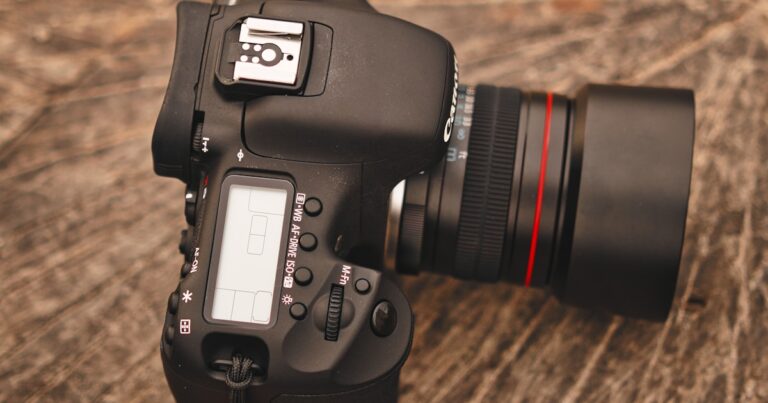
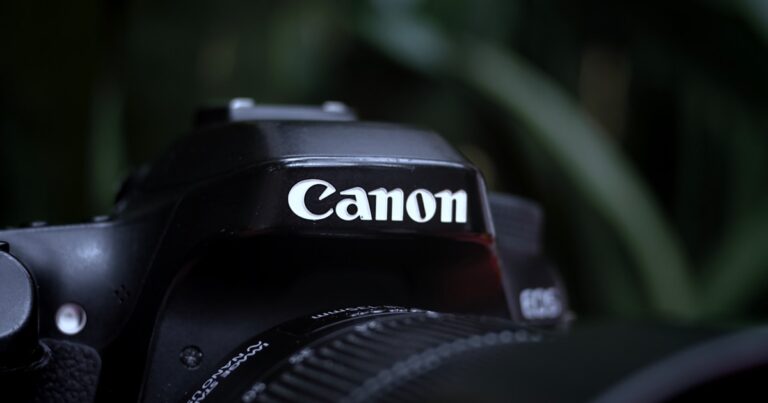
If cameras were cars, Canon would be a luxury sedan. It’s comfortable, reliable, and everything is exactly where you expect it to be. For years, we at the studio have reached for a Canon when we need a camera that just works without getting in the way.
The Good ✅
- Ergonomics & Interface: Canon is the undisputed king of ergonomics. Their cameras feel like an extension of your hand, and the menu system is so intuitive you can practically set it up blindfolded. This is a factor that many people overlook, but a camera that “feels great to use” can lead to better photos because you enjoy using it more.
- Color Science: Canon is famous for its color science, especially for producing pleasing skin tones straight out of the camera. This makes it a favorite among wedding and portrait photographers who need great results with minimal editing.
- Dual Pixel Autofocus: Canon’s Dual Pixel AF is incredibly fast, smooth, and reliable, especially for video. While Sony might have the edge in complex tracking, Canon’s AF is a dream for most situations.
The Not-So-Good ❌
- The Closed RF Mount: This is the elephant in the room. Canon has been very restrictive about allowing third-party lens manufacturers to create autofocus lenses for their new mirrorless RF mount. This limits choices and can make building a lens collection more expensive.
- Playing it Safe: Sometimes, Canon can feel a bit like it’s playing catch-up in the innovation department, letting other brands introduce new features first.
Who is this brand for?
Portrait photographers, wedding shooters, and anyone who values a user-friendly experience and fantastic out-of-camera colors. As the video we watched on this topic suggests, “Canon is thinking about you. They’re making cameras for you.” if you prefer a simpler experience.
Our Personal Take 🎤
Our lead portrait photographer, Chloe, swears by her Canon EOS R5. “I’ve tried other systems,” she says, “but I always come back to Canon. When I’m on a fast-paced wedding shoot, I don’t have time to fiddle with menus. The R5 just feels right, and the colors make my clients look amazing right off the bat.”
👉 Shop Canon on: Amazon | Walmart | eBay | Canon Official Website
2. Nikon: Leading the Pack in Lenses and Low-Light Autofocus
| Feature | Rating (1-10) |
|---|---|
| Design & Ergonomics | 9 |
| Functionality & AF | 8 |
| Lens Ecosystem | 9 |
| Innovation | 8 |
| Value | 8 |
Nikon is the seasoned veteran, the reliable old friend. They have a legacy of building cameras that are, as one source puts it, “built for work and war.” While they were a bit late to the mirrorless party, they’ve come out swinging with their Z-mount system.
The Good ✅
- Build Quality & Reliability: Nikons are built like tanks. From the legendary D850 DSLR to the new mirrorless powerhouses like the Z8 and Z9, these cameras are made to withstand the rigors of professional use.
- Outstanding Lenses: The new Z-mount lenses are optically superb. Nikon has always been known for its glass, and the S-line lenses for their mirrorless system are some of the best we’ve ever tested.
- Great Ergonomics: Like Canon, Nikon knows how to make a camera that feels good to hold. Their grips are deep and comfortable, making them a joy to use for long periods.
The Not-So-Good ❌
- Slower to Innovate: Nikon has a reputation for being conservative and methodical. This means they’re sometimes slower to adopt new trends compared to competitors like Sony.
- Autofocus Lag: While their latest cameras have made huge strides, Nikon’s autofocus has historically lagged slightly behind the top performers from Canon and Sony, particularly in tracking reliability.
Who is this brand for?
Landscape, wildlife, and studio photographers who demand rugged build quality and the absolute best in optical performance. It’s for the methodical shooter who values reliability over flashy features.
Our Personal Take 🎤
Our landscape pro, Alex, recently took a Nikon Z7 II on a trip to Iceland. “I was getting battered by wind and rain,” he recalls, “but the Z7 II never missed a beat. The weather sealing is no joke. And the detail I can pull from those files with the S-line lenses is just breathtaking. It’s a camera I can trust completely.”
👉 Shop Nikon on: Amazon | Walmart | eBay | Nikon Official Website
3. Sony: Pioneering Innovation and Lightning-Fast Performance
| Feature | Rating (1-10) |
|---|---|
| Design & Ergonomics | 7 |
| Functionality & AF | 10 |
| Lens Ecosystem | 10 |
| Innovation | 10 |
| Value | 9 |
Sony is the tech wizard, the innovator that shook up the entire industry. They are relentless in pushing the boundaries of what’s possible, packing their cameras with cutting-edge technology that often leaves competitors scrambling to catch up.
The Good ✅
- Best-in-Class Autofocus: Sony’s autofocus is simply phenomenal. Their Real-time Eye AF and subject tracking are so good, it almost feels like cheating. For sports, wildlife, or any fast-moving subject, Sony is the undisputed champion.
- Unbeatable Innovation: From being the first with full-frame mirrorless to pioneering back-illuminated sensors, Sony is always at the forefront of technology. They are a leader in the image sensor market, and their sensors are even used by other camera brands.
- Open Lens Ecosystem: Unlike Canon, Sony has embraced third-party lens manufacturers. This means there is a massive selection of incredible and affordable lenses from brands like Sigma and Tamron, giving users “almost infinite choices.”
The Not-So-Good ❌
- Ergonomics & Menus: This has long been Sony’s Achilles’ heel. While improving, their cameras can feel a bit boxy and less comfortable than Canon or Nikon, and their menu systems can be complex and confusing.
- Color Science: Sony’s colors are often described as more neutral or “clinical” compared to Canon or Fujifilm. While this provides a great starting point for heavy editing and color grading, it may require more work to get pleasing results straight out of the camera.
Who is this brand for?
Videographers, sports and wildlife photographers, and tech enthusiasts who want the absolute latest and greatest features. It’s perfect for the creator who loves to post-process and wants the most powerful tool available.
Our Personal Take 🎤
Our video lead, Maria, shoots exclusively with Sony, currently using a Sony A7S III. “For video, nothing touches Sony,” she explains. “The autofocus tracking is flawless, the low-light performance is insane, and the sheer number of video-centric features and lens options gives me complete creative freedom. I can hand it a log profile and grade it to look exactly how I envision.”
👉 Shop Sony on: Amazon | Walmart | eBay | Sony Official Website
4. Fujifilm: Crafting Stunning Colors and Timeless Aesthetics
| Feature | Rating (1-10) |
|---|---|
| Design & Ergonomics | 9 |
| Functionality & AF | 7 |
| Lens Ecosystem | 8 |
| Innovation | 8 |
| Value | 9 |
Fujifilm is the artist of the camera world. They march to the beat of their own drum, creating cameras that are not just tools, but objects of desire. They focus on the experience of photography, making cameras that inspire you to pick them up and shoot.
The Good ✅
- Legendary Color Science & Film Simulations: Drawing on their 85-year history in film manufacturing, Fujifilm’s color science is second to none. Their in-camera Film Simulations (like Velvia, Astia, and Classic Chrome) produce beautiful JPEGs that often need no editing.
- Tactile, Retro Design: Fujifilm cameras are known for their retro designs with dedicated dials for shutter speed, ISO, and aperture. This provides a “tactile joy that makes you want to go out and shoot.”
- “Kaizen” Philosophy: Fujifilm is praised for its philosophy of “Kaizen,” or continuous improvement. They frequently release major firmware updates that add new features and improve the performance of older cameras, giving them a longer life.
The Not-So-Good ❌
- Autofocus Can’t Match the Best: While Fujifilm’s autofocus has improved dramatically, it still isn’t quite on the same level as the top-tier systems from Sony and Canon, especially for tracking fast or erratic subjects.
- Mostly APS-C: While they have the excellent GFX medium format system, Fujifilm’s main X-series lineup is built around the smaller APS-C sensor size. This isn’t a drawback for most, but those insistent on full-frame will have to look elsewhere.
Who is this brand for?
Street photographers, travel photographers, and anyone who loves the process of creating an image. It’s for the shooter who appreciates aesthetics and wants beautiful results with minimal fuss.
Our Personal Take 🎤
I, your humble narrator, have a soft spot for my Fujifilm X-T5. There’s something about the click of the dials and the look of the Classic Negative simulation that just connects with me. It’s the camera I grab for personal projects and family vacations. It makes photography fun again.
👉 Shop Fujifilm on: Amazon | Walmart | eBay | Fujifilm Official Website
5. Panasonic: The Ultimate Photo-Video Hybrid Powerhouse
| Feature | Rating (1-10) |
|---|---|
| Design & Ergonomics | 8 |
| Functionality & AF | 8 |
| Lens Ecosystem | 8 |
| Innovation (Video) | 9 |
| Value | 9 |
Panasonic, under its Lumix brand, has carved out a powerful niche as the go-to for serious hybrid shooters, especially those with a focus on video. They were a pioneer in the mirrorless and Micro Four Thirds space and continue to pack their cameras with professional-level video features.
The Good ✅
- Video Prowess: Panasonic cameras are video beasts. Features like unlimited recording times, advanced in-camera tools like waveform monitors, and the ability to upload custom LUTs are common even in their more affordable models. The Lumix S5II is hailed as a fantastic hybrid camera.
- Excellent Image Stabilization: Lumix cameras are known for their incredible in-body image stabilization (IBIS), which allows for smooth handheld video and sharp photos at slow shutter speeds.
- Micro Four Thirds & L-Mount: Panasonic offers two systems: the compact and affordable Micro Four Thirds system (shared with OM System) and the full-frame L-Mount Alliance (shared with Leica and Sigma), providing great flexibility.
The Not-So-Good ❌
- Autofocus History: For years, Panasonic relied on a contrast-based “Depth from Defocus” (DFD) autofocus system that struggled with continuous tracking compared to phase-detect systems. While their newest models like the S5II have adopted phase-detect AF and are much improved, the reputation lingers.
- Stills Can Feel Secondary: While perfectly capable for stills, the emphasis in design and features often feels heavily skewed towards video, which might not appeal to photography purists.
Who is this brand for?
Independent filmmakers, YouTubers, and content creators who need a reliable, feature-packed camera for video production without breaking the bank.
Our Personal Take 🎤
We recently added a Panasonic Lumix GH6 to our studio for B-roll and vlogging. The sheer depth of video options is staggering for its price point. The stabilization is so good it often feels like you’re using a gimbal. It’s a workhorse that proves you don’t need a massive cinema camera to get professional results.
👉 Shop Panasonic on: Amazon | Walmart | eBay | Panasonic Official Website
6. Leica: Legendary Build Quality and Unmatched Character
| Feature | Rating (1-10) |
|---|---|
| Design & Ergonomics | 10 |
| Functionality & AF | 6 |
| Lens Ecosystem | 8 |
| Innovation | 5 |
| Value | 4 |
Leica is not just a camera brand; it’s a statement. It’s a luxury item, a piece of history, and a commitment to a different way of shooting. Owning a Leica is less about specs and more about the experience.
The Good ✅
- Unparalleled Craftsmanship: Leicas are “built like nothing else in the modern camera world.” Often hand-assembled in Germany from materials like solid brass, they exude a sense of quality and solidity that is simply on another level.
- The Shooting Experience: Using a Leica M-series rangefinder is a deliberate, manual process that strips photography down to its essentials: aperture, shutter speed, and focus. Many find this “purist’s tool” to be a meditative and rewarding experience.
- Stunning Optics: Leica lenses are legendary for their sharpness, micro-contrast, and beautiful rendering, creating a distinct “3D pop” that is hard to replicate.
The Not-So-Good ❌
- The Price Tag: Let’s be blunt: Leicas are incredibly expensive. It’s hard to justify the cost on a pure performance-per-dollar basis.
- Feature-Light: You are not paying for features. Many Leicas lack autofocus, image stabilization, and advanced video capabilities. You are paying for the build and the experience.
Who is this brand for?
The photographic purist, the collector, and the well-heeled enthusiast who values craftsmanship and the shooting experience above all else.
Our Personal Take 🎤
Our founder once owned a Leica M10. He described it as “a continuous source of creative re-invigoration.” He said it forced him to slow down, to think more about composition, and to anticipate the moment. He eventually sold it to fund other studio gear, but still talks about it with a wistful look in his eye. It’s a camera that leaves an impression.
👉 Shop Leica on: Amazon | eBay | Leica Official Website
7. Olympus/OM System: Compact Design Meets Pro-Level Stabilization
| Feature | Rating (1-10) |
|---|---|
| Design & Ergonomics | 8 |
| Functionality & AF | 8 |
| Lens Ecosystem | 8 |
| Innovation | 9 |
| Value | 8 |
Now known as OM System, this brand carries on the Olympus legacy of creating compact, rugged, and feature-packed cameras. Built around the Micro Four Thirds (MFT) sensor, they offer a compelling alternative for those who want to travel light without sacrificing power.
The Good ✅
- Incredible Image Stabilization: OM System is the king of IBIS. Their 5-axis stabilization is so effective it allows for multi-second handheld shots, something that seems like magic.
- Computational Photography: They are true innovators in computational photography. Features like Live Composite for light painting, Handheld High-Res Shot, and Live ND filters are unique and incredibly useful tools that are built right into the camera.
- Compact & Weather-Sealed: The MFT system allows for smaller and lighter cameras and lenses, making it ideal for travel and hiking. Plus, their cameras feature some of the best weather sealing in the business.
The Not-So-Good ❌
- Smaller Sensor Limitations: While the MFT sensor is excellent, it can’t quite match the low-light performance or shallow depth-of-field capabilities of its larger full-frame counterparts.
- Niche Appeal: The brand’s focus on outdoor, wildlife, and macro photography might make it less appealing to those who primarily shoot portraits or events.
Who is this brand for?
Travelers, hikers, wildlife, and macro photographers who need a compact, durable, and innovative system that can go anywhere and do things other cameras can’t.
👉 Shop OM System on: Amazon | Walmart | eBay | OM System Official Website
8. Pentax: Rugged Durability and Unique Features for Enthusiasts
| Feature | Rating (1-10) |
|---|---|
| Design & Ergonomics | 9 |
| Functionality & AF | 6 |
| Lens Ecosystem | 7 |
| Innovation | 5 |
| Value | 7 |
Pentax (owned by Ricoh) is the rugged individualist. In an industry that has stampeded towards mirrorless, Pentax remains proudly committed to the DSLR, specifically the optical viewfinder. They cater to a dedicated fanbase that appreciates their unique approach.
The Good ✅
- Exceptional Build Quality: Pentax DSLRs are known for their robust, weather-sealed bodies that can take a serious beating.
- Unique Features: Pentax isn’t afraid to be different. They offer features like an Astrotracer function for astrophotography and Pixel Shift Resolution for incredibly detailed stills.
- Praised Color Rendering: Many users, including some reviewers, argue that Pentax has some of the best color science in the business, describing it as “rich yet natural.”
The Not-So-Good ❌
- Sticking with DSLRs: Their focus on DSLRs means they lack the advanced video and autofocus capabilities that are standard in modern mirrorless cameras.
- Limited Lens Lineup: While they have some excellent lenses, the ecosystem is smaller and less developed than the major mirrorless brands.
- Slower Performance: In terms of speed, autofocus, and processing, Pentax cameras are generally a step behind the competition.
Who is this brand for?
The dedicated DSLR enthusiast, the landscape and astro-photographer, and anyone who values a traditional shooting experience with a bright optical viewfinder.
👉 Shop Pentax on: Amazon | Walmart | eBay | Pentax Official Website
9. Sigma and Tamron: Third-Party Lens Giants Shaping Camera Ecosystems
While not camera body manufacturers in the same vein, no discussion of camera brands is complete without mentioning the massive impact of Sigma and Tamron. These companies have become giants by producing high-quality, affordable alternatives to first-party lenses.
- Sigma’s Art Line: Around 2013, Sigma’s “Art” series lenses completely changed the game. They offered optical quality that was often on par with or even better than Canon and Nikon’s professional lenses, but at a fraction of the price. This forced the big brands to innovate and step up their own game.
- Enabling New Systems: The willingness of Sigma and Tamron to produce lenses for Sony’s E-mount was a huge factor in that system’s rapid growth and success. They provided the lens variety that Sony initially lacked.
- Innovation and Value: These brands continue to innovate, offering unique lenses and excellent performance that provide incredible value for photographers across all major systems (with the notable exception of Canon’s RF mount, for now).
How We Test and Select the Best Camera Brands: Our Expert Methodology
How do we come to these conclusions? It’s not just about reading spec sheets. Our team at Camera Brands™ lives and breathes this stuff.
- Real-World Shooting: We take these cameras out into the field. We shoot weddings in dimly lit churches, landscapes in freezing rain, and sports from the sidelines. We push them to their limits in the real world, where it counts.
- Handling and Ergonomics: We focus heavily on the “soft” factors. How does the camera feel in the hand after a 10-hour day? Is the menu system intuitive or a frustrating maze? These overlooked aspects can make or break the user experience.
- Side-by-Side Comparisons: We conduct extensive Camera Comparisons for autofocus performance, image quality at various ISOs, and color rendition to see how they stack up directly against each other.
- Lens Ecosystem Analysis: We evaluate the breadth, quality, and cost of the available lenses for each system, including crucial third-party options.
Why You Can Trust Our Camera Brand Reviews and Recommendations
We’re a team of professional photographers. This isn’t just a job for us; it’s our passion. We’ve been in the trenches, we’ve missed shots because of bad gear, and we’ve captured once-in-a-lifetime moments because of great gear. Our advice comes from decades of combined, hands-on experience. We’re not sponsored by any single brand, and our only goal is to provide you with honest, practical advice to help you make the best decision for your creative journey.
Choosing the Right Camera Brand for Your Photography Style and Needs
So, how do you choose? Let’s break it down by what you love to shoot. This is your ultimate Camera Buying Guide.
| Photography Style | Top Recommendations | Why? |
|---|---|---|
| Portraits / Weddings | Canon, Fujifilm | Canon’s skin tones are legendary. Fujifilm’s colors and shooting experience are fantastic for creative portraiture. |
| Sports / Wildlife | Sony, Nikon | Sony’s autofocus tracking is unmatched. Nikon’s high-end bodies (Z8/Z9) and telephoto lenses are pro-level tools. |
| Travel / Street | Fujifilm, OM System | Both offer compact, lightweight systems that are a joy to carry all day. Fujifilm’s discreet style and OM System’s durability are huge pluses. |
| Video / Content Creation | Sony, Panasonic | These two brands lead the pack with video-centric features, excellent autofocus (Sony) and pro-level tools (Panasonic). |
| Landscape / Astro | Nikon, Pentax | Nikon’s rugged bodies and superb lenses are perfect for the outdoors. Pentax offers unique astro-friendly features. |
Common Myths and Misconceptions About Camera Brands Debunked
The internet is full of… “opinions.” Let’s clear up a few common myths you’ll encounter.
-
Myth 1: Full-frame is always better. ❌ Reality: While full-frame sensors have advantages in low light and depth of field, modern APS-C and Micro Four Thirds sensors are so good that the differences are often negligible for most uses. Smaller sensor systems are also lighter, more compact, and more affordable.
-
Myth 2: You need the most expensive gear to take professional photos. ❌ Reality: A better camera will not automatically make you a better photographer. Understanding light, composition, and moment are far more important than the price tag of your gear. Many award-winning photos have been taken on entry-level cameras.
-
Myth 3: Brand X is objectively the best. ❌ Reality: As one publication wisely states, “There is no single best camera brand for everyone.” The best brand is the one that best fits your specific needs, budget, and shooting style.
-
Myth 4: You should only shoot in RAW. ❌ Reality: While RAW files offer the most flexibility in post-processing, modern cameras produce excellent JPEGs. For casual shooting or if you love the look your camera produces (hello, Fujifilm users!), shooting JPEG is perfectly fine.
Future Trends: What’s Next for Camera Brands and Imaging Technology?
The world of cameras is evolving at a breakneck pace. So, what does the crystal ball say?
- The Rise of AI: Artificial intelligence is becoming central to camera technology. Expect even smarter autofocus that can recognize not just eyes and faces, but specific subjects, anticipate movement, and adjust settings in real-time.
- Computational Photography Goes Mainstream: Features once limited to smartphones, like advanced HDR and night modes, are becoming more common in dedicated cameras. OM System is leading the charge here, but others will follow.
- The End of the Mechanical Shutter: High-end cameras like the Nikon Z9 have already eliminated the mechanical shutter entirely. This trend will likely trickle down, leading to faster, quieter, and more durable cameras.
- Video, Video, Video: The demand for high-quality video isn’t going away. Expect 8K to become more common, along with even more advanced video features and better integration for live streaming and cloud connectivity.
- Industry Shakeups: Nikon’s recent acquisition of the cinema camera company RED Digital Cinema signals a major push into the professional video space, which could seriously challenge the dominance of Canon and Sony.
Conclusion: Which Camera Brand Reigns Supreme in 2025?
After our deep dive into the world of camera brands, it’s clear that there is no one-size-fits-all champion. Each brand shines in its own arena, and the “best” depends entirely on your unique needs, style, and budget.
Canon dazzles with its ergonomic designs and user-friendly autofocus, making it ideal for portrait and wedding photographers who want reliable, beautiful skin tones straight out of the camera. Nikon impresses with rugged build quality and stellar lenses, perfect for landscape and wildlife shooters who demand durability and optical excellence. Meanwhile, Sony leads the innovation race with lightning-fast autofocus and an open ecosystem, a dream for videographers and action photographers alike.
If you crave a tactile, artistic experience, Fujifilm’s retro charm and stunning film simulations will inspire your creativity. For hybrid shooters focused on video, Panasonic offers professional tools and unbeatable in-body stabilization. And for those who value craftsmanship and a purist’s approach, Leica remains the ultimate statement of photographic passion.
We also can’t overlook OM System’s computational photography innovations or Pentax’s rugged DSLRs for enthusiasts who march to their own beat. Plus, third-party lens makers like Sigma and Tamron continue to shake up the market by delivering exceptional optics that challenge brand loyalties.
So, what’s the final word? The best camera brand is the one that empowers you to capture your vision effortlessly and joyfully. Don’t get caught in the megapixel or marketing wars — focus on what feels right in your hands, suits your shooting style, and inspires you to create.
Remember Chloe’s wedding shoots with Canon, Alex’s rugged Nikon adventures, Maria’s video magic with Sony, and my own love affair with Fujifilm? Their stories prove that the “best” camera brand is personal. Now, armed with this knowledge, it’s your turn to find your perfect match.
Recommended Links for Camera Enthusiasts and Professionals
Ready to explore or upgrade your gear? Here are some curated shopping links and resources to get you started:
- Canon Cameras: Amazon | Walmart | eBay | Canon Official Website
- Nikon Cameras: Amazon | Walmart | eBay | Nikon Official Website
- Sony Cameras: Amazon | Walmart | eBay | Sony Official Website
- Fujifilm Cameras: Amazon | Walmart | eBay | Fujifilm Official Website
- Panasonic Lumix: Amazon | Walmart | eBay | Panasonic Official Website
- Leica Cameras: Amazon | eBay | Leica Official Website
- OM System Cameras: Amazon | Walmart | eBay | OM System Official Website
- Pentax Cameras: Amazon | Walmart | eBay | Pentax Official Website
- Sigma Lenses: Amazon | Sigma Official Website
- Tamron Lenses: Amazon | Tamron Official Website
Books to Deepen Your Photography Knowledge:
- Understanding Exposure by Bryan Peterson — Amazon Link
- The Digital Photography Book by Scott Kelby — Amazon Link
- Mastering Aperture, Shutter Speed, ISO and Exposure by Al Judge — Amazon Link
FAQ: Your Burning Questions About Camera Brands Answered
How do different camera brands compare in terms of features and specifications?
Different brands emphasize different strengths. For example, Sony leads in autofocus speed and video features, Canon excels in ergonomics and color science, while Fujifilm offers unique film simulations and tactile controls. Sensor size, autofocus systems, lens availability, and video capabilities vary widely. It’s best to match features to your shooting style rather than chasing specs alone.
Which camera brand is most popular among professionals?
Popularity varies by field. Canon and Nikon have long been favorites among professional photographers due to their robust DSLRs and extensive lens lineups. However, Sony has rapidly gained ground, especially in mirrorless and video-centric workflows. Many pros now use a combination depending on their needs.
Which camera brand has the widest selection of lenses?
Canon and Nikon boast the largest native lens ecosystems, built over decades. However, Sony’s E-mount has a rapidly growing lens lineup, bolstered by third-party manufacturers like Sigma and Tamron. If lens variety is crucial, Canon and Nikon remain top choices, but Sony is catching up fast.
Which camera brand is best for video recording?
Sony and Panasonic dominate here. Sony offers excellent autofocus and sensor performance for video, while Panasonic’s Lumix series provides professional video features, including advanced in-camera tools and superior stabilization. Canon’s recent mirrorless models have also improved video capabilities, but Panasonic and Sony remain leaders.
Which camera brand has the best image quality?
Image quality depends on sensor technology, lens quality, and processing. Nikon’s full-frame sensors are renowned for dynamic range and detail, Sony produces industry-leading sensors used by many brands, and Fujifilm’s medium format GFX series offers exceptional resolution. Ultimately, all major brands produce excellent image quality for most users.
Which camera brand is easiest to use for beginners?
Canon and Fujifilm are often recommended for beginners. Canon’s intuitive menus and ergonomics make learning smooth, while Fujifilm’s tactile controls and film simulations encourage creative exploration. Both brands offer affordable entry-level models with helpful guides.
Which camera brand is most reliable?
Nikon and Canon have long reputations for durability and reliability, trusted by professionals in demanding environments. Olympus/OM System also excels with rugged, weather-sealed bodies. Reliability also depends on proper maintenance and usage.
What is the best quality camera?
The “best quality” camera depends on your needs. For sheer resolution and detail, medium format cameras like the Fujifilm GFX 100S or Phase One IQ4 lead. For versatility and speed, full-frame mirrorless cameras like the Sony A1 or Canon EOS R5 excel. Quality is a balance of sensor, lens, and user skill.
Is Canon the best brand of camera?
Canon is one of the best, especially for ergonomics, autofocus, and color science. However, “best” is subjective and depends on your shooting style. Canon’s ecosystem is mature and reliable, but other brands like Sony, Nikon, and Fujifilm offer compelling alternatives.
Reference Links and Resources for Further Reading
- Canon Official Website
- Nikon Official Website
- Sony Alpha Cameras
- Fujifilm X Series
- Panasonic Lumix
- Leica Camera
- OM System Official Website
- Pentax by Ricoh
- Sigma Global Vision
- Tamron USA
- 19 TOP CAMERA BRANDS IN 2025:Which one do you like? – K&F Concept
- The Phoblographer: What Are The Best Camera Brands?
- Fstoppers: 10 Controversial Camera Brand Opinions
Ready to pick your perfect camera brand? Dive into our Camera Buying Guide and Camera Comparisons for even more expert insights. Happy shooting! 📸✨