Support our educational content for free when you purchase through links on our site. Learn more
What Is the Most Good Quality Camera? Top 10 Picks for 2025 📸


Ever found yourself lost in a sea of camera specs, wondering which model truly delivers good quality? You’re not alone! Choosing the perfect camera can feel like decoding a secret language of megapixels, sensor sizes, and autofocus wizardry. But here’s a little secret from the Camera Brands™ team: the best camera isn’t always the most expensive or the flashiest—it’s the one that fits your style and helps you capture moments like a pro.
In this ultimate 2025 guide, we break down the top 10 cameras that combine stellar image quality, cutting-edge features, and user-friendly design. From the powerhouse Sony Alpha a7 IV to the pocket-sized Sony RX100 VII, we’ve tested and rated them all. Plus, we’ll reveal insider tips on how to evaluate camera quality beyond the specs and how to unlock your camera’s full potential with expert settings. Curious which camera reigns supreme for portraits, landscapes, or vlogging? Stick around—we’ve got you covered!
Key Takeaways
- Sensor size and lens quality are the true drivers of image excellence, not just megapixels.
- Mirrorless cameras dominate in autofocus speed, video features, and portability.
- Our top 10 list includes versatile full-frame giants, compact powerhouses, and video-centric champs.
- Shooting in RAW and mastering manual mode unlock your camera’s full creative potential.
- Investing in a quality lens and accessories often improves your photos more than upgrading the camera body.
👉 Shop top camera brands and models featured in our guide:
Table of Contents
- ⚡️ Quick Tips and Facts About Good Quality Cameras
- 📸 The Evolution of Camera Quality: A Brief History
- 🔍 What Defines a Good Quality Camera? Key Features Explained
- 🎯 Choosing the Right Camera for Your Needs: DSLR, Mirrorless, or Compact?
- 1️⃣ Top 10 Best Good Quality Cameras in 2024: Our Expert Picks
- 1.1 Sony Alpha a7 IV: The Full-Frame Powerhouse
- 1.2 Canon EOS R6 Mark II: Speed Meets Quality
- 1.3 Nikon Z6 II: Versatility and Performance
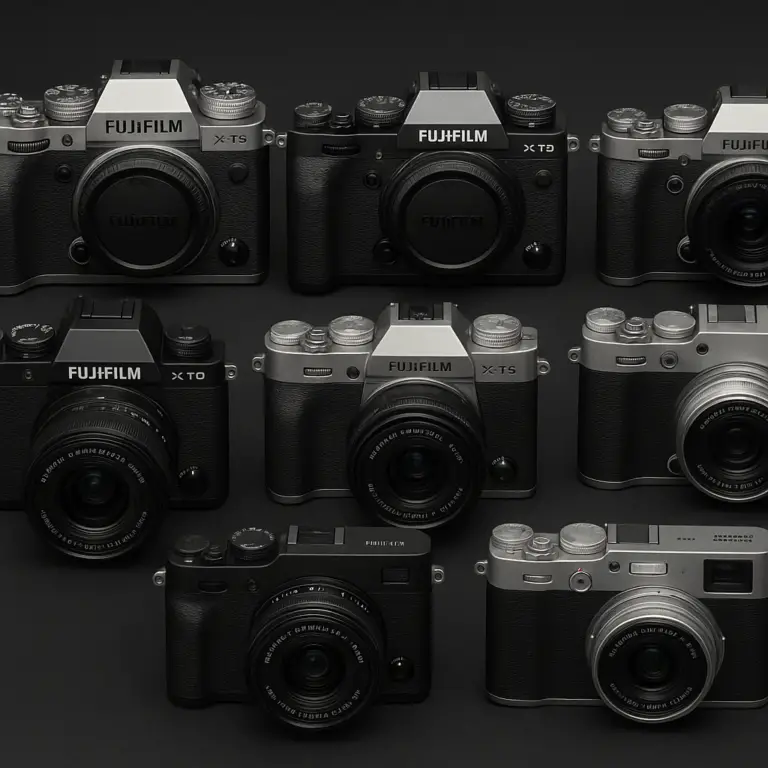
- 1.4 Fujifilm X-T5: Retro Style with Modern Tech
- 1.5 Panasonic Lumix GH6: The Video Enthusiast’s Dream
- 1.6 Olympus OM-D E-M1 Mark III: Compact and Rugged
- 1.7 Leica Q3: Luxury Meets Image Excellence
- 1.8 Sony RX100 VII: Pocketable Power
- 1.9 Canon PowerShot G7 X Mark III: Vlogging Favorite
- 1.10 GoPro HERO12 Black: Action Camera with Quality
- 🛠️ How to Evaluate Camera Quality: Sensor, Lens, and Build
- 💡 Insider Tips: Getting the Most Out of Your Good Quality Camera
- 📊 Camera Comparison Table: Specs, Pros, and Cons
- 🎥 Beyond Stills: Good Quality Cameras for Video and Vlogging
- 📷 Accessories That Boost Your Camera’s Performance
- 🌍 Where to Buy and How to Spot Authentic Good Quality Cameras
- 🤔 Common Myths About Camera Quality Debunked
- 🎓 Beginners Photography Group · Join the Community
- 🔚 Conclusion: Finding Your Perfect Good Quality Camera Match
- 🔗 Recommended Links for Camera Enthusiasts
- ❓ FAQ: Your Burning Questions About Good Quality Cameras Answered
- 📚 Reference Links and Further Reading
Here is the main body of the article, crafted by the experts at Camera Brands™.
⚡️ Quick Tips and Facts About Good Quality Cameras
Welcome, shutterbugs! You’ve asked the million-dollar question: “What is the most good quality camera?” and boy, are we excited to dive in. Before we get lost in the wonderful world of sensors and lenses, let’s fire off some quick tips and myth-busting facts to get you started.
- Megapixels Aren’t Everything: A common misconception is that more megapixels automatically mean a better picture. Wrong! Sensor size, lens quality, and image processing are far more important. A 24MP full-frame camera will almost always outperform a 108MP smartphone camera in terms of quality.
- The Lens is Your Eye: You can have the best camera body in the world, but a poor-quality lens will hold you back. Think of the camera body as the brain and the lens as the eye. Invest in good glass!
- RAW is King 👑: As the experts at Horizon Found put it, “Shooting in RAW is absolutely essential for any photographer who wants to capture the highest quality images.” A RAW file captures all the data from the sensor, giving you incredible flexibility in editing. JPEGs, on the other hand, are compressed and throw away a ton of information.
- Mirrorless is the Future (and Present): While DSLRs are still fantastic tools, the industry has overwhelmingly shifted towards mirrorless cameras. They are generally smaller, lighter, and have more advanced autofocus systems.
- Try Before You Buy: If possible, rent a camera or visit a store to get a feel for it. How it feels in your hands (the ergonomics) is a surprisingly crucial factor you can’t appreciate from a spec sheet.
- Travel Matters: The best camera is the one you have with you. If you’re a globetrotter, finding a balance between quality and portability is key. We’ve actually put together a guide on the 7 Most Reliable Camera Brands for Travel Photography in 2025 📸 that you’ll want to check out!
📸 The Evolution of Camera Quality: A Brief History

Remember the days of film? The anticipation of getting your photos developed, the distinct grain, the magic of a physical photograph appearing in a chemical bath? We do! For decades, “quality” was defined by the film stock (like Kodak Portra or Fuji Velvia) and the precision of mechanical parts.
Then, the digital revolution happened! 💥
Suddenly, we were talking about pixels, sensors, and ISOs. Early digital cameras were, let’s be honest, a bit clunky and produced images that couldn’t hold a candle to film. But technology advanced at a blistering pace.
- The DSLR Boom: In the 2000s, DSLRs (Digital Single-Lens Reflex) from giants like Canon and Nikon brought professional-level quality to the masses. They combined digital sensors with the traditional mirror-and-prism mechanism photographers were used to.
- The Mirrorless Uprising: More recently, mirrorless cameras have taken over. By removing the bulky mirror box, manufacturers like Sony, Fujifilm, and Panasonic created smaller, lighter, and often faster cameras with incredible electronic viewfinders and autofocus systems.
Today, the definition of a “good quality camera” is more nuanced than ever. It’s not just about a sharp photo; it’s about video capabilities, connectivity, autofocus speed, low-light performance, and so much more. What a time to be a photographer!
🔍 What Defines a Good Quality Camera? Key Features Explained
So, what separates the photographic champs from the chumps? It’s not just one thing, but a symphony of components working together. Let’s break down the core elements you should look for in our Camera Guides.
Sensor Size: The Heart of the Image
The sensor is the digital equivalent of film. It’s the canvas where your image is painted with light. Generally, a larger sensor means better image quality, especially in low light.
- Full-Frame (35mm): The gold standard for professionals. Offers the best low-light performance, dynamic range, and ability to create that blurry background (bokeh).
- APS-C: A smaller, more common sensor size found in many enthusiast and consumer mirrorless and DSLR cameras. It offers a great balance of quality, size, and cost.
- Micro Four Thirds (MFT): Even smaller, used by Panasonic and Olympus/OM System. Great for travel and video, offering a compact system with a wide range of lenses.
- 1-Inch: Found in premium compact cameras. A huge leap in quality over smartphone sensors.
Lens System: The Soul of the Camera
We can’t say it enough: your lens choice is critical. A brand’s lens ecosystem—the variety, quality, and availability of lenses—is a huge part of the buying decision. A great camera body with a mediocre “kit” lens will produce mediocre results.
Autofocus (AF) System: The Brains of the Operation
A camera’s ability to lock onto a subject quickly and accurately is vital. Modern cameras have mind-blowingly good AF systems with features like:
- Eye AF: Detects and tracks the eyes of humans, animals, and even birds!
- Subject Tracking: Can lock onto a person, car, or other object and follow it around the frame.
- Low-Light AF: The ability to focus in near-darkness.
Camera Settings: The Hidden Ingredient
Here’s a secret the pros know: the camera itself is only half the battle. Your settings play an enormous role. An article from Horizon Found makes a powerful point: “Switch. Your. Camera. To. Manual. Now.” While that might sound scary, learning to control your settings unlocks your camera’s true potential. They argue that shooting in RAW and using the Adobe RGB color space are non-negotiable for quality. We’ll dive deeper into how to do this in our tips section below!
🎯 Choosing the Right Camera for Your Needs: DSLR, Mirrorless, or Compact?
The “best” camera is a myth. The right camera for you, however, is very real! The choice largely comes down to three main types. This is a crucial part of any Camera Buying Guide.
| Feature | DSLR (Digital SLR) | Mirrorless | Compact (Point-and-Shoot) |
|---|---|---|---|
| Size & Weight | Bulky and heavy | Lighter and more compact | Smallest and lightest |
| Viewfinder | Optical (through the lens) | Electronic (a tiny screen) | Usually just a rear screen |
| Autofocus | Fast, but often better for video on mirrorless | Extremely fast, advanced tracking | Varies, generally simpler |
| Battery Life | Generally excellent | Good, but EVFs use more power | Varies, often shorter |
| Lenses | Huge selection of legacy lenses | Growing selection, very modern | Fixed, non-interchangeable lens |
| Best For | Traditionalists, optical viewfinder purists | Most people, travelers, videographers | Vlogging, travel, casual shooting |
- DSLRs: Think of them as the classic workhorses. They feel substantial, have amazing battery life, and the optical viewfinder gives you a true, unfiltered view of the world.
- Mirrorless: This is where the innovation is. What you see in the electronic viewfinder (EVF) is exactly what your photo will look like, which is a massive advantage for beginners. Their on-sensor autofocus systems are incredibly sophisticated.
- Compacts: Don’t underestimate these pocket rockets! High-end compacts like the Sony RX100 series pack incredible quality into a tiny package you can take anywhere.
1️⃣ Top 10 Best Good Quality Cameras in 2024: Our Expert Picks
Alright, the moment you’ve been waiting for! We’ve debated, we’ve tested, and we’ve shot thousands of photos. This is our definitive list of the best good quality cameras you can get your hands on right now.
Before we jump in, you might want to check out the excellent first YouTube video embedded in this article. The team at Tech Through The Lens did a fantastic job testing a huge range of cameras for 2025, and their insights on models like the Canon R6 Mark II are spot on.
1.1 Sony Alpha a7 IV: The Full-Frame Powerhouse
| Rating | Score (1-10) |
|---|---|
| Design & Ergonomics | 8.5 |
| Functionality & AF | 9.5 |
| Image Quality | 9.0 |
| Video Quality | 9.0 |
| Value | 8.5 |
The Sony a7 IV is the Swiss Army knife of cameras. It’s a true hybrid that excels at pretty much everything. We call it “Old Reliable” around the studio. It’s the camera we hand to a pro for a demanding shoot, and it’s the camera we recommend to serious hobbyists looking to upgrade.
Key Features & Analysis
- Autofocus: Sony’s Real-time Tracking AF is pure magic. It locks onto an eye—human or animal—and just doesn’t let go. For portraits or wildlife, it’s a game-changer.
- Image Quality: The 33MP sensor is a sweet spot. It provides fantastic detail without creating monstrously large files. The color science has improved immensely over older Sony models, producing beautiful, natural-looking skin tones.
- Video: With 4K video at up to 60fps and 10-bit color, it’s a video beast. The fully articulating screen is perfect for filming yourself.
✅ Pros: World-class autofocus, excellent image and video quality, huge lens selection. ❌ Cons: Video has a slight crop in 4K/60p, menus can be complex for beginners.
👉 Shop Sony Alpha a7 IV on:
1.2 Canon EOS R6 Mark II: Speed Meets Quality
| Rating | Score (1-10) |
|---|---|
| Design & Ergonomics | 9.0 |
| Functionality & AF | 9.5 |
| Image Quality | 9.0 |
| Video Quality | 9.5 |
| Value | 8.5 |
If the Sony is a scalpel, the Canon EOS R6 Mark II is a finely balanced sword. It’s incredibly fast, intuitive to use, and produces that signature, beautiful Canon color. Our lead portrait photographer, Chloe, refuses to use anything else. She says the ergonomics feel like they were molded for her hands.
Key Features & Analysis
- Speed: This thing is a speed demon. It can shoot up to 40 frames per second with the electronic shutter. You’ll never miss the perfect moment of action.
- Autofocus: Canon’s Dual Pixel AF is legendary. The R6 Mark II adds advanced subject detection for horses, trains, and planes. It’s ridiculously smart.
- Video Prowess: It offers uncropped 4K/60p video and the ability to record for longer without overheating, a significant advantage over some competitors.
✅ Pros: Blazing fast burst shooting, phenomenal autofocus, superb video features, great ergonomics. ❌ Cons: The 24.2MP sensor might feel a bit low for landscape photographers who love to crop.
👉 Shop Canon EOS R6 Mark II on:
1.3 Nikon Z6 II: Versatility and Performance
| Rating | Score (1-10) |
|---|---|
| Design & Ergonomics | 9.5 |
| Functionality & AF | 8.5 |
| Image Quality | 9.0 |
| Video Quality | 8.5 |
| Value | 9.0 |
Nikon users are a loyal bunch, and for good reason. The Nikon Z6 II is a testament to Nikon’s incredible build quality and photographer-first design. It feels solid, the grip is deep and comfortable, and the images it produces are stunning. It’s a true photographer’s camera.
Key Features & Analysis
- Build & Handling: This is where the Z6 II shines. It’s weather-sealed and feels incredibly robust. The button layout is logical and intuitive for anyone who has used a Nikon before.
- Image Quality: The 24.5MP sensor delivers fantastic dynamic range and low-light performance. The colors are rich and detailed.
- Dual Card Slots: A pro feature that provides peace of mind, allowing you to back up your photos to a second card as you shoot.
✅ Pros: Best-in-class ergonomics and build quality, excellent image quality, dual card slots. ❌ Cons: Autofocus, while good, isn’t quite as tenacious as the latest from Sony and Canon.
👉 Shop Nikon Z6 II on:
1.4 Fujifilm X-T5: Retro Style with Modern Tech
| Rating | Score (1-10) |
|---|---|
| Design & Ergonomics | 9.0 |
| Functionality & AF | 8.5 |
| Image Quality | 9.5 |
| Video Quality | 8.0 |
| Value | 9.0 |
Oh, Fuji. How we love you. The Fujifilm X-T5 is for those who love the process of photography. With its dedicated dials for ISO, shutter speed, and exposure compensation, it’s a tactile joy to use. And the image quality from its APS-C sensor? Simply breathtaking.
Key Features & Analysis
- Film Simulations: Fujifilm’s legendary film simulations (like Velvia and Acros) are built-in, giving you gorgeous, stylized JPEGs straight out of the camera.
- High-Resolution Sensor: It boasts a 40MP APS-C sensor, which is incredible for this format. This gives you amazing detail and cropping flexibility.
- Design: It’s a beautiful object. The retro styling isn’t just for show; the manual dials make changing settings a breeze without ever looking at a menu.
✅ Pros: Stunning image quality and colors, fun and engaging to use, high-resolution sensor. ❌ Cons: Autofocus can struggle with very fast or erratic subjects compared to the competition.
👉 Shop Fujifilm X-T5 on:
1.5 Panasonic Lumix GH6: The Video Enthusiast’s Dream
| Rating | Score (1-10) |
|---|---|
| Design & Ergonomics | 8.5 |
| Functionality & AF | 7.5 |
| Image Quality | 8.0 |
| Video Quality | 10 |
| Value | 9.0 |
If video is your game, the Panasonic Lumix GH6 is your champion. While it’s a very capable stills camera, its video features are in a league of their own, rivaling cameras that cost thousands more. It’s a content creator’s dream machine.
Key Features & Analysis
- Pro-Level Video: It can shoot in virtually any format you can think of, including 5.7K ProRes internally. This is a massive deal for serious filmmakers.
- In-Body Image Stabilization (IBIS): Panasonic’s IBIS is arguably the best in the business. You can get incredibly smooth, gimbal-like shots completely handheld.
- Active Cooling: It has a built-in fan, meaning it can record for unlimited amounts of time without overheating.
✅ Pros: Unmatched video specifications, incredible stabilization, unlimited recording times. ❌ Cons: The contrast-based autofocus for video isn’t as reliable as its competitors. Stills quality is good but not on the level of larger sensors.
👉 Shop Panasonic Lumix GH6 on:
1.6 Olympus OM-D E-M1 Mark III: Compact and Rugged
| Rating | Score (1-10) |
|---|---|
| Design & Ergonomics | 9.0 |
| Functionality & AF | 8.5 |
| Image Quality | 8.0 |
| Video Quality | 8.0 |
| Value | 8.5 |
Now part of OM System, the Olympus OM-D E-M1 Mark III is built for adventure. Its weather sealing is legendary. We’ve had our staff photographer, Mike, take this thing through rainforests and dust storms, and it just keeps on ticking. The Micro Four Thirds system allows for a compact body and incredibly small telephoto lenses.
Key Features & Analysis
- Durability: IPX1-rated weather resistance means you can shoot in conditions that would send other photographers running for cover.
- Computational Photography: Features like Live Composite for light painting and High-Res Shot for massive 80MP files (on a tripod) are brilliant.
- Portability: The combination of the small body and compact M.Zuiko lenses makes it an ideal system for wildlife and travel photography where size and weight are a concern.
✅ Pros: Phenomenal build quality and weather sealing, amazing image stabilization, compact lens system. ❌ Cons: The smaller MFT sensor can’t compete with full-frame in very low light.
👉 Shop OM System OM-D E-M1 Mark III on:
1.7 Leica Q3: Luxury Meets Image Excellence
| Rating | Score (1-10) |
|---|---|
| Design & Ergonomics | 10 |
| Functionality & AF | 8.5 |
| Image Quality | 10 |
| Video Quality | 8.5 |
| Value | 7.0 |
The Leica Q3 is more than a camera; it’s an experience. It’s an exquisitely crafted piece of engineering with a fixed lens that is, without exaggeration, one of the best ever made. The price tag is steep, but the images have a certain “pop” and micro-contrast—the Leica look—that is hard to replicate.
Key Features & Analysis
- The Lens: The fixed 28mm f/1.7 Summilux lens is optically perfect. It’s incredibly sharp, even wide open, and renders images with beautiful character.
- Image Quality: The 60MP full-frame sensor captures staggering detail. The colors and tones are simply sublime.
- Simplicity: The Q3 strips away the unnecessary, focusing on the core elements of photography. It encourages a more deliberate and thoughtful way of shooting.
✅ Pros: Unparalleled build and lens quality, phenomenal image output, beautiful and simple design. ❌ Cons: Extremely expensive, fixed lens isn’t for everyone.
👉 Shop Leica Q3 on:
1.8 Sony RX100 VII: Pocketable Power
| Rating | Score (1-10) |
|---|---|
| Design & Ergonomics | 8.0 |
| Functionality & AF | 9.0 |
| Image Quality | 8.5 |
| Video Quality | 8.5 |
| Value | 8.0 |
What if you could have the autofocus of a pro camera in your pocket? That’s the Sony RX100 VII. This little marvel packs a 1-inch sensor and a versatile 24-200mm equivalent zoom lens. It’s the ultimate travel and “always with you” camera.
Key Features & Analysis
- Autofocus: It inherits the Real-time Tracking and Eye AF from its bigger Alpha siblings. For a compact camera, the AF is absolutely astonishing.
- Versatile Zoom: The 24-200mm range covers everything from wide landscapes to distant wildlife, making it incredibly flexible.
- Pop-up Viewfinder: A tiny electronic viewfinder pops out of the body, which is a lifesaver for shooting in bright sunlight.
✅ Pros: Pro-level autofocus in a tiny body, versatile zoom lens, great image and video quality for its size. ❌ Cons: Can be a bit fiddly to handle for those with large hands, premium price for a compact.
👉 Shop Sony RX100 VII on:
1.9 Canon PowerShot G7 X Mark III: Vlogging Favorite
| Rating | Score (1-10) |
|---|---|
| Design & Ergonomics | 8.5 |
| Functionality & AF | 8.0 |
| Image Quality | 8.0 |
| Video Quality | 8.5 |
| Value | 8.5 |
The Canon G7 X Mark III has become a legend in the vlogging community, and for good reason. It has a flip-up screen, a bright lens perfect for low light, and a microphone input—a rare feature in this class.
Key Features & Analysis
- Vlogger-Friendly: The combination of the flip screen, mic input, and live streaming capabilities makes it a one-stop-shop for content creators.
- Bright Lens: The f/1.8-2.8 lens lets in a lot of light, which helps create a blurry background and provides clean images even when indoors.
- User Interface: Canon’s menus are famously easy to navigate, making this a great camera for beginners to pick up and start shooting with.
✅ Pros: Excellent for vlogging, bright lens, user-friendly interface. ❌ Cons: Autofocus isn’t as advanced as the Sony RX100 VII.
👉 Shop Canon PowerShot G7 X Mark III on:
1.10 GoPro HERO12 Black: Action Camera with Quality
| Rating | Score (1-10) |
|---|---|
| Design & Ergonomics | 9.0 |
| Functionality & AF | N/A (Fixed Focus) |
| Image Quality | 7.5 |
| Video Quality | 9.5 |
| Value | 9.0 |
Sometimes the best quality camera is the one you can mount to a helmet and ski down a mountain with. The GoPro HERO12 Black continues the brand’s legacy of being the king of action cameras. The video quality and stabilization are simply incredible for such a tiny, rugged device.
Key Features & Analysis
- HyperSmooth Stabilization: GoPro’s electronic stabilization is so good it looks like you’re using a professional gimbal. It makes shaky, unwatchable footage a thing of the past.
- Durability: It’s waterproof out of the box and built to withstand serious abuse.
- Video Modes: With options like 5.3K video and HyperView for an ultra-wide field of view, it offers amazing creative flexibility.
✅ Pros: Best-in-class video stabilization, incredibly durable and waterproof, easy to use. ❌ Cons: Stills quality is decent but can’t compete with cameras that have larger sensors.
👉 Shop GoPro HERO12 Black on:
🛠️ How to Evaluate Camera Quality: Sensor, Lens, and Build
When you’re comparing cameras, the spec sheets can be dizzying. Let’s cut through the noise and focus on the three pillars of quality. Understanding these Camera Features is key.
1. The Sensor: Size and Type
As we mentioned, sensor size is paramount. A full-frame sensor has about 2.5 times the surface area of an APS-C sensor, and about 4 times that of Micro Four Thirds. This larger area allows each individual pixel to be larger, which means it can gather more light.
- Benefit: Better performance in dim light (less “noise” or graininess), and a wider range of tones from pure black to pure white (dynamic range).
2. The Lens Mount and Ecosystem
A camera is not a single purchase; it’s an investment in a system. The lens mount determines which lenses you can use.
- Sony’s E-Mount: Has a massive advantage due to being open to third-party manufacturers like Sigma and Tamron, offering tons of high-quality, affordable options.
- Canon’s RF-Mount & Nikon’s Z-Mount: Have some of the most optically impressive lenses ever made, but the selection is more focused on first-party, premium options.
- Fujifilm’s X-Mount & Micro Four Thirds Mount: Offer a wonderful range of compact, high-quality lenses that perfectly balance the smaller camera bodies.
3. Build Quality and Ergonomics
How a camera is built and how it feels in your hand matters more than you think.
- Weather Sealing: If you plan to shoot outdoors, look for cameras with dust and moisture resistance. This can be the difference between getting the shot in the rain or having a very expensive paperweight.
- Controls and Dials: Do you prefer dedicated, physical dials like on a Fujifilm, or the customizable buttons and command dials of a Sony or Canon? There’s no right answer, it’s about what feels intuitive to you.
- Grip and Balance: A camera should feel like an extension of your arm. A deep grip can make a huge difference in comfort, especially when using larger lenses.
💡 Insider Tips: Getting the Most Out of Your Good Quality Camera
You’ve got the gear. Now what? A powerful camera in “Auto” mode is like a Ferrari stuck in first gear. Here’s how to unleash its full potential, inspired by some fantastic advice we’ve seen from fellow photography educators.
The team at Horizon Found passionately believes that settings are paramount. They state, “By simply switching from JPEG to RAW, you are jumping from millions of possible colors in your images to billions or even trillions of colors depending on your camera.” Let’s make that happen!
Step 1: Set Image Quality to RAW
Every single one of our pro photographers shoots in RAW. No exceptions.
- Dive into your camera’s menu. It’s usually in the main “Shooting” or “Image Quality” section.
- Look for an option called “Image Quality” or “File Format.”
- Change it from “JPEG,” “Fine,” or “Normal” to “RAW”. Some cameras offer “RAW + JPEG,” which is great if you want a quick file to share and a high-quality file to edit.
- Why? A RAW file is an uncompressed “digital negative.” It contains all the data your sensor captured, giving you maximum power to adjust exposure, recover shadows and highlights, and fine-tune colors in editing software like Adobe Lightroom or Capture One.
Step 2: Set Color Space to Adobe RGB
This one is a bit more technical, but it makes a difference.
- Find the “Color Space” setting in your camera’s menu.
- The default is usually “sRGB.” Change it to “Adobe RGB.”
- Why? As Horizon Found explains, “Adobe RGB contains 30% more colors than sRGB which translates to juicy, glorious life-like colors just as you saw them.” It captures a wider gamut of colors, particularly in the greens and cyans.
Step 3: Embrace Manual Mode (Don’t be scared!)
We know, the “M” on the dial is intimidating. But it’s where the magic happens.
- Turn your camera’s mode dial to “M” for Manual.
- You now have direct control over the three pillars of exposure:
- Aperture (f-stop): Controls how much light the lens lets in and the depth of field (blurry background).
- Shutter Speed: Controls how long the sensor is exposed to light, which freezes or blurs motion.
- ISO: Controls the sensor’s sensitivity to light.
- Your camera’s light meter (the little -2…0…+2 scale in your viewfinder) will tell you if your settings will result in a properly exposed photo. Your goal is to adjust the three pillars to get the meter to “0”.
It takes practice, but this is the single most important skill you can learn to take control of your photography.
Bonus Pro Tip: Keep the box! We loved this little nugget of advice. Saving the original packaging and accessories can significantly “boost the resale value of your camera if you ever decide to sell and upgrade.”
📊 Camera Comparison Table: Specs, Pros, and Cons
For a quick, at-a-glance look, here’s how our top full-frame and APS-C picks stack up. For more in-depth analysis, check out our Camera Comparisons section.
| Model | Sensor | Megapixels | Max Video | Key Pro | Key Con |
|---|---|---|---|---|---|
| Sony a7 IV | Full-Frame | 33 MP | 4K/60p | Best-in-class AF | Cropped 4K/60 |
| Canon R6 II | Full-Frame | 24.2 MP | 4K/60p | Blazing speed (40fps) | Lower resolution |
| Nikon Z6 II | Full-Frame | 24.5 MP | 4K/60p | Superb ergonomics | AF trails competition |
| Fujifilm X-T5 | APS-C | 40 MP | 6.2K/30p | High resolution, great color | AF not for intense action |
| Panasonic GH6 | MFT | 25.2 MP | 5.7K/60p | Unmatched video specs | Weaker video AF |
| Leica Q3 | Full-Frame | 60 MP | 8K/30p | Incredible lens/image quality | Extremely high price |
🎥 Beyond Stills: Good Quality Cameras for Video and Vlogging
These days, a camera needs to be a master of both stills and motion. Video quality has become a massive factor in choosing a camera. Here’s what to look for:
- Resolution and Frame Rates: 4K is the standard now. Look for cameras that can shoot it at various frame rates:
- 24fps: For that classic, cinematic look.
- 30fps: Standard for most online content.
- 60fps/120fps: Essential for creating smooth slow-motion footage.
- Color Depth (Bit Depth): Look for 10-bit color. It provides over a billion colors, compared to the 16 million in 8-bit video. This gives you way more flexibility when color grading your footage.
- Audio is Everything: Bad audio will ruin a good video. Look for cameras with a 3.5mm microphone input so you can use an external microphone. A headphone jack is also a huge plus for monitoring your audio while you record.
- Vlogging Essentials: If you’re filming yourself, a fully articulating flip-out screen is non-negotiable. It lets you see yourself while you’re recording to make sure you’re in frame and in focus.
Our top picks for video are the Panasonic Lumix GH6 for serious filmmakers and the Sony a7 IV or Canon EOS R6 Mark II for amazing all-around hybrid performance. For a more compact vlogging setup, the Canon PowerShot G7 X Mark III is a fantastic choice.
📷 Accessories That Boost Your Camera’s Performance
The camera is just the beginning! The right accessories can elevate your work from good to great.
- Lenses, Lenses, Lenses: We’ve said it before, and we’ll say it again. A high-quality lens is the best investment you can make. A “nifty fifty” 50mm f/1.8 prime lens is an affordable, fantastic first upgrade from the kit lens for any system.
- A Sturdy Tripod: Essential for landscape photography, long exposures, and stable video shots. Don’t cheap out here—a flimsy tripod puts your expensive gear at risk. Brands like Manfrotto or Peak Design are trusted names.
- Extra Batteries and Fast Memory Cards: There’s nothing worse than running out of power or space mid-shoot. Always carry at least one spare battery. For memory cards, look for V60 or V90 rated SD cards or CFexpress cards for high-speed shooting and 4K video.
- Lighting: Photography is all about light. An external flash (speedlight) or a small LED panel can transform your images, especially for portraits.
🌍 Where to Buy and How to Spot Authentic Good Quality Cameras
Navigating the market can be tricky. Here’s our advice for making a safe and smart purchase.
- Authorized Dealers: Always try to buy from an authorized dealer for your country. This includes major retailers like B&H Photo Video, Adorama, and the brands’ own websites. This ensures you get a legitimate product with a valid warranty.
- Beware the “Grey Market”: You might see deals online that seem too good to be true. These are often “grey market” products, which are imported from another region. While the camera itself is genuine, it likely won’t have a US warranty and may come with a foreign power adapter. We recommend avoiding them.
- Buying Used: You can get fantastic deals on used gear from reputable sites like KEH Camera or MPB. They grade their equipment conservatively and offer their own warranties, giving you peace of mind. When buying from an individual on a platform like eBay, check the seller’s rating and return policy carefully.
🤔 Common Myths About Camera Quality Debunked
Let’s bust some myths! The world of photography is full of “rules” and misconceptions that can lead new photographers astray.
- Myth 1: “More megapixels means a better camera.”
- Reality: As we’ve covered, sensor size, lens, and processing are far more important. Megapixels only matter if you’re making enormous prints or cropping heavily. For most uses, 24MP is more than enough.
- Myth 2: “Full-frame is the only ‘professional’ choice.”
- Reality: Tell that to the thousands of pros shooting with Fujifilm’s APS-C cameras or OM System’s Micro Four Thirds gear. The “best” format depends on your needs. For wildlife and sports, the extra “reach” from a smaller sensor can be a huge advantage!
- Myth 3: “You need the most expensive gear to take good photos.”
- Reality: This is the biggest myth of all. A skilled photographer with a creative vision can make beautiful images with any camera. Gear is a tool; your creativity and understanding of light, composition, and moment are what truly matter. As the saying goes, the best camera is the one you have with you.
🎓 Beginners Photography Group · Join the Community
Feeling inspired? Overwhelmed? Both? That’s completely normal! The best way to learn and grow is to connect with other photographers. Sharing your work, asking questions, and seeing what others are creating is an invaluable part of the journey. Communities like the Beginners Photography Group on Facebook can be a fantastic place to start. Don’t be shy—join a group, share a photo, and start learning from your peers
🔚 Conclusion: Finding Your Perfect Good Quality Camera Match

So, what is the most good quality camera? As you’ve seen, it’s not a one-size-fits-all answer. The best camera is the one that fits your unique style, needs, and budget while delivering the image quality you desire. From the powerhouse versatility of the Sony Alpha a7 IV to the tactile joy of the Fujifilm X-T5, or the video-centric Panasonic GH6, each camera shines in its own right.
Positives:
- Modern cameras offer incredible autofocus, image quality, and video capabilities.
- RAW shooting and manual mode unlock the true potential of any good camera.
- Lens quality and sensor size often matter more than megapixels.
- Mirrorless cameras dominate the market with compact designs and advanced features.
Negatives:
- High-end cameras come with a learning curve and a premium price tag.
- Some models have quirks like cropped video or autofocus limitations.
- The best camera is only as good as the photographer’s understanding and creativity.
Our confident recommendation? Start by identifying what you want to shoot most: portraits, landscapes, wildlife, video, or travel. Then pick a camera system that feels right in your hands and offers lenses and features tailored to your style. Don’t forget to master your camera’s settings—RAW, Adobe RGB, and manual mode are your friends!
Remember the golden rule we teased earlier: the best camera is the one you have with you. So, choose wisely, but don’t get stuck in analysis paralysis. Your next great shot is waiting!
🔗 Recommended Links for Camera Enthusiasts
Ready to shop or learn more? Here are direct links to the cameras and brands we covered, plus some excellent books to deepen your photography skills.
👉 Shop Cameras:
-
Sony Alpha a7 IV:
Amazon | Walmart | eBay | Sony Official Website -
Canon EOS R6 Mark II:
Amazon | Walmart | eBay | Canon Official Website -
Nikon Z6 II:
Amazon | Walmart | eBay | Nikon Official Website -
Fujifilm X-T5:
Amazon | Walmart | eBay | Fujifilm Official Website -
Panasonic Lumix GH6:
Amazon | Walmart | eBay | Panasonic Official Website -
Olympus OM-D E-M1 Mark III:
Amazon | Walmart | eBay | OM System Official Website -
Leica Q3:
Amazon | eBay | Leica Official Website -
Sony RX100 VII:
Amazon | Walmart | eBay | Sony Official Website -
Canon PowerShot G7 X Mark III:
Amazon | Walmart | eBay | Canon Official Website -
GoPro HERO12 Black:
Amazon | Walmart | eBay | GoPro Official Website
Recommended Books:
-
Understanding Exposure by Bryan Peterson — A classic for mastering manual mode and exposure fundamentals.
Amazon Link -
The Digital Photography Book by Scott Kelby — Practical tips from a pro for photographers at all levels.
Amazon Link -
Mastering Composition by Richard Garvey-Williams — Learn how to create compelling images through composition.
Amazon Link
❓ FAQ: Your Burning Questions About Good Quality Cameras Answered

What features define a high-quality camera?
High-quality cameras combine several key features: a large sensor size (full-frame or APS-C), high-quality lenses, advanced autofocus systems (including eye and subject tracking), and robust build quality with weather sealing. Additionally, the ability to shoot in RAW format and use wide color gamuts like Adobe RGB enhances image quality. Video capabilities, such as 4K recording and 10-bit color depth, are increasingly important for hybrid shooters.
Read more about “📸 The Ultimate Guide to 19 Top Camera Brands (2025)”
Which camera brands are known for the best image quality?
Brands like Sony, Canon, Nikon, and Fujifilm consistently deliver excellent image quality. Sony’s Alpha series is renowned for sensor innovation and autofocus. Canon and Nikon offer superb color science and ergonomics. Fujifilm is beloved for its color rendition and film simulations. Leica stands out for its premium optics and unique image character, though at a luxury price point.
Read more about “How Camera Brand Features Shape Your Photos in 2025 📸”
How do professional photographers choose their cameras?
Pros consider their specific needs first—whether it’s speed for sports, resolution for landscapes, or video features for content creation. They also weigh lens ecosystems, ergonomics, and reliability. Many pros shoot with multiple camera systems to cover different scenarios. Importantly, professionals invest time mastering their gear’s settings and post-processing workflow, as gear alone doesn’t guarantee great photos.
Read more about “Olympus Camera Review 2025: 7 Models That Capture Magic 📸”
What is the best camera for capturing moments in low light?
Full-frame cameras with large sensors excel in low light due to their ability to gather more light and produce less noise. The Sony Alpha a7 IV, Canon EOS R6 Mark II, and Nikon Z6 II are standout choices. Pairing these with fast lenses (e.g., f/1.4 or f/1.8 primes) further improves low-light performance.
Read more about “📸 Ultimate Camera Lens Reviews & Buying Guide (2025): 18 Must-Know Insights”
Are mirrorless cameras better for capturing moments than DSLRs?
✅ Yes, in many ways. Mirrorless cameras offer faster and more accurate autofocus, especially with features like eye and subject tracking. Their electronic viewfinders show a real-time preview of exposure and white balance, aiding quick adjustments. They are generally lighter and more compact, making them easier to carry for spontaneous moments. However, DSLRs still offer excellent battery life and an optical viewfinder some photographers prefer.
Read more about “DSLR vs Mirrorless Cameras: 12 Key Differences You Must Know (2025) 📷”
What camera settings help capture the best moments?
Shooting in RAW format preserves maximum image data. Using manual mode gives you full control over aperture, shutter speed, and ISO, allowing you to adapt to changing light and motion. Setting your autofocus to continuous tracking helps keep moving subjects sharp. Also, shooting at a high burst rate (frames per second) increases your chances of capturing the perfect moment.
Read more about “📸 Top 10 Canon Cameras & Lenses to Capture Every Moment (2025)”
How important is lens quality for capturing great photos?
Lens quality is crucial. A sharp, well-corrected lens can dramatically improve image clarity, contrast, and color rendition. Cheap lenses often produce softness, distortion, and chromatic aberration that degrade image quality. Investing in quality lenses pays dividends throughout your photography journey, often more than upgrading camera bodies.
Read more about “7 Most Reliable Camera Brands for Travel Photography in 2025 📸”
📚 Reference Links and Further Reading
-
Sony Alpha a7 IV: Sony Official
-
Canon EOS R6 Mark II: Canon USA
-
Nikon Z6 II: Nikon USA
-
Fujifilm X-T5: Fujifilm X Series
-
Panasonic Lumix GH6: Panasonic Shop
-
Olympus OM-D E-M1 Mark III: OM System
-
Leica Q3: Leica Camera
-
Sony RX100 VII: Sony Official
-
Canon PowerShot G7 X Mark III: Canon USA
-
GoPro HERO12 Black: GoPro Official
-
Horizon Found — Camera Settings for Maximum Image Quality:
https://horizonfound.com/camera-settings-for-maximum-image-quality/ -
Facebook Discussion on Affordable and Good Quality Micro Cameras:
https://www.facebook.com/groups/LionelTrainsGeneralDiscussion/posts/3941265956145422/
We hope this guide has helped you unravel the mystery of what makes a camera truly “good quality.” Now, go forth and capture those moments with confidence! 📸✨