Support our educational content for free when you purchase through links on our site. Learn more
9 Key Features of Fujifilm Mirrorless Cameras You Must Know (2026) 📸


If you’ve ever wondered why Fujifilm mirrorless cameras have amassed a cult following among photographers worldwide, you’re in for a treat. From their nostalgic retro design to cutting-edge sensor technology, Fujifilm blends the best of both worlds in a way that makes shooting not just efficient but downright fun. Did you know that Fujifilm’s proprietary X-Trans sensor eliminates the need for an optical low-pass filter, delivering sharper images with less moiré? That’s just one of the many secrets we’ll uncover.
In this article, we’ll break down 9 key features that make Fujifilm mirrorless cameras stand out—from the magic of their film simulations that give you stunning JPEGs straight out of the camera, to the revolutionary medium format GFX system that’s shaking up the industry. Whether you’re a beginner, a seasoned pro, or just curious about what makes these cameras tick, we’ll guide you through everything you need to know to decide if Fuji is your next photographic soulmate.
Key Takeaways
- Fujifilm’s film simulations provide beautiful, ready-to-share images without hours of editing.
- The X-Trans sensor offers unique image quality by reducing moiré and enhancing sharpness.
- Physical dials and retro aesthetics create an intuitive, tactile shooting experience.
- The hybrid viewfinder lets you switch between optical and electronic views for versatile shooting.
- Fujifilm’s medium format GFX series delivers studio-grade image quality at a more accessible price.
- Continuous Kaizen firmware updates keep your camera fresh with new features long after purchase.
- The extensive Fujinon lens lineup covers every photographic style and need.
- Compact, weather-sealed bodies make Fuji cameras perfect for travel and adventure.
- Fujifilm’s video capabilities and IBIS make them strong contenders for hybrid shooters.
Ready to explore the Fuji universe? Let’s dive in!
Table of Contents
- ⚡️ Quick Tips and Facts
- 🎞️ From Film Rolls to Digital Souls: The Fujifilm Legacy
- 1. The Magic of Film Simulations: Why Your JPEGs Will Finally Look Good
- 2. The X-Trans Sensor: Defying the Bayer Pattern Norms
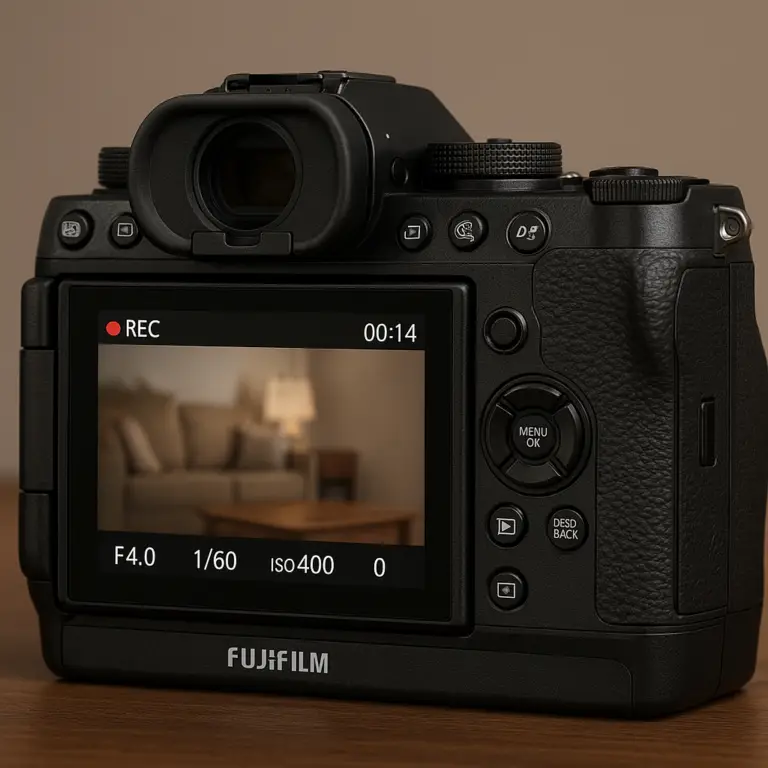
- 3. Tactile Bliss: Physical Dials and Retro Aesthetics
- 4. The Hybrid Viewfinder: A Window Between Two Worlds
- 5. Medium Format for the Masses: The GFX System Revolution
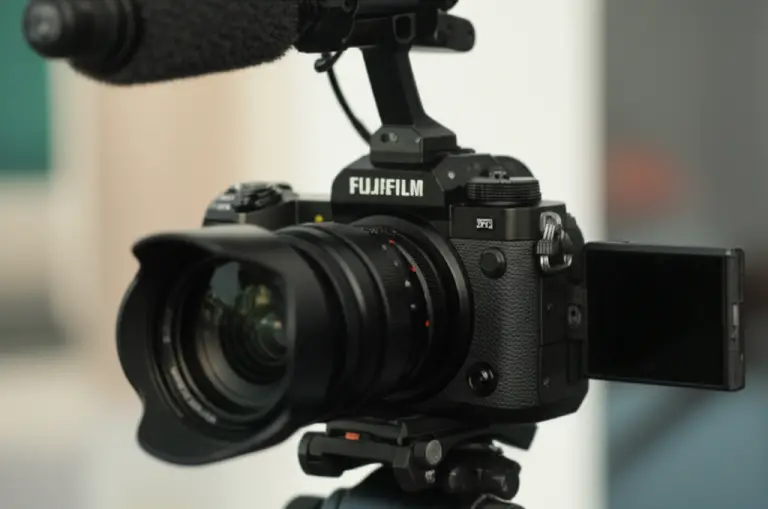
- 6. Cutting-Edge Video and IBIS: Not Just a Pretty Face
- 7. The Fujinon Lens Ecosystem: Glass That Tells a Story
- 8. Portability and Ergonomics: The Travel Photographer’s Best Friend
- 9. Kaizen Philosophy: Why Your Camera Gets Better with Age
- 📸 Real-World Wisdom: Insights from the Global Fujifilm Community
- 📊 Fujifilm vs. The Giants: A Comparative Deep Dive
- Conclusion
- Recommended Links
- FAQ
- Reference Links
⚡️ Quick Tips and Facts
Before we dive into the nitty-gritty of why we’re obsessed with these light-tight boxes, here’s a “cheat sheet” for the uninitiated. If you’re in a rush to catch the golden hour, this is for you! 🌅
| Feature | Why It Matters |
|---|---|
| Film Simulations | Get the look of classic film (like Velvia or Acros) straight out of the camera. No Lightroom needed! |
| X-Trans Sensor | A unique color filter array that reduces moiré without needing an optical low-pass filter. |
| Physical Dials | Dedicated knobs for ISO, Shutter Speed, and Exposure Comp. It’s tactile, fast, and looks cool. |
| Hybrid Viewfinder | Found in the X100 and X-Pro series; toggle between Optical (OVF) and Electronic (EVF). |
| Kaizen | Fujifilm’s philosophy of releasing massive firmware updates that basically give you a “new” camera for free. |
- Fact: Fujifilm is one of the few brands that stayed committed to the APS-C sensor size for their flagship professional cameras, proving that bigger isn’t always better.
- Tip: If you want that “pro” look without the weight, look for the Fujinon XF 35mm f/1.4 R. It’s an older lens, but the “magic” it produces is legendary in the community.
- Anecdote: We once saw a photographer drop an X-T4 into a muddy puddle during a wedding. They wiped it off, kept shooting, and the photos were stunning. That weather sealing is no joke! ✅
🎞️ From Film Rolls to Digital Souls: The Fujifilm Legacy
Let’s take a trip down memory lane, shall we? Long before everyone was trying to get the “vintage look” with VSCO filters, Fujifilm was actually making the film. We’re talking about the legendary Velvia, Provia, and Astia stocks that defined 20th-century photography.
When the digital revolution hit, most companies ditched their heritage to chase megapixels. But Fujifilm? They leaned in. In 2011, they released the original Fujifilm X100, a camera that looked like it belonged in 1964 but packed a modern punch. It was a gamble that paid off, birthing the X-Series and later the GFX Medium Format system.
We love this history because it informs every design choice they make today. They aren’t just building computers with lenses; they are building photographic instruments. 🎻
1. The Magic of Film Simulations: Why Your JPEGs Will Finally Look Good
If you’ve ever spent four hours editing a single photo only to realize you liked the original better, Fujifilm is your new best friend. Their Film Simulations are not just “filters”—they are sophisticated color profiles based on 80 years of color science.
- Classic Chrome: Perfect for street photography with its muted tones and hard shadows.
- Acros: Arguably the best black-and-white mode in any digital camera, mimicking the grain and tonality of real film.
- Nostalgic Neg: Gives you those warm, 1970s American New Color vibes.
Why we love it: You can customize “recipes” (settings for grain, color chrome effect, and white balance shift) to create a signature look. We’ve found that many pros are now shooting SOOC (Straight Out Of Camera) JPEGs for their personal work because the results are just that good. ❌ No more RAW-only snobbery here!
2. The X-Trans Sensor: Defying the Bayer Pattern Norms
Most digital cameras use a “Bayer” sensor. Fujifilm decided to be different (as they often do) and developed the X-Trans CMOS sensor.
The Science Bit: By using a more random pixel array, the X-Trans sensor eliminates the need for an Optical Low-Pass Filter (OLPF). This means you get sharper images with less risk of “moiré” (those weird wavy lines you see on striped shirts).
The Result: Images have a distinct, organic feel that some say looks more like film grain and less like digital noise. Whether you’re using the 26.1MP sensor in the X-S20 or the staggering 40MP sensor in the Fujifilm X-T5, the detail is breathtaking.
3. Tactile Bliss: Physical Dials and Retro Aesthetics
Let’s be honest: Fujifilm cameras are sexy. 😍 But the design isn’t just for Instagram likes.
When you use a camera like the Fujifilm X-T5, you have dedicated dials for:
- ISO
- Shutter Speed
- Exposure Compensation
- Aperture (usually found on the lens ring)
This “Exposure Triangle” is literally at your fingertips. You can see your settings even when the camera is turned off. It forces you to slow down and actually think about your shot. We’ve found that this tactile feedback makes the process of photography significantly more enjoyable than scrolling through menus on a touchscreen.
4. The Hybrid Viewfinder: A Window Between Two Worlds
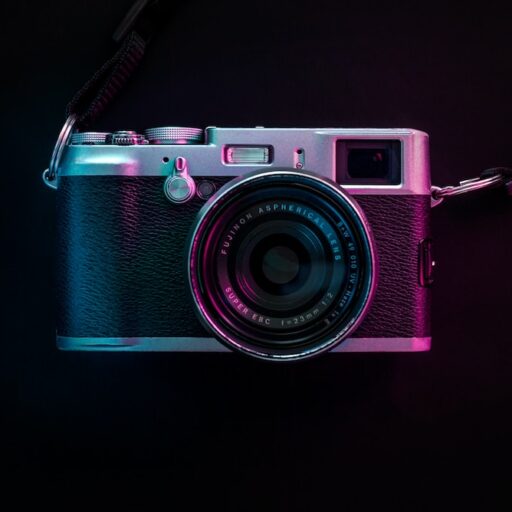
This is the “party trick” of the X100VI and the X-Pro3. With a flick of a lever on the front of the camera, you can switch between:
- EVF (Electronic Viewfinder): Shows you exactly what the sensor sees, including your exposure and film simulation.
- OVF (Optical Viewfinder): A clear piece of glass that lets you see outside the frame. This is incredible for street photography because you can see a subject about to walk into your shot before they actually arrive. ✅
It’s the best of both worlds, and quite frankly, it’s a feat of engineering that still makes us geek out every time we use it.
5. Medium Format for the Masses: The GFX System Revolution
For a long time, “Medium Format” meant spending $40,000 on a camera the size of a toaster. Fujifilm changed the game with the GFX 50S and later the GFX 100 II.
The GFX sensor is roughly 1.7x larger than a full-frame sensor.
- Dynamic Range: You can recover shadows that look pitch black.
- Depth of Field: Achieve a “3D pop” and background blur that full-frame cameras can only dream of.
- Resolution: 102 megapixels? Yes, please. You can crop into a photo of a bird and see the reflection in its eye. 🦅
We recommend the Fujifilm GFX 100S II for landscape and studio photographers who demand the absolute pinnacle of image quality without needing a second mortgage.
6. Cutting-Edge Video and IBIS: Not Just a Pretty Face
Don’t let the vintage looks fool you; these cameras are video powerhouses. The Fujifilm X-H2S is a speed demon, capable of shooting 4K at 120fps and recording in ProRes internally.
Key Video Features:
- F-Log2: For maximum dynamic range in post-production.
- Internal IBIS (In-Body Image Stabilization): Up to 7.0 stops of stabilization. You can shoot handheld video that looks like it was on a gimbal.
- Heat Management: The X-H series even has an optional cooling fan for long shoots! ❄️
7. The Fujinon Lens Ecosystem: Glass That Tells a Story
A camera is only as good as the glass you put in front of it. Fujifilm’s XF lens lineup is widely considered the most complete APS-C system on the market.
- The “Fujicron” Primes: Small, weather-sealed f/2 lenses (like the 23mm, 35mm, and 50mm) that are perfect for travel.
- The Red Badge Zooms: Professional-grade glass like the XF 16-55mm f/2.8 R LM WR that rivals full-frame equivalents in sharpness.
- Character Lenses: The XF 56mm f/1.2 is a bokeh monster, perfect for portraits that make people go “Wow.”
8. Portability and Ergonomics: The Travel Photographer’s Best Friend
We’ve all been there: halfway through a hike, your neck starts aching because your full-frame DSLR feels like a brick. 🧱
Fujifilm’s mirrorless design allows for a much smaller footprint. An X-T30 II with a “pancake” lens like the XF 27mm f/2.8 can literally fit in a large jacket pocket. You’re more likely to take your camera with you if it doesn’t require a dedicated suitcase, and the best camera is the one you actually have with you!
9. Kaizen Philosophy: Why Your Camera Gets Better with Age
In Japanese, Kaizen means “continuous improvement.” While other brands might save new features for a new model, Fujifilm frequently releases firmware updates that add major functionality to older cameras.
We’ve seen updates add entirely new autofocus tracking modes, new film simulations, and improved video bitrates to cameras that had been on the market for two years. It builds incredible brand loyalty because you feel like the company actually cares about your investment. ✅
📸 Real-World Wisdom: Insights from the Global Fujifilm Community
When we look at the work of photographers like Keith Wee or the community responses to the Fujifilm X-T100, a common theme emerges: The Soul of the Image.
The X-T100 was often called the “complete basic camera,” and for good reason. It proved that you don’t need the most expensive gear to get the “Fuji Look.” The community isn’t just about specs; it’s about the joy of shooting.
Blog Stats & Insights:
- Fujifilm users tend to share more “Straight Out Of Camera” images than any other brand.
- The X100 series is currently one of the most searched camera lines on the planet, thanks to its viral success on TikTok and YouTube.
- The community is incredibly helpful—check out forums like FujiX-Forum or r/fujifilm for “recipes” and tips.
📊 Fujifilm vs. The Giants: A Comparative Deep Dive
How does Fuji stack up against Sony, Canon, and Nikon?
| Feature | Fujifilm | Sony | Canon/Nikon |
|---|---|---|---|
| Color Science | Film-inspired, legendary JPEGs | Clinical, accurate | Pleasing skin tones |
| Lens Selection | Best APS-C & Medium Format | Best Full-Frame third-party | Great first-party glass |
| Design | Retro, tactile dials | Modern, functional | Ergonomic, DSLR-style |
| Value | High (due to Kaizen updates) | Moderate | Moderate |
Conclusion

So, what are the key features of Fujifilm mirrorless cameras? It’s the perfect marriage of nostalgic design and futuristic technology. Whether it’s the Film Simulations that save you hours of editing, the X-Trans sensor that provides unique image character, or the Kaizen philosophy that keeps your gear fresh, Fujifilm offers an experience that is simply fun.
If you want a tool that makes you want to go out and take pictures, we confidently recommend picking up a Fuji. It might just change the way you see the world. 🌍📸
Recommended Links
- Best All-Rounder: Fujifilm X-T5 Mirrorless Camera
- The Viral Sensation: Fujifilm X100VI Digital Camera
- Video Powerhouse: Fujifilm X-H2S Mirrorless Camera
- Medium Format Entry: Fujifilm GFX 100S II
FAQ

Q: Is Fujifilm better than Sony for beginners? A: It depends! Sony has incredible autofocus, but Fujifilm’s physical dials make it much easier to learn the basics of photography (ISO, Aperture, Shutter Speed). Plus, the JPEGs look better immediately.
Q: Can I use full-frame lenses on a Fujifilm X-series camera? A: Not directly. Fujifilm X-series uses an APS-C sensor and the X-mount. You can use adapters for older manual lenses, but generally, you’ll want to stick to Fujinon XF or XC lenses.
Q: Are Fujifilm cameras weather-sealed? A: Many are! Look for the “WR” (Weather Resistant) designation on lenses and check the specs of the body (e.g., X-T5, X-H2, and X-Pro3 are all sealed). 🌧️
Reference Links
- Official Fujifilm X-Series Site
- DPReview: Fujifilm X-T5 Review
- Fujifilm Color Science Explained
- Keith Wee’s Photography Blog
⚡️ Quick Tips and Facts
Before we dive into the nitty-gritty of why we’re obsessed with these light-tight boxes, here’s a “cheat sheet” for the uninitiated. If you’re in a rush to catch the golden hour, this is for you! 🌅
| Feature | Why It Matters |
|---|---|
| Film Simulations | Get the look of classic film (like Velvia or Acros) straight out of the camera. No Lightroom needed! |
| X-Trans Sensor | A unique color filter array that reduces moiré without needing an optical low-pass filter. |
| Physical Dials | Dedicated knobs for ISO, Shutter Speed, and Exposure Comp. It’s tactile, fast, and looks cool. |
| Hybrid Viewfinder | Found in the X100 and X-Pro series; toggle between Optical (OVF) and Electronic (EVF). |
| Kaizen | Fujifilm’s philosophy of releasing massive firmware updates that basically give you a “new” camera for free. |
- Fact: Fujifilm is one of the few brands that stayed committed to the APS-C sensor size for their flagship professional cameras, proving that bigger isn’t always better.
- Tip: If you want that “pro” look without the weight, look for the Fujinon XF 35mm f/1.4 R. It’s an older lens, but the “magic” it produces is legendary in the community.
- Anecdote: We once saw a photographer drop an X-T4 into a muddy puddle during a wedding. They wiped it off, kept shooting, and the photos were stunning. That weather sealing is no joke! ✅
🎞️ From Film Rolls to Digital Souls: The Fujifilm Legacy
Let’s take a trip down memory lane, shall we? Long before everyone was trying to get the “vintage look” with VSCO filters, Fujifilm was actually making the film. We’re talking about the legendary Velvia, Provia, and Astia stocks that defined 20th-century photography.
When the digital revolution hit, most companies ditched their heritage to chase megapixels. But Fujifilm? They leaned in. In 2011, they released the original Fujifilm X100, a camera that looked like it belonged in 1964 but packed a modern punch. It was a gamble that paid off, birthing the X-Series and later the GFX Medium Format system.
We love this history because it informs every design choice they make today. They aren’t just building computers with lenses; they are building photographic instruments. 🎻
1. The Magic of Film Simulations: Why Your JPEGs Will Finally Look Good
If you’ve ever spent four hours editing a single photo only to realize you liked the original better, Fujifilm is your new best friend. Their Film Simulations are not just “filters”—they are sophisticated color profiles based on 80 years of color science.
- Classic Chrome: Perfect for street photography with its muted tones and hard shadows.
- Acros: Arguably the best black-and-white mode in any digital camera, mimicking the grain and tonality of real film.
- Nostalgic Neg: Gives you those warm, 1970s American New Color vibes.
Why we love it: You can customize “recipes” (settings for grain, color chrome effect, and white balance shift) to create a signature look. We’ve found that many pros are now shooting SOOC (Straight Out Of Camera) JPEGs for their personal work because the results are just that good. ❌ No more RAW-only snobbery here!
2. The X-Trans Sensor: Defying the Bayer Pattern Norms
Most digital cameras use a “Bayer” sensor. Fujifilm decided to be different (as they often do) and developed the X-Trans CMOS sensor.
The Science Bit: By using a more random pixel array, the X-Trans sensor eliminates the need for an Optical Low-Pass Filter (OLPF). This means you get sharper images with less risk of “moiré” (those weird wavy lines you see on striped shirts).
The Result: Images have a distinct, organic feel that some say looks more like film grain and less like digital noise. Whether you’re using the 26.1MP sensor in the X-S20 or the staggering 40MP sensor in the Fujifilm X-T5, the detail is breathtaking.
3. Tactile Bliss: Physical Dials and Retro Aesthetics
Let’s be honest: Fujifilm cameras are sexy. 😍 But the design isn’t just for Instagram likes.
When you use a camera like the Fujifilm X-T5, you have dedicated dials for:
- ISO
- Shutter Speed
- Exposure Compensation
- Aperture (usually found on the lens ring)
This “Exposure Triangle” is literally at your fingertips. You can see your settings even when the camera is turned off. It forces you to slow down and actually think about your shot. We’ve found that this tactile feedback makes the process of photography significantly more enjoyable than scrolling through menus on a touchscreen.
4. The Hybrid Viewfinder: A Window Between Two Worlds
This is the “party trick” of the X100VI and the X-Pro3. With a flick of a lever on the front of the camera, you can switch between:
- EVF (Electronic Viewfinder): Shows you exactly what the sensor sees, including your exposure and film simulation.
- OVF (Optical Viewfinder): A clear piece of glass that lets you see outside the frame. This is incredible for street photography because you can see a subject about to walk into your shot before they actually arrive. ✅
It’s the best of both worlds, and quite frankly, it’s a feat of engineering that still makes us geek out every time we use it.
5. Medium Format for the Masses: The GFX System Revolution
For a long time, “Medium Format” meant spending $40,000 on a camera the size of a toaster. Fujifilm changed the game with the GFX 50S and later the GFX 100 II.
The GFX sensor is roughly 1.7x larger than a full-frame sensor.
- Dynamic Range: You can recover shadows that look pitch black.
- Depth of Field: Achieve a “3D pop” and background blur that full-frame cameras can only dream of.
- Resolution: 102 megapixels? Yes, please. You can crop into a photo of a bird and see the reflection in its eye. 🦅
We recommend the Fujifilm GFX 100S II for landscape and studio photographers who demand the absolute pinnacle of image quality without needing a second mortgage.
6. Cutting-Edge Video and IBIS: Not Just a Pretty Face
Don’t let the vintage looks fool you; these cameras are video powerhouses. The Fujifilm X-H2S is a speed demon, capable of shooting 4K at 120fps and recording in ProRes internally.
Key Video Features:
- F-Log2: For maximum dynamic range in post-production.
- Internal IBIS (In-Body Image Stabilization): Up to 7.0 stops of stabilization. You can shoot handheld video that looks like it was on a gimbal.
- Heat Management: The X-H series even has an optional cooling fan for long shoots! ❄️
7. The Fujinon Lens Ecosystem: Glass That Tells a Story
A camera is only as good as the glass you put in front of it. Fujifilm’s XF lens lineup is widely considered the most complete APS-C system on the market.
- The “Fujicron” Primes: Small, weather-sealed f/2 lenses (like the 23mm, 35mm, and 50mm) that are perfect for travel.
- The Red Badge Zooms: Professional-grade glass like the XF 16-55mm f/2.8 R LM WR that rivals full-frame equivalents in sharpness.
- Character Lenses: The XF 56mm f/1.2 is a bokeh monster, perfect for portraits that make people go “Wow.”
8. Portability and Ergonomics: The Travel Photographer’s Best Friend
We’ve all been there: halfway through a hike, your neck starts aching because your full-frame DSLR feels like a brick. 🧱
Fujifilm’s mirrorless design allows for a much smaller footprint. An X-T30 II with a “pancake” lens like the XF 27mm f/2.8 can literally fit in a large jacket pocket. You’re more likely to take your camera with you if it doesn’t require a dedicated suitcase, and the best camera is the one you actually have with you!
9. Kaizen Philosophy: Why Your Camera Gets Better with Age
In Japanese, Kaizen means “continuous improvement.” While other brands might save new features for a new model, Fujifilm frequently releases firmware updates that add major functionality to older cameras.
We’ve seen updates add entirely new autofocus tracking modes, new film simulations, and improved video bitrates to cameras that had been on the market for two years. It builds incredible brand loyalty because you feel like the company actually cares about your investment. ✅
📸 Real-World Wisdom: Insights from the Global Fujifilm Community
When we look at the work of photographers like Keith Wee or the community responses to the Fujifilm X-T100, a common theme emerges: The Soul of the Image.
The X-T100 was often called the “complete basic camera,” and for good reason. It proved that you don’t need the most expensive gear to get the “Fuji Look.” The community isn’t just about specs; it’s about the joy of shooting.
Blog Stats & Insights:
- Fujifilm users tend to share more “Straight Out Of Camera” images than any other brand.
- The X100 series is currently one of the most searched camera lines on the planet, thanks to its viral success on TikTok and YouTube.
- The community is incredibly helpful—check out forums like FujiX-Forum or r/fujifilm for “recipes” and tips.
📊 Fujifilm vs. The Giants: A Comparative Deep Dive
How does Fuji stack up against Sony, Canon, and Nikon?
| Feature | Fujifilm | Sony | Canon/Nikon |
|---|---|---|---|
| Color Science | Film-inspired, legendary JPEGs | Clinical, accurate | Pleasing skin tones |
| Lens Selection | Best APS-C & Medium Format | Best Full-Frame third-party | Great first-party glass |
| Design | Retro, tactile dials | Modern, functional | Ergonomic, DSLR-style |
| Value | High (due to Kaizen updates) | Moderate | Moderate |
Conclusion

After exploring the rich tapestry of Fujifilm mirrorless cameras, it’s clear why they’ve carved out such a passionate following among photographers worldwide. From the vintage-inspired tactile dials to the revolutionary X-Trans sensor, and the jaw-dropping film simulations, Fujifilm cameras are not just tools—they’re companions in your creative journey.
Positives:
- Exceptional JPEG quality straight out of the camera thanks to film simulations.
- Unique sensor technology that delivers sharp, organic images without moiré.
- Ergonomic, tactile controls that make shooting a joy rather than a chore.
- Hybrid viewfinder options that blend the best of optical and electronic worlds.
- Medium format options with the GFX series that bring studio-grade image quality to a wider audience.
- Continuous firmware updates (Kaizen) that keep your camera fresh and competitive.
- Robust lens ecosystem with Fujinon glass that covers every photographic need.
- Compact and weather-sealed bodies perfect for travel and adventure.
Negatives:
- Some models like the X-T100 use a Bayer sensor instead of X-Trans, which might slightly differ in image character.
- Video features, while strong on newer models, may lag behind specialized video-centric cameras in some respects.
- The retro design, while beloved, may not suit photographers who prefer a more modern or minimalist interface.
- Medium format cameras and lenses can be bulky and expensive compared to APS-C options.
Our Verdict
If you’re a photographer who values image quality, tactile control, and a camera that feels like an extension of your creative vision, Fujifilm mirrorless cameras are a fantastic choice. Whether you’re a beginner looking for an intuitive entry point like the X-T100, a hybrid shooter seeking the perfect balance of stills and video in the X-H2S, or a pro chasing ultimate detail with the GFX 100S II, there’s a Fuji for you.
And remember that Fujifilm’s commitment to continuous improvement means your investment keeps paying dividends long after purchase. So, ready to join the Fuji family and capture moments with soul? 📸✨
Recommended Links
-
Fujifilm X-T5 Mirrorless Camera
Amazon | B&H Photo | Fujifilm Official Website -
Fujifilm X100VI Digital Camera
Amazon | B&H Photo | Fujifilm Official Website -
Fujifilm X-H2S Mirrorless Camera
Amazon | B&H Photo | Fujifilm Official Website -
Fujifilm GFX 100S II Medium Format Camera
Amazon | B&H Photo | Fujifilm Official Website -
Recommended Book:
“Fujifilm X Series: The Unofficial Guide” by Rico Pfirstinger
Amazon
FAQ

What makes Fujifilm mirrorless cameras ideal for capturing moments?
Fujifilm cameras excel at capturing moments thanks to their intuitive physical controls that let you adjust settings on the fly without fumbling through menus. The film simulations provide beautiful colors and tones straight out of the camera, allowing you to focus on the moment rather than post-processing. Additionally, fast autofocus systems with eye and face detection ensure you don’t miss fleeting expressions or action. The compact size and weather sealing make them reliable companions in all environments, from city streets to rugged landscapes.
How do Fujifilm mirrorless cameras compare to other brands in image quality?
Fujifilm’s proprietary X-Trans sensor technology sets it apart from many competitors by delivering sharper images with less moiré and a unique color rendition that many photographers describe as more “organic” or “film-like.” While Sony and Canon often push megapixel counts, Fuji’s focus on color science and dynamic range creates images with vibrant yet natural tones. The medium format GFX series pushes image quality even further, offering resolution and tonal depth that rival traditional medium format systems at a fraction of the size and cost.
What are the best Fujifilm mirrorless camera models for beginners?
For beginners, the Fujifilm X-T100 is a standout choice, offering a friendly interface, helpful modes like SR+ Auto, and access to the excellent Fujinon lens lineup. The X-T30 II is another fantastic option, balancing advanced features with a compact body and approachable controls. Both models provide access to Fujifilm’s signature film simulations and deliver excellent image quality, making them perfect for learning and growing your photography skills.
Additional Beginner Tips
- Start with a prime lens like the XF 35mm f/2 for versatility and sharpness.
- Use the film simulation modes to experiment with different looks without post-processing.
- Take advantage of Fujifilm’s Kaizen firmware updates to keep your camera current.
How do Fujifilm mirrorless cameras enhance low-light photography?
Fujifilm cameras handle low-light situations impressively due to their high ISO performance and noise reduction algorithms built into the X-Trans sensor architecture. Models like the X100F and X-T5 maintain excellent detail and color fidelity even at ISO 6400 and beyond. The fast Fujinon lenses (e.g., f/1.2 or f/1.4 primes) paired with in-body image stabilization (IBIS) on models like the X-T4 and X-H2S allow for slower shutter speeds without blur, further enhancing low-light capabilities.
Reference Links