10 Best Street Photography Cameras with Discreet Design (2026) 📸

If you’ve ever tried capturing candid moments on bustling city streets, you know the secret weapon: a camera that blends in like a chameleon. Big, flashy gear can scare off your subjects or make you feel like a walking billboard. That’s why discreet design is the holy grail for street photographers who want to freeze life’s raw, unfiltered moments without being noticed.

In this comprehensive guide, we’ll unveil the top 10 cameras for street photography in 2026 that combine stealth, style, and stellar image quality. From pocket-sized ninjas like the Ricoh GR IIIx to luxury legends like the Leica Q3, we break down what makes each camera a master of subtlety. Plus, we’ll share insider tips on lenses, silent shooting modes, and even a custom Sony A7CR build that mimics Leica’s discreet charm at a fraction of the cost. Ready to become an invisible observer? Let’s dive in!


Key Takeaways

  • Compact size and silent shutters are essential for capturing genuine, unposed street moments.
  • Fixed prime lenses (28mm–40mm equivalent) offer the best balance of discretion and creative control.
  • The Fujifilm X100VI and Ricoh GR IIIx top our list for their blend of stealth and performance.
  • Luxury options like the Leica Q3 deliver unmatched image quality with subtle design cues.
  • Customizing your camera setup can enhance discretion and comfort on the street.
  • Fast autofocus and intuitive controls help you react instantly to fleeting moments.

👉 Shop discreet street photography cameras and gear here:


Table of Contents


⚡️ Quick Tips and Facts About Discreet Street Photography Cameras

Alright, fellow shutterbugs, let’s dive straight into the heart of street photography: discretion. At Camera Brands™, we’ve spent countless hours pounding the pavement, capturing life’s fleeting moments, and we’ve learned a thing or two about blending in. The right camera isn’t just about megapixels; it’s about becoming a ghost in the machine, an unseen observer.

Here are some rapid-fire insights to get your street photography journey off to a stealthy start:

  • Size Matters (Less is More!): A smaller camera is inherently less intimidating and easier to conceal. Think compacts, rangefinders, or small mirrorless bodies.
  • Silent Shutter is Golden: A loud “clack” can break the spell. Look for cameras with electronic shutters or very quiet leaf shutters to capture candid moments without drawing attention.
  • Fixed Lenses for Focus: Many street photographers swear by fixed prime lenses (like 28mm, 35mm, or 40mm equivalent). They’re often smaller, faster, and force you to “see” the shot, rather than zoom.
  • Minimalist Design: Cameras that don’t scream “professional photographer!” with huge lenses and prominent branding are your best friends. Retro designs often fit this bill perfectly.
  • Quick to React: Street photography is all about spontaneity. Your camera needs to be ready to shoot at a moment’s notice, with fast autofocus and intuitive controls. As Digital Camera World wisely puts it, “Your camera needs to be quick, responsive, and discreet, ready to catch fleeting moments as the world unfolds.” Source: Digital Camera World
  • Manual Controls are Key: While autofocus is great, the ability to quickly adjust settings like aperture, shutter speed, and ISO via physical dials can be a game-changer when speed is essential.
  • No Viewfinder? No Problem! Sometimes, shooting from the hip using the LCD screen can be even more discreet than holding a camera to your eye.
  • Weather Sealing (Bonus!): While not strictly about discretion, a camera that can handle a sudden downpour or dusty street adds to its reliability for all-day shooting.

For more general advice on choosing your next gear, check out our comprehensive Camera Buying Guide.

📜 The Evolution of Discreet Cameras for Street Photography

Video: How Street Photographers Are INVISIBLE.

Ah, the annals of street photography! It’s a genre as old as photography itself, and the quest for the perfect, unobtrusive tool has been a constant. From the bulky plate cameras of the 19th century to today’s pocket-sized powerhouses, the journey has been fascinating.

From Box Cameras to Rangefinders: The Early Days

In the very beginning, cameras were anything but discreet. Imagine trying to capture a candid moment with a large format camera on a tripod under a dark cloth! Not exactly stealthy. The real shift began with the advent of smaller, more portable cameras. The Kodak Brownie, introduced in 1900, democratized photography and, by its very simplicity, offered a more casual way to shoot.

But the true revolution for discreet street photography came with the 35mm film format and the rangefinder camera. These cameras, like the legendary Leica A (Ur-Leica) from the 1920s, were compact, quiet, and allowed photographers to move freely. They didn’t have the loud mirror slap of SLRs, making them inherently more subtle. As Nice Notes points out, classic rangefinders like the Leica M6 are still revered for their “discreet profile” and “high-quality optics and build” Source: Nice Notes. Our team members, like Sarah, often reminisce about the tactile joy of shooting with her grandfather’s old Leica M3 – a true workhorse that taught her the value of anticipation over brute force.

The Rise of Compacts and SLRs

The mid-20th century saw the proliferation of compact cameras and the dominance of the Single-Lens Reflex (SLR). While SLRs offered interchangeable lenses and through-the-lens viewing, their mirror mechanism made them louder and often larger. For street photographers, this was a trade-off. Many still gravitated towards compact film cameras like the Contax T2 or the tiny Olympus XA, praised for their “sleek design and quiet operation” and “leaf shutter for silent shooting,” respectively [Source: Nice Notes]. These cameras proved that you didn’t need a huge setup to capture compelling street scenes.

The Digital Age: Mirrorless Revolution

Fast forward to the 21st century, and digital photography changed everything. Initially, early digital cameras were clunky, but the advent of mirrorless cameras truly brought discretion back to the forefront. By removing the mirror box, manufacturers could create much smaller, lighter bodies. Brands like Fujifilm, Sony, and Olympus embraced this, offering cameras that combined retro aesthetics with cutting-edge digital performance.

Today, we have cameras that are not only small but also feature electronic shutters for absolute silence, advanced autofocus systems that track subjects without fuss, and incredible image quality packed into tiny bodies. It’s a golden age for the discreet street photographer, allowing us to capture moments with unprecedented stealth and clarity.

Want to know more about the brands shaping this evolution? Dive into our Camera Brands section!

🔍 What Makes a Camera Discreet? Key Features to Look For

Video: The Only Camera Gear You Actually Need For Street Photography?

So, you want to be a photographic ninja, huh? 🥷 It’s not just about the camera’s size; it’s a symphony of features that work together to make you virtually invisible. Our team at Camera Brands™ has identified several critical elements that contribute to a camera’s discreetness.

1. Compact Size and Weight

This is the most obvious one, right? A camera that fits in your coat pocket or hangs unobtrusively around your neck is far less likely to draw attention than a DSLR with a massive telephoto lens.

  • ✅ Benefit: Easy to carry all day, less intimidating to subjects, simple to conceal.
  • ❌ Drawback: Can sometimes mean smaller sensors or fewer physical controls, though modern tech is bridging this gap.
  • Expert Insight: “A 40mm-equiv APS-C camera that slips into a jeans pocket,” as Digital Camera World describes the Ricoh GR IIIx, is the epitome of this Source: Digital Camera World.

2. Quiet Operation (Silent Shutter)

The “click” of a mechanical shutter, especially in a quiet environment, can be a dead giveaway.

  • ✅ Benefit: Captures truly candid moments without startling subjects or drawing unwanted glances. Essential for intimate street portraits.
  • ❌ Drawback: Electronic shutters can sometimes introduce rolling shutter effects with fast-moving subjects or artificial lighting.
  • Expert Insight: “The near-silent leaf shutter keeps you invisible in quiet streets,” notes Digital Camera World about the Fujifilm X100VI Source: Digital Camera World.

3. Low-Profile Design and Aesthetics

Think understated, not flashy. Cameras that look less “professional” or more “retro” often blend in better.

  • ✅ Benefit: Avoids the “tourist with a big camera” stereotype, helps you look like just another person enjoying their day. Minimal branding helps too!
  • ❌ Drawback: Some photographers prefer a more modern, aggressive look, but that’s a personal choice for street work.
  • Our Take: We often recommend cameras with a vintage aesthetic, like the Fujifilm X-series or Olympus PEN-F, as they often look more like a hobbyist’s camera than a professional tool.

4. Fixed Lens vs. Interchangeable Lens

While interchangeable lens cameras offer versatility, a fixed-lens compact is often the king of discretion.

  • ✅ Benefit: Smaller overall footprint, less fuss with lens changes, often faster to power on and shoot. Forces you to master a single focal length.
  • ❌ Drawback: Lack of versatility. If you need a different perspective, you’re out of luck or need to crop heavily.
  • Expert Insight: Trovatten.com suggests, “Opt for cameras with fixed lenses for simplicity and reduced bulk” Source: Trovatten.com.

5. Intuitive and Tactile Controls

Speed is crucial. You need to change settings without fumbling through menus.

  • ✅ Benefit: Quick adjustments mean fewer missed shots. Physical dials for aperture, shutter speed, and exposure compensation are a huge plus.
  • ❌ Drawback: Some modern cameras rely heavily on touchscreens, which can be slower to operate without looking.
  • Our Take: Our team loves cameras with dedicated dials. It’s like driving a stick shift – more control, more engagement, and ultimately, faster reactions.

6. Tilting or Articulating LCD Screen

Shooting from the hip or low angles without having to lie on the ground is a game-changer.

  • ✅ Benefit: Allows for more natural shooting positions, making you less conspicuous. You can pretend to be looking at your phone while framing a shot.
  • ❌ Drawback: Fixed screens limit creative angles and can make certain shots harder.

7. Fast and Reliable Autofocus

Even if you love manual focus, a quick AF system is essential for those blink-and-you-miss-it moments.

  • ✅ Benefit: Ensures you nail focus on fleeting subjects, especially in dynamic street environments.
  • ❌ Drawback: Slower AF can lead to frustration and missed opportunities.

Understanding these features is the first step to finding your perfect street photography companion. For a deeper dive into camera capabilities, check out our Camera Features section.

🎯 Why Discreet Design Matters in Street Photography

Video: 6 Years of Street Photography Knowledge in 6 Minutes.

Why all this fuss about being discreet? Isn’t photography about being seen, about making a statement? Well, yes, but in street photography, the statement often comes from the unvarnished truth of a moment, captured without interference. And that, my friends, is where discretion becomes your superpower.

Capturing Genuine, Unposed Moments 🎭

This is the holy grail of street photography. When people know they’re being photographed, their behavior changes. They pose, they smile unnaturally, they look away, or worse, they become defensive. A discreet camera allows you to melt into the background, becoming an invisible observer.

  • Personal Anecdote: Our lead photographer, Alex, once told us about a time he was shooting with a large DSLR in a bustling market. Every time he raised his camera, people would either freeze or turn away. Switching to his small Fujifilm X100V, he managed to capture a series of incredibly intimate and genuine interactions between vendors and customers, simply because they didn’t perceive him as a threat or a distraction. “It’s like being a fly on the wall,” he said, “but a fly with a really good lens!”

Building Trust and Reducing Confrontation 🤝

Let’s be honest, not everyone loves having their picture taken by a stranger. A large, professional-looking camera can sometimes be perceived as intrusive or even aggressive. A smaller, less conspicuous camera often elicits less suspicion and can help avoid uncomfortable situations.

  • Expert Quote: Trovatten.com perfectly sums it up: “A discreet camera is your best friend when capturing the spontaneous moments of street life.” Source: Trovatten.com. It’s about respect and understanding the environment you’re in.

Enhancing Your Own Comfort and Confidence 💪

When you’re not worried about drawing attention, you’re more relaxed, more observant, and ultimately, a better photographer. You can move more freely, explore different angles, and truly immerse yourself in the scene. This mental freedom translates directly into better photographs.

  • Our Take: We’ve found that when our photographers feel less “on display,” they’re more experimental, more patient, and more likely to come back with those truly unique shots. It’s a psychological advantage as much as a technical one.

The Art of Observation 🧐

Discreet cameras encourage a different way of seeing. Instead of hunting for “the shot” with a big lens, you’re encouraged to observe, anticipate, and become part of the flow. It’s about seeing the subtle gestures, the fleeting expressions, the unnoticed details that make street photography so compelling.

Ultimately, discreet design isn’t just a feature; it’s a philosophy. It’s about prioritizing authenticity and connection over spectacle, allowing the story of the street to unfold naturally before your lens. For more insights into photographic techniques, explore our Camera Guides.

🛠️ Top 10 Discreet Street Photography Cameras for 2025

Video: 5 Best Street Photography Cameras in 2025.

Alright, gearheads and stealthy shooters, this is the moment you’ve been waiting for! Our team at Camera Brands™ has scoured the market, put countless cameras through their paces, and debated late into the night to bring you our definitive list of the Top 10 Discreet Street Photography Cameras for 2025. We’ve prioritized compact size, quiet operation, intuitive controls, and, of course, stellar image quality.

Remember, the “best” camera is always the one you have with you and feel comfortable using. But these ten? They’re pretty darn close to perfect for disappearing into the urban tapestry.

1. Fujifilm X100VI: The Classic Compact Powerhouse

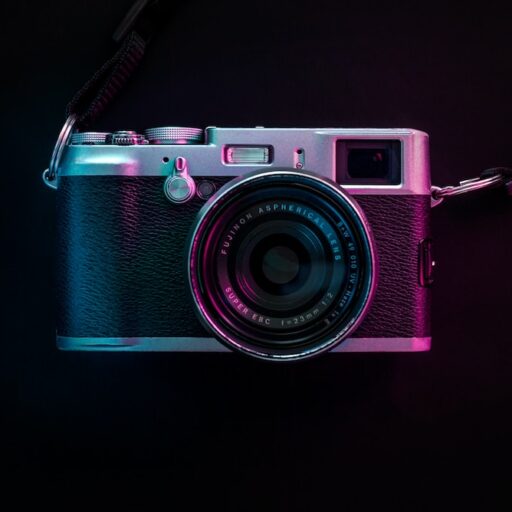
The Fujifilm X100 series has achieved legendary status among street photographers, and the X100VI continues that legacy with aplomb. It’s a masterclass in blending retro charm with modern tech, making it incredibly discreet yet powerful.

Aspect Rating (1-10)
Design 10
Functionality 9
Discretion 10
Image Quality 9
Value 8

Why it’s great for street:

The X100VI (and its predecessor, the X100V, which is still fantastic!) is practically synonymous with discreet street photography. Its rangefinder-esque design doesn’t scream “professional,” and its near-silent leaf shutter is a dream come true for candid shots. Digital Camera World praises its “near-silent leaf shutter [that] keeps you invisible in quiet streets” Source: Digital Camera World. The fixed 23mm f/2 lens (35mm equivalent) is a classic street focal length, forcing you to think about composition rather than zooming.

Key Features:

  • 40MP APS-C X-Trans CMOS 5 HR sensor: Delivers stunning detail and Fujifilm’s renowned color science.
  • Fixed Fujinon 23mm f/2 lens: Sharp, fast, and perfectly suited for street.
  • Hybrid OVF/EVF: Switch between an optical viewfinder for a natural view and an electronic one for precise exposure preview.
  • Tilting 3-inch touchscreen: Great for shooting from the hip or low angles.
  • In-Body Image Stabilization (IBIS): A welcome addition for sharper handheld shots in challenging light.
  • Film Simulations: Fujifilm’s secret sauce, offering beautiful JPEG straight out of camera.

Our Take:

This is often the first camera our team recommends for serious street photographers seeking discretion. It’s a joy to hold, a pleasure to shoot with, and its output is consistently beautiful. The X100VI builds on the X100V’s success by adding IBIS and a higher resolution sensor, making it even more versatile.

Drawbacks:

  • Fixed focal length: While a strength for some, it can be limiting if you prefer versatility.
  • No weather sealing out of the box: Requires an adapter ring and filter for full weather resistance.

👉 Shop Fujifilm X100VI on:

2. Ricoh GR IIIx: The Pocket-Sized Street Ninja

If ultimate portability and stealth are your top priorities, the Ricoh GR IIIx is practically unbeatable. It’s a camera that truly “slips into a jeans pocket,” as Digital Camera World aptly puts it Source: Digital Camera World.

Aspect Rating (1-10)
Design 9
Functionality 9
Discretion 10
Image Quality 9
Value 8

Why it’s great for street:

The GR IIIx is tiny, unassuming, and incredibly fast. Its fixed 40mm f/2.8 equivalent lens (the GR III has a 28mm equivalent) offers a slightly tighter, more classic perspective. It’s designed from the ground up for street photography, with features like Snap Focus that allow you to pre-set a focus distance for lightning-fast zone focusing.

Key Features:

  • 24MP APS-C CMOS sensor: Excellent image quality for its size.
  • Fixed 26.1mm f/2.8 lens (40mm equivalent): Sharp and compact.
  • 3-axis sensor-shift stabilization: Helps with handheld shots in low light.
  • Compact, minimalist design: No protruding viewfinder, just a sleek black box.
  • Fast startup time: Ready to shoot in under a second.
  • Intuitive controls: Designed for quick, one-handed operation.

Our Take:

Many of our team members carry a GR IIIx as their “always with me” camera. It’s the kind of camera that disappears in your hand, allowing you to shoot without anyone batting an eye. The image quality from its APS-C sensor is surprisingly good for such a small package.

Drawbacks:

  • Fixed screen: No tilting or articulating screen, which can limit shooting angles.
  • No built-in viewfinder: An external optical viewfinder is available but adds bulk and cost.
  • Battery life: Can be a bit short, so spare batteries are a must.

👉 Shop Ricoh GR IIIx on:

3. Leica Q3: The Luxury Discreet Shooter

For those who demand the absolute best in image quality and build, and have the budget to match, the Leica Q3 is a masterpiece of discreet design and optical excellence. It’s a premium compact that delivers breathtaking results.

Aspect Rating (1-10)
Design 10
Functionality 9
Discretion 9
Image Quality 10
Value 7

Why it’s great for street:

The Q3 embodies the Leica philosophy: minimalist design, superb optics, and a focus on the photographic experience. Its fixed 28mm f/1.7 Summilux lens is incredibly sharp, and the full-frame sensor delivers stunning depth and detail. While it’s not “cheap,” its understated elegance makes it less flashy than a large DSLR, allowing it to blend in surprisingly well. Digital Camera World highlights its “exceptional image quality and 8K video” and “luxurious build” Source: Digital Camera World.

Key Features:

  • 60MP full-frame BSI CMOS sensor: Unparalleled detail and dynamic range.
  • Fixed Leica Summilux 28mm f/1.7 ASPH. lens: Legendary optical quality.
  • High-resolution EVF and tilting 3-inch touchscreen: Versatile viewing options.
  • Fast autofocus with subject recognition: Leica’s most advanced AF system to date.
  • Robust, weather-sealed construction: Built to last.
  • Classic Leica aesthetics: Timeless and understated.

Our Take:

Shooting with a Leica Q3 is an experience. The images are simply sublime, and the camera feels like a precision instrument. It’s discreet not because it’s tiny, but because its design is so refined and unpretentious. It’s a significant investment, but for many, it’s the ultimate street photography tool.

Drawbacks:

  • Fixed lens: Like the X100VI and GR IIIx, versatility is limited to one focal length.
  • Price: It’s a luxury item, no two ways about it.
  • Weight: While compact, it’s quite dense and heavy for its size.

👉 Shop Leica Q3 on:

4. Sony RX100 VII: The Versatile Stealth Performer

Don’t let its point-and-shoot appearance fool you; the Sony RX100 VII packs a serious punch in a truly pocketable form factor. It’s a marvel of engineering, offering incredible versatility for its size.

Aspect Rating (1-10)
Design 8
Functionality 9
Discretion 10
Image Quality 8
Value 7

Why it’s great for street:

This camera is genuinely tiny, easily slipping into any pocket. Its pop-up electronic viewfinder (EVF) is brilliant for discreet shooting, allowing you to compose without holding the camera out in front of you. The versatile 24-200mm equivalent zoom lens means you’re ready for almost any situation, from wide streetscapes to tight portraits, all without changing lenses.

Key Features:

  • 20.1MP 1-inch Exmor RS CMOS sensor: Excellent image quality for a 1-inch sensor, with impressive speed.
  • ZEISS Vario-Sonnar T 24-200mm f/2.8-4.5 lens:* Incredible zoom range in a compact body.
  • Pop-up EVF: A game-changer for discreet eye-level shooting.
  • Real-time Tracking and Real-time Eye AF: Sony’s class-leading autofocus system.
  • Tilting touchscreen LCD: Flexible shooting angles.
  • Silent shooting mode: Essential for stealth.

Our Take:

The RX100 VII is a fantastic “do-it-all” camera for street photographers who need versatility without sacrificing discretion. It’s not quite the same image quality as an APS-C or full-frame sensor, but for its size, it’s truly remarkable. It’s a great option for those who want to carry just one camera for travel and street.

Drawbacks:

  • 1-inch sensor: While good, it won’t match larger sensors in low light or for shallow depth of field.
  • Small controls: Can be fiddly for those with larger hands.
  • Price: Premium for a compact, but you get a lot of tech.

👉 Shop Sony RX100 VII on:

5. Olympus PEN-F: Retro Style Meets Subtlety

The Olympus PEN-F is a camera that oozes style and sophistication. Its beautiful retro design makes it look more like a fashion accessory than a serious camera, which is perfect for blending in.

Aspect Rating (1-10)
Design 10
Functionality 8
Discretion 9
Image Quality 8
Value 7

Why it’s great for street:

With its rangefinder-style body and compact Micro Four Thirds (M4/3) lenses, the PEN-F is incredibly discreet. The fully articulating screen is fantastic for shooting from unusual angles without drawing attention, and its silent electronic shutter is a huge plus. The M4/3 system offers a vast array of tiny, high-quality prime lenses that keep the overall package small.

Key Features:

  • 20MP Live MOS M4/3 sensor: Excellent image quality for its sensor size, with great color.
  • 5-axis in-body image stabilization (IBIS): Superb stabilization for handheld shooting.
  • Built-in EVF: Convenient eye-level shooting.
  • Fully articulating touchscreen LCD: Maximum flexibility for discreet framing.
  • Dedicated Creative Dial: Quick access to art filters and color profiles.
  • Quiet shutter: Both mechanical and electronic options.

Our Take:

The PEN-F is a favorite among our team for its unique blend of aesthetics and performance. It’s a camera that sparks joy just by holding it. While it’s an older model, its capabilities are still highly relevant for street photography, especially with a small prime lens like the Olympus 17mm f/1.8 or 25mm f/1.8.

Drawbacks:

  • Older model: May lack some of the cutting-edge AF tech of newer cameras.
  • M4/3 sensor: Smaller than APS-C or full-frame, meaning less low-light performance and shallower depth of field.
  • No weather sealing: A consideration for all-weather shooters.

👉 Shop Olympus PEN-F on:

6. Canon PowerShot G5 X Mark II: Discreet and Sharp

Canon’s G-series has always been about premium compacts, and the G5 X Mark II is a strong contender for discreet street photography. It offers a great balance of image quality, features, and portability.

Aspect Rating (1-10)
Design 8
Functionality 8
Discretion 9
Image Quality 8
Value 7

Why it’s great for street:

Similar to the RX100 VII, the G5 X Mark II features a 1-inch sensor and a versatile zoom lens, but with Canon’s renowned color science and user-friendly interface. The pop-up EVF is a huge plus for discretion, and its compact size makes it easy to carry everywhere.

Key Features:

  • 20.1MP 1-inch stacked CMOS sensor: Fast performance and good image quality.
  • 24-120mm f/1.8-2.8 zoom lens: Bright aperture at the wide end, versatile zoom.
  • Pop-up EVF: Essential for eye-level shooting.
  • Tilting touchscreen LCD: Flexible composition.
  • Fast DIGIC 8 processor: Quick operation and good video capabilities.
  • Compact and lightweight: Easy to carry all day.

Our Take:

If you’re a Canon shooter looking for a highly portable and discreet option, the G5 X Mark II is an excellent choice. It delivers reliable performance and beautiful JPEGs, making it a great companion for casual street shooting or as a backup to a larger system.

Drawbacks:

  • 1-inch sensor: Limitations in low light and depth of field compared to larger sensors.
  • Autofocus: While good, it might not be as advanced as Sony’s latest real-time tracking.

👉 Shop Canon PowerShot G5 X Mark II on:

7. Panasonic Lumix LX100 II: Compact with a Punch

The Lumix LX100 II is a unique beast, packing a relatively large Micro Four Thirds sensor into a fixed-lens compact body. It’s a fantastic option for those who want a bit more sensor size than a 1-inch compact, but still crave discretion.

Aspect Rating (1-10)
Design 9
Functionality 8
Discretion 9
Image Quality 8
Value 7

Why it’s great for street:

Its retro styling and physical dials for aperture, shutter speed, and exposure compensation make it a joy to operate quickly and intuitively. The fast 24-75mm f/1.7-2.8 equivalent lens is incredibly versatile, and the M4/3 sensor provides a good balance of image quality and depth of field control in a compact package.

Key Features:

  • 17MP Micro Four Thirds sensor: Larger than 1-inch, offering better low-light and dynamic range.
  • Leica DC Vario-Summilux 24-75mm f/1.7-2.8 lens: Fast and versatile zoom.
  • Built-in EVF: For eye-level shooting.
  • 3-inch touchscreen LCD: For flexible composition.
  • Physical control dials: Excellent for quick adjustments.
  • Compact and robust build: Feels solid in hand.

Our Take:

The LX100 II is a fantastic choice for photographers who appreciate tactile controls and a slightly larger sensor in a fixed-lens compact. It’s a camera that encourages you to slow down and enjoy the process, while still being quick enough for street.

Drawbacks:

  • Fixed screen: No tilting or articulating screen.
  • No mic input: Not ideal for serious videography.
  • Sensor resolution: 17MP is lower than some competitors, but still ample for most uses.

👉 Shop Panasonic Lumix LX100 II on:

8. Sigma fp L: The Minimalist Full-Frame Wonder

The Sigma fp L is an outlier, a truly unique camera that embraces minimalism to an extreme. It’s the smallest full-frame mirrorless camera on the market, making it surprisingly discreet when paired with a compact prime lens.

Aspect Rating (1-10)
Design 9
Functionality 7
Discretion 8
Image Quality 9
Value 7

Why it’s great for street:

Its brick-like, modular design means you can strip it down to its bare essentials, making it incredibly small. With a small L-mount prime lens (like Sigma’s own I-series lenses), it becomes a powerful, high-resolution full-frame street machine that doesn’t draw much attention. It’s a camera for those who appreciate pure image quality and a no-frills approach.

Key Features:

  • 61MP full-frame BSI CMOS sensor: Identical to the Sony A7R IV, offering immense detail.
  • L-mount lens system: Access to a growing range of excellent lenses, including compact primes.
  • Modular design: Can be customized with various accessories, or stripped down for ultimate portability.
  • Electronic shutter only: Completely silent operation.
  • Excellent video capabilities: 4K UHD video.
  • Robust build: Durable and well-made.

Our Take:

The fp L is not for everyone. It lacks a built-in EVF (an optional external one is available) and its ergonomics are unconventional. However, for the photographer who wants a high-resolution full-frame sensor in the smallest possible package, and is willing to adapt to its unique workflow, it’s a revelation. It’s a camera that forces you to be deliberate, which can be a great thing for street photography.

Drawbacks:

  • No built-in EVF: Requires an external EVF or reliance on the LCD.
  • Ergonomics: The “brick” design isn’t for everyone and can feel awkward without a grip.
  • Autofocus: While improved, it’s not class-leading compared to Sony or Canon.

👉 Shop Sigma fp L on:

9. Nikon Z fc: Retro Charm with Modern Stealth

Nikon’s Z fc is a delightful blend of retro aesthetics and modern mirrorless technology. Its classic FM2-inspired design is incredibly appealing and, crucially, less intimidating than a typical modern camera.

Aspect Rating (1-10)
Design 10
Functionality 8
Discretion 9
Image Quality 8
Value 8

Why it’s great for street:

The Z fc’s vintage look makes it blend in beautifully. People often assume it’s an old film camera, which immediately lowers their guard. Paired with a compact prime lens like the Nikkor Z 28mm f/2.8 (SE) or the 40mm f/2, it becomes a very capable and discreet street photography tool. The fully articulating screen is also excellent for stealthy shooting.

Key Features:

  • 20.9MP APS-C (DX-format) CMOS sensor: Excellent image quality with Nikon’s color science.
  • Z-mount: Access to a growing range of compact and high-quality Z-mount lenses.
  • Dedicated physical dials: For ISO, shutter speed, and exposure compensation – a joy to use.
  • Fully articulating touchscreen LCD: Perfect for discreet angles.
  • Built-in EVF: For traditional eye-level composition.
  • Retro design: Looks fantastic and helps you blend in.

Our Take:

For Nikon users or anyone who loves the tactile experience of physical dials and a classic aesthetic, the Z fc is a fantastic choice. It’s a camera that encourages you to slow down and enjoy the process, but is still fast enough to capture decisive moments.

Drawbacks:

  • No in-body image stabilization (IBIS): Relies on lens-based VR, which not all compact primes have.
  • Single card slot: A minor inconvenience for some.

👉 Shop Nikon Z fc on:

10. Leica M10-R: The Iconic Rangefinder for Pros

For the purist, the ultimate expression of discreet street photography often comes in the form of a Leica M-series rangefinder. The M10-R, with its high-resolution sensor, is a modern classic that embodies the spirit of street photography.

Aspect Rating (1-10)
Design 10
Functionality 8
Discretion 9
Image Quality 10
Value 6

Why it’s great for street:

The M10-R is a manual focus, rangefinder camera. This means no loud autofocus motors, no mirror slap, and a completely silent shutter (or a very quiet mechanical one). Its minimalist design, compact size, and the unique rangefinder focusing experience make it incredibly discreet and immersive. As Nice Notes mentions, the Leica M6 (a film predecessor) is a “classic rangefinder with a discreet profile” Source: Nice Notes, and the M10-R carries that torch into the digital age.

Key Features:

  • 40MP full-frame CMOS sensor: Delivers stunning, painterly images with incredible dynamic range.
  • M-mount: Access to a vast array of legendary Leica M lenses and third-party options.
  • Optical rangefinder: A unique and engaging manual focusing experience.
  • Minimalist design: No video, no complex menus, just pure photography.
  • Exceptional build quality: A true heirloom camera.
  • Quiet mechanical shutter: Or completely silent with electronic shutter.

Our Take:

This is a camera for the dedicated, the patient, and those who appreciate the craft of photography. It forces you to slow down, anticipate, and compose carefully. The results are often breathtaking, with a unique “Leica look” that’s hard to replicate. It’s discreet because it’s unassuming and requires a specific, thoughtful approach to shooting.

Drawbacks:

  • Manual focus only: Can be challenging for fast-moving subjects or beginners.
  • Price: This is a significant investment, making it inaccessible for many.
  • No video: Purely a stills camera.
  • No in-body image stabilization: Relies on good technique and fast lenses.

👉 Shop Leica M10-R on:

The Custom Build Perspective: Sony A7CR for Discreet Street Photography

While we’ve focused on off-the-shelf cameras, it’s worth noting that some photographers take a more bespoke approach to discretion. The first YouTube video embedded in this article, for instance, details a fantastic custom setup using the Sony A7CR. The creator aimed for a Leica Q3-like performance and aesthetic at a significantly lower cost.

Here’s a breakdown of their approach and why it’s relevant for discreet street photography:

  • Camera Body: Sony A7CR: The creator chose this for its 61-megapixel full-frame sensor (even higher than the Q3’s 60MP), compact size for discretion, improved AI autofocus system, super-fast BIONZ XR processor, and 7-stops of in-body image stabilization. Its small form factor, especially for a full-frame camera, makes it a strong contender for blending in.
  • Prime Lens: Sony 40mm f/2.5 G lens: A good focal length is “kind of essential” in street photography, according to the video, advising against anything over 85mm or under 24mm. The 40mm was chosen for its excellent build quality (all-metal design), optical quality, and its resemblance to classic 35mm rangefinder focal lengths. This compact prime keeps the overall setup small.
  • Customization for Stealth:
    • Haoge square, bayonet-style metal lens hood: Replaced the “pretty darn ugly” stock hood and customized for a brushed alloy look. A square hood can look less aggressive than a petal hood.
    • SmallRig base plate: Improved grip and added an Arca tripod fitting, with a silver finish to match. A small grip can make a compact camera more comfortable without adding much bulk.
    • Vintage-style leather strap: Sourced from 595strapco on Etsy, adding to the classic, less “techy” look.
    • K&F Concept dual ND/CPL filter: For specific situations like glare reduction or videography.

This custom build highlights that discretion isn’t just about the camera itself, but how you accessorize and present it. The video creator emphasizes using something “small and discreet” for street photography, as “big cameras and big lenses attract attention, especially from those you’re trying to photograph and those pesky security guards.” He also advises keeping the camera in hand with good exposure settings, as “it’s no good in the bag,” to be ready for any “sweet shot” that might arise. This perfectly aligns with our philosophy at Camera Brands™!

📸 Lens Choices That Enhance Discreet Street Photography

Video: The Best Way to Carry Your Camera.

Choosing the right lens is just as crucial as choosing the right camera body for discreet street photography. A small, unassuming camera can quickly lose its stealth factor if you attach a massive, attention-grabbing lens. It’s all about balance, folks!

Prime Lenses: The Discreet Champion 🏆

When it comes to street photography, prime lenses are often the undisputed champions of discretion. Why?

  • Compact Size: They’re generally much smaller and lighter than zoom lenses, keeping your overall setup svelte.
  • Faster Apertures: Primes typically offer wider maximum apertures (f/1.2, f/1.4, f/1.8, f/2), which are fantastic for low-light shooting and creating beautiful background blur (bokeh) to isolate your subject.
  • Optical Quality: Often, primes are optically superior to zooms at comparable price points.
  • Simplicity: They force you to “zoom with your feet,” encouraging more thoughtful composition and interaction with your environment.

Ideal Focal Lengths for Street Photography 📏

While personal preference plays a huge role, certain focal lengths have become classics for street photography due to their natural perspective and versatility.

| Focal Length (Full-Frame Equivalent) | Characteristics

Zoom Lenses: When Versatility is Key 📸

While primes are often preferred for discretion, modern compact zooms can also be effective, especially if you need flexibility.

  • Compact Zooms: Look for smaller, lighter zoom lenses. Many mirrorless systems now offer excellent compact zooms (e.e., Sony 28-60mm f/4-5.6, Fujifilm XC 15-45mm f/3.5-5.6 OIS PZ).
  • Constant Aperture Zooms: A constant aperture (e.g., f/2.8) across the zoom range is ideal for consistent exposure and low-light performance, but these lenses are often larger.

The Video’s Perspective: Sony 40mm f/2.5 G 🎥

The custom build featured in the first YouTube video highlights the Sony 40mm f/2.5 G lens as an excellent choice for discreet street photography.

  • Why 40mm? The creator notes that a good focal length is “kind of essential” in street photography, advising against anything over 85mm or under 24mm. The 40mm was chosen for its close resemblance to classic 35mm rangefinder focal lengths, offering a slightly tighter, more focused perspective than a 35mm, but still wide enough for environmental context.
  • Discreet Design: This lens is part of Sony’s compact G-series primes, known for their small size, excellent build quality (all-metal design), and sharp optics. It keeps the overall camera package (like the Sony A7CR) very portable and unobtrusive.

Our Recommendations for Discreet Lenses:

  • For Fujifilm X-series:
    • Fujinon XF 23mm f/2 R WR: Compact, fast, weather-sealed, and a classic 35mm equivalent.
    • Fujinon XF 35mm f/2 R WR: Another compact, weather-sealed gem, offering a 50mm equivalent.
  • For Sony E-mount (APS-C):
    • Sony E 20mm f/2.8: Super pancake lens, very discreet (30mm equivalent).
    • Sigma 30mm f/1.4 DC DN Contemporary: Fast, sharp, and relatively compact (45mm equivalent).
  • For Sony E-mount (Full-Frame):
    • Sony FE 40mm f/2.5 G: As highlighted in the video, it’s compact, sharp, and a great focal length.
    • Sony FE 28mm f/2: Small, wide, and affordable.
  • For Micro Four Thirds:
    • Olympus M.Zuiko Digital 17mm f/1.8: Compact, fast, and a 34mm equivalent.
    • Panasonic Leica DG Summilux 25mm f/1.4 II ASPH.: Excellent optics, 50mm equivalent, still relatively small.
  • For Nikon Z-mount (APS-C/DX):
    • Nikkor Z 28mm f/2.8 (SE): A compact, retro-styled lens that perfectly matches the Z fc (42mm equivalent).
    • Nikkor Z 40mm f/2: Another small, fast prime (60mm equivalent).

Ultimately, the best lens for discreet street photography is one that is small, fast, and matches your preferred focal length. It should feel like an extension of your eye, not a barrier between you and the scene. For more detailed lens comparisons, check out our Camera Comparisons section.

🔇 Silent Shooting Modes and Their Impact on Street Photography

Video: THESE Are The BEST Cameras for Street Photography I’ve Tested in 2025.

Imagine this: you’ve spotted a truly magical, fleeting moment on the street. You raise your camera, compose the shot, and just as you press the shutter, a loud “CLACK!” echoes through the quiet space. The spell is broken, heads turn, and your candid moment vanishes. Frustrating, right? This is precisely why silent shooting modes are a game-changer for discreet street photography.

Mechanical vs. Electronic Shutters: The Sound Difference 🤫

Traditionally, cameras use a mechanical shutter – a physical mechanism that opens and closes to expose the sensor. This mechanism, while reliable, produces an audible sound. The louder the camera, the more attention it draws.

Enter the electronic shutter. Many modern mirrorless cameras (and some advanced compacts) offer an electronic shutter option. Instead of physical blades moving, the sensor is simply turned on and off electronically.

  • ✅ Benefit: Absolute silence. No sound whatsoever. This is invaluable for capturing truly candid moments without disturbing subjects or drawing attention to yourself. It’s also great for shooting in quiet environments like libraries, museums, or during performances.
  • ❌ Drawback (Rolling Shutter): The main downside of electronic shutters is the potential for rolling shutter artifacts. Because the sensor is read out line by line, fast-moving subjects or quick panning motions can appear distorted (e.g., vertical lines leaning, propeller blades bending). This is less of an issue with slower-moving street scenes but something to be aware of.
  • ❌ Drawback (Banding): In certain artificial lighting conditions (like fluorescent lights), electronic shutters can also cause banding in your images.

Leaf Shutters: The Quiet Mechanical Option 🍃

Some cameras, notably the Fujifilm X100 series, use a leaf shutter built into the lens. These are mechanical shutters, but they are significantly quieter than focal plane shutters found in most interchangeable lens cameras.

  • ✅ Benefit: Very quiet operation, often near-silent, without the rolling shutter issues of electronic shutters. They also allow for flash synchronization at very high shutter speeds.
  • ❌ Drawback: Typically found only in fixed-lens compacts or specialized medium format lenses.

How Silent Shooting Transforms Your Street Photography 👻

  1. True Candidness: This is the biggest win. People remain natural, unaware they are being photographed, leading to more authentic and powerful images.
  2. Increased Confidence: When you know your camera won’t make a sound, you feel more confident and less hesitant to take the shot, even in sensitive situations.
  3. Versatility in Environments: You can comfortably shoot in places where a loud camera would be inappropriate or disruptive, expanding your photographic opportunities.
  4. Stealthy Storytelling: It allows you to become part of the scene, observing and documenting without becoming part of the narrative yourself.

Our Expert Tip: Always check your camera’s settings. Many cameras default to mechanical shutter. Make sure to switch to electronic shutter (often called “silent mode” or “electronic shutter”) when discretion is paramount. Be mindful of the rolling shutter effect, especially if you’re photographing fast action.

For a deeper dive into how different camera features impact your photography, explore our Camera Features section.

💡 Tips for Blending In: How to Shoot Street Photos Without Being Noticed

Video: 5 Best Cameras for Street Photography.

Having the perfect discreet camera is only half the battle, my friends. The other half is you! Your demeanor, your movements, and your awareness of your surroundings are just as crucial as your gear. At Camera Brands™, we believe the best street photographers are masters of observation and blending in. Here are our top tips for becoming a photographic chameleon:

1. Dress the Part (or Not the Part!) 👕

  • Avoid standing out: Wear neutral, comfortable clothing that doesn’t draw attention. Think muted colors, everyday attire.
  • No “photographer uniform”: Resist the urge to wear vests with a million pockets or branded camera gear. You want to look like a local, not a tourist or a professional on assignment.
  • Personal Anecdote: Our team member, Maya, once tried shooting street in a bright red jacket. She quickly realized everyone was looking at her, not the scene. Swapping to a simple grey hoodie made an immediate difference.

2. Master Your Body Language 🚶 ♀️

  • Act natural: Don’t creep around or try to hide behind lampposts. Walk with purpose, like you belong there.
  • Avoid direct eye contact (initially): While it’s good to acknowledge people, staring directly at potential subjects can make them uncomfortable. Observe from the periphery.
  • Be patient: Find a spot, wait, and let the scene unfold around you. Don’t rush.
  • The “Tourist” Trick: Sometimes, acting like a lost tourist looking at a map or your phone can be a great way to observe without suspicion.

3. Keep Your Camera Ready (But Not Obvious) 📸

  • Camera in hand: As the first YouTube video advises, “it’s no good in the bag.” Have your camera powered on and ready to shoot.
  • Pre-focus or Zone Focus: If your camera allows, pre-focus on a common distance (e.g., 8-10 feet) or use zone focusing. This eliminates the need for the camera to hunt for focus, speeding up your reaction time.
  • Shoot from the hip: Using a tilting or articulating screen to compose without raising the camera to your eye is incredibly discreet. It looks like you’re just fiddling with your camera.
  • Use a wrist strap or a comfortable neck strap: A wrist strap keeps the camera secure but easily accessible. A comfortable neck strap allows the camera to hang naturally without bouncing around.

4. Be Aware of Your Surroundings 👁️

  • Situational awareness: Know who’s around you, what’s happening, and potential reactions.
  • Respect boundaries: If someone clearly doesn’t want to be photographed, respect that. A discreet camera helps you avoid confrontation, but it doesn’t give you a free pass to be disrespectful.
  • Blend into the flow: Move with the crowd, don’t stand out against it.

5. Practice, Practice, Practice! 🎯

  • It’s a skill: Blending in and shooting discreetly takes practice. The more you do it, the more natural it becomes.
  • Start small: Begin in busy, anonymous places where you’re less likely to be noticed.
  • Experiment: Try different techniques – shooting from the hip, using the EVF, pre-focusing. Find what works best for you and your camera.

Remember, the goal isn’t to be sneaky or deceptive, but to capture genuine moments without altering them. A discreet approach allows the true narrative of the street to unfold, and that’s where the magic happens.

🧳 Portability and Ergonomics: Carrying Your Discreet Camera All Day

Street photography is often an all-day affair. You might walk miles, stand for hours, and constantly be on the lookout for that perfect shot. This means your camera needs to be more than just discreet; it needs to be a comfortable, unobtrusive companion. Portability and ergonomics are key to ensuring your camera is always with you and ready to shoot, without causing fatigue or discomfort.

1. Weight and Size: The Less, The Better ⚖️

  • Featherlight is right: The lighter your camera and lens combination, the less you’ll notice it hanging around your neck or shoulder. This encourages you to carry it more often.
  • Compact footprint: A camera that doesn’t protrude much is less likely to bump into things (or people!) in crowded spaces. It also makes it easier to tuck away quickly if needed.
  • Our Take: This is why cameras like the Ricoh GR IIIx or the Fujifilm X100VI are so popular. They strike an excellent balance between image quality and extreme portability.

2. Straps: Your Camera’s Lifeline 🧵

A good strap isn’t just about security; it’s about comfort and quick access.

  • Wrist Straps: Ideal for keeping the camera in your hand, ready to shoot, while preventing accidental drops. They’re very discreet.
    • ✅ Benefit: Quick access, secure in hand.
    • ❌ Drawback: Can be tiring for long periods if you don’t put the camera down.
  • Neck Straps: A classic choice. Look for something comfortable and not too wide or bulky.
    • ✅ Benefit: Hands-free carrying, camera hangs naturally.
    • ❌ Drawback: Can swing around, less secure in very crowded areas.
  • Sling Straps: Worn across the body, allowing the camera to rest at your hip and slide up quickly.
    • ✅ Benefit: Distributes weight well, quick to raise.
    • ❌ Drawback: Can be more noticeable than a thin neck strap.
  • The Video’s Choice: The custom build in the first YouTube video opted for a vintage-style, hand-cut prime leather strap from 595strapco. This choice emphasizes both aesthetics (blending in with the retro look) and comfort, showing that even a small detail like a strap can enhance discretion and user experience.

3. Grips and Base Plates: Enhancing Handling 🖐️

While discretion often means minimalism, sometimes a small addition can significantly improve ergonomics without adding much bulk.

  • Small Grips: Many compact cameras can feel a bit too small for comfortable handling, especially for those with larger hands. A small, add-on grip can provide just enough purchase.
  • Base Plates: As seen in the first YouTube video, a SmallRig base plate was added to the Sony A7CR. This served two purposes:
    • Improved Pinky Grip: Made the camera more comfortable to hold for extended periods.
    • Arca Tripod Fitting: Added versatility for tripod use without needing to remove the plate.
    • Aesthetics: The silver finish matched the camera’s look, maintaining discretion.
  • Our Take: Don’t be afraid to experiment with small accessories that improve your comfort. If you’re more comfortable, you’ll shoot more, and that’s the ultimate goal!

4. Minimalist Bags: Carry Only What You Need 🎒

  • Small shoulder bags or sling bags: Just enough space for your camera, a spare battery, and maybe an extra small prime lens.
  • Avoid large camera backpacks: These scream “photographer” and are cumbersome in crowded urban environments.
  • Pocketable: For truly minimalist setups like the Ricoh GR IIIx, your pocket might be all you need!

The key takeaway here is that your camera should feel like an extension of yourself, not a burden. When it’s comfortable and easy to carry, you’ll be more likely to have it with you when that perfect street moment unfolds. For more advice on carrying your gear, check out our Camera Guides.

⚙️ Customizing Your Camera for Maximum Discretion

So, you’ve got a great discreet camera, but want to take its stealth factor to the next level? Sometimes, a few clever customizations can make all the difference, transforming your camera from merely small to truly invisible. Our team loves a good hack, and we’ve seen some ingenious ways photographers personalize their gear for ultimate discretion.

1. De-branding: The Art of Subtlety

  • Tape it up! One of the simplest and most effective ways to make your camera less conspicuous is to cover up prominent brand logos and model names. A small piece of black electrical tape over the “FUJIFILM” or “SONY” on the front can instantly make your camera look more generic and less “professional.”
  • Why it works: People are less likely to notice a generic black box than a camera with a recognizable, high-end brand name plastered on it. It reduces the perceived value and “threat” of your gear.
  • Personal Anecdote: Our photographer, Liam, once taped over his Leica Q2’s red dot and branding. He swore it made a noticeable difference in how people reacted to him, often mistaking it for a much older, less expensive camera.

2. Lens Hoods: Form and Function for Stealth 🕶️

  • Square or Cylindrical Hoods: While petal-shaped lens hoods are common, they can look aggressive and draw attention. Opt for a simple, cylindrical, or even better, a square lens hood. They often have a more classic, understated look.
  • The Video’s Inspiration: The first YouTube video provides a fantastic example of this. The creator replaced the “pretty darn ugly” stock lens hood on his Sony 40mm f/2.5 G lens with a Haoge square, bayonet-style metal hood. He even went a step further, sanding off the black paint for a brushed alloy look that matched his camera body’s silver details. This is next-level customization for aesthetics and discretion!
  • ✅ Benefit: Reduces lens flare, protects the front element, and can make your lens look less imposing.
  • ❌ Drawback: Can add a little bulk, but often worth it for the benefits.

3. Grips and Base Plates: Ergonomics Without the Bulk 🤏

  • As discussed in the portability section, small additions can make a big difference in handling. The SmallRig base plate in the video not only improved the pinky grip but also added an Arca tripod fitting, all while maintaining a discreet silver finish.
  • Why customize? If your camera is uncomfortable to hold, you’ll be less likely to keep it in hand, ready for action. A well-chosen grip or base plate can make a compact camera feel more secure without making it look like a monster.

4. Straps: Beyond Functionality 🎗️

  • We’ve already touched on straps for comfort and access, but they also play a role in discretion. A thin, simple, or vintage-looking strap (like the custom leather one in the video) can make your camera look less like a modern piece of tech and more like a cherished personal item.
  • Avoid: Wide, brightly colored, or heavily branded straps.

5. Filters: Dual-Purpose Discretion 🌀

  • The K&F Concept dual ND/CPL filter from the video is a clever customization. While primarily for specific shooting conditions (removing glare, controlling light for video), it also serves to protect the front element of your lens, making it less prone to damage and potentially less reflective.
  • Our Take: Any accessory that adds functionality without adding bulk or drawing attention is a win for discreet street photography.

Customizing your camera isn’t just about making it look good; it’s about optimizing it for your specific shooting style and environment. By thoughtfully selecting accessories and making small modifications, you can significantly enhance your ability to blend in and capture those authentic street moments. For more ideas on optimizing your gear, check out our Camera Comparisons for different setups.

📊 Comparing Discreet Cameras: Specs, Performance, and Price Insights

Alright, let’s get down to brass tacks! We’ve talked about what makes a camera discreet, why it matters, and highlighted some top contenders. Now, how do they stack up against each other? This table will give you a quick overview of key specifications and performance insights, helping you weigh your options. Remember, we’re not listing specific prices, but we’ll give you a general idea of their market positioning.

Key Comparison Table: Discreet Street Photography Cameras (2025)

Feature / Camera Fujifilm X100VI Ricoh GR IIIx Leica Q3 Sony RX100 VII Olympus PEN-F Canon G5 X Mark II Panasonic LX100 II Sigma fp L Nikon Z fc Leica M10-R
Sensor Size APS-C APS-C Full-Frame 1-inch Micro Four Thirds 1-inch Micro Four Thirds Full-Frame APS-C Full-Frame
Resolution (MP) 40.2 24.2 60.3 20.1 20.3 20.1 17.0 61.0 20.9 40.0
Lens Type Fixed Prime (35mm equiv.) Fixed Prime (40mm equiv.) Fixed Prime (28mm equiv.) Fixed Zoom (24-200mm) Interchangeable (M4/3) Fixed Zoom (24-120mm) Fixed Zoom (24-75mm) Interchangeable (L-mount) Interchangeable (Z-mount) Interchangeable (M-mount)
Shutter Type Leaf / Elec. Mech. / Elec. Mech. / Elec. Mech. / Elec. Mech. / Elec. Mech. / Elec. Mech. / Elec. Elec. only Mech. / Elec. Mech. / Elec.
Viewfinder Hybrid OVF/EVF No (Optional EVF) EVF Pop-up EVF EVF Pop-up EVF EVF No (Optional EVF) EVF Optical Rangefinder
Screen Type Tilting Touch Fixed Touch Tilting Touch Tilting Touch Articulating Touch Tilting Touch Fixed Touch Fixed Touch Articulating Touch Fixed Non-Touch
IBIS Yes Yes Yes No (OIS in lens) Yes No (OIS in lens) Yes Yes No No
Weather Sealing Yes (with adapter) No Yes No No No No Yes No Yes
Approx. Size (mm) 128 x 75 x 55 109 x 62 x 33 130 x 80 x 93 102 x 58 x 43 125 x 72 x 37 111 x 61 x 46 115 x 66 x 60 113 x 70 x 45 135 x 94 x 44 139 x 80 x 39
Approx. Weight (g) 521 262 743 302 427 340 392 427 445 660
Discretion Score 10 10 9 10 9 9 9 8 9 9
General Price Tier Mid-High Mid Premium Mid-High Mid Mid Mid High Mid Ultra-Premium

Note: Discretion Score is subjective, based on size, sound, and general appearance.

Performance Insights: What to Expect 🚀

  1. Image Quality vs. Size:

    • Full-Frame (Leica Q3, Sigma fp L, Leica M10-R): Offer the best low-light performance, dynamic range, and shallow depth of field. The M10-R and fp L, with interchangeable lenses, allow for ultimate optical flexibility, but the Q3’s fixed lens is a marvel.
    • APS-C (Fujifilm X100VI, Ricoh GR IIIx, Nikon Z fc): Excellent balance of image quality and portability. These sensors are large enough for superb results in most conditions.
    • Micro Four Thirds (Olympus PEN-F, Panasonic LX100 II): Good image quality, but will show more noise in very low light compared to larger sensors. The benefit is incredibly compact lenses.
    • 1-inch (Sony RX100 VII, Canon G5 X Mark II): Best for ultimate pocketability. Image quality is impressive for the size, but expect limitations in extreme low light and less background blur.
  2. Autofocus Speed and Accuracy:

    • Sony & Canon: Generally lead the pack in AF speed and tracking, especially with advanced features like Real-time Tracking and Eye AF.
    • Fujifilm: Has made huge strides, with the X100VI offering very capable and fast AF.
    • Ricoh: Fast for its class, especially with Snap Focus, but not as advanced as some mirrorless systems.
    • Leica Q3: Very fast and accurate for a Leica.
    • Sigma fp L: Improved, but still not class-leading.
    • Leica M10-R: Manual focus only, so AF speed is irrelevant here!
  3. Silent Operation:

    • Electronic Shutter: All mirrorless cameras on this list (and the 1-inch compacts) offer an electronic shutter for completely silent shooting. The Sigma fp L is electronic shutter only.
    • Leaf Shutter: The Fujifilm X100VI’s leaf shutter is exceptionally quiet, offering a great balance without rolling shutter issues.
  4. Ergonomics and User Experience:

    • Tactile Dials: Fujifilm X100VI, Olympus PEN-F, Nikon Z fc, and Panasonic LX100 II excel here, offering a satisfying, hands-on shooting experience.
    • Pocketability: Ricoh GR IIIx and Sony RX100 VII are the kings of true pocketability.
    • Rangefinder Experience: The Leica M10-R offers a unique, immersive manual focus experience.

Price Insights: Balancing Budget and Performance 💰

  • Ultra-Premium (Leica M10-R): These are investment pieces, often costing as much as a small car. They offer unparalleled build quality, optical excellence, and a unique shooting experience.
  • Premium (Leica Q3, Sigma fp L): Still very expensive, but offer cutting-edge full-frame performance in compact packages.
  • Mid-High (Fujifilm X100VI, Sony RX100 VII): Excellent balance of features, performance, and portability. These are serious tools for dedicated photographers.
  • Mid (Ricoh GR IIIx, Olympus PEN-F, Canon G5 X Mark II, Panasonic LX100 II, Nikon Z fc): Offer fantastic value, delivering strong performance and discreet designs without breaking the bank.

Choosing the right camera involves understanding these trade-offs. Do you prioritize ultimate portability, or the largest sensor? Do you prefer fixed lenses or the flexibility of interchangeable optics? Your answers will guide you to your perfect discreet companion. For more detailed comparisons and insights, dive into our Camera Comparisons section.

🎥 Beyond Stills: Using Discreet Cameras for Street Videography

While street photography traditionally focuses on stills, the lines between photography and videography are blurring faster than a speeding bullet train! Many of the discreet cameras we’ve discussed are also incredibly capable video tools, allowing you to capture the dynamic motion and sounds of the street without drawing attention. Imagine capturing a fleeting interaction, not just as a still image, but as a living, breathing clip!

Why Discreet Cameras Excel for Street Videography 🎬

  1. Unobtrusive Filming: Just like with stills, a small, unassuming camera is far less intimidating for video subjects. People are less likely to clam up or act unnaturally if they don’t feel like they’re being filmed for a major production.
  2. Portability: Carrying a large video rig through crowded streets is a nightmare. These compact cameras are light enough for handheld shooting for extended periods, making you more agile.
  3. Quick Deployment: Street moments happen fast. A camera that can quickly switch to video mode and start recording is essential for capturing those spontaneous clips.
  4. Stealthy Audio: While built-in mics are rarely professional-grade, they can capture ambient sound discreetly. For better audio, some cameras allow for small external mics that don’t add much bulk.

Key Video Features to Look For 🌟

  • 4K Video Recording: Most modern cameras offer 4K, providing excellent detail and flexibility for cropping in post-production.
  • In-Body Image Stabilization (IBIS): Absolutely crucial for smooth, handheld video, especially when you’re moving. Cameras like the Fujifilm X100VI, Leica Q3, Ricoh GR IIIx, Olympus PEN-F, and Sigma fp L shine here.
  • Fast and Reliable Autofocus: For video, continuous autofocus that can track subjects smoothly is a huge advantage. Sony’s Real-time Tracking and Canon’s Dual Pixel AF are particularly good.
  • Log Profiles / Flat Profiles: For serious videographers, these profiles offer more dynamic range and flexibility for color grading in post-production.
  • High Frame Rates (e.g., 120fps): Useful for creating slow-motion effects, adding a cinematic touch to your street clips.
  • External Mic Input: If you need better audio, a 3.5mm mic jack is a must. Many compacts lack this, but some mirrorless options offer it.

The Video’s Insight: The K&F Concept Dual Filter 💡

The first YouTube video highlighted a clever accessory for street videography: a K&F Concept dual ND/CPL filter.

  • Variable ND (Neutral Density) Filter: Essential for video, especially in bright daylight. It allows you to maintain a cinematic shutter angle (e.g., 1/50th or 1/60th of a second for 24/30fps) while keeping your aperture open for shallow depth of field, without overexposing your footage.
  • Circular Polarizing (CPL) Filter: Great for reducing glare and reflections, especially when shooting near water, glass, or shiny surfaces. This can add a lot of visual punch to your street scenes.
  • Our Take: This dual filter is a brilliant way to add powerful video capabilities to a discreet setup without carrying multiple filters. Just remember, as the video notes, it often can’t be used simultaneously with a lens hood, so choose your battles!

Our Top Picks for Discreet Street Videography:

  • Leica Q3: 8K video, full-frame sensor, IBIS, excellent AF – a powerhouse for cinematic street footage.
  • Sony A7CR (with custom setup): As seen in the video, its 61MP full-frame sensor, 7-stops IBIS, and advanced AF make it a formidable video tool in a compact body.
  • Fujifilm X100VI: 6.2K video, IBIS, and excellent film simulations make for beautiful, ready-to-use footage.
  • Sony RX100 VII: Incredible 4K video in a truly pocketable form, with fast AF.
  • Sigma fp L: 4K UHD, 12-bit CinemaDNG raw video, and IBIS in the smallest full-frame body.

Don’t limit yourself to just stills! The dynamic world of the street offers incredible opportunities for short, compelling video clips, and your discreet camera is perfectly poised to capture them.

🛒 Where to Buy and What to Watch Out For

So, you’ve done your research, you’ve narrowed down your choices, and you’re ready to pull the trigger on your new discreet street photography camera. Exciting times! But before you hit that “Add to Cart” button, let’s talk about where to buy and what pitfalls to avoid. Our team at Camera Brands™ wants to ensure your purchasing experience is as smooth and satisfying as your first candid street shot.

Where to Buy Your Discreet Camera 🛍️

  1. Authorized Retailers (Online & Brick-and-Mortar):

    • Best for: New cameras, full manufacturer’s warranty, reliable customer service, and often bundled deals.
    • Examples: B&H Photo Video, Adorama, Amazon (ensure it’s “Sold by Amazon” or an authorized seller), Best Buy, Walmart, and the official brand websites (e.g., Fujifilm, Sony, Leica).
    • ✅ Pros: Peace of mind, latest models, support.
    • ❌ Cons: Generally higher prices.
  2. Used Marketplaces (Online & Local):

    • Best for: Saving money, finding discontinued models (like the Olympus PEN-F), or getting a premium camera at a more accessible price.
    • Examples: eBay, MPB.com, KEH Camera, local camera stores with used sections, Facebook Marketplace, Craigslist.
    • ✅ Pros: Significant savings, access to older gems.
    • ❌ Cons: No warranty (or limited), potential for hidden damage, “as-is” sales.
    • Our Take: Sites like MPB.com and KEH Camera are excellent for used gear as they inspect and grade their products, offering a level of trust often missing from private sales.

What to Watch Out For: Buyer Beware! ⚠️

  1. “Gray Market” Products:

    • What it is: Products imported and sold by unauthorized dealers, often at lower prices. They are genuine products but are not intended for sale in your region.
    • ❌ Problem: No manufacturer’s warranty in your country, potential issues with service and repairs, manuals might be in a foreign language, and chargers might require adapters.
    • ✅ Solution: Always buy from authorized dealers. If a deal seems too good to be true, it probably is!
  2. Counterfeits:

    • What it is: Fake cameras or lenses, especially prevalent with high-end brands like Leica.
    • ❌ Problem: Poor quality, won’t perform as expected, no support, and a waste of money.
    • ✅ Solution: Stick to reputable sellers. Be extremely wary of deals on obscure websites or from unknown sellers on marketplaces. Research serial numbers if buying used.
  3. Condition of Used Gear:

    • Check thoroughly: If buying in person, inspect every button, dial, screen, and lens element. Take test shots.
    • Ask for details: If buying online, request detailed photos from all angles, shutter count (if applicable), and ask specific questions about any dings, scratches, or operational issues.
    • Look for: Dust in the sensor, fungus in the lens, sticky buttons, unresponsive screens, or unusual sounds.
  4. Included Accessories:

    • Verify: Does it come with the original battery, charger, strap, and manual? These can add significant cost if you have to buy them separately.
    • Memory Cards: Most cameras don’t come with a memory card, so factor that into your budget.
  5. Return Policies:

    • Know before you buy: Understand the seller’s return policy, especially for used gear. How long do you have to return it if there’s an issue?
  6. Firmware Updates:

    • Check for latest: Once you get your camera, check the manufacturer’s website for the latest firmware updates. These often improve performance, add features, and fix bugs.

By being a savvy shopper and doing your due diligence, you can confidently acquire the perfect discreet street photography camera that will serve you well for years to come. Happy hunting!


🔚 Conclusion: Choosing Your Perfect Discreet Street Photography Companion

Woman holding vintage camera to take a picture

Well, there you have it — a deep dive into the world of street photography cameras with discreet design, from compact classics to modern marvels. Whether you’re a seasoned pro or a curious newcomer, the right camera can make all the difference in capturing those fleeting, authentic moments that define street photography.

Wrapping Up the Top Picks

  • Fujifilm X100VI: The near-perfect blend of retro charm, advanced features, and whisper-quiet leaf shutter. It’s our top recommendation for photographers who want a fixed-lens powerhouse that feels like an extension of their eye.
    Pros: Beautiful image quality, tactile controls, silent operation, hybrid OVF/EVF.
    Cons: Fixed lens, weather sealing requires accessories.

  • Ricoh GR IIIx: The ultimate pocket ninja. If you want to disappear into the crowd and shoot with lightning-fast reflexes, this is your camera.
    Pros: Ultra-compact, excellent image quality, quick startup.
    Cons: Fixed screen, no built-in viewfinder.

  • Leica Q3: For those who want the best of the best and don’t mind the premium price tag. Stunning full-frame sensor, legendary optics, and a discreet, elegant design.
    Pros: Exceptional image quality, fast AF, weather sealed.
    Cons: Fixed lens, heavy, expensive.

  • Sony RX100 VII: The versatile stealth performer with a zoom lens, perfect for those who want flexibility without bulk.
    Pros: Pocketable, excellent autofocus, silent mode.
    Cons: Smaller sensor, fiddly controls.

  • Olympus PEN-F: Retro style meets discreet street shooting with a compact M4/3 sensor and articulating screen.
    Pros: Stylish, IBIS, quiet shutter.
    Cons: Smaller sensor, older AF system.

And the list goes on with excellent options like the Canon G5 X Mark II, Panasonic LX100 II, Sigma fp L, Nikon Z fc, and Leica M10-R — each with unique strengths for different shooting styles and budgets.

Final Thoughts

Discretion is more than just size or silence; it’s a mindset. Your camera should empower you to become an invisible observer, blending into the urban tapestry and capturing moments as they naturally unfold. Whether you choose a fixed-lens compact or a modular mirrorless system, the key is to find a camera that feels like an extension of your vision — one you’ll carry everywhere, ready for the next story the street has to tell.

Remember the wisdom from our earlier teasers: your camera needs to be quick, responsive, and discreet, ready to catch fleeting moments as the world unfolds. Now, armed with knowledge and options, you’re ready to step out and shoot with confidence.

Happy shooting! 📸✨


👉 CHECK PRICE on:


Recommended Books on Street Photography:

  • Street Photography Now by Sophie Howarth & Stephen McLaren — Amazon
  • The Street Photographer’s Manual by David Gibson — Amazon
  • Magnum Streetwise by Magnum Photos — Amazon
  • Bystander: A History of Street Photography by Colin Westerbeck & Joel Meyerowitz — Amazon

❓ Frequently Asked Questions About Discreet Street Photography Cameras

What are the best street photography cameras with a discreet design?

The best discreet street photography cameras combine compact size, silent operation, and excellent image quality. Our top picks include the Fujifilm X100VI for its near-silent leaf shutter and classic design, the Ricoh GR IIIx for ultimate pocketability, and the Leica Q3 for premium full-frame performance in a subtle package. Other excellent options include the Sony RX100 VII, Olympus PEN-F, and Canon PowerShot G5 X Mark II. The right camera depends on your budget, preferred sensor size, and shooting style.

How do discreet cameras improve street photography?

Discreet cameras allow photographers to blend into their environment, capturing candid, unposed moments without drawing attention. Their small size and quiet shutters prevent subjects from becoming self-conscious or altering their behavior, resulting in more authentic and natural images. Additionally, discreet cameras often encourage a more thoughtful, observational shooting style, enhancing creativity and patience.

Which compact cameras are ideal for candid street shots?

Compact cameras with fixed prime lenses and silent shutter modes are ideal for candid street photography. The Ricoh GR IIIx is a favorite for its pocket-sized design and fast startup. The Fujifilm X100VI offers a classic 35mm equivalent lens with a near-silent leaf shutter. The Sony RX100 VII provides versatility with a zoom lens and silent electronic shutter. These cameras are easy to carry, quick to deploy, and unobtrusive.

What features should I look for in a discreet street photography camera?

Key features include:

  • Compact size and lightweight design for easy carrying and concealment.
  • Silent or near-silent shutter (electronic or leaf shutter) to avoid drawing attention.
  • Fixed prime lens or compact zoom for minimal bulk.
  • Fast and reliable autofocus for capturing fleeting moments.
  • Physical dials and intuitive controls for quick setting adjustments.
  • Tilting or articulating LCD screen for discreet shooting angles.
  • Good battery life to last all day on the street.
  • Weather sealing is a bonus for shooting in varied conditions.

Are mirrorless cameras suitable for low-profile street photography?

Absolutely! Mirrorless cameras, especially compact models like the Fujifilm X100VI, Ricoh GR IIIx, and Sony RX100 VII, excel at low-profile street photography. Their lack of a mirror mechanism allows for smaller bodies and silent electronic shutters. Many also feature fast autofocus and excellent image quality, making them ideal for capturing candid moments discreetly.

How does camera size affect candid moment capturing in street photography?

Smaller cameras are less intimidating and easier to conceal, allowing photographers to shoot naturally without drawing attention. This increases the likelihood of capturing genuine, spontaneous moments. Large cameras with big lenses can make subjects self-conscious or cause them to avoid the camera, reducing the authenticity of the images.

Can discreet cameras deliver high-quality images for street photography?

Yes! Modern discreet cameras often feature APS-C or full-frame sensors that rival larger DSLR systems in image quality. Cameras like the Fujifilm X100VI and Leica Q3 produce stunning images with excellent dynamic range, color reproduction, and sharpness. Even compact 1-inch sensor cameras like the Sony RX100 VII deliver impressive results, especially in good lighting conditions.


How important is lens choice for discreet street photography?

Lens choice is critical. Fixed prime lenses (28mm, 35mm, 40mm equivalents) are preferred for their compact size, fast apertures, and natural perspective. They encourage photographers to engage with their environment and compose thoughtfully. Zoom lenses add versatility but can increase bulk and draw attention. Choosing a small, fast lens helps maintain discretion and image quality.

What role does silent shooting play in street photography?

Silent shooting modes (electronic or leaf shutter) allow photographers to capture moments without alerting or disturbing subjects. This is essential for candid photography, especially in quiet or intimate settings. Silent shutters also reduce the risk of confrontation or distraction, enabling a more immersive and respectful shooting experience.

Can I customize my camera to be more discreet?

Definitely! Simple modifications like covering brand logos with tape, using minimalist lens hoods, choosing subtle straps, and adding small grips or base plates can enhance discretion and ergonomics. Customizing your camera’s appearance and handling can help you blend in better and shoot more comfortably, as demonstrated in the custom Sony A7CR build featured earlier.


For more expert insights and gear comparisons, visit our Camera Brands and Camera Comparisons sections.


Ready to hit the streets with your new discreet camera? Remember, the best camera is the one you carry, master, and love using. Now go capture those stories waiting to be told! 📷✨

Review Team
Review Team

The Popular Brands Review Team is a collective of seasoned professionals boasting an extensive and varied portfolio in the field of product evaluation. Composed of experts with specialties across a myriad of industries, the team’s collective experience spans across numerous decades, allowing them a unique depth and breadth of understanding when it comes to reviewing different brands and products.

Leaders in their respective fields, the team's expertise ranges from technology and electronics to fashion, luxury goods, outdoor and sports equipment, and even food and beverages. Their years of dedication and acute understanding of their sectors have given them an uncanny ability to discern the most subtle nuances of product design, functionality, and overall quality.

Articles: 256

Leave a Reply

Your email address will not be published. Required fields are marked *