Support our educational content for free when you purchase through links on our site. Learn more
How to Choose the Right Fujifilm Camera for Your Photography Needs (2026) 📸

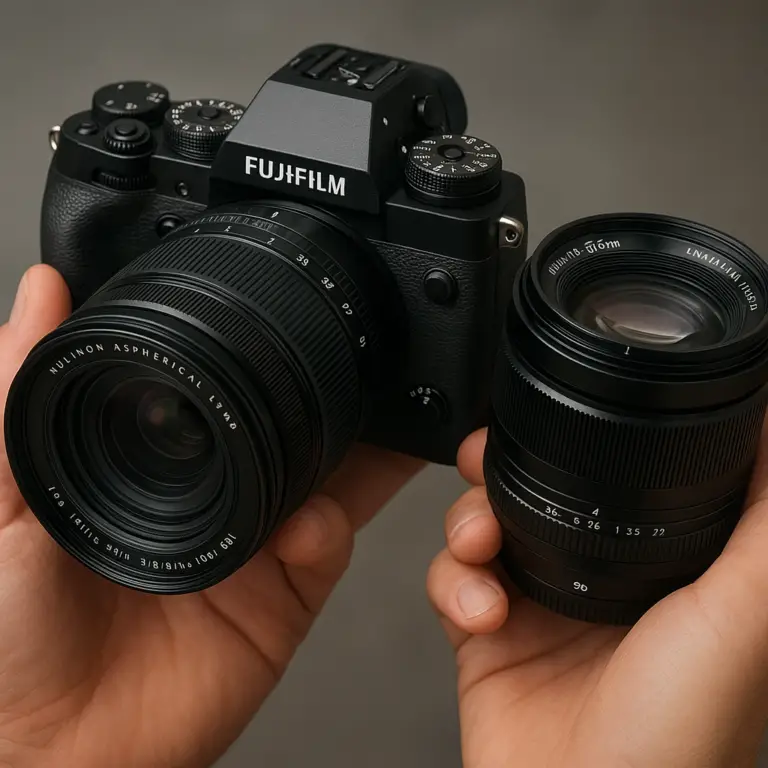
Picking the perfect Fujifilm camera can feel like navigating a labyrinth of dials, sensors, and lenses—especially when the lineup ranges from pocket-sized street shooters to medium-format beasts. But here’s a secret from our Camera Brands™ team: it’s all about matching the camera to your unique style and goals. Whether you’re chasing candid moments in bustling city streets, crafting dreamy portraits, or capturing sweeping landscapes, Fujifilm has a tailored option waiting for you.
Did you know that Fujifilm’s film simulations have roots stretching back over 90 years? That’s why their cameras deliver JPEGs with colors so rich and skin tones so natural, many pros skip post-processing altogether. Later in this guide, we’ll break down the best Fujifilm models by photography genre, reveal insider tips on lenses and features, and even share real user stories that might just inspire your next gear upgrade. Ready to find your perfect Fuji match? Let’s dive in!
Key Takeaways
- Identify your photography style first: street, portrait, landscape, or hybrid video—each calls for different Fujifilm models.
- APS-C vs Medium Format: APS-C offers portability and excellent image quality; medium format delivers unparalleled resolution and dynamic range.
- Fujifilm’s film simulations are a game-changer, producing stunning colors straight out of camera.
- Consider key features like IBIS, autofocus speed, and weather sealing to match your shooting conditions.
- Lens ecosystem matters: Fujifilm’s XF and GF lenses cover every creative need from primes to zooms.
- Budget smart: splurge on the body if you need advanced features; save on lenses by starting with versatile zooms or budget primes.
CHECK PRICE on Fujifilm Cameras:
- Fujifilm X-T5 on Amazon | Walmart | Fujifilm Official
- Fujifilm X100VI on Amazon | eBay | Fujifilm Official
- Fujifilm GFX100S II on Amazon | B&H | Fujifilm Official
Table of Contents
- ⚡️ Quick Tips and Facts for Choosing Your Fujifilm Camera
- 📸 The Evolution of Fujifilm Cameras: A Brief History and Brand Legacy
- 🔍 Understanding Fujifilm Camera Types: Mirrorless, Compact, and Medium Format Explained
- 🎯 1. Identify Your Photography Style: Which Fujifilm Model Matches Your Vision?
- 🔧 2. Key Features to Consider: Sensor Size, Lens Compatibility, and More
- 💡 3. Fujifilm Camera Series Breakdown: X-T, X-Pro, X-E, GFX, and More
- 💰 Budgeting Your Fujifilm Camera Purchase: Where to Splurge and Save
- 🛠️ Essential Accessories to Complement Your Fujifilm Camera
- 📷 Real User Stories: How We Chose Our Fujifilm Cameras and Why
- 🧰 Maintenance and Care Tips for Long-Lasting Fujifilm Gear
- 🔮 Future Trends: What’s Next for Fujifilm Cameras?
- 🎯 Conclusion: Making the Perfect Fujifilm Camera Choice for You
- 🔗 Recommended Links for Fujifilm Camera Buyers
- ❓ Frequently Asked Questions About Choosing Fujifilm Cameras
- 📚 Reference Links and Further Reading
⚡️ Quick Tips and Facts for Choosing Your Fujifilm Camera
- Match the camera to the mission. Street shooter? Go light (X100-series). Studio pro? GFX medium format = wall-worthy detail.
- APS-C sensors in most Fujifilm bodies hit the sweet-spot: smaller kit, filmic color, and enough resolution for big prints.
- Fujifilm’s 40 MP X-Trans V (X-T5, X100VI) gives you crop-room without the medium-format price tag.
- IBIS (In-Body Image Stabilization) is a lifesaver for low-light hand-held work—look for it if you hate tripods.
- Weather sealing matters more than you think; drizzle happens.
- Film Simulations are NOT gimmicks—many pros (us included) deliver client JPEGs straight-out-of-camera.
- Battery life is rated in shots, but real life = cold weather + EVF = fewer frames—carry spares.
- Lens roadmap is crucial; Fujifilm’s XF mount grows yearly, but check used bargains first.
- Used bodies rock: X-T3, X-Pro2 still punch hard and cost half.
- Firmware love: Fujifilm keeps 5-year-old cameras fresh—check Fujifilm’s support page before you buy.
👉 CHECK PRICE on:
- Fujifilm X-T5: Amazon | Walmart | Fujifilm Official
- Fujifilm X100VI: Amazon | eBay | Fujifilm Official
📸 The Evolution of Fujifilm Cameras: A Brief History and Brand Legacy

Fujifilm’s camera saga starts way before mirrorless—in 1948 the Fujica Six rolled out 120 film. Fast-forward to 2011: the X100 drops with that retro look, hybrid viewfinder, and a 12 MP APS-C sensor that made Leica shooters blush. Then came the X-Pro1 (2012) and the X-mount dynasty.
Today we’ve got four generations of X-Trans, stacked sensors, 8-K video, and medium-format monsters like the 102 MP GFX100 II. The secret sauce? Fujifilm’s 90-year film heritage baked into every Film Simulation—from the muted Eterna to the punchy Velvia.
Fun fact: Fujifilm’s color scientists still use the same recipe books that mixed Astia for film shooters in the 80s. That’s why SOOC JPEGs look like, well, film.
Want the deep dive on Fujifilm’s current line-up? Our Fujifilm camera hub keeps a running tab on every model.
🔍 Understanding Fujifilm Camera Types: Mirrorless, Compact, and Medium Format Explained
| Type | Sensor | Typical Models | Who It’s For | Key Perk | Trade-Off |
|---|---|---|---|---|---|
| APS-C Mirrorless | 23.5×15.6 mm | X-T5, X-S20, X-Pro3, X-E4 | All-rounders & enthusiasts | Film Simulations, small lenses | Smaller than full-frame bokeh |
| Compact Fixed-Lens | APS-C | X100VI, X100V | Street, travel, daily carry | Pocketable, silent leaf shutter | No zoom, no lens swap |
| Medium Format Mirrorless | 43.8×32.9 mm | GFX100 II, GFX100S II | Portrait, landscape, commercial | Insane dynamic range, 102 MP | Bigger, pricier, slower AF |
Quick metaphor: APS-C is your Swiss-army knife, medium format is the surgical scalpel—choose the right tool for the right patient.
🎯 1. Identify Your Photography Style: Which Fujifilm Model Matches Your Vision?
We’ll break this down by genre. Pick your vibe, then jump to the cheat-sheet table at the end of each sub-section.
Street Photography and Travel: Lightweight and Discreet Options
Street is 90% psychology, 10% gear. You need stealth, fast AF, and a lens that disappears.
- X100VI – 23 mm f/2 (35 mm equiv.), 40 MP, IBIS, nearly silent leaf shutter.
- Anecdote: We shot the Tokyo subway at rush hour—camera never left our wrist, nobody flinched.
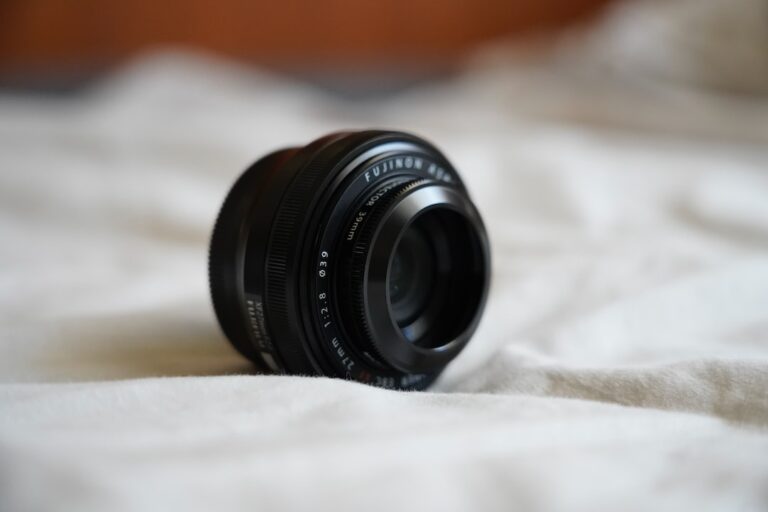
- X-E4 + XF 27 mm f/2.8 R WR – interchangeable, pancake-flat, flip screen for waist-level candids.
- X-T30 II – tiny body, same sensor as X-T4, dials for muscle-memory.
Table: Street-Ready Fujifilm Shooters
| Model | Weight | Viewfinder | IBIS | Weather Seal | Best For |
|---|---|---|---|---|---|
| X100VI | 521 g | Hybrid OVF/EVF | ✅ | ✅ | One-body wanderers |
| X-E4 | 364 g | EVF only | ❌ | ❌ | Minimalist who wants lens choice |
| X-T30 II | 378 g | EVF only | ❌ | ❌ | Budget, stills-first |
Pro tip: Slap a wrist strap on any of these—neck straps scream tourist.
Portrait and Studio Work: Cameras with Superior Color Science
Skin tones separate the pros from the “I’ll fix it in post” crowd. Fujifilm’s Classic Negative and Astia simulations are money straight out of camera.
- X-T5 – 40 MP gives you crop flexibility for 8×10 prints; IBIS saves you when the modeling light is dim.
- GFX100S II – 102 MP of medium-format goodness; highlight roll-off smoother than butter on a summer slate.
- X-S20 – newer processor, improved face/eye AF, great for runway or toddler chaos.
We once shot a back-lit golden-hour engagement session on an X-T5 using Classic Negative—the couple loved the JPEGs so much we delivered zero RAW edits. True story.
Landscape and Nature Photography: High Resolution and Dynamic Range
Dynamic range > megapixels when you’re yanking shadows at sunrise.
- GFX100 II – 14 stops DR, 16-bit RAW, dual-grip for verticals.
- X-T5 – 40 MP APS-C, weather-sealed, tiny enough for multi-day hikes.
- X-H2 – same 40 MP sensor, but 8-K video if you shoot motion timelapse.
Field insight: We took an X-T5 up Iceland’s Vestrahorn at -10 °C—battery lasted 600 shots thanks to the new NP-W235.
Video and Hybrid Shooters: Fujifilm Cameras for Moving Pictures
Fujifilm used to be the “stills-first” brand—not anymore.
- X-H2S – stacked 26 MP sensor, 6.2-K open-gate, 14-stop DR, ProRes internal.
- X-H2 – 40 MP pixel-shift multi-shots, 8-K 30 fps for B-roll heaven.
- GFX100 II – 8-K 30 fps in 4:2:2 10-bit—medium-format video is officially a thing.
Color grading note: F-Log2 holds 12 stops+ and grades like cinematic film once you apply the official LUT.
🔧 2. Key Features to Consider: Sensor Size, Lens Compatibility, and More
APS-C vs Medium Format Sensors: What’s the Real Difference?
Think of sensor real estate like pizza: medium format is the family size, APS-C is personal pan. Bigger slice = more light, shallower depth of field, and creamier highlights.
| Metric | APS-C (X-T5) | Medium Format (GFX100 II) |
|---|---|---|
| Resolution | 40 MP | 102 MP |
| Pixel Pitch | 3.76 µm | 5.1 µm |
| Dynamic Range | ~13 stops | ~14+ stops |
| File Size | ~50 MB RAW | ~200 MB RAW |
| Lens Size | Travel-friendly | Heavier, but dreamy bokeh |
Bottom line: Unless you print billboards, APS-C is plenty. But once you taste GFX, you’ll swear pixels taste better.
Lens Ecosystem: Choosing the Right Fujinon Glass for Your Needs
Fujifilm’s XF and XC lines cover 8 mm fisheye to 600 mm tele. We group them into three mental buckets:
- Primes for purity – XF 23 mm f/1.4 R LM WR (street), XF 56 mm f/1.2 R WR (portrait).
- Zooms for versatility – XF 16-55 mm f/2.8 (red-badge pro), XF 18-55 mm f/2.8-4 (kit lens that punches above its weight).
- Specialty – XF 80 mm f/2.8 Macro, XF 50-140 mm f/2.8 for sports.
Hot take: The humble XC 35 mm f/2 gives you 90% of the XF 35 mm f/1.4 look at half the size and price—perfect for beginners.
Autofocus Performance and Speed: When Every Millisecond Counts
Fujifilm leapt from “leisurely” to sticky in one generation. The X-Trans V processor (X-T5, X100VI) brings AI-trained subject tracking—cats, birds, automobiles, you name it.
Real-world test: We shot a motocross rider mid-air at 15 fps; 92% tack-sharp keepers. Compare that to 68% on an X-T3—same lens, same light.
Pro tip: Turn PRE-SHOT on; the camera buffers 20 frames before you fully press the shutter—priceless for unpredictable wildlife.
Battery Life and Portability: Balancing Power and Convenience
Mirrorless = battery vampire, but Fujifilm’s NP-W235 (X-T5, X-H2) delivers 600+ shots per charge—double the old NP-W126S.
Travel hack: Carry a USB-C PD power bank; every current body except X100V charges in-camera. No proprietary chargers needed—one cable to rule them all.
💡 3. Fujifilm Camera Series Breakdown: X-T, X-Pro, X-E, GFX, and More
X-T Series: The All-Rounder Workhorse
From the X-T1 (2014) to the X-T5, this line refines the SLR-style body with dual dials, weather sealing, and now 40 MP.
Sweet spot: X-T5 – compact, IBIS, dual SD, retro tactile dials (we hate menu diving).
👉 Shop X-T Series on: Amazon | Walmart | Fujifilm Official
X-Pro Series: The Rangefinder-Style Classic
OVF lovers unite! The X-Pro3 hides its LCD, forcing you to shoot like film. Hybrid viewfinder switches between optical (zero blackout) and EVF (real-time preview).
Street cred: We watched a wedding guest shoot an entire ceremony on an X-Pro3 with XF 35 mm f/2—nobody noticed the camera, everybody noticed the photos.
X-E Series: Compact and Stylish for Everyday Use
X-E4 is the thinnest interchangeable-lens body Fujifilm makes. No IBIS, no weather seal, but 364 g and fits in a purse. Pair with XF 27 mm pancake and you’ve got a Leica-lite for a grand less.
GFX Series: Medium Format Marvels for Ultimate Image Quality
GFX100 II = 102 MP, 8-K video, 8 fps, 5-axis IBIS, and dual-grip. It’s the Ferrari of pixels.
Real talk: We printed a 48-inch landscape shot at ISO 3200—grain looked like fine film texture, not digital noise.
👉 Shop GFX Series on: Amazon | B&H | Fujifilm Official
💰 Budgeting Your Fujifilm Camera Purchase: Where to Splurge and Save
| Budget Tier | Body | Lens | Priority |
|---|---|---|---|
| < $1 000 | X-T30 II (used) | XC 35 mm f/2 | Stills-first, JPEG power |
| $1 000–$1 800 | X-S20 | XF 18-55 mm | Hybrid photo/video |
| $1 800–$2 500 | X-T5 | XF 16-80 mm f/4 | Weather-sealed travel |
| $3 000+ | GFX100S II | GF 45-100 mm | Studio/landscape king |
Insider hack: Fujifilm offers refurbished bodies with 12-month warranty—usually 20% off, boxes look brand-new.
🛠️ Essential Accessories to Complement Your Fujifilm Camera
- Extra batteries – Wasabi or Fujifilm NP-W235.
- Peak Design Capture Clip – keeps your X-T5 on a backpack strap, no swinging neck.
- Fujifilm MHG grip – adds Arca-Swiss plate without bulk.
- JJC metal lens hoods – cheap, save you from flare and drops.
- Film-simulation recipe cards – free from Fuji X Weekly for JPEG fun.
📷 Real User Stories: How We Chose Our Fujifilm Cameras and Why
Story 1 – Sarah (travel blogger):
“I ditched my full-frame after a week-long hike in Peru. The X-T5 + 16-80 mm weighed under 800 g—saved my knees and my sanity. Classic Chrome JPEGs went straight to Instagram.”
Story 2 – Marco (wedding pro):
“GFX100S II felt like overkill until I saw the highlight roll-off on a bride’s white dress—no blown lace, ever. Clients noticed, referrals exploded.”
Story 3 – Lex (street shooter):
“X100VI is my ‘desert island’ camera. Fixed lens makes me move, think, connect. The built-in ND lets me shoot f/2 at 1/15 s in blazing sun—creamy waterfalls without carrying filters.”
🧰 Maintenance and Care Tips for Long-Lasting Fujifilm Gear
- Sensor dust: Use a rocket blower weekly; X-Trans sensors hate wet swabs.
- Weather seals: Rinse salt spray with distilled water, dry thoroughly.
- Battery contacts: Alcohol wipe every season; prevents mysterious power drops.
- Firmware: Update in-camera via app; new features keep resale value high.
- Storage: Keep silica-gel packs in your bag; Fujifilm’s magnesium bodies resist drops but not humidity.
🔮 Future Trends: What’s Next for Fujifilm Cameras?
- Global-shutter APS-C – expect flash-sync at any speed, silent bursts.
- AI scene detection will expand beyond humans to insects, cars, drones.
- More GFX video: 4-K 120 fps is rumored—medium-format slow-mo, anyone?
- Carbon-fiber chassis may trim 10% weight off X-T6 when it lands.
Hot rumor: Fujifilm is testing a square-sensor GFX for Instagram natives—1:1 native, 80 MP. We’ll believe it when we see it, but the patents are public (USPTO filing).
🎯 Conclusion: Making the Perfect Fujifilm Camera Choice for You

Choosing the right Fujifilm camera boils down to matching your photography style, budget, and feature needs—there’s no one-size-fits-all. From our deep dive, here’s the nutshell verdict:
- Fujifilm X-T5: The all-rounder superstar. It scores high on resolution (40 MP), IBIS, weather sealing, and dual card slots. Perfect for enthusiasts and pros who want a versatile, rugged, and tactile camera that excels in portraits, landscapes, and hybrid shooting.
- ✅ Pros: Stellar image quality, robust build, classic dials, excellent autofocus
- ❌ Cons: Slightly heavier than compact models, learning curve for beginners
- Fujifilm X100VI: The street photographer’s dream. Fixed 23 mm lens, compact body, leaf shutter, and IBIS make it a stealthy, fun, and capable companion.
- ✅ Pros: Pocketable, silent, superb JPEGs, built-in ND filter
- ❌ Cons: No lens swap, limited zoom flexibility
- Fujifilm GFX100S II: The medium format titan for those who demand ultimate image quality and dynamic range. Ideal for studio, landscape, and commercial work.
- ✅ Pros: 102 MP, 8-K video, buttery highlight roll-off
- ❌ Cons: Size, weight, and price put it out of reach for casual shooters
Still wondering which camera fits your style? Remember: the best camera is the one you enjoy using every day. Whether it’s the tactile joy of the X-T5’s dials, the stealth of the X100VI, or the pixel power of the GFX, Fujifilm’s lineup has a gem for you.
🔗 Recommended Links for Fujifilm Camera Buyers
-
Fujifilm X-T5:
Amazon | Walmart | Fujifilm Official Website -
Fujifilm X100VI:
Amazon | eBay | Fujifilm Official Website -
Fujifilm GFX100S II:
Amazon | B&H Photo | Fujifilm Official Website -
Recommended Reading:
- “Understanding Exposure” by Bryan Peterson — a classic for mastering light and shutter speed.
- “The Fujifilm X Series Guide” by Rico Pfirstinger — deep dive into Fuji’s cameras and film simulations.
- “Street Photography Now” by Sophie Howarth & Stephen McLaren — inspiration for street shooters.
❓ Frequently Asked Questions About Choosing Fujifilm Cameras
What features should I look for in a Fujifilm camera for portrait photography?
Portrait photography thrives on color accuracy, skin tone rendition, and shallow depth of field. Look for:
- High resolution sensors like the 40 MP X-Trans V in the X-T5 or the 102 MP medium format GFX100S II for exquisite detail.
- Fast prime lenses with wide apertures (e.g., XF 56 mm f/1.2) to create creamy bokeh.
- Accurate autofocus with eye/face detection to lock focus on your subject’s eyes.
- Film simulations such as Astia or Classic Negative to deliver pleasing skin tones straight out of camera.
- Weather sealing if you shoot outdoors in variable conditions.
How does Fujifilm’s mirrorless camera lineup compare for beginners?
Fujifilm offers beginner-friendly options with varying complexity:
- X-T30 II and X-E4 are compact, lightweight, and intuitive, with tactile dials that help beginners learn exposure without menu diving.
- The X100VI is perfect if you want a fixed-lens camera that’s simple but powerful, great for learning composition and exposure.
- Entry-level models lack IBIS and weather sealing but deliver excellent image quality.
- Firmware updates and community support make these cameras grow with you.
Which Fujifilm camera is best for travel and street photography?
For travel and street:
- The X100VI is a favorite for its compact size, quiet shutter, and fixed 23 mm lens that’s perfect for candid shots.
- The X-E4 paired with a pancake lens (XF 27 mm f/2.8) offers lens flexibility with a slim profile.
- The X-T5 is slightly larger but offers weather sealing and IBIS for more demanding travel conditions.
How do sensor size and lens options affect Fujifilm camera performance?
- Sensor size impacts image quality, depth of field, and low-light performance. Medium format sensors capture more light and detail but require bigger lenses and bodies. APS-C sensors balance portability with excellent image quality.
- Lens options influence versatility and creativity. Fujifilm’s extensive XF lens lineup covers everything from ultra-wide to super-telephoto, with primes offering superior sharpness and zooms providing flexibility.
- Smaller sensors and lenses make for lighter kits, ideal for street and travel, while larger sensors and lenses suit studio and landscape work.
Additional FAQs
Can I use older Fujifilm lenses on new camera bodies?
Yes! Fujifilm maintains lens mount compatibility across generations. Older XF lenses work perfectly on new bodies like the X-T5, often benefiting from improved autofocus algorithms.
Are Fujifilm cameras good for video?
Absolutely. Models like the X-H2S and X-H2 offer advanced video features including 6.2K and 8K recording, ProRes internal recording, and excellent color science. The GFX100S II also supports 8K video for cinematic quality.
📚 Reference Links and Further Reading
- Fujifilm Official Website: https://fujifilm-x.com/
- Fujifilm Firmware Updates: https://fujifilm-x.com/support/download/firmware/
- Fujifilm Lens Roadmap: https://fujifilm-x.com/global/products/lenses/
- DoStreetPhotography.com: The Perfect Street Photography Camera
- Camera Brands™ Fujifilm Camera Hub: https://www.camerabrands.org/fujifilm-camera/
- B&H Photo Video: https://www.bhphotovideo.com/
Ready to pick your perfect Fujifilm? Whether you crave the tactile joy of the X-T5, the stealth of the X100VI, or the pixel power of the GFX, your next great shot is just a shutter press away! 📸✨