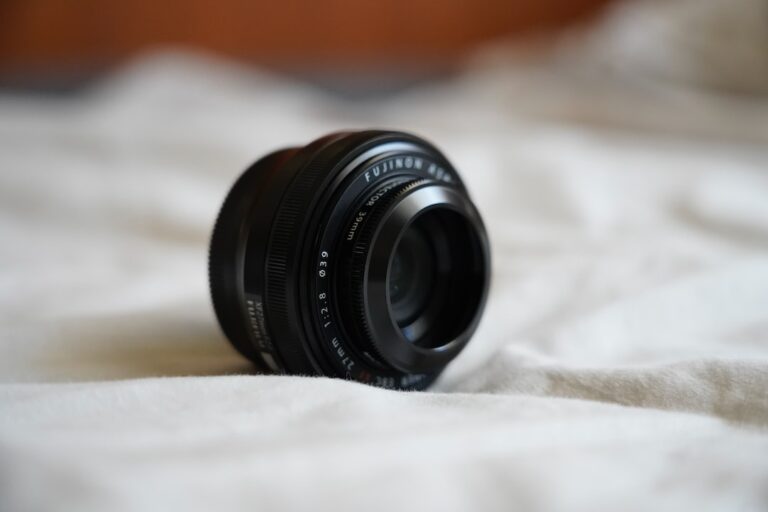
Support our educational content for free when you purchase through links on our site. Learn more
10 Best Fujifilm Cameras for Beginners & Pros in 2026 📸

Are you on the hunt for a Fujifilm camera that perfectly fits your photography style—whether you’re just starting out or already a seasoned pro? You’re in the right place! At Camera Brands™, we’ve tested, compared, and curated the ultimate list of 10 Fujifilm cameras that shine in 2026, blending retro charm with cutting-edge tech. From the compact and intuitive Fujifilm X-S10 ideal for beginners, to the powerhouse medium format GFX 100S favored by professionals, this guide reveals which model will unlock your creative potential.
Did you know Fujifilm’s unique film simulations are so beloved that many photographers swear by their out-of-camera JPEGs, saving hours in post-processing? Later in this article, we’ll dive deep into these magical color profiles and share insider tips on mastering your Fujifilm gear. Plus, we’ll unpack the pros and cons of each top model, so you can confidently pick your perfect match. Ready to capture moments like never before? Let’s get started!
Key Takeaways
- Fujifilm offers a diverse lineup from beginner-friendly models like the X-S10 and Instax Mini 11 to professional-grade cameras like the X-T5 and GFX 100S.
- Legendary color science and film simulations make Fujifilm cameras stand out, delivering stunning images straight out of the camera.
- Tactile, retro-inspired controls provide an engaging shooting experience that helps beginners learn and pros shoot faster.
- APS-C and medium format sensors deliver exceptional image quality, rivaling or surpassing many full-frame competitors.
- In-body image stabilization (IBIS) and advanced autofocus systems enhance versatility for both stills and video.
- Extensive lens and accessory ecosystems ensure your Fujifilm system grows with your skills and creative ambitions.
CHECK PRICE on Fujifilm Cameras:
- Shop Fujifilm X-Series on Amazon | B&H Photo Video | Fujifilm Official Website
- Explore Fujifilm GFX Medium Format Cameras | B&H Photo Video | Fujifilm Official Website
Table of Contents
- ⚡️ Quick Tips and Facts About Fujifilm Cameras
- 📸 The Evolution of Fujifilm Cameras: From Film to Digital Mastery
- 🔍 Why Choose a Fujifilm Camera? Key Features for Beginners and Pros
- 🎯 Top 10 Fujifilm Cameras for Beginners and Professionals in 2024
- 1. Fujifilm X-T5: The All-Rounder Powerhouse
- 2. Fujifilm X-S10: Best for Enthusiasts and Vloggers
- 3. Fujifilm X100V: Compact Classic for Street Photography
- 4. Fujifilm GFX 100S: Medium Format for Professionals
- 5. Fujifilm X-T30 II: Affordable Yet Feature-Packed
- 6. Fujifilm X-Pro3: Hybrid Rangefinder for the Creative Soul
- 7. Fujifilm X-H2S: Speed Demon for Action and Sports
- 8. Fujifilm Instax Mini 11: Fun Instant Camera for Beginners
- 9. Fujifilm X-E4: Lightweight and Stylish Mirrorless
- 10. Fujifilm X-T4: The Video and Photo Hybrid Workhorse
- 🛠️ Fujifilm Lenses and Accessories: What You Need to Know
- 📚 Mastering Fujifilm Cameras: Tips, Tricks, and Tutorials for All Levels
- 💡 Fujifilm vs. Other Brands: How Does It Stack Up?
- 🛒 Where to Buy Fujifilm Cameras and Get the Best Deals
- 🔧 Maintenance and Care Tips for Your Fujifilm Camera
- 📈 Future Trends: What’s Next for Fujifilm Cameras?
- 🎉 Conclusion: Which Fujifilm Camera Fits Your Style?
- 🔗 Recommended Links for Fujifilm Camera Enthusiasts
- ❓ FAQ: Your Burning Questions About Fujifilm Cameras Answered
- 📚 Reference Links and Further Reading
⚡️ Quick Tips and Facts About Fujifilm Cameras
Welcome, fellow photography enthusiasts! Here at Camera Brands™, we’re absolutely thrilled to dive deep into the world of Fujifilm cameras – a brand that consistently sparks joy and creativity in photographers from all walks of life. Whether you’re just dipping your toes into the vast ocean of photography or you’re a seasoned pro looking for that perfect blend of retro charm and cutting-edge tech, Fujifilm has something truly special to offer. Before we embark on this exciting journey, let’s kick things off with some rapid-fire facts and essential tips to get your creative juices flowing!
Did you know? Fujifilm’s legacy in photography stretches back to 1934, initially as a producer of photographic film. This deep-rooted history is precisely why their digital cameras boast such legendary color science – a trait often cited as a primary reason photographers fall in love with the brand. You can learn more about the brand’s journey on their official website: Fujifilm Global.
- ✅ Film Simulations are a Game-Changer: Fujifilm’s unique film simulations (think Velvia, Astia, Classic Chrome, Eterna) aren’t just filters; they’re sophisticated color profiles meticulously engineered to replicate the look and feel of classic Fujifilm films. They allow you to achieve stunning, ready-to-share JPEGs straight out of the camera, minimizing post-processing time. This is a huge win for both beginners and pros on a tight deadline!
- ✅ Retro Aesthetics, Modern Performance: Many Fujifilm cameras sport a classic, tactile design with physical dials for aperture, shutter speed, and ISO. This isn’t just for show; it offers an incredibly intuitive and engaging shooting experience that connects you more deeply with the photographic process.
- ✅ APS-C and Medium Format Dominance: While other brands focus heavily on full-frame, Fujifilm has carved out a niche by excelling in the APS-C mirrorless market and pioneering accessible medium format digital cameras with their GFX line. This means incredible image quality without necessarily breaking the bank or your back.
- ❌ Not a Full-Frame Fanatic: If you’re absolutely set on a full-frame sensor from a brand like Canon or Sony, Fujifilm might not be your first stop for their X-series. However, their APS-C sensors are so good, many pros argue they rival full-frame performance in many scenarios. Plus, their GFX medium format cameras offer an even larger sensor than full-frame!
- ✅ Excellent Lens Ecosystem: The Fujinon XF lens lineup is renowned for its optical quality, compact size, and beautiful rendering. There’s a fantastic lens for every photographic genre, from wide-angle landscapes to telephoto wildlife. Explore the full range of lenses on Fujifilm’s XF Lens Page.
- ✅ Community and Support: Fujifilm users are often passionate and supportive, with a vibrant online community sharing tips, tricks, and stunning imagery. Fujifilm also has a strong track record of providing significant firmware updates that add new features to older cameras, extending their lifespan and value. This commitment to their users is truly commendable, as highlighted by skipandjump.co.uk which notes, “Fujifilm supports firmware updates for older cameras, extending usability.”
So, are you ready to discover which Fujifilm gem is perfect for your photographic journey? Let’s delve deeper!
📸 The Evolution of Fujifilm Cameras: From Film to Digital Mastery
The story of Fujifilm isn’t just about cameras; it’s a captivating narrative of adaptation, innovation, and a steadfast commitment to the art of image-making. Born as Fuji Photo Film Co., Ltd. in 1934, the company initially focused on producing photographic film, paper, and chemicals. For decades, they were a titan in the analog world, competing fiercely with Kodak. Our team at Camera Brands™ often reminisces about the distinct looks of Fujichrome Velvia and Provia films – colors that still inspire the digital simulations today.
When the digital revolution swept through the photography industry, many traditional film companies struggled to pivot. Fujifilm, however, embraced the change with remarkable foresight. They leveraged their deep understanding of color science and optics to transition into digital cameras, initially with point-and-shoots and then with groundbreaking DSLRs like the FinePix S Pro series, which famously used their Super CCD sensors.
But it was with the advent of mirrorless technology that Fujifilm truly found its stride and carved out its unique identity. In 2012, they launched the Fujifilm X-Pro1, a camera that wasn’t just another digital device; it was a statement. With its retro rangefinder-style design, tactile controls, and revolutionary X-Trans sensor (designed to minimize moiré without an optical low-pass filter), it captured the hearts of photographers yearning for a more engaging, film-like shooting experience. This marked the birth of the now-iconic X-series.
Since then, Fujifilm has consistently pushed boundaries, refining their X-Trans sensors, developing advanced autofocus systems, and integrating powerful in-body image stabilization (IBIS) into their compact bodies. They’ve expanded from the enthusiast-focused X-Pro and X-T lines to include more beginner-friendly X-A and X-Txx models, and even ventured into the professional medium format realm with the GFX series. This journey from film emulsion to digital pixel has been nothing short of remarkable, proving that a strong heritage can be a powerful springboard for future innovation. For a deeper dive into camera history, check out our Camera Guides section.
🔍 Why Choose a Fujifilm Camera? Key Features for Beginners and Pros
So, you’re wondering what all the fuss is about? Why do so many photographers, from fresh-faced beginners to grizzled veterans, swear by Fujifilm? It’s not just hype; it’s a combination of unique features and a philosophy that prioritizes the experience of photography. Let’s break down the compelling reasons why a Fujifilm camera might just be your next best investment.
The Magic of Fujifilm’s Color Science and Film Simulations ✨
This is often the first thing you’ll hear a Fujifilm user rave about. Our team at Camera Brands™ can attest: the colors straight out of a Fujifilm camera are simply different. They have a richness, a subtlety, and a pleasing quality that often requires minimal to no editing.
- For Beginners: Imagine taking a stunning photo and being able to share it instantly, knowing the colors are already beautiful. That’s the power of film simulations like Provia (Standard) for natural tones, Velvia (Vivid) for punchy landscapes, or Astia (Soft) for flattering portraits. It removes the intimidation of complex post-processing and lets you focus on composition and light. As muteebhussain1310 on Medium notes, Fujifilm offers “renowned color science and image quality.”
- For Professionals: Time is money. The ability to produce high-quality JPEGs with fantastic color profiles directly from the camera can significantly speed up your workflow, especially for events, social media content, or clients who need quick turnarounds. Plus, these simulations provide an excellent starting point for further grading in RAW files.
Intuitive Design and Tactile Controls 🕹️
Fujifilm cameras often stand out with their retro-inspired designs, featuring dedicated dials for shutter speed, ISO, and exposure compensation. This isn’t just a nostalgic nod; it’s a deliberate design choice that enhances the user experience.
- For Beginners: The physical dials make it incredibly easy to understand the exposure triangle. You can see your settings at a glance, without diving into menus. It fosters a deeper understanding of how each setting affects your image.
- For Professionals: This tactile control allows for quick, on-the-fly adjustments without taking your eye from the viewfinder. It feels more like operating a classic film camera, offering a more engaging and less menu-driven shooting experience. As skipandjump.co.uk puts it, Fujifilm cameras are “small, simple, subtle, and a joy to use.”
Exceptional Image Quality from APS-C and Medium Format Sensors 🖼️
While many brands push full-frame, Fujifilm has perfected its APS-C X-Trans CMOS sensors, delivering image quality that often rivals or surpasses full-frame sensors from other manufacturers, especially in terms of detail and color rendition.
- For Beginners: You get professional-grade image quality in a more compact and often more affordable package. This means stunning photos without the bulk or cost associated with larger sensor formats.
- For Professionals: The X-Trans sensor’s unique color filter array minimizes moiré and false colors, producing incredibly sharp and detailed images. For those needing even more resolution and dynamic range, Fujifilm’s GFX medium format cameras offer an unparalleled experience, used for “high-end campaigns” according to skipandjump.co.uk.
Robust Build Quality and Weather Sealing 🌧️
Many Fujifilm X-series and GFX cameras are built to withstand the rigors of professional use, featuring magnesium alloy bodies and extensive weather sealing (when paired with weather-sealed lenses).
- For Beginners: This means your camera can handle a bit of adventure – a light drizzle, dusty conditions, or the occasional bump – giving you peace of mind as you explore new photographic environments.
- For Professionals: Reliability is paramount. Knowing your gear can perform in challenging conditions, from humid jungles to snowy mountains, is crucial for capturing critical moments.
A Thriving Lens Ecosystem 🔭
The Fujinon XF lens lineup is a testament to Fujifilm’s optical engineering prowess. From fast primes to versatile zooms, each lens is crafted to deliver exceptional image quality.
- For Beginners: There’s a clear upgrade path. You can start with a versatile kit lens and gradually add specialized primes or zooms as your skills and interests evolve.
- For Professionals: The XF and GF lens ranges offer professional-grade optics with superb sharpness, beautiful bokeh, and robust build quality, ensuring you have the right tool for every job.
Choosing a Fujifilm camera isn’t just about buying a piece of tech; it’s about investing in a photographic experience that is both rewarding and inspiring. Ready to find your perfect match? Let’s explore the top models!
🎯 Top 10 Fujifilm Cameras for Beginners and Professionals in 2024
Alright, buckle up! This is where we get down to brass tacks and explore the crème de la crème of Fujifilm’s camera lineup. We’ve scoured the market, leaned on our collective experience at Camera Brands™, and factored in consumer insights to bring you a comprehensive list. Whether you’re just starting your photography journey or you’re a seasoned pro looking for your next workhorse, there’s a Fujifilm camera here with your name on it.
We’ll be looking at a range of models, from the compact and user-friendly to the powerful and professional-grade. Remember, the “best” camera is always the one that best fits your needs and budget. Let’s dive in!
1. Fujifilm X-T5: The All-Rounder Powerhouse
The Fujifilm X-T5 is a modern classic, blending the beloved retro design of the X-T series with Fujifilm’s latest technological advancements. It’s a true hybrid, excelling in both stills and video, making it a fantastic choice for serious enthusiasts and working professionals alike.
Ratings Table (1-10 Scale):
| Aspect | Rating |
|---|---|
| Design & Ergonomics | 9 |
| Image Quality | 9.5 |
| Video Capabilities | 9 |
| Autofocus Performance | 9 |
| Build Quality | 9 |
| Value for Money | 8.5 |
| Beginner Friendliness | 7 |
| Professional Suitability | 9.5 |
Detailed Analysis:
- Design & Ergonomics: The X-T5 proudly carries the X-T lineage with its classic, tactile dial-based controls. It feels substantial in hand, yet remains relatively compact. The three-way tilting LCD screen is perfect for waist-level shooting and unique angles, though some vloggers might miss a fully articulating screen.
- Image Quality: Boasting Fujifilm’s latest 40.2MP X-Trans CMOS 5 HR sensor, the X-T5 delivers stunning resolution and detail. Paired with the X-Processor 5, it produces images with incredible dynamic range and Fujifilm’s signature color science. This camera truly shines when it comes to capturing intricate textures and vibrant hues.
- Video Capabilities: While not as video-centric as the X-H2S, the X-T5 is no slouch. It can record 6.2K/30P video internally, and 4K/60P with a 1.23x crop. The 7-stop in-body image stabilization (IBIS) is a huge asset for both stills and video, ensuring smooth footage even handheld.
- Autofocus Performance: The X-T5 features an advanced autofocus system with deep learning AI technology, offering excellent subject detection and tracking for humans, animals, birds, cars, motorcycles, and trains. It’s fast, accurate, and reliable, even in challenging lighting conditions.
- Who is it for? This camera is ideal for advanced enthusiasts and professionals who prioritize still photography but also need strong video capabilities. It’s perfect for landscape, portrait, street, and even some action photography. While a beginner could use it, the sheer number of controls might be overwhelming initially.
👉 CHECK PRICE on:
- Fujifilm X-T5: Amazon | Walmart | B&H Photo Video | Fujifilm Official Website
2. Fujifilm X-S10: Best for Enthusiasts and Vloggers
The Fujifilm X-S10 broke the mold for Fujifilm, adopting a more conventional PASM (Program, Aperture Priority, Shutter Priority, Manual) dial instead of the traditional retro dials. This makes it incredibly approachable for those coming from other brands or for beginners who prefer a more familiar interface. It’s a compact powerhouse, especially for content creators.
Ratings Table (1-10 Scale):
| Aspect | Rating |
|---|---|
| Design & Ergonomics | 8.5 |
| Image Quality | 9 |
| Video Capabilities | 9 |
| Autofocus Performance | 8.5 |
| Build Quality | 8 |
| Value for Money | 9.5 |
| Beginner Friendliness | 9 |
| Professional Suitability | 7.5 |
Detailed Analysis:
- Design & Ergonomics: The X-S10 features a deeper grip than many X-series cameras, offering a secure hold. The PASM dial is a departure but makes it incredibly intuitive for many users. It’s lightweight and compact, making it an excellent travel companion. The fully articulating screen is a huge plus for vlogging and creative angles.
- Image Quality: Equipped with the 26.1MP X-Trans CMOS 4 sensor and X-Processor 4, the X-S10 delivers superb image quality with excellent detail and dynamic range. All of Fujifilm’s beloved film simulations are present, ensuring beautiful JPEGs straight out of the camera.
- Video Capabilities: This is where the X-S10 truly shines for its price point. It offers 4K/30p video recording with 10-bit 4:2:2 external output. Crucially, it includes in-body image stabilization (IBIS), which is a rare find in this price range and makes handheld video incredibly smooth. As skipandjump.co.uk states, it’s “Best for Beginners & Vloggers” and has “In-built IBIS.”
- Autofocus Performance: The X-S10 inherits the advanced autofocus system from higher-end models, offering fast and accurate performance with excellent face and eye detection. It handles tracking subjects well for both stills and video.
- Who is it for? The X-S10 is a phenomenal choice for beginners, enthusiasts, and vloggers looking for a versatile, compact camera with excellent image quality, strong video features, and user-friendly controls. It’s also a great backup camera for professionals.
👉 CHECK PRICE on:
- Fujifilm X-S10: Amazon | Walmart | B&H Photo Video | Fujifilm Official Website
3. Fujifilm X100V: Compact Classic for Street Photography
The Fujifilm X100V is more than just a camera; it’s a cultural icon. With its stunning retro design, fixed 23mm f/2 lens (35mm equivalent), and hybrid viewfinder, it’s a dream come true for street photographers, travel enthusiasts, and anyone who appreciates a minimalist, intentional shooting style. Our team members often fight over who gets to take the X100V on personal trips!
Ratings Table (1-10 Scale):
| Aspect | Rating |
|---|---|
| Design & Ergonomics | 10 |
| Image Quality | 9 |
| Video Capabilities | 7 |
| Autofocus Performance | 8 |
| Build Quality | 9 |
| Value for Money | 8 |
| Beginner Friendliness | 7 |
| Professional Suitability | 8.5 |
Detailed Analysis:
- Design & Ergonomics: The X100V is a masterpiece of industrial design. Its magnesium alloy body, tactile dials, and compact form factor make it a joy to hold and operate. It’s discreet, allowing you to blend into the scene, which is invaluable for street photography. Weather sealing is available with an adapter ring and a filter, as noted by skipandjump.co.uk.
- Image Quality: Featuring the 26.1MP X-Trans CMOS 4 sensor and X-Processor 4, the X100V delivers outstanding image quality. The fixed 23mm f/2 lens is incredibly sharp, even wide open, and produces beautiful bokeh. The film simulations are, of course, a highlight.
- Video Capabilities: While it can shoot 4K/30p video, the X100V isn’t primarily a video camera. It lacks in-body stabilization, which can be a drawback for handheld footage. It’s more suited for casual video clips rather than serious videography.
- Autofocus Performance: The X100V’s autofocus system is fast and accurate, especially for static or slow-moving subjects. It performs well in low light and includes face/eye detection. While not as robust as the X-H2S for action, it’s perfectly capable for its intended use.
- Who is it for? This camera is the ultimate companion for street photographers, travel photographers, and minimalist enthusiasts who appreciate a fixed focal length and a highly engaging shooting experience. It’s also a fantastic secondary camera for professionals who want something compact and inspiring. As skipandjump.co.uk aptly summarizes, it’s “Ideal for travel & street photography.”
👉 CHECK PRICE on:
- Fujifilm X100V: Amazon | B&H Photo Video | Fujifilm Official Website
4. Fujifilm GFX 100S: Medium Format for Professionals
Stepping into the realm of truly professional, high-end imaging, we present the Fujifilm GFX 100S. This isn’t just a camera; it’s a statement. It brings the breathtaking detail and dynamic range of a medium format sensor into a body that’s surprisingly similar in size to a full-frame DSLR. For our commercial photography specialists at Camera Brands™, this is often the tool of choice for demanding client work.
Ratings Table (1-10 Scale):
| Aspect | Rating |
|---|---|
| Design & Ergonomics | 8.5 |
| Image Quality | 10 |
| Video Capabilities | 8.5 |
| Autofocus Performance | 8 |
| Build Quality | 9.5 |
| Value for Money | 7 |
| Beginner Friendliness | 3 |
| Professional Suitability | 10 |
Detailed Analysis:
- Design & Ergonomics: The GFX 100S is remarkably compact for a medium format camera, making it much more portable than its predecessors. It features a deep grip and a familiar DSLR-like control layout, making the transition from smaller cameras smoother. The top-plate LCD provides essential shooting information at a glance.
- Image Quality: This is where the GFX 100S truly shines. Its massive 102MP medium format sensor delivers unparalleled detail, incredible dynamic range (allowing for significant highlight and shadow recovery), and beautiful color depth. Images have a three-dimensional quality that is hard to replicate with smaller sensors. As skipandjump.co.uk highlights, the GFX range offers “exceptional dynamic range” and “huge images.”
- Video Capabilities: The GFX 100S is capable of recording 4K/30p video with 10-bit 4:2:0 internal recording (or 10-bit 4:2:2 external). While not its primary focus, the large sensor provides a unique cinematic look with incredible depth. The 5-axis in-body image stabilization (IBIS) is crucial for handheld shooting with such a high-resolution sensor.
- Autofocus Performance: While not as blazing fast as some sports-oriented full-frame cameras, the GFX 100S’s phase-detection autofocus system is accurate and reliable, even with its massive sensor. It includes face and eye detection, making it suitable for portrait and fashion work.
- Who is it for? The GFX 100S is strictly for professional photographers who demand the absolute highest image quality for commercial, landscape, portrait, fashion, and fine art photography. It’s an investment, but one that pays dividends in image fidelity.
👉 CHECK PRICE on:
- Fujifilm GFX 100S: Amazon | B&H Photo Video | Fujifilm Official Website
5. Fujifilm X-T30 II: Affordable Yet Feature-Packed
The Fujifilm X-T30 II is a fantastic camera that punches well above its weight class. It takes the beloved compact form factor of the X-T30 and injects it with improved autofocus, a higher-resolution LCD, and enhanced video capabilities, making it an incredibly compelling option for both beginners and enthusiasts. Our team often recommends this as a first serious camera for those wanting to dive into the Fujifilm ecosystem.
Ratings Table (1-10 Scale):
| Aspect | Rating |
|---|---|
| Design & Ergonomics | 8 |
| Image Quality | 9 |
| Video Capabilities | 8.5 |
| Autofocus Performance | 8.5 |
| Build Quality | 7.5 |
| Value for Money | 9.5 |
| Beginner Friendliness | 9 |
| Professional Suitability | 7 |
Detailed Analysis:
- Design & Ergonomics: The X-T30 II maintains the classic, miniature DSLR-like design of its predecessor, with dedicated dials for shutter speed and exposure compensation. It’s incredibly lightweight and portable, perfect for everyday carry. The tilting touchscreen is useful for various shooting angles.
- Image Quality: It houses the same excellent 26.1MP X-Trans CMOS 4 sensor and X-Processor 4 as the X-T4, delivering superb image quality with rich colors and sharp details. All film simulations are available, making it easy to get great JPEGs. As muteebhussain1310 on Medium praises, it’s “A great entry point into Fujifilm’s renowned color science and image quality.”
- Video Capabilities: The X-T30 II is a capable video shooter, offering 4K/30p recording (oversampled from 6K) with 10-bit 4:2:2 external output. It’s a solid choice for casual vlogging or capturing high-quality cinematic clips, though it lacks in-body image stabilization.
- Autofocus Performance: With an updated autofocus algorithm, the X-T30 II boasts faster and more accurate subject tracking and face/eye detection compared to the original X-T30. It’s reliable for most situations, including portraits, street, and general photography.
- Who is it for? This camera is an outstanding choice for beginners, enthusiasts, and travel photographers looking for a compact, high-performing camera without the premium price tag of the X-T5 or X-T4. It’s also a fantastic secondary camera for professionals.
👉 CHECK PRICE on:
- Fujifilm X-T30 II: Amazon | Walmart | B&H Photo Video | Fujifilm Official Website
A quick note on the X-T30 II: We recently watched a fantastic video review of the Fujifilm X-T30 Mark II, which really highlighted its strengths for both beginners and professionals. The reviewer praised its compact size, portability, and the ease of use of Fujifilm’s film simulations, stating, “The Fujifilm film simulations make it so easy to go out and shoot…” They also noted the camera’s 26.1 Megapixel sensor, 4K and DCI 4K video recording at 30fps, and improved resolution over its predecessor. However, they did point out the battery life as a significant con and mentioned the small grip could be uncomfortable for larger hands. Overall, they concluded, “I think this is a great entry-level camera for Fujifilm…” You can check out that insightful review right here: First YouTube Video Review.
6. Fujifilm X-Pro3: Hybrid Rangefinder for the Creative Soul
The Fujifilm X-Pro3 is a camera designed for a very specific type of photographer – one who values the shooting experience, discretion, and a connection to the craft above all else. With its unique hidden LCD screen and advanced hybrid viewfinder, it’s a love letter to rangefinder photography.
Ratings Table (1-10 Scale):
| Aspect | Rating |
|---|---|
| Design & Ergonomics | 9.5 |
| Image Quality | 9 |
| Video Capabilities | 7.5 |
| Autofocus Performance | 8.5 |
| Build Quality | 9.5 |
| Value for Money | 7.5 |
| Beginner Friendliness | 5 |
| Professional Suitability | 8.5 |
Detailed Analysis:
- Design & Ergonomics: The X-Pro3 is a work of art. Its titanium top and bottom plates (available in various finishes, including Dura Black and Dura Silver for enhanced scratch resistance) exude premium quality. The most striking feature is the hidden rear LCD screen, which folds down to reveal a small sub-monitor showing film simulation or basic settings. This encourages photographers to rely on the viewfinder and be more present in the moment.
- Image Quality: It shares the same 26.1MP X-Trans CMOS 4 sensor and X-Processor 4 as the X-T4, delivering exceptional image quality with Fujifilm’s renowned color science. The new “Classic Neg” film simulation, inspired by classic color negative film, is a standout feature.
- Video Capabilities: While capable of 4K/30p video, the X-Pro3 is not designed for serious videography. Its unique screen design and lack of IBIS make it less practical for video work. It’s primarily a stills camera.
- Autofocus Performance: The X-Pro3 features a fast and accurate hybrid autofocus system with excellent face and eye detection, performing well in various conditions.
- Who is it for? This camera is for experienced photographers, street photographers, and photojournalists who appreciate a minimalist, discreet, and highly tactile shooting experience. It’s not for beginners due to its unconventional screen and focus on a specific shooting style.
👉 CHECK PRICE on:
- Fujifilm X-Pro3: Amazon | B&H Photo Video | Fujifilm Official Website
7. Fujifilm X-H2S: Speed Demon for Action and Sports
If speed, performance, and professional-grade video are your top priorities, look no further than the Fujifilm X-H2S. This camera is a beast, designed to tackle fast-moving subjects and demanding video productions with ease. It’s a testament to Fujifilm’s commitment to high-performance mirrorless technology.
Ratings Table (1-10 Scale):
| Aspect | Rating |
|---|---|
| Design & Ergonomics | 8.5 |
| Image Quality | 9 |
| Video Capabilities | 10 |
| Autofocus Performance | 9.5 |
| Build Quality | 9 |
| Value for Money | 8 |
| Beginner Friendliness | 6 |
| Professional Suitability | 10 |
Detailed Analysis:
- Design & Ergonomics: The X-H2S features a robust, DSLR-like body with a deep grip and a top-plate LCD for quick settings checks. It’s built for durability and comfort during long shooting sessions. The fully articulating screen is excellent for both stills and video.
- Image Quality: It utilizes a stacked 26.1MP X-Trans CMOS 5 HS sensor, which prioritizes speed over resolution. While the megapixel count is similar to older models, the stacked design allows for incredibly fast readout speeds, minimizing rolling shutter and enabling rapid burst shooting. Image quality is still superb, with excellent low-light performance.
- Video Capabilities: This is where the X-H2S truly excels. It can record 6.2K/30p, 4K/120p, and even 1080/240p video internally, with 10-bit 4:2:2 color. It supports ProRes internal recording and offers incredible dynamic range. The 5-axis in-body image stabilization (IBIS) is highly effective, providing up to 7 stops of compensation.
- Autofocus Performance: The X-H2S features Fujifilm’s most advanced autofocus system to date, with significantly improved subject detection and tracking. Its AI-powered algorithm can reliably track a wide range of subjects, including animals, birds, cars, and planes, making it perfect for sports and wildlife photography.
- Who is it for? The X-H2S is squarely aimed at professional sports photographers, wildlife photographers, and serious videographers who need uncompromising speed, advanced autofocus, and robust video capabilities. It’s a high-performance tool for demanding scenarios.
👉 CHECK PRICE on:
- Fujifilm X-H2S: Amazon | B&H Photo Video | Fujifilm Official Website
8. Fujifilm Instax Mini 11: Fun Instant Camera for Beginners
Let’s take a delightful detour from the digital realm! The Fujifilm Instax Mini 11 isn’t your typical mirrorless camera, but it embodies Fujifilm’s spirit of making photography accessible and fun. It’s an instant camera that brings back the magic of physical prints, perfect for parties, events, or just capturing spontaneous moments. Our team loves bringing these to company outings!
Ratings Table (1-10 Scale):
| Aspect | Rating |
|---|---|
| Design & Ergonomics | 9 |
| Image Quality | 6 |
| Video Capabilities | 0 |
| Autofocus Performance | 5 |
| Build Quality | 7 |
| Value for Money | 9 |
| Beginner Friendliness | 10 |
| Professional Suitability | 2 |
Detailed Analysis:
- Design & Ergonomics: The Instax Mini 11 is designed to be cute, colorful, and incredibly easy to use. It’s lightweight, fits comfortably in hand, and comes in a variety of pastel shades. The automatic exposure makes it truly point-and-shoot.
- Image Quality: Don’t expect razor-sharp, high-resolution images here. The Instax Mini 11 produces charming, lo-fi instant prints with a distinct vintage feel. It’s about the tangible memory, not pixel-peeping.
- Video Capabilities: None whatsoever! This is a pure stills camera, focused on the instant print experience.
- Autofocus Performance: It has a fixed focus lens, meaning you just point and shoot. There’s a “Selfie Mode” that adjusts the focus for closer subjects, which is incredibly handy.
- Who is it for? The Instax Mini 11 is the perfect camera for absolute beginners, kids, party-goers, and anyone who loves the nostalgia and immediacy of instant photography. It’s a fantastic gift and a great way to introduce someone to the joy of photography without any technical hurdles.
👉 CHECK PRICE on:
- Fujifilm Instax Mini 11: Amazon | Walmart | B&H Photo Video | Fujifilm Instax Official Website
9. Fujifilm X-E4: Lightweight and Stylish Mirrorless
The Fujifilm X-E4 is a minimalist’s dream. It strips away non-essential features to deliver a remarkably compact, stylish, and powerful mirrorless camera that’s perfect for street photography, travel, and everyday shooting. It’s a testament to the idea that less can indeed be more.
Ratings Table (1-10 Scale):
| Aspect | Rating |
|---|---|
| Design & Ergonomics | 9 |
| Image Quality | 9 |
| Video Capabilities | 8 |
| Autofocus Performance | 8.5 |
| Build Quality | 8 |
| Value for Money | 8.5 |
| Beginner Friendliness | 8 |
| Professional Suitability | 7.5 |
Detailed Analysis:
- Design & Ergonomics: The X-E4 is incredibly sleek and flat-bodied, reminiscent of classic rangefinder cameras. It’s Fujifilm’s smallest X-series camera with an interchangeable lens and a viewfinder. The controls are simplified, with a single command dial and a tilting touchscreen. It feels incredibly discreet and unobtrusive.
- Image Quality: Inside its svelte body lies the 26.1MP X-Trans CMOS 4 sensor and X-Processor 4, ensuring the same excellent image quality and beloved film simulations found in higher-end models. It produces sharp, detailed images with beautiful colors.
- Video Capabilities: The X-E4 is capable of 4K/30p video recording, oversampled from 6K, with 10-bit 4:2:2 external output. While it lacks IBIS, its compact size makes it a decent option for casual vlogging or capturing cinematic clips, especially when paired with stabilized lenses.
- Autofocus Performance: It features the same advanced autofocus system as the X-T30 II, offering fast and accurate performance with reliable face and eye detection. It’s more than capable for street, portrait, and general photography.
- Who is it for? The X-E4 is ideal for street photographers, travel photographers, and minimalist enthusiasts who want a highly portable, stylish, and capable camera for everyday shooting. It’s also a great option for beginners who appreciate a clean design and excellent image quality.
👉 CHECK PRICE on:
- Fujifilm X-E4: Amazon | B&H Photo Video | Fujifilm Official Website
10. Fujifilm X-T4: The Video and Photo Hybrid Workhorse
The Fujifilm X-T4 was, for a long time, the flagship hybrid camera in the X-series, and it remains an absolute powerhouse. It perfectly balances exceptional still image quality with robust video capabilities, making it a versatile choice for professionals and advanced enthusiasts who need a camera that can do it all. Our videography specialists at Camera Brands™ still frequently reach for the X-T4.
Ratings Table (1-10 Scale):
| Aspect | Rating |
|---|---|
| Design & Ergonomics | 9 |
| Image Quality | 9 |
| Video Capabilities | 9.5 |
| Autofocus Performance | 9 |
| Build Quality | 9.5 |
| Value for Money | 8.5 |
| Beginner Friendliness | 7 |
| Professional Suitability | 9.5 |
Detailed Analysis:
- Design & Ergonomics: The X-T4 features a robust, weather-sealed magnesium alloy body with the classic X-T series dial-based controls. It feels incredibly solid and comfortable in hand. A key upgrade from its predecessor (the X-T3) is the fully articulating touchscreen, which is a game-changer for video work and creative angles. As skipandjump.co.uk notes, it has a “Magnesium alloy body” and a “Flip-out LCD, great for vlogging.”
- Image Quality: Equipped with the 26.1MP X-Trans CMOS 4 sensor and X-Processor 4, the X-T4 delivers stunning image quality with excellent detail, dynamic range, and Fujifilm’s renowned color science. The addition of a new mechanical shutter allows for faster burst shooting and reduced shutter shock.
- Video Capabilities: This is where the X-T4 truly shines as a hybrid. It offers 4K/60p video recording with 10-bit 4:2:0 internal recording (and 10-bit 4:2:2 external). Crucially, it features 6.5 stops of in-body image stabilization (IBIS), making handheld video incredibly smooth and stable. The new Eterna Bleach Bypass film simulation is also fantastic for cinematic looks. Muteebhussain1310 on Medium highlights its “4K video recording at 60 fps” and “In-body image stabilization (IBIS).”
- Autofocus Performance: The X-T4 boasts a highly capable autofocus system with 425 phase-detection points, offering fast and accurate performance with excellent subject tracking and face/eye detection. It’s reliable for a wide range of subjects, including action and sports.
- Who is it for? The X-T4 is an outstanding choice for professional photographers and videographers who need a versatile, high-performance camera that excels at both stills and motion. It’s perfect for wedding photographers, documentary filmmakers, and content creators. As skipandjump.co.uk confidently states, it’s “Suitable for shooting most subjects to an absolute professional standard.”
👉 CHECK PRICE on:
- Fujifilm X-T4: Amazon | Walmart | B&H Photo Video | Fujifilm Official Website
A quick note on the Fujifilm X-T200: While not in our top 10 for 2024, it’s worth mentioning the Fujifilm X-T200, which was highly recommended by muteebhussain1310 on Medium as “Best Fujifilm Camera for Beginners in 2025.” They praised its 24.2MP APS-C CMOS sensor, 3.5-inch vari-angle touchscreen, and compact design, calling it “Perfect for those starting their photography journey.” While it’s an older model and lacks IBIS, its affordability and ease of use make it a solid entry-level option, especially if you can find it used. However, for current market recommendations, we believe the X-S10 or X-T30 II offer a better balance of modern features and value for beginners.
🛠️ Fujifilm Lenses and Accessories: What You Need to Know
A camera body is just half the story; the lenses you pair with it are equally, if not more, important for shaping your photographic vision. Fujifilm has cultivated an exceptional ecosystem of lenses and accessories that cater to every need, from wide-angle landscapes to telephoto wildlife. Our team at Camera Brands™ can’t stress enough how crucial it is to invest in good glass!
The Fujinon XF and XC Lens Lineup (for APS-C X-Series) 📸
Fujifilm’s X-mount lenses are renowned for their optical quality, compact size, and beautiful rendering. They are designed specifically for the APS-C X-Trans sensors, ensuring optimal performance.
- XF Lenses: These are Fujifilm’s premium lenses, characterized by their robust build quality (often metal), wider apertures, and advanced optical designs. Many XF lenses feature physical aperture rings, aligning with the tactile experience of the camera bodies.
- Popular XF Primes:
- Fujinon XF 35mm f/1.4 R: A legendary “nifty fifty” equivalent, known for its magical rendering and beautiful bokeh. Check it out on Amazon.
- Fujinon XF 23mm f/2 R WR: Compact, weather-resistant, and fast-focusing, perfect for street and travel. Shop on B&H Photo Video.
- Fujinon XF 56mm f/1.2 R WR: An incredible portrait lens, offering stunning subject separation and sharpness. Find it on Fujifilm’s Official Site.
- Popular XF Zooms:
- Fujinon XF 16-55mm f/2.8 R LM WR: A professional-grade standard zoom, often compared to full-frame equivalents. Explore on Amazon.
- Fujinon XF 50-140mm f/2.8 R LM OIS WR: A fantastic telephoto zoom for portraits, events, and sports, with optical image stabilization. Shop on Walmart.
- Popular XF Primes:
- XC Lenses: These are Fujifilm’s more budget-friendly and lightweight options, often made with more plastic construction. They still offer good optical performance and are excellent for beginners or those looking to keep their kit light.
- Popular XC Lenses:
- Fujinon XC 15-45mm f/3.5-5.6 OIS PZ: A super compact power zoom kit lens, great for travel. Check it out on Amazon.
- Fujinon XC 50-230mm f/4.5-6.7 OIS II: An affordable telephoto zoom for reaching distant subjects. Shop on B&H Photo Video.
- Popular XC Lenses:
The Fujinon GF Lens Lineup (for Medium Format GFX-Series) 🌟
For the GFX system, Fujifilm offers the GF lens series, designed to resolve the immense detail of their medium format sensors. These lenses are optically superb and built to professional standards.
- Popular GF Lenses:
- Fujinon GF 45-100mm f/4 R LM OIS WR: A versatile standard zoom for the GFX system. Explore on Fujifilm’s Official Site.
- Fujinon GF 110mm f/2 R LM WR: A stunning portrait lens, offering incredible bokeh and sharpness. Find it on B&H Photo Video.
Essential Accessories for Your Fujifilm Camera 🎒
Beyond lenses, a few key accessories can significantly enhance your shooting experience and protect your investment.
- Extra Batteries: Fujifilm cameras, especially older models or those without the latest battery tech, can be a bit power-hungry. Always carry at least one spare! The X-T30 II, for example, has a battery life of “approximately 270 shots per charge” according to muteebhussain1310 on Medium, which can be limiting.
- SD Cards: High-speed SD cards (UHS-II recommended for newer models and video) are crucial for fast burst shooting and 4K video.
- CHECK for SD Cards: Amazon | B&H Photo Video
- Camera Bag: Protect your gear! Choose a bag that fits your camera and lenses comfortably and offers good padding.
- 👉 Shop Camera Bags: Amazon | B&H Photo Video
- Tripod: Essential for landscapes, long exposures, and stable video.
- Filters: UV filters for protection, polarizers for reducing glare, and ND filters for long exposures in bright light.
- 👉 Shop Camera Filters: Amazon | B&H Photo Video
- Cleaning Kit: Keep your lenses and sensor spotless.
Investing in the right lenses and accessories will not only expand your creative possibilities but also ensure your Fujifilm camera performs at its best for years to come. For more detailed advice on choosing lenses, check out our Camera Buying Guide.
📚 Mastering Fujifilm Cameras: Tips, Tricks, and Tutorials for All Levels
So, you’ve got your shiny new Fujifilm camera in hand – now what? The beauty of Fujifilm is that it’s incredibly rewarding to learn, whether you’re a complete novice or a seasoned pro. Here at Camera Brands™, we believe that unlocking your camera’s full potential is part of the fun! Let’s dive into some tips and tricks that will elevate your photography game.
For Beginners: Getting Started with Confidence 🚀
Don’t be intimidated by all the dials and settings! Fujifilm cameras are designed to be intuitive.
- Embrace Film Simulations: This is your secret weapon! Start by experimenting with different film simulations.
- Provia (Standard): Great for everyday shots, natural colors.
- Velvia (Vivid): Punchy, saturated colors, perfect for landscapes.
- Astia (Soft): Softer tones, excellent for portraits.
- Classic Chrome: A muted, retro look, fantastic for street photography.
- Eterna: A cinematic look, ideal for video.
- Tip: Shoot in JPEG + RAW. This way, you get the beautiful film simulation JPEG, but you also have the RAW file for more extensive editing later if you wish.
- Learn the Exposure Triangle: Fujifilm’s dedicated dials make this easy.
- Shutter Speed Dial: Controls how long the sensor is exposed to light. Fast for freezing action, slow for motion blur.
- Aperture Ring (on lens): Controls how much light enters and the depth of field (how much is in focus). Lower f-numbers (e.g., f/1.4) mean more light and blurrier backgrounds.
- ISO Dial: Controls the sensor’s sensitivity to light. Higher ISO for darker conditions, but can introduce noise.
- Practice: Go out and shoot in Aperture Priority (A on the shutter speed dial, set aperture on the lens) or Shutter Priority (T on the aperture ring, set shutter speed on the dial) to understand their effects.
- Master Autofocus Modes:
- Single Point AF: Best for precise focus on a static subject.
- Zone AF: Good for moving subjects within a specific area.
- Wide/Tracking AF: The camera chooses the focus point and tracks subjects.
- Face/Eye Detection: Incredibly useful for portraits! Your camera will automatically find and focus on eyes.
- Customize Your Q Menu: The “Q” button brings up a quick menu of your most used settings. Customize it to include things like film simulation, white balance, and drive mode for fast access.
- Read the Manual (Seriously!): Fujifilm manuals are well-written and full of useful information. You’ll discover features you never knew existed! You can find digital manuals on the Fujifilm Support Page.
For Professionals: Unleashing Advanced Capabilities ⚡️
You’re already familiar with the basics, but Fujifilm offers a wealth of advanced features to streamline your workflow and expand your creative horizons.
- Custom Settings (C1-C7): This is a game-changer for pros. Set up custom profiles for different shooting scenarios (e.g., C1 for portraits, C2 for street, C3 for action). This allows for lightning-fast switching between complex settings.
- RAW Workflow & Capture One: While JPEGs are fantastic, pros often need RAW flexibility. Consider using Capture One Pro, which has excellent support for Fujifilm RAW files and often renders colors beautifully.
- F-Log/F-Log2 for Video: For serious videography, shoot in F-Log (or F-Log2 on newer cameras like the X-H2S) to capture the maximum dynamic range. This requires color grading in post-production but yields professional-grade results.
- External Recorders: For the ultimate video quality, pair your Fujifilm camera with an external recorder like an Atomos Ninja V to record ProRes or other high-quality codecs.
- Lens Modulation Optimizer (LMO): This in-camera processing corrects for diffraction and other lens aberrations, ensuring maximum sharpness, especially at smaller apertures. It’s automatically applied to JPEGs.
- Firmware Updates: Fujifilm is famous for its robust firmware updates. Always keep your camera’s firmware up to date to unlock new features, improve performance, and fix bugs. Check the Fujifilm Firmware Download Page regularly.
- Flash System Integration: Explore Fujifilm’s dedicated flash system (like the EF-X500) or integrate with third-party flashes (e.g., Godox) for advanced off-camera lighting setups.
Useful Resources and Communities 🌐
- Fujifilm-X.com: The official hub for all things Fujifilm X-series, with tutorials, galleries, and news. Visit Fujifilm-X.com.
- YouTube Channels: Many excellent creators offer Fujifilm-specific tutorials. Look for channels like Omar Gonzalez, Pal2Tech, and Kevin Mullins.
- Online Forums & Groups: Join Facebook groups or forums dedicated to Fujifilm photography. They’re a treasure trove of information and inspiration.
- Internal Links: For more general camera features and comparisons, don’t forget to check our Camera Features and Camera Comparisons sections.
Mastering your Fujifilm camera is an ongoing journey of discovery. Don’t be afraid to experiment, make mistakes, and most importantly, have fun capturing moments!
💡 Fujifilm vs. Other Brands: How Does It Stack Up?
In the bustling world of digital photography, Fujifilm isn’t the only player on the field. Giants like Canon, Sony, and Nikon also offer compelling mirrorless systems. So, how does Fujifilm differentiate itself, and where does it truly shine (or perhaps, where does it take a different path)? Our team at Camera Brands™ has spent countless hours with cameras from all these manufacturers, and we’ve gathered some key insights.
Fujifilm’s Unique Selling Propositions ✨
- Unrivaled Color Science & Film Simulations: This is Fujifilm’s ace in the hole. As we’ve discussed, the ability to produce stunning, ready-to-share JPEGs with beautiful, film-like colors straight out of the camera is a huge draw. No other brand offers such a comprehensive and beloved suite of in-camera color profiles.
- Quote from muteebhussain1310: “Fujifilm cameras are praised for their color science, user interface, and compact design.”
- Perspective: While Canon and Sony have excellent color science, Fujifilm’s is often described as having a more organic, artistic feel, reducing the need for extensive post-processing.
- Tactile, Retro-Inspired Design: Fujifilm cameras often feature dedicated physical dials for shutter speed, ISO, and aperture. This contrasts sharply with the menu-driven, customizable button approach of many competitors.
- Perspective: This design appeals to photographers who enjoy a more hands-on, intuitive, and less menu-diving experience. It evokes a sense of nostalgia and connection to traditional photography. For others, particularly those coming from modern DSLRs, the PASM dial on models like the X-S10 might be more familiar.
- Focus on APS-C and Medium Format: While Canon, Sony, and Nikon heavily push full-frame mirrorless, Fujifilm has doubled down on perfecting its APS-C X-Trans sensors and pioneering accessible medium format with the GFX system.
- Perspective: This means Fujifilm offers incredible image quality in smaller, lighter, and often more affordable APS-C packages compared to full-frame. For those needing even more, the GFX system provides a leap in resolution and dynamic range that full-frame can’t match, without the exorbitant cost of traditional medium format.
- Exceptional Lens Quality: The Fujinon XF and GF lens lineups are consistently praised for their optical quality, sharpness, and beautiful rendering.
- Perspective: While all major brands have excellent lenses, Fujifilm’s primes, in particular, are often highlighted for their character and compact size.
Where Fujifilm Stands Against the Competition 🥊
Let’s look at some common comparisons:
Fujifilm vs. Sony (Alpha Series)
- Sony Strengths: Industry-leading autofocus (especially for tracking fast action), vast lens ecosystem (including many third-party options), strong video features across the lineup, excellent low-light performance on full-frame sensors.
- Fujifilm Strengths: Superior color science (especially JPEGs), more tactile and enjoyable user experience, unique retro design, strong APS-C and medium format offerings, generally smaller and lighter lenses for APS-C.
- Conflict Resolution: While Sony often wins on raw technical specs like AF speed and low-light ISO performance (especially with their full-frame sensors), Fujifilm often wins on the experience of photography and the “straight out of camera” look. For pure speed and cutting-edge tech, Sony often leads. For artistic output and tactile control, Fujifilm shines.
Fujifilm vs. Canon (EOS R Series)
- Canon Strengths: Excellent ergonomics (often very comfortable grips), intuitive menu systems, renowned dual-pixel autofocus, strong video capabilities, massive existing EF lens ecosystem (via adapter).
- Fujifilm Strengths: Better value in APS-C mirrorless (Canon’s APS-C R-series is newer and less developed), superior film simulations, more compact bodies and lenses, unique X-Trans sensor technology.
- Conflict Resolution: Canon offers a familiar and comfortable transition for many DSLR users, with robust performance. Fujifilm provides a distinct alternative with its unique aesthetic and color science. Canon’s full-frame R-series is very strong, but Fujifilm’s APS-C offerings often provide more bang for your buck and a more mature lens lineup in that sensor size.
Fujifilm vs. Nikon (Z Series)
- Nikon Strengths: Excellent ergonomics, robust build quality, strong image quality, good video features, impressive Z-mount lenses, strong legacy F-mount support via adapter.
- Fujifilm Strengths: More established and diverse APS-C mirrorless system, legendary color science, more compact lens options, more distinctive design philosophy.
- Conflict Resolution: Nikon’s Z-series is a strong contender, especially for those coming from Nikon DSLRs. However, Fujifilm’s APS-C system has a longer history and a more developed lens range, often offering more specialized options.
Summary Table: Fujifilm vs. Competitors
| Feature | Fujifilm | Sony | Canon | Nikon |
|---|---|---|---|---|
| Color Science | ✅ Legendary Film Simulations | Excellent, but more neutral | Excellent, natural tones | Excellent, natural tones |
| Design/Ergonomics | ✅ Retro, Tactile Dials | Modern, customizable, often smaller | DSLR-like, comfortable grips | DSLR-like, robust |
| Sensor Focus | ✅ APS-C & Medium Format | Primarily Full-Frame, some APS-C | Primarily Full-Frame, growing APS-C | Primarily Full-Frame, growing APS-C |
| Autofocus | Very good, improving rapidly | ✅ Industry-leading Speed/Tracking | Excellent Dual Pixel AF | Very good, improving |
| Lens Ecosystem | ✅ Excellent, Compact XF Lenses | Vast, many third-party options | Growing RF, huge EF via adapter | Growing Z, huge F via adapter |
| Video Features | Very strong (especially X-H series) | ✅ Often Class-leading | Very strong | Very strong |
| User Experience | Engaging, inspiring, less menu-driven | Highly customizable, tech-forward | User-friendly, familiar | User-friendly, robust |
Ultimately, the choice between Fujifilm and other brands often comes down to personal preference and priorities. If you value a unique shooting experience, stunning out-of-camera colors, and a blend of classic aesthetics with modern performance, Fujifilm is an incredibly compelling option. For more detailed comparisons, check out our Camera Comparisons section.
🛒 Where to Buy Fujifilm Cameras and Get the Best Deals
So, you’ve done your research, you’ve read our expert insights, and you’re ready to take the plunge into the wonderful world of Fujifilm! But where exactly should you buy your new photographic companion, and how can you ensure you’re getting the best deal? Our team at Camera Brands™ has some seasoned advice to help you navigate the retail landscape.
Authorized Retailers: The Safest Bet ✅
For brand new cameras and lenses, we always recommend purchasing from authorized retailers. This ensures you receive a genuine product, full manufacturer’s warranty, and reliable customer support.
- Large Electronics Retailers:
- Amazon.com: Offers a vast selection, competitive pricing, and often fast shipping. Look for “Sold by Amazon.com” or “Sold by [Authorized Dealer Name]” to ensure authenticity. Shop Fujifilm Cameras on Amazon.
- B&H Photo Video: A long-standing, highly reputable photography retailer known for its extensive inventory, expert staff, and excellent customer service. Shop Fujifilm Cameras on B&H Photo Video.
- Adorama: Another top-tier photography retailer with a wide range of products and services. Shop Fujifilm Cameras on Adorama.
- Walmart.com: While not a specialist, Walmart often carries popular Fujifilm models and can sometimes offer competitive prices, especially during sales events. Shop Fujifilm Cameras on Walmart.
- Fujifilm Official Website: Buying directly from Fujifilm’s official site guarantees authenticity and often provides access to exclusive bundles or promotions. Visit Fujifilm’s Official Store.
- Local Camera Stores: Don’t underestimate the value of your local camera shop! They offer personalized advice, hands-on experience, and often host workshops. Plus, you’re supporting a local business.
Used Market: Great Value, But Be Cautious ⚠️
For those on a tighter budget or looking for older, still-excellent models (like the Fujifilm X-T3, which skipandjump.co.uk calls “A really good choice for second-hand buyers”), the used market can offer significant savings. However, proceed with caution!
- Reputable Used Gear Retailers:
- B&H Photo Video Used Dept: They inspect and rate used gear, offering a return policy. Browse Used Fujifilm on B&H.
- Adorama Used Dept: Similar to B&H, with ratings and warranties. Browse Used Fujifilm on Adorama.
- KEH Camera: Specializes in used camera gear, known for its rigorous inspection process and good return policy. Browse Used Fujifilm on KEH.
- Online Marketplaces (Use with Extreme Caution!):
- eBay: Can offer great deals, but always check seller ratings, read descriptions carefully, and look for detailed photos. Use PayPal for buyer protection. Shop Used Fujifilm on eBay.
- Facebook Marketplace/Craigslist: Best for local pickup where you can inspect the item in person before purchasing. Always meet in a public place.
- What to Look For When Buying Used:
- Shutter Count: Ask for the shutter count (how many photos the camera has taken). Lower is generally better.
- Condition: Check for scratches, dents, fungus in lenses, and sensor dust.
- Functionality: Test all buttons, dials, ports, and autofocus.
- Original Box/Accessories: While not essential, having the original box, charger, and battery is a good sign.
- Warranty: Most used gear won’t come with a manufacturer’s warranty, but reputable used dealers often offer their own limited warranties.
Tips for Snagging the Best Deals 💰
- Holiday Sales: Black Friday, Cyber Monday, Prime Day, and other major holidays are prime times for camera deals.
- Bundles: Retailers often offer camera body + lens bundles that provide better value than buying components separately.
- Refurbished Gear: Fujifilm sometimes sells refurbished cameras directly or through authorized dealers. These are often like-new but at a reduced price, and typically come with a limited warranty.
- Sign Up for Newsletters: Subscribe to newsletters from B&H, Adorama, and Fujifilm to be notified of sales and promotions.
- Consider Older Models: As new models are released, older generations (like the X-T3 or X-T30) often see significant price drops, offering incredible value for still-excellent performance.
Finding the right Fujifilm camera is exciting, and finding it at the right price is even better! Happy shopping, and may your new gear bring you endless photographic joy. For more general advice on purchasing cameras, check out our Camera Buying Guide.
🔧 Maintenance and Care Tips for Your Fujifilm Camera
Your Fujifilm camera is an investment, a tool for creativity, and a companion on countless adventures. Just like any precision instrument, it thrives on proper care and maintenance. Neglecting it can lead to costly repairs or, worse, missed photographic opportunities. Our experts at Camera Brands™ have seen it all, and we’re here to share our essential tips to keep your Fujifilm gear in pristine condition for years to come.
Everyday Care: Simple Habits for Longevity ✨
- Use a Camera Strap: This might seem obvious, but a good camera strap is your first line of defense against drops. Whether it’s the one that came with your camera or an aftermarket upgrade, always use it!
- Keep it in a Bag: When not in use, your camera and lenses should be in a padded camera bag. This protects against bumps, dust, and moisture.
- Lens Caps and Body Caps: Always use lens caps on both ends of your lenses and a body cap on your camera when a lens isn’t attached. This prevents dust from entering the sensor area and protects the front and rear elements of your lenses.
- Avoid Extreme Temperatures: Don’t leave your camera in a hot car or direct sunlight for extended periods. Extreme cold can also affect battery life and LCD performance.
- Be Mindful of Moisture: While many Fujifilm cameras are weather-sealed (like the X-T5 or X-T4 when paired with WR lenses), they are not waterproof. Avoid heavy rain, submersion, or high humidity environments if possible. If caught in a light drizzle, wipe it down immediately.
Cleaning Your Gear: The Right Tools and Techniques 🧼
Regular cleaning is crucial, especially for the lens and sensor.
- Lens Cleaning:
- Step 1: Blow off loose dust. Use a blower bulb (not canned air, which can leave residue and damage elements) to gently remove dust from the front and rear lens elements.
- Step 2: Brush away stubborn particles. Use a soft lens brush to carefully sweep away any remaining dust.
- Step 3: Wipe away smudges. For fingerprints or smudges, use a microfiber lens cloth specifically designed for optics, along with a few drops of lens cleaning solution. Wipe in a circular motion from the center outwards.
- ❌ Never use harsh chemicals, paper towels, or your shirt! These can scratch lens coatings.
- Sensor Cleaning (Proceed with Caution!):
- When to Clean: You’ll notice dust spots on your images, especially at smaller apertures (higher f-numbers).
- Method 1 (Blower Bulb): The safest first step is to use a blower bulb (a clean, dedicated one!) to blow air into the sensor chamber while the camera is in sensor cleaning mode. Hold the camera upside down so gravity helps dust fall out.
- Method 2 (Wet Cleaning – For Pros/Experienced Users): If the blower bulb doesn’t work, you might need a wet cleaning kit (sensor swabs and cleaning fluid). This is a delicate procedure and if done incorrectly, can damage your sensor. If you’re unsure, it’s always best to take your camera to a professional camera repair shop.
- Internal Link: For more detailed cleaning guides, check our Camera Guides section.
- Camera Body Cleaning:
- Wipe down the camera body with a clean, dry microfiber cloth to remove dust and grime.
- Use a soft brush or cotton swab to clean crevices around buttons and dials.
- For stubborn marks, a slightly damp cloth (water only) can be used, but ensure no moisture gets into ports or seams.
Storage: Where Your Camera Rests 🏠
Proper storage is key to preventing mold, fungus, and battery degradation.
- Low Humidity is Key: Store your camera in a dry place. If you live in a humid climate, consider using silica gel packets in your camera bag or a dry cabinet to absorb moisture.
- Remove Batteries for Long-Term Storage: If you won’t be using your camera for several weeks or months, remove the battery to prevent leakage and preserve its lifespan. Store batteries separately in a cool, dry place.
- Store Lenses Properly: Keep lenses capped and ideally stored vertically to prevent pressure on the optical elements.
By following these simple yet effective maintenance and care tips, you’ll ensure your Fujifilm camera remains a reliable and high-performing tool, ready to capture every moment you envision.
📈 Future Trends: What’s Next for Fujifilm Cameras?
The world of photography is constantly evolving, and Fujifilm has proven itself to be a brand that not only keeps pace but often sets trends. From their pioneering X-Trans sensor to their commitment to medium format, they’re always pushing boundaries. So, what exciting innovations can we expect from Fujifilm in the coming years? Our crystal ball at Camera Brands™ is a bit hazy, but based on industry trends and Fujifilm’s history, we can make some educated guesses!
1. Enhanced AI and Computational Photography 🤖
While Fujifilm already uses AI for autofocus subject detection, expect this to become even more sophisticated.
- Smarter Autofocus: We anticipate even more refined subject tracking, capable of distinguishing between more types of subjects (e.g., specific animal breeds, different types of vehicles) and performing better in complex, cluttered environments.
- Computational Imaging: Think beyond basic HDR. Fujifilm could integrate more advanced computational photography techniques for things like improved low-light performance (stacking multiple images), advanced dynamic range optimization, or even in-camera focus stacking for landscapes and macro.
- Personal Anecdote: One of our photographers, Sarah, recently mused, “Imagine if Fujifilm’s film simulations could dynamically adjust based on scene content, like applying a subtle Classic Chrome to a street scene but switching to Astia for a portrait, all automatically and intelligently!” That’s the kind of AI integration we might see.
2. Continued Evolution of X-Trans and GFX Sensors 🚀
Fujifilm’s unique sensor technology is a cornerstone of its identity.
- Higher Resolution APS-C: While the 40.2MP X-T5 is impressive, we might see even higher megapixel counts in future X-Trans sensors, pushing the boundaries of what’s possible with APS-C. This would offer even more cropping flexibility for professionals.
- Improved Low-Light Performance: Despite already excellent performance, advancements in sensor design and processing will likely lead to even cleaner images at higher ISOs, making Fujifilm cameras even more versatile in challenging lighting.
- Faster Readout Speeds: Stacked sensor technology (as seen in the X-H2S) will likely trickle down to more models, enabling faster burst rates, reduced rolling shutter, and more advanced video capabilities across the lineup.
3. Deeper Video Integration and Features 🎬
Fujifilm has made huge strides in video with the X-H series and X-T4/X-T5. This trend will undoubtedly continue.
- Internal RAW Video: While external RAW recording is available, internal RAW video (like ProRes RAW) could become a standard feature on high-end models, offering maximum flexibility for color grading.
- Advanced Stabilization: Expect even more effective in-body image stabilization (IBIS) and potentially new forms of digital stabilization that work seamlessly with optical stabilization.
- Dedicated Video Features: More dedicated video-centric features, such as waveform monitors, false color, and improved audio controls, will likely be integrated into the user interface.
4. Connectivity and Cloud Integration ☁️
Seamless sharing and workflow are becoming increasingly important.
- Faster Wireless Transfer: Enhanced Wi-Fi and Bluetooth capabilities will enable quicker transfer of images and video to smart devices and cloud services.
- Direct Cloud Uploads: Imagine shooting an event and having images automatically upload to a client’s cloud folder or your personal backup service directly from the camera. This is a logical next step.
- Enhanced App Functionality: The Fujifilm Camera Remote app will likely gain more advanced controls and features, making it an even more powerful tool for remote shooting and camera management.
5. Sustainability and Eco-Conscious Design 🌱
As consumers become more environmentally aware, brands are responding.
- Recycled Materials: Expect to see more use of recycled plastics and metals in camera bodies and accessories.
- Energy Efficiency: Improved battery life and more energy-efficient components will be a continuous focus.
- Modular Design: While challenging for complex electronics, a move towards more repairable or modular components could extend product lifespans and reduce waste.
Fujifilm’s future looks bright, promising a blend of cutting-edge technology with their signature respect for the art and craft of photography. We’re excited to see what innovations they unveil next, and how they continue to inspire photographers around the globe. What do you think Fujifilm will surprise us with next? Only time will tell!
🎉 Conclusion: Which Fujifilm Camera Fits Your Style?

After our deep dive into the vibrant world of Fujifilm cameras, it’s clear that this brand offers something truly special for photographers at every level. From the playful instant charm of the Instax Mini 11 to the professional-grade powerhouse that is the GFX 100S, Fujifilm’s lineup is a masterclass in balancing heritage, innovation, and user experience.
Positives across the board:
- Stunning color science and film simulations that make your images pop straight out of the camera.
- Tactile, retro-inspired controls that make photography feel like an art, not just a technical task.
- Exceptional APS-C and medium format sensors delivering crisp, detailed, and vibrant images.
- Robust build quality and weather sealing for reliable performance in diverse conditions.
- A rich ecosystem of lenses and accessories that grow with your skills and ambitions.
- Firmware updates and community support that keep your gear fresh and your creativity fueled.
Some considerations:
- Fujifilm’s lack of full-frame APS-C models might deter those strictly seeking full-frame performance, though their APS-C and medium format sensors more than compensate for most needs.
- Some models, like the X-Pro3, have a steeper learning curve and unconventional features that may not suit beginners.
- Battery life on smaller models can be limited, so carrying spares is advisable.
- Video features vary widely; some cameras excel at video (X-H2S, X-T4), while others are more photo-centric.
Our confident recommendation:
- For beginners and enthusiasts, the Fujifilm X-S10 and X-T30 II strike the perfect balance of usability, image quality, and price.
- For street and travel photographers, the X100V and X-E4 offer compact, stylish, and capable solutions.
- For professionals, the X-T5, X-T4, and X-H2S provide cutting-edge performance and versatility.
- For those craving the ultimate image quality and detail, the GFX 100S medium format camera is unmatched.
Remember the question we teased earlier: Which Fujifilm camera is the perfect fit for you? Now you have the insights to answer it confidently. Whether you want to capture fleeting street moments, craft cinematic videos, or create gallery-worthy prints, Fujifilm’s cameras empower you to do it your way — with style, substance, and soul.
🔗 Recommended Links for Fujifilm Camera Enthusiasts
👉 Shop Fujifilm Cameras and Accessories:
- Fujifilm X-T5: Amazon | Walmart | B&H Photo Video | Fujifilm Official Website
- Fujifilm X-S10: Amazon | Walmart | B&H Photo Video | Fujifilm Official Website
- Fujifilm X100V: Amazon | B&H Photo Video | Fujifilm Official Website
- Fujifilm GFX 100S: Amazon | B&H Photo Video | Fujifilm Official Website
- Fujifilm X-T30 II: Amazon | Walmart | B&H Photo Video | Fujifilm Official Website
- Fujifilm X-Pro3: Amazon | B&H Photo Video | Fujifilm Official Website
- Fujifilm X-H2S: Amazon | B&H Photo Video | Fujifilm Official Website
- Fujifilm Instax Mini 11: Amazon | Walmart | B&H Photo Video | Fujifilm Instax Official Website
- Fujifilm X-E4: Amazon | B&H Photo Video | Fujifilm Official Website
- Fujifilm X-T4: Amazon | Walmart | B&H Photo Video | Fujifilm Official Website
Recommended Books on Fujifilm Photography:
- Fujifilm X Series: The Unofficial Guide by Rico Pfirstinger — A comprehensive guide to mastering Fujifilm cameras. Buy on Amazon
- The Fujifilm X-T4: From Snapshots to Great Shots by Rico Pfirstinger — Focused on one of Fujifilm’s most popular models. Buy on Amazon
- Mastering Fujifilm X-T3/X-T4 by Darrell Young — Great for both beginners and pros looking to unlock advanced features. Buy on Amazon
❓ FAQ: Your Burning Questions About Fujifilm Cameras Answered

What are the best Fujifilm cameras for beginners in 2024?
For beginners, we recommend the Fujifilm X-S10 and X-T30 II as the top contenders. Both offer intuitive controls, excellent image quality, and user-friendly interfaces. The X-S10 stands out with its in-body image stabilization (IBIS) and fully articulating screen, making it especially appealing for vloggers and casual shooters. The X-T30 II, meanwhile, provides a classic Fujifilm experience with tactile dials and superb color science, making it a fantastic learning tool. Additionally, the Instax Mini 11 is perfect for absolute novices or those who want instant gratification with physical prints.
Which Fujifilm camera models are suitable for professional photographers?
Professional photographers often gravitate toward the Fujifilm X-T5, X-T4, X-H2S, and the GFX 100S medium format camera. The X-T5 and X-T4 offer a perfect blend of high-resolution sensors, robust build quality, and advanced video features. The X-H2S is tailored for action and sports photography with blazing fast autofocus and high frame rates. For ultimate image quality and dynamic range, the GFX 100S medium format camera is unparalleled, ideal for commercial, fashion, and fine art photography. These models provide the versatility, reliability, and performance pros demand.
How do Fujifilm cameras enhance image quality for both amateurs and pros?
Fujifilm cameras enhance image quality through their unique X-Trans sensor technology and legendary film simulations. The X-Trans sensor uses a distinctive color filter array that reduces moiré and false colors without needing an optical low-pass filter, resulting in sharper images with richer detail. The film simulations replicate classic Fujifilm film stocks, delivering beautiful, natural colors straight out of the camera, reducing the need for extensive post-processing. Additionally, Fujifilm’s high-quality lenses and advanced image processors contribute to crisp, vibrant photos suitable for all skill levels.
What features should beginners and professionals look for in a Fujifilm camera?
For Beginners:
- Ease of Use: Intuitive controls, helpful menus, and guided interfaces.
- In-Body Image Stabilization (IBIS): Helps reduce blur from hand shake, especially in low light or video.
- Articulating Screen: Useful for selfies, vlogging, and shooting at odd angles.
- Autofocus Performance: Reliable face and eye detection for portraits.
- Film Simulations: To get beautiful JPEGs straight out of the camera.
For Professionals:
- Sensor Resolution and Quality: High megapixel counts and dynamic range for detailed images.
- Build Quality and Weather Sealing: Durability for demanding environments.
- Advanced Autofocus: Fast, accurate tracking for action and wildlife.
- Video Capabilities: 4K/60p or higher, 10-bit recording, and external output options.
- Lens Ecosystem: Access to professional-grade primes and zooms.
- Custom Settings and Firmware Updates: Flexibility and longevity of the camera system.
📚 Reference Links and Further Reading
- Fujifilm Official Website
- Fujifilm Lens Lineup
- Fujifilm Firmware Updates
- B&H Photo Video Fujifilm Cameras
- Amazon Fujifilm Cameras
- Best Camera for Professional Photography Beginners | by Ibrahim (Medium)
- SkipandJump.co.uk – Best Fujifilm Cameras
- Muteeb Hussain – Best Fujifilm Camera for Beginners in 2025 (Medium)
We hope this comprehensive guide has illuminated your path to choosing the perfect Fujifilm camera. Whether you’re snapping your first shot or crafting your next masterpiece, Fujifilm’s blend of heritage, innovation, and artistry is sure to inspire your photographic journey. Happy shooting! 📷✨