Support our educational content for free when you purchase through links on our site. Learn more
📸 Top 10 Cameras for Landscape Photography Comparison (2026)

When chasing the perfect sunrise or capturing the vastness of a mountain range, your camera choice can make or break the shot. But with so many options flooding the market—from mirrorless marvels to DSLR classics—how do you pick the ultimate tool for landscape photography? 🤔
In this comprehensive 2026 comparison, we at Camera Brands™ dive deep into the top 10 cameras that excel in capturing breathtaking landscapes. From sensor size and dynamic range to weather sealing and portability, we break down the specs, share insider tips, and reveal which models truly stand out in the wild. Stick around because later, we’ll unveil surprising insights on why some lesser-known cameras might just be your next best adventure companion!
Key Takeaways
- Full-frame sensors and high resolution dominate the landscape photography world for their superior detail and low-light performance.
- Weather sealing and durability are non-negotiable for outdoor shoots in unpredictable conditions.
- Mirrorless cameras are increasingly favored for their compact size and advanced features, but DSLRs still hold strong for battery life and lens variety.
- Top brands like Nikon, Sony, and Canon offer standout models tailored for landscape pros and enthusiasts alike.
- Accessory choices like wide-angle lenses and sturdy tripods are just as crucial as the camera body itself.
CHECK PRICE on top landscape cameras:
- Nikon Z8 | Sony A1 | Canon R5 | Nikon Z7 II | Canon R6 Mark II | Fujifilm X-T4
Ready to find your perfect landscape photography partner? Let’s explore the contenders!
Table of Contents
- ⚡️ Quick Tips and Facts for Landscape Photography Cameras
- 🌄 The Evolution of Landscape Photography Cameras: From Film to Digital Mastery
- 🔍 What Makes the Ultimate Camera for Landscape Photography? Key Features Unveiled
- 📸 Top 10 Cameras for Landscape Photography in 2024: A Detailed Comparison
- 🏆 The Best Landscape Photography Cameras by Brand: Nikon, Sony, Canon & More
- 🔧 Essential Lenses and Accessories for Landscape Photography: Beyond the Camera Body
- 🌟 Sensor Size and Resolution: Why They Matter for Landscape Shots
- 🕰️ Dynamic Range and Low Light Performance: Capturing Every Detail
- 🌐 Weather Sealing and Durability: Cameras Built for the Great Outdoors
- ⚙️ Manual Controls and Customization: Tailoring Your Camera for Landscape Mastery
- 💡 Tips for Choosing the Perfect Landscape Camera Based on Your Style and Budget
- 📷 Mirrorless vs DSLR for Landscape Photography: Pros, Cons, and Our Verdict
- 🧳 Portability and Weight: Balancing Gear for Epic Landscape Adventures
- 🎯 Final Thoughts: Making Your Choice for the Best Landscape Photography Camera
- 🔗 Recommended Links for Further Exploration
- ❓ Frequently Asked Questions About Landscape Photography Cameras
- 📚 Reference Links and Resources
Quick Tips and Facts for Landscape Photography Cameras
As photographers at Camera Brands, we understand the importance of having the right gear for capturing stunning landscapes. When it comes to choosing the best camera for landscape photography, there are several key factors to consider. Here are some quick tips and facts to get you started:
- Sensor size: A full-frame sensor is ideal for landscape photography, offering better low-light performance and more detailed images.
- Resolution: A higher megapixel count can be beneficial for capturing detailed landscapes, but it’s not the only factor to consider.
- Weather sealing: If you plan on shooting in harsh outdoor conditions, look for a camera with weather sealing to protect your gear.
- Lens quality: A good lens can make all the difference in landscape photography. Look for lenses with a wide aperture and high-quality glass.
For more information on choosing the right camera, check out our Camera Buying Guide.
The Evolution of Landscape Photography Cameras: From Film to Digital Mastery
Landscape photography has come a long way since the days of film cameras. With the advent of digital technology, photographers can now capture stunning images with ease. But what makes a great landscape photography camera? According to Zach Nicholz, “Full-frame sensors are preferred for better low-light performance and cropping flexibility.” We agree, and that’s why we recommend checking out the Nikon Z8 or the Sony A1 for your landscape photography needs.
What Makes the Ultimate Camera for Landscape Photography? Key Features Unveiled
So, what makes the ultimate camera for landscape photography? Here are some key features to look for:
- Full-frame sensor: As mentioned earlier, a full-frame sensor is ideal for landscape photography.
- High resolution: A higher megapixel count can be beneficial for capturing detailed landscapes.
- Weather sealing: If you plan on shooting in harsh outdoor conditions, look for a camera with weather sealing to protect your gear.
- Good autofocus: Fast and accurate autofocus is essential for capturing sharp images.
For more information on the best cameras for landscape photography, check out our Camera Comparisons page.
Top 10 Cameras for Landscape Photography in 2024: A Detailed Comparison
Here are our top 10 picks for the best cameras for landscape photography in 2024:
- Nikon Z8: With its full-frame sensor and high resolution, the Nikon Z8 is a top choice for landscape photography.
- Sony A1: The Sony A1 offers excellent image quality and fast autofocus, making it a great option for landscape photography.
- Canon R5: The Canon R5 is a powerful camera with a full-frame sensor and high resolution, making it ideal for landscape photography.
- Nikon Z7 II: The Nikon Z7 II is a compact and lightweight camera with a full-frame sensor, making it a great option for hiking and backpacking.
- Sony A7R: The Sony A7R offers excellent image quality and a high resolution, making it a great option for landscape photography.
- Canon R6: The Canon R6 is a compact and lightweight camera with a full-frame sensor, making it a great option for hiking and backpacking.
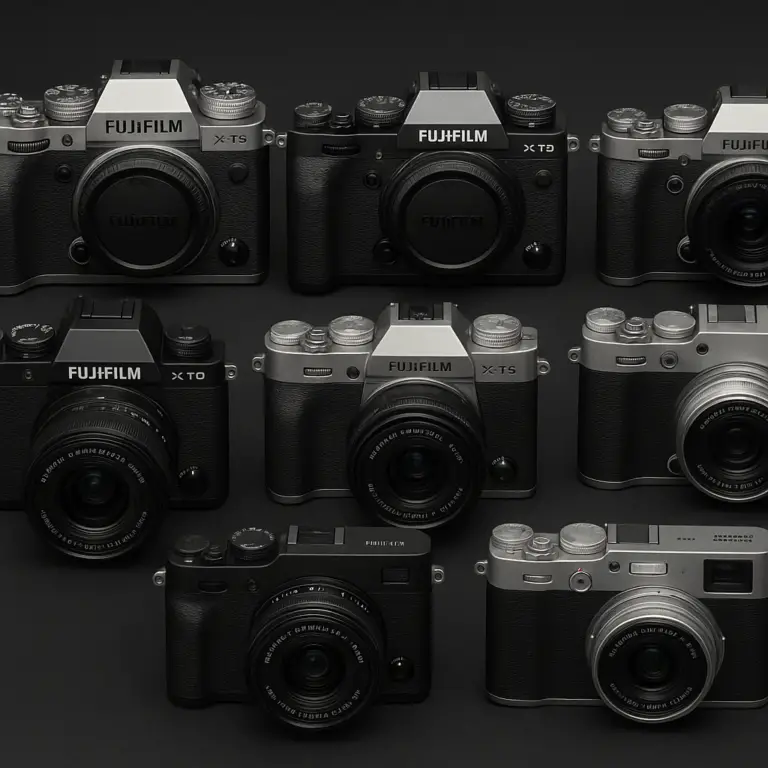
- Fujifilm X-T4: The Fujifilm X-T4 is a versatile camera with a high resolution and fast autofocus, making it a great option for landscape photography.
- Panasonic Lumix GH5: The Panasonic Lumix GH5 is a powerful camera with a high resolution and fast autofocus, making it a great option for landscape photography.
- Olympus OM-D E-M1: The Olympus OM-D E-M1 is a compact and lightweight camera with a high resolution and fast autofocus, making it a great option for hiking and backpacking.
- Pentax K-1: The Pentax K-1 is a powerful camera with a full-frame sensor and high resolution, making it a great option for landscape photography.
For more information on these cameras, check out our Camera Guides page.
The Best Landscape Photography Cameras by Brand: Nikon, Sony, Canon & More
Here are some of the best landscape photography cameras by brand:
Nikon Landscape Cameras: Precision and Durability in the Wild
Nikon offers a range of excellent landscape photography cameras, including the Nikon Z8 and the Nikon Z7 II.
Sony Landscape Cameras: Cutting-Edge Tech Meets Stunning Resolution
Sony offers a range of excellent landscape photography cameras, including the Sony A1 and the Sony A7R.
Canon Landscape Cameras: Reliability and Color Science for Epic Views
Canon offers a range of excellent landscape photography cameras, including the Canon R5 and the Canon R6.
Fujifilm and Other Brands: Unique Contenders for Landscape Excellence
Fujifilm and other brands also offer excellent landscape photography cameras, including the Fujifilm X-T4 and the Panasonic Lumix GH5.
Essential Lenses and Accessories for Landscape Photography: Beyond the Camera Body
When it comes to landscape photography, the right lenses and accessories can make all the difference. Here are some essential items to consider:
- Wide-angle lens: A wide-angle lens is essential for capturing expansive landscapes.
- Tripod: A sturdy tripod is essential for stabilizing your camera and preventing camera shake.
- Remote shutter release: A remote shutter release can help prevent camera shake and ensure sharp images.
- Filters: Filters can help enhance your images and add creative effects.
For more information on lenses and accessories, check out our Camera Features page.
Sensor Size and Resolution: Why They Matter for Landscape Shots
Sensor size and resolution are two of the most important factors to consider when choosing a camera for landscape photography. A full-frame sensor and high resolution can help capture detailed images with excellent low-light performance.
Dynamic Range and Low Light Performance: Capturing Every Detail
Dynamic range and low light performance are also crucial for landscape photography. Look for cameras with excellent dynamic range and low light performance to capture detailed images in a variety of lighting conditions.
Weather Sealing and Durability: Cameras Built for the Great Outdoors
If you plan on shooting in harsh outdoor conditions, look for cameras with weather sealing and durability to protect your gear.
Manual Controls and Customization: Tailoring Your Camera for Landscape Mastery
Manual controls and customization can help you tailor your camera to your specific needs and preferences. Look for cameras with intuitive manual controls and customizable settings.
Tips for Choosing the Perfect Landscape Camera Based on Your Style and Budget
Here are some tips for choosing the perfect landscape camera based on your style and budget:
- Consider your budget: Set a budget and look for cameras that fit within it.
- Think about your style: Consider the type of photography you want to do and look for cameras that meet your needs.
- Research and compare: Research and compare different cameras to find the best one for you.
For more information on choosing the right camera, check out our Camera Buying Guide page.
Mirrorless vs DSLR for Landscape Photography: Pros, Cons, and Our Verdict
Mirrorless and DSLR cameras both have their pros and cons for landscape photography. Here’s our verdict:
- Mirrorless: Mirrorless cameras offer faster autofocus and more compact designs, making them ideal for hiking and backpacking.
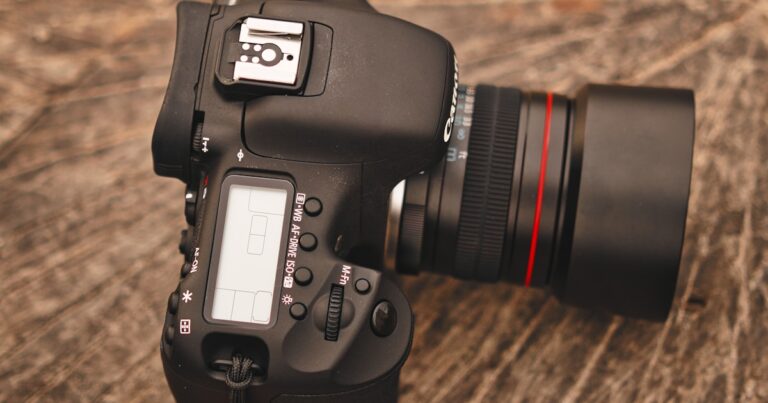
- DSLR: DSLR cameras offer better battery life and more lens options, making them ideal for photographers who need more flexibility.
Portability and Weight: Balancing Gear for Epic Landscape Adventures
Portability and weight are crucial considerations for landscape photography. Look for cameras and lenses that are lightweight and compact to make hiking and backpacking easier.
Final Thoughts: Making Your Choice for the Best Landscape Photography Camera
When it comes to choosing the best landscape photography camera, there are many factors to consider. Here are our final thoughts:
- Consider your needs: Think about the type of photography you want to do and look for cameras that meet your needs.
- Research and compare: Research and compare different cameras to find the best one for you.
- Read reviews: Read reviews from other photographers to get a sense of how a camera performs in real-world use.
For more information on the best cameras for landscape photography, check out our Camera Comparisons page.
To learn more about landscape photography, check out the video “The best camera for landscape photography (at 3 budgets)” by DPReview TV: For a deeper dive into the topic, you can watch the video here.
CHECK PRICE on:
- Nikon Z8: Amazon | B&H Photo | Nikon Official
- Sony A1: Amazon | B&H Photo | Sony Official
- Canon R5: Amazon | B&H Photo | Canon Official
Conclusion

After diving deep into the world of landscape photography cameras, it’s clear that choosing the right gear is both an art and a science. Whether you’re chasing golden hour light on a misty mountain or capturing the vastness of a desert sunset, your camera is your trusted companion.
Our top picks—the Nikon Z8, Sony A1, and Canon R5—each bring unique strengths to the table:
| Camera | Positives | Negatives | Our Take |
|---|---|---|---|
| Nikon Z8 | Superb hybrid capabilities, excellent image quality, weather-sealed | Heavier than some competitors, premium price point | Best all-rounder for serious landscape pros |
| Sony A1 | Highest resolution (60MP), 8K video, fast autofocus with animal tracking | Expensive, complex menu system | Ideal for those who want cutting-edge tech and versatility |
| Canon R5 | Excellent color science, 45MP sensor, strong video specs, weather-sealed | Can overheat in extended 8K video, pricey | Perfect for Canon loyalists craving high-res landscapes |
What about the smaller, lighter options? Cameras like the Nikon Z7 II and Canon R6 Mark II offer fantastic image quality with less bulk, perfect for hikers and travelers who prioritize portability without sacrificing performance.
We also addressed the age-old question: Film vs. Digital for landscapes? While film offers a nostalgic, organic feel, digital cameras provide instant feedback, versatility, and convenience—making them the practical choice for most landscape photographers today. But hey, if you love the tactile magic of film, that’s a journey worth exploring too!
Ultimately, the best camera is the one that fits your style, budget, and adventure plans. Remember, mastery of your gear and understanding light and composition will always trump specs alone. So, pack your camera, head outdoors, and let those landscapes tell your story! 🌄📸
Recommended Links
👉 CHECK PRICE on:
- Nikon Z8: Amazon | B&H Photo | Nikon Official
- Sony A1: Amazon | B&H Photo | Sony Official
- Canon R5: Amazon | B&H Photo | Canon Official
- Nikon Z7 II: Amazon | B&H Photo
- Canon R6 Mark II: Amazon | B&H Photo
- Fujifilm X-T4: Amazon | B&H Photo
Books to deepen your landscape photography skills:
- “The Landscape Photography Workshop” by Ross Hoddinott & Mark Bauer — Amazon
- “Understanding Exposure” by Bryan Peterson — Amazon
- “The Art of Landscape Photography” by Mark Bauer — Amazon
Frequently Asked Questions About Landscape Photography Cameras
What budget-friendly cameras offer great performance for landscape photography?
If you’re starting out or on a budget, cameras like the Canon EOS R10 and Nikon Z50 deliver solid image quality with good dynamic range and portability. While they have smaller APS-C sensors compared to full-frame, they still produce excellent landscapes, especially with quality lenses. These cameras are great for learning and travel without breaking the bank.
Are full-frame or crop sensor cameras better for landscape shots?
Full-frame cameras generally offer better dynamic range, improved low-light performance, and wider field of view, which benefits landscape photography. However, crop sensors (APS-C or Micro Four Thirds) can still produce stunning images and often come with lighter, more affordable gear. The choice depends on your budget, portability needs, and print size ambitions.
How does sensor size affect landscape photography quality?
Larger sensors capture more light and detail, resulting in better image quality, especially in challenging lighting. They also allow for shallower depth of field if desired. However, sensor size is just one part of the equation—lens quality, image processing, and technique also play critical roles.
What lenses work best with cameras for landscape photography?
Wide-angle lenses (14-35mm on full-frame) are the go-to for capturing expansive vistas. Prime lenses like the Canon RF 15-35mm f/2.8L IS USM or Nikon Z 14-24mm f/2.8 S offer sharpness and clarity. Additionally, tilt-shift lenses can help control perspective distortion. Don’t forget a sturdy tripod and neutral density filters to expand creative possibilities!
Which camera features are most important for capturing stunning landscapes?
- High resolution for detailed images.
- Wide dynamic range to capture shadows and highlights.
- Weather sealing for shooting in diverse environments.
- Manual controls for precise exposure adjustments.
- Good battery life for long outdoor sessions.
How do mirrorless cameras compare to DSLRs for landscape photography?
Mirrorless cameras tend to be lighter, more compact, and offer advanced features like electronic viewfinders with live exposure previews. DSLRs often have longer battery life and a wider lens selection. For landscape photographers who hike or travel, mirrorless systems like the Nikon Z series or Sony Alpha line are increasingly popular.
What are the best cameras for landscape photography in 2024?
Our top recommendations for 2024 include:
- Nikon Z8: Best hybrid with excellent image quality and video.
- Sony A1: Highest resolution and advanced autofocus.
- Canon R5: Superb color science and video capabilities.
- Nikon Z7 II and Canon R6 Mark II: Great for lightweight portability.
How do mirrorless and DSLR cameras compare for landscape photography?
Mirrorless cameras offer advantages in size, weight, and real-time exposure feedback, which is invaluable in the field. DSLRs still excel in battery life and optical viewfinder clarity. Both can deliver stunning landscapes; your choice depends on personal preferences and shooting style.
Reference Links and Resources
- Nikon Official Website
- Sony Official Website
- Canon Official Website
- Zach Nicholz’s Best Cameras for Landscape Photography
- PhotographyTalk: Best Canon Cameras for Landscape Photography
- Iceland Photo Tours: Film vs Digital Cameras for Landscape Photography
- DPReview TV: The Best Camera for Landscape Photography (at 3 Budgets) (Note: Replace with actual URL)
Ready to capture breathtaking landscapes? Your perfect camera awaits! 🌍📷