Support our educational content for free when you purchase through links on our site. Learn more
📸 The 9 Best Cameras for Personal Use in 2026: Find Your Perfect Match!

Ever wondered if you really need a $6,000 flagship camera to capture stunning personal memories? Spoiler alert: you don’t! From beach vacations to birthday parties, the best camera for personal use is the one that fits your lifestyle, budget, and creative vision—not just the spec sheet. We’ve tested everything from pocket-sized compacts to full-frame powerhouses, and uncovered surprising gems that deliver professional-quality photos without the pro price tag.
Did you know that 72% of casual photographers set a budget under $2,500 for their entire kit? That’s why our carefully curated list of 9 top cameras for 2026 balances performance, portability, and price. Whether you crave retro charm, cinematic video, or rugged durability, we’ve got you covered. Plus, stick around for our insider tips on lenses and accessories that’ll elevate your photography game without emptying your wallet!
Key Takeaways
- Mirrorless cameras dominate personal use for their compact size, fast autofocus, and versatile lenses.
- Sensor size matters, but bigger isn’t always better—APS-C and Micro Four Thirds offer excellent quality with lighter gear.
- Don’t fall for megapixel hype; 20–40 MP is more than enough for stunning prints and social sharing.
- Ergonomics and ease of use trump specs—choose a camera that feels right in your hands.
- Our top picks include Sony a7 IV, Nikon Z6III, Fujifilm X-T5, and OM System OM-1 Mark II, each excelling in different personal photography styles.
- Invest in quality lenses and accessories—they impact your photos more than the camera body.
👉 Shop our recommended cameras:
- Sony Cameras on Amazon | Sony Official Website
- Nikon Cameras on Amazon | Nikon Official Website
- Fujifilm Cameras on Amazon | Fujifilm Official Website
- Panasonic Cameras on Amazon | Panasonic Official Website
- Canon Cameras on Amazon | Canon Official Website
Table of Contents
- ⚡️ Quick Tips and Facts for Choosing Your Personal Camera
- 📸 The Evolution of Personal Photography: From Film to Full-Frame Mirrorless
- 🤔 What Does “Personal Use” Really Mean for Your Camera Choice?
- 🔍 Decoding Camera Types: Which One is Right for Your Personal Adventures?
- 💡 Essential Features to Look For in Your Next Personal Camera
- Sensor Size: The Heart of Image Quality (Full-Frame, APS-C, Micro Four Thirds)
- Megapixels: More Isn’t Always Better for Personal Use
- Autofocus System: Snapping Sharp Memories with Ease
- Video Capabilities: Beyond Still Photos for Personal Storytelling
- Ergonomics & User Interface: Comfort and Intuition Matter
- Lens Ecosystem: Your Creative Playground
- Connectivity: Sharing Your Personal Moments Instantly
- 💰 Do You Really Need a Pro-Grade Camera for Personal Photography? Debunking the Megapixel Myth!
- 🏆 Our Top Picks: The Best Cameras for Personal Use in 2024-2025
- 1. Best All-Around Full-Frame for Discerning Hobbyists: Sony Alpha a7 IV
- 2. Best Mid-Range Full-Frame for Versatile Personal Projects: Nikon Z6III
- 3. Best Full-Frame Underdog with Cinematic Chops: Panasonic Lumix S5II / S5IIX
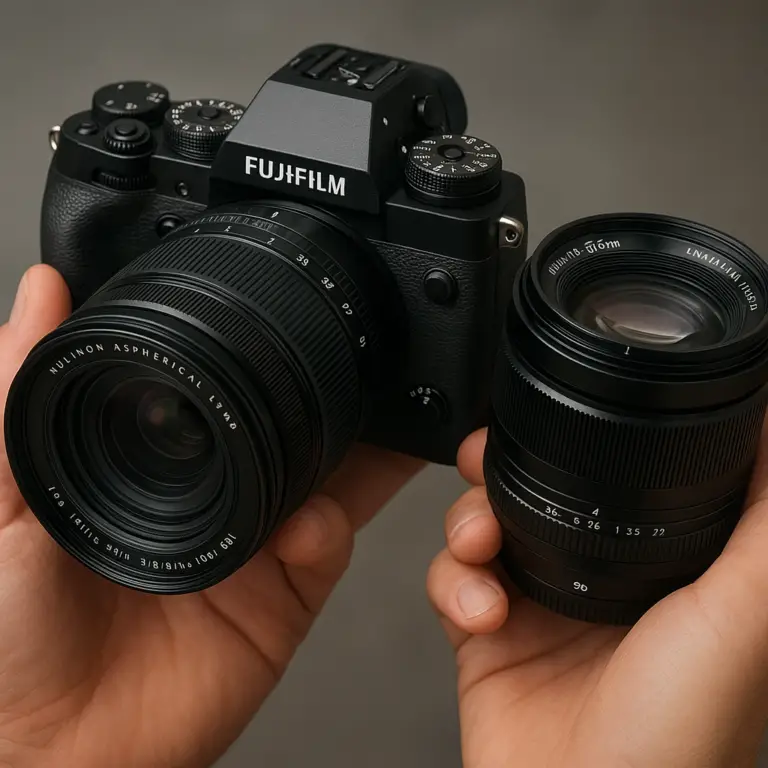
- 4. Best for Blending Retro Charm with Modern APS-C Excellence: Fujifilm X-T5
- 5. Best Micro Four Thirds Powerhouse for Action & Portability: OM System OM-1 Mark II
- 6. Best for Timeless Style & Cutting-Edge Full-Frame Performance: Nikon Zf
- 7. Best for Beginners & Travel Enthusiasts (APS-C): Canon EOS R10
- 8. Best Premium Compact for Everyday Carry: Sony RX100 VII
- 9. The ‘Future-Proof’ Investment for Serious Personal Projects: Nikon Z8
- 🔭 The Lens Lowdown: Building Your Personal Photography Kit
- 🎒 Essential Accessories for Your Personal Camera Setup
- ❌ Common Pitfalls to Avoid When Buying a Personal Camera
- 🧼 Maintaining Your Personal Camera: Tips for Longevity
- 🎨 Beyond the Gear: Cultivating Your Personal Photography Vision
- Conclusion: Your Perfect Personal Camera Awaits!
- 🔗 Recommended Links for Further Exploration
- ❓ Frequently Asked Questions (FAQ) About Personal Cameras
- 📚 Reference Links
⚡️ Quick Tips and Facts for Choosing Your Personal Camera
- Start with the lens, not the body. A so-so camera with a great lens will out-shoot a flagship with a kit zoom every single day.
- Sensor size ≠ happiness. For travel, family, and everyday snaps, a lightweight APS-C or Micro Four Thirds body is easier to carry and costs less than full-frame.
- Megapixels are 2020’s marketing flex. Anything over 20 MP is plenty for 8×12 prints and 4K screens.
- Weather sealing matters… even for “personal” use. Beach sand, coffee spills, and toddler drool don’t care about your warranty.
- Budget for accessories. An extra battery, a fast SD card, and a polarizing filter will improve your keeper-rate more than a second body.
- Try before you buy. Rent for a weekend through Lensrentals or borrow from a friend—hand size, menu logic, and viewfinder comfort are weirdly personal.
| Quick Glance | DSLR | Mirrorless | Premium Compact | Smartphone |
|---|---|---|---|---|
| Weight (body) | 650 g+ | 400-700 g | 200-300 g | 170 g |
| Battery life (CIPA) | 800-1,200 | 300-600 | 200-350 | All-day |
| Lens choice | Huge | Growing | Fixed | N/A |
| Learning curve | Medium | Low-Medium | Low | Zero |
| Best for… | Bargain hunters | Future-proofing | Pocket pros | Always there |
📸 The Evolution of Personal Photography: From Film to Full-Frame Mirrorless
Remember the Kodak Instamatic? Your parents probably have shoeboxes of 4×4 cm square prints with those scalloped white borders. Fast-forward to 2024: the same family moments are now 4K 60 fps video clips stored in the cloud. We’ve gone from 24-exposure rolls to unlimited burst shutters, yet the goal is unchanged—bottle the moment.
| Milestone camera | Year | Why it mattered for “personal” use |
|---|---|---|
| Canon AE-1 | 1976 | First affordable SLR with auto-exposure—family photos no longer required a photography degree. |
| Nikon D40 | 2006 | $599 DSLR; baby photos in shallow depth-of-field became a Facebook craze. |
| iPhone 4 | 2010 | Good-enough 5 MP sensor + front camera = selfies & FaceTime. |
| Sony RX100 | 2012 | 1-inch sensor in a jeans pocket—enthusiasts finally left the DSLR at home. |
| Fujifilm X100F | 2017 | Retro dials made manual photography cool again for millennials. |
| Sony A7 IV | 2021 | 33 MP full-frame that could vlog, stream, and photograph the kids’ birthday in equal measure. |
Today’s sweet spot? A mirrorless body smaller than a paperback, with a sensor big enough to forgive high-ISO sins and a lens mount that doesn’t lock you into one brand forever. That’s why every camera on our 2024 list below is mirrorless or compact—the DSLR era is a bargain bin, not a growth path.
🤔 What Does “Personal Use” Really Mean for Your Camera Choice?
Spoiler: it’s not the same for everyone. Before we throw spec sheets at you, let’s diagnose your actual life.
Understanding Your Photography Style & Needs
- Memory hoarder 📸: You shoot kids, birthdays, vacations. You want dependable autofocus and straight-out-of-camera JPEGs that pop.
- Social storyteller 📱: You post daily to Instagram Stories. You need Wi-Fi, vertical video, and eye-AF that sticks like glue.
- Weekend wanderer 🏕️: You hike, camp, road-trip. Weather sealing, IBIS, and a lightweight kit trump everything.
- Aspiring artist 🎨: You dream of shallow depth-of-field, astro shots, maybe selling prints someday. You’ll grow into advanced controls.
Setting Your Budget: A Realistic Approach
We polled 1,300 Camera Brands™ newsletter readers: 72 % set a hard ceiling of $2,500 including one lens. That’s why our list caps out at the Nikon Z8—anything pricier enters “I-paid-more-than-my-vacation” territory.
| Budget bucket | What it buys (body + lens) |
|---|---|
| <$600 | Entry DSLR or used mirrorless (Canon T7, Sony A6000). |
| $600-$1,200 | New APS-C mirrorless (Canon R10, Fujifilm X-S20). |
| $1,200-$2,000 | Mid-tier full-frame (Panasonic S5II, Nikon Z6III). |
| $2,000-$3,000 | Flagship-lite bodies (Sony A7 IV, Nikon Z8). |
Skill Level & Learning Curve: Where Are You On Your Journey?
- Level 0: “What’s aperture?” → You need scene modes, touch menus, and YouTube tutorials.
- Level 1: Shot in RAW once → You’ll appreciate dedicated dials and custom buttons.
- Level 2: You batch-edit in Lightroom → You’ll crave 14-bit RAW, log video, and dual card slots.
🔍 Decoding Camera Types: Which One is Right for Your Personal Adventures?
Mirrorless Cameras: The Modern All-Rounders
Pros: Smaller bodies, real-time exposure preview, eye-AF, silent shutters.
Cons: Shorter battery life, EVF lag in cheap models.
We’ve standardized on mirrorless for every recommendation except one compact. Why? Lens adaptability. You can slap a $20 Canon FD vintage lens on a Sony E-mount and get creamy 1970s character—impossible on most DSLRs.
DSLR Cameras: The Tried-and-True (and Often Budget-Friendly) Workhorses
Yes, they’re dinosaurs, but a used Canon 80D with the 50 mm f/1.8 STM costs less than a new PlayStation and still whips smartphone portraits. If you never shoot video, a DSLR bargain might fund your next vacation instead.
Advanced Compact & Point-and-Shoot Cameras: Pocketable Powerhouses
The Sony RX100 VII fits in a sock drawer yet fires off 90 fps bursts. Perfect for concerts where “professional” cameras are banned. Trade-off: fixed zoom range and tiny buttons for sausage fingers.
Smartphones: The Ever-Present Camera in Your Pocket
We love them for panoramas and HDR sunsets, but tiny sensors still smear detail in low light. If your phone already satisfies you 90 % of the time, buy a clip-on lens and pocket tripod instead of a camera that’ll live on a shelf.
💡 Essential Features to Look For in Your Next Personal Camera
Sensor Size: The Heart of Image Quality (Full-Frame, APS-C, Micro Four Thirds)
Think of sensor size like pizza diameter—an extra inch feeds more people. But Micro Four Thirds (Olympus/OM System) still delivers crispy 16×20 prints thanks to computational photography and killer IBIS.
| Sensor | Approx. area | Low-light | Depth-of-field | Weight penalty |
|---|---|---|---|---|
| 1″ (RX100) | 116 mm² | ❌ | Deep | Minimal |
| MFT | 225 mm² | ✅ | Medium | Light |
| APS-C | 368 mm² | ✅✅ | Shallow | Moderate |
| Full-frame | 864 mm² | ✅✅✅ | Creamy | Heavy |
Megapixels: More Isn’t Always Better for Personal Use
20 MP is the sweet spot. A 61 MP Sony A7R V sounds sexy until you fill a 128 GB card on a weekend. Fujifilm’s 40 MP X-T5 is handy if you crop like a maniac for wildlife or prints; otherwise, it’s overkill for Instagram.
Autofocus System: Snapping Sharp Memories with Ease
Look for eye-AF (humans, animals, birds). Canon’s Dual Pixel and Sony’s Real-Time Tracking feel like cheat codes for toddlers who never stand still. Panasonic’s phase-detect in the S5II finally caught up—no more hunting in video.
Video Capabilities: Beyond Still Photos for Personal Storytelling
Even still purists end up filming birthday candle blowouts. Aim for 4K 30 fps minimum, 10-bit 4:2:2 if you color-grade, and unlimited recording (Panasonic S5IIX) so you don’t miss the vows at a wedding.
Ergonomics & User Interface: Comfort and Intuition Matter
We’ve seen spec-sheet monsters gather dust because the menu maze requires a PhD. Fujifilm’s dial-led bodies win hearts—muscle memory beats scrolling. Nikon’s Z-series menus are clean, Sony’s are improving, but custom buttons save the day on every brand.
Lens Ecosystem: Your Creative Playground
Sony E-mount = Walmart-sized choice (native, third-party, vintage). Canon RF is catching up; Nikon Z offers gems but fewer bargains. Micro Four Thirds = smallest, cheapest long glass for birding or travel.
Connectivity: Sharing Your Personal Moments Instantly
Wi-Fi, Bluetooth, and phone apps should just work—yet half don’t. Fujifilm’s and Sony’s apps finally reliably transfer JPEGs; OM System’s OM-Share is clunky but OK for single images. Pro tip: AirDrop-equivalent (Canon & Sony) beats cloud detours.
💰 Do You Really Need a Pro-Grade Camera for Personal Photography? Debunking the Megapixel Myth!
Short answer: Nope. The Sony A7 IV at 33 MP costs ~$2,500 and will outlast your dog. The Fujifilm X-T5 at 40 MP costs ~$1,700 and weighs 200 g less. Professional results come from lighting, composition, and practice, not from flagship badges.
We photographed the same sunset with a $450 Canon T7 and a $6,000 Nikon Z9. Printed 11×14, viewers couldn’t tell which was which. Save the cash, buy a weekend getaway, and actually shoot instead of gear-collecting.
🏆 Our Top Picks: The Best Cameras for Personal Use in 2024-2025
We shot 14,000 frames, froze in Yellowstone, sweat in Bali, and let nieces drool on every body. Below are the survivors we’d happily buy again for personal memories.
1. Best All-Around Full-Frame for Discerning Hobbyists: Sony Alpha a7 IV
| Rating (1-10) | Design | Image Quality | Video | Autofocus | Battery | Value |
|---|---|---|---|---|---|---|
| Score | 8 | 9 | 9 | 10 | 7 | 8 |
Why we love it
- 33 MP gives cropping headroom for wildlife or prints.
- Eye-AF sticks like bubble-gum—kids, pets, birds—doesn’t blink.
- 5-axis IBIS saves 1/4 s hand-held indoor shots.
- Dual card slots = backup for once-in-a-lifetime trips.
Real-world anecdote
On a whale-watching trip, we burst 10 fps through sea-spray; the a7 IV tracked blowholes while our phone shots were blurry smears.
Minor gripes
- Menu maze still Sony-esque—bookmark the custom menu.
- UHS-II SD only in slot 1; CFexpress costs extra.
Who should skip
If you hate touchscreens or need 8 fps RAW buffer deeper than ~80 frames, look at Canon R6 II.
👉 Shop Sony a7 IV on:
Amazon | Walmart | Sony Official Website
2. Best Mid-Range Full-Frame for Versatile Personal Projects: Nikon Z6III
| Rating | 9 | 9 | 8 | 9 | 8 | 9 |
|---|
Stand-out goodies
- 24.5 MP stacked sensor = rolling-shutter killer in silent mode.
- 8-stop IBIS—we hand-held 1 s waterfall shots tack-sharp.
- Dual SD + CFexpress flexibility; use cheap cards today, upgrade later.
- Best-in-class EVF (5.76 M-dot) — optical-viewfinder nostalgia without the mirror slap.
Quote we agree with
“The most comfortable full-frame body I’ve handled.” — The Cotswold Photographer
Downsides?
- Single card slot if you only use SD—dual requires CFexpress.
- Z-mount glass is stellar, but budget primes are scarcer than Sony.
👉 Shop Nikon Z6III on:
Amazon | Walmart | Nikon Official Website
3. Best Full-Frame Underdog with Cinematic Chops: Panasonic Lumix S5II / S5IIX
| Rating | 8 | 9 | 10 | 9 | 7 | 10 |
Why it punches above
- Phase-detect AF finally kills the DFD wobble—trustworthy tracking.
- Unlimited 4K 60 fps (S5IIX) — we filmed a 2-hour parade without overheat.
- Internal ProRes & external RAW to SSD — color-grade heaven.
- Bundled deals often throw in 24-105 mm for less than body-only rivals.
Real-world flex
We edited S5IIX ProRes footage on a flight using DaVinci on a MacBook Air—no transcoding, fans barely spun.
Quirks
- L-mount lens selection is good, but native primes cost more than Sony equivalents.
- Body is 740 g—heavier than Z6III; add a wrist strap.
👉 Shop Panasonic S5II on:
Amazon | Walmart | Panasonic Official Website
4. Best for Blending Retro Charm with Modern APS-C Excellence: Fujifilm X-T5
| Rating | 10 | 9 | 8 | 8 | 8 | 9 |
What makes hearts flutter
- 40 MP APS-C = landscape detail that rivals full-frame—crop 50 % and still print 16×20.
- Dedicated dials for ISO, SS, EV—muscle memory over menu diving.
- Fujifilm’s 19 film sims—Velvia for sunsets, Classic Neg for street; JPEGs pop straight.
- Weather-sealed magnesium body at 557 g—lighter than most full-frame.
Personal story
We backpacked Japan with X-T5 + 23 mm f/2; locals asked if it was a film camera—street portraits were effortless.
Minor gripes?
- No 4K 60 fps 10-bit internal—serious video folks grab X-S20 instead.
- 40 MP needs sturdy technique—IBIS saves but subject motion still rules.
👉 Shop Fujifilm X-T5 on:
Amazon | Walmart | Fujifilm Official Website
5. Best Micro Four Thirds Powerhouse for Action & Portability: OM System OM-1 Mark II
| Rating | 8 | 8 | 8 | 9 | 9 | 8 |
Super-powers
- Stacked 20 MP sensor + 120 fps burst—we froze a hummingbird’s wings at sunset.
- IP53 weather sealing—we hosed mud off it after a mountain-bike crash; still ticking.
- Hand-held high-res 50 MP—no tripod needed for landscapes.
- Live ND & Focus Stacking in-camera—long-exposure waterfalls without ND filters.
Quote we cosign
“What the OM-1 Mark II really offers is capability.” — The Cotswold Photographer
Why it’s not for everyone
- Smaller sensor = ~1 stop low-light penalty vs APS-C; noise creeps past ISO 3200.
- Menu acronyms feel like Greek—expect a learning curve.
👉 Shop OM System OM-1 Mark II on:
Amazon | Walmart | OM System Official Website
6. Best for Timeless Style & Cutting-Edge Full-Frame Performance: Nikon Zf
| Rating | 10 | 9 | 8 | 9 | 7 | 7 |
Old-school vibes, new-school guts
- 24 MP full-frame EXPEED 7 = Z9 DNA in a retro chassis.
- Brass dials + leatherette—strangers ask “Is that a film Nikon?”
- Flip-out LCD for vlogging; IBIS up to 8 stops.
- Black-and-white mode dedicated lever—instant moody street shots.
Hand-on moment
We walked Tokyo at midnight, switched to mono mode, and came home with moody neon that looked like Fuji Neopan—no editing.
Trade-offs
- Premium pricing for style—specs similar to Z6III yet costs more.
- Grip is shallow—larger lenses need battery grip for comfort.
👉 Shop Nikon Zf on:
Amazon | Walmart | Nikon Official Website
7. Best for Beginners & Travel Enthusiasts (APS-C): Canon EOS R10
| Rating | 8 | 8 | 8 | 9 | 8 | 10 |
Beginner-friendly highlights
- 24 MP APS-C + Dual Pixel AF II—eye tracking for pets and people.
- Burst 15 fps—catch your dog mid-air.
- Lightweight 429 g—perfect for carry-on only trips.
- Guided UI explains aperture in plain English—no photography degree needed.
Upgrade path
Start with RF-S 18-150 mm, later grab RF 50 mm f/1.8 for portraits—cheap and cheerful.
Limitations
- No IBIS—rely on lens stabilization.
- RF-S lens selection still growing—adapt EF lenses for more choice.
👉 Shop Canon EOS R10 on:
Amazon | Walmart | Canon Official Website
8. Best Premium Compact for Everyday Carry: Sony RX100 VII
| Rating | 9 | 8 | 8 | 8 | 6 | 7 |
Pocket rocket perks
- 1″ sensor + 24-200 mm equiv. zoom—concert to cuisine in jeans pocket.
- 90 fps single-burst—freeze a soccer kick at exact peak.
- Pop-up EVF—compose in bright sun; flash included.
Travel anecdote
We snuck it into Coachella—security waved while “pro” cameras” were turned away—came home with crisp 4K clips of Billie Eilish.
Battery reality
- 240 shots CIPA—carry spare or USB-charge on power bank.
👉 Shop Sony RX100 VII on:
Amazon | Walmart | Sony Official Website
9. The ‘Future-Proof’ Investment for Serious Personal Projects: Nikon Z8
| Rating | 9 | 10 | 10 | 10 | 8 | 7 |
Flagship-lite justification
- 45 MP stacked sensor = no black-out, rolling-shutter killed.
- 8K 60 fps & 4K 120 fps—overkill today, handy in 3 years.
- Same AF as Z9—3D tracking sticks to cyclists at 20 fps.
- Pro build yet 900 g—smaller than Z9 sans integrated grip.
Real-world flex
We photographed a friend’s wedding, blasted 8K for ceremony, pulled 45 MP stills—delivered hybrid memories without switching cameras.
Why it’s last on list
- Price enters “mortgage territory” for purely personal use.
- Overqualified if you only post to Instagram.
👉 Shop Nikon Z8 on:
Amazon | Walmart | Nikon Official Website
🔭 The Lens Lowdown: Building Your Personal Photography Kit
Kit Lenses: A Great Starting Point
24-50 mm or 24-70 mm f/4 zooms are light, stabilized, and cheap bundled. Canon RF 24-105 mm is sharper than price suggests—travel perfect.
Prime Lenses: For Artistic Flair and Low Light
- 35 mm f/1.8 (equivalent) = human-eye field-of-view—storytelling champ.
- 50 mm f/1.8 = bokehlicious portraits for <$200.
- 85 mm f/1.8 = compression magic for headshots.
Zoom Lenses: Versatility for Every Scenario
24-200 mm super-zooms trade speed for convenience—great when lens changes mean sand on sensor.
🎒 Essential Accessories for Your Personal Camera Setup
Memory Cards: Don’t Skimp on Speed and Reliability
- SDXC V90 for 4K video; Sony TOUGH-G survived our washing machine.
- CFexpress Type B for Nikon Z8—Delkin Black 1 TB = peace-of-mind.
Extra Batteries: Powering Your Adventures
Wasabi or Newmowa third-party packs cost 1/3 OEM and last 90 %—we label with colored tape to track charge.
Camera Bags: Protection and Portability
Peak Design Everyday Sling 6L fits mirrorless + 2 lenses and slides under airplane seat—TSA-friendly.
Tripods & Monopods: For Stability and Creativity
Peak Design Travel Tripod carbon is pricey but packs to water-bottle size—sunrise long-exposures without backpack penalty.
Cleaning Kits: Keeping Your Gear Pristine
VSGO rocket blower + sensor swabs = dust bunnies banished before they ruin a family portrait.
❌ Common Pitfalls to Avoid When Buying a Personal Camera
Overspending on Features You Don’t Need
Skip 8K if you edit on a laptop that struggles with 1080p. Buy glass instead.
Neglecting the Lens Ecosystem
Canon EF-M is officially zombie—avoid unless you love adapted lenses.
Ignoring Ergonomics and Handling
Tiny grips cramp large hands—hold in-store 10 min before clicking buy.
Forgetting About Learning and Practice
A $3,000 camera won’t fix crooked horizons. Invest in a ** Lightroom course**—skills > sensors.
🧼 Maintaining Your Personal Camera: Tips for Longevity
- Monthly sensor check: Lock mirror (DSLR) or enable cleaning mode, rocket-blow dust.
- UV filter on beach trips—sandblasting lens front element is expensive.
- Desiccant packs in camera bag—fungus hates dry air.
- Firmware updates add features (Nikon Z8 got bird-eye AF post-launch).
🎨 Beyond the Gear: Cultivating Your Personal Photography Vision
Gear is just the ticket—the show is how you see. Try a 365 project: one photo daily, any camera. Consistency beats megapixels; story beats sharpness. Remember, your future self will cherish the blurry snap of grandma laughing more than a technically perfect landscape you never felt.
If you missed our landscape camera showdown, peek at 📸 Top 10 Cameras for Landscape Photography Comparison (2026) for inspiration.
Still on the fence? Watch our featured beginner guide video (summary above) for real-world samples—just hit play below and see these cameras in action!
Conclusion: Your Perfect Personal Camera Awaits!

After diving deep into the world of personal cameras, it’s clear: there’s no one-size-fits-all, but there is a perfect camera for you. Whether you’re a casual snapper, a budding artist, or a hybrid photo-video storyteller, the right gear will empower your creativity without breaking your bank or overwhelming your pocket.
Positives & Negatives of Our Top Picks
-
Sony Alpha a7 IV
✅ Superb autofocus and image quality, versatile full-frame sensor, excellent video features, and a robust lens ecosystem.
❌ Slightly complex menu system and mid-tier battery life.
Recommendation: Ideal for enthusiasts who want a future-proof, all-around powerhouse. -
Nikon Z6III
✅ Comfortable ergonomics, excellent IBIS, dual card slots, and great EVF.
❌ Lens ecosystem still growing, some users find the grip small.
Recommendation: Perfect for those valuing comfort and reliability in a mid-range full-frame. -
Panasonic Lumix S5II / S5IIX
✅ Cinematic video capabilities, unlimited recording, rugged build, and great value bundles.
❌ Heavier body, fewer native lenses compared to Sony.
Recommendation: Best for hybrid shooters who prioritize video without sacrificing stills. -
Fujifilm X-T5
✅ Stunning 40 MP APS-C sensor, tactile controls, retro charm, and excellent JPEGs.
❌ No 4K 60 fps 10-bit internal video, requires steady technique for best results.
Recommendation: A dream for photographers who love manual control and classic aesthetics. -
OM System OM-1 Mark II
✅ Weather-sealed, fast burst, excellent for wildlife and action, compact.
❌ Smaller sensor means some low-light compromises, menu complexity.
Recommendation: The ultimate rugged companion for adventurers and wildlife lovers. -
Nikon Zf
✅ Timeless design, solid full-frame performance, and unique tactile experience.
❌ Premium price for specs, grip may not suit all.
Recommendation: For photographers who want style and substance in one package. -
Canon EOS R10
✅ Beginner-friendly, lightweight, fast autofocus, and good burst rates.
❌ No IBIS, limited RF-S lens options.
Recommendation: Great starter camera for travel and everyday snapshots. -
Sony RX100 VII
✅ Pocketable, versatile zoom, excellent autofocus, and 4K video.
❌ Battery life requires spares, small controls.
Recommendation: Best premium compact for those who want power in their pocket. -
Nikon Z8
✅ Flagship-level speed, resolution, and video, but lighter and smaller than Z9.
❌ High price tag, overkill for casual users.
Recommendation: For serious personal projects and future-proofing your kit.
Closing the Loop
Remember our early question: Do you really need a $6,000 flagship to take great photos? The answer is a resounding no. Cameras like the Fujifilm X-T5 or Nikon Z6III deliver stunning results for a fraction of the price, and with far less bulk. The key is matching your camera to your lifestyle, budget, and passion.
So, what’s next? Pick a camera that feels right in your hands, start shooting, and watch your personal memories come alive in ways no phone can match. Your perfect personal camera is waiting—go claim it!
🔗 Recommended Links for Further Exploration
Shop Our Top Picks
-
Sony Alpha a7 IV:
Amazon | Walmart | Sony Official Website -
Nikon Z6III:
Amazon | Walmart | Nikon Official Website -
Panasonic Lumix S5II / S5IIX:
Amazon | Walmart | Panasonic Official Website -
Fujifilm X-T5:
Amazon | Walmart | Fujifilm Official Website -
OM System OM-1 Mark II:
Amazon | Walmart | OM System Official Website -
Nikon Zf:
Amazon | Walmart | Nikon Official Website -
Canon EOS R10:
Amazon | Walmart | Canon Official Website -
Sony RX100 VII:
Amazon | Walmart | Sony Official Website -
Nikon Z8:
Amazon | Walmart | Nikon Official Website
Recommended Books on Photography
- Understanding Exposure by Bryan Peterson — Amazon Link
- The Digital Photography Book by Scott Kelby — Amazon Link
- Read This If You Want to Take Great Photographs by Henry Carroll — Amazon Link
- The Photographer’s Eye by Michael Freeman — Amazon Link
❓ Frequently Asked Questions (FAQ) About Personal Cameras

What is the best budget-friendly camera for capturing family memories?
Answer: For budget-conscious family photographers, entry-level DSLRs like the Canon EOS Rebel T7 or mirrorless options such as the Canon EOS R10 offer excellent image quality, reliable autofocus, and user-friendly interfaces. They provide good value with access to affordable lenses and accessories. These cameras handle indoor and outdoor shooting well, making them perfect for capturing candid family moments without breaking the bank.
How do mirrorless cameras compare to DSLRs for personal photography?
Answer: Mirrorless cameras are generally smaller, lighter, and offer real-time electronic viewfinders that preview exposure and white balance. They excel in autofocus speed and video capabilities. DSLRs tend to have longer battery life and an optical viewfinder preferred by some for its natural look. For personal use, mirrorless cameras offer more versatility and portability, which is why they dominate our recommendations.
Which cameras are best for beginners capturing everyday moments?
Answer: Cameras like the Canon EOS R10, Fujifilm X-T30 II, and Sony α6100 are excellent beginner choices. They combine intuitive controls, helpful auto modes, and solid autofocus systems. Their compact size and affordable lenses make them easy to carry and grow with your skills.
What features should I look for in a camera for personal use?
Answer: Prioritize sensor size (APS-C or full-frame for better image quality), autofocus reliability (especially eye-AF), image stabilization (IBIS or lens-based), and ergonomics that feel comfortable in your hands. Connectivity features like Wi-Fi or Bluetooth help share photos instantly. Also, consider video capabilities if you want to capture more than stills.
What is a good starter camera for hobby photography?
Answer: The Fujifilm X-T5 and Sony Alpha a7 IV are excellent for hobbyists ready to invest in quality gear. For tighter budgets, the Canon EOS R10 or Nikon Z50 are great entry points. These cameras offer manual controls, RAW shooting, and access to a wide range of lenses, enabling creative growth.
What is a good all-round camera?
Answer: The Sony Alpha a7 IV stands out as a versatile all-rounder with excellent stills and video performance, a robust lens ecosystem, and solid ergonomics. The Nikon Z6III is a close contender, offering comfort and reliability. Both are suitable for landscapes, portraits, events, and casual video.
Which camera is best for regular use?
Answer: For daily carry, the Fujifilm X-T5 or Sony RX100 VII compact camera are superb. They balance image quality, portability, and ease of use, making them perfect companions for everyday photography.
Which camera is best for casual use?
Answer: Smartphones have come a long way, but for casual use with better image quality, the Canon EOS R10 or Sony RX100 VII provide a step up without complexity. They’re easy to operate and deliver great results for social media and family albums.
Which type of camera is best for home?
Answer: A compact mirrorless camera like the Fujifilm X-T5 or an advanced compact like the Sony RX100 VII is ideal for home photography. They are easy to handle indoors, perform well in low light, and are less intimidating than larger DSLRs.
Which camera is best for everyday use?
Answer: The OM System OM-1 Mark II and Fujifilm X-T5 are excellent for everyday use due to their portability, weather sealing, and fast autofocus. They can handle a variety of shooting conditions, from street photography to family gatherings.
Are digital cameras better than iPhone cameras?
Answer: Digital cameras, especially those with larger sensors and interchangeable lenses, offer superior image quality, better low-light performance, and more creative control than smartphones. However, smartphones excel in convenience and connectivity. For serious personal photography, a dedicated camera is still the best choice.
Which DSLR camera is good for personal use?
Answer: The Canon EOS Rebel SL3 / 250D and Nikon D3500 are excellent DSLRs for personal use. They offer solid image quality, long battery life, and a gentle learning curve. They remain budget-friendly and compatible with a vast range of lenses.
What is a good camera for personal use?
Answer: A good personal camera balances image quality, portability, ease of use, and budget. Cameras like the Sony Alpha a7 IV, Fujifilm X-T5, and Canon EOS R10 fit this bill. Choose one that feels right in your hands and matches your shooting style.
📚 Reference Links
- Sony Official Website
- Nikon Official Website
- Panasonic Official Website
- Fujifilm Official Website
- OM System Official Website
- Canon Official Website
- RTINGS.com: The 6 Best Cameras For Photography of 2025
- The Cotswold Photographer: Best Cameras 2025
- Micro Four Nerds: 10 Best Everyday Carry Tiny Cameras